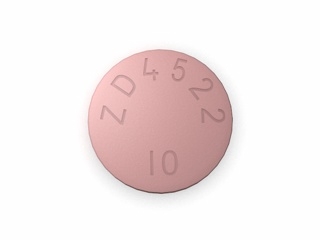
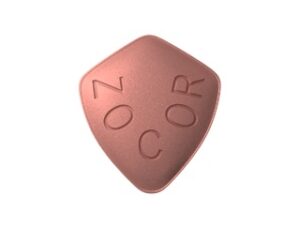
Crestor (Rosuvastatin) — Patient Information (Australia)
Crestor is a brand of rosuvastatin, a medicine used to lower cholesterol and reduce the risk of cardiovascular events such as heart attack and stroke. This page provides practical, patient-friendly information about how Crestor works, how to take it, key safety considerations, and what to discuss with your healthcare team.
This information is general and may not apply to everyone. Always follow the dosing advice provided by your healthcare professional and read the Consumer Medicine Information (CMI) that comes with your medicine.
1) Basic product information
| Item | Details |
|---|---|
| Generic name | Rosuvastatin |
| Brand | Crestor |
| Medicine type | Statin (HMG-CoA reductase inhibitor) |
| Common strengths | 5 mg, 10 mg, 20 mg, 40 mg tablets (strengths may vary by product) |
| How it’s taken | By mouth, usually once daily |
2) What Crestor does (mechanism of action)
Rosuvastatin belongs to the statin group of medicines. Statins lower cholesterol by:
- Blocking an enzyme in the liver (HMG-CoA reductase), which plays a key role in producing cholesterol.
- Increasing “LDL receptor” activity on liver cells, helping remove low-density lipoprotein (LDL, often called “bad cholesterol”) from the bloodstream.
- Reducing triglycerides modestly and raising high-density lipoprotein (HDL, “good cholesterol”) slightly in many people.
Over time, lowering LDL cholesterol helps reduce the build-up of fatty plaques in arteries and lowers the risk of major cardiovascular outcomes.
3) Indications: when Crestor is used
Crestor is used in adults (and in some cases children/adolescents, depending on the product and local guidance) for cholesterol-related conditions and cardiovascular risk reduction. Typical uses may include:
- Primary hypercholesterolaemia (high cholesterol) when diet and lifestyle changes alone are insufficient.
- Mixed dyslipidaemia (elevated LDL and triglycerides).
- Familial hypercholesterolaemia (including heterozygous forms, and in certain scenarios homozygous familial hypercholesterolaemia under specialist care).
- Reducing cardiovascular risk in people at increased risk of cardiovascular events (for example, those with known cardiovascular disease or certain risk factors).
Your healthcare team may also consider rosuvastatin for other circumstances based on your lipid profile and overall risk.
4) Timing and how to take Crestor
Rosuvastatin is typically taken once daily. Many patients can take it at any time of day, as directed by their healthcare professional. Consistency matters more than the exact time.
- Once daily: Take at the same time each day if possible.
- With or without food: Rosuvastatin can be taken with or without meals for most people.
- Swallow whole: Do not crush or chew tablets unless instructed.
- If you miss a dose: Take it when you remember on the same day. If it’s near the next dose, skip the missed dose and resume your regular schedule.
If your clinician changes your dose, it may be because your LDL levels, tolerability, kidney/liver function, or other medications have changed.
5) Food interactions (including grapefruit and specific products)
Food interactions with rosuvastatin are generally less problematic than with some other statins, but it’s still important to be aware of certain items.
- Grapefruit juice: Grapefruit can affect how some statins are metabolised. Although rosuvastatin has different metabolism compared with some statins, it’s generally wise to avoid excessive grapefruit intake unless your healthcare team confirms it’s safe for you.
- Cholesterol-lowering resins (bile acid sequestrants): Medicines such as cholestyramine or colestipol can bind statins in the gut, reducing absorption. Your clinician may recommend separating the doses by several hours.
- Fibre supplements: Generally safe, but if you also take a bile acid sequestrant, spacing may be needed.
For best results, follow the schedule you are given for any combination therapy.
6) Alcohol and medicine interactions
Alcohol
Alcohol can affect the liver. Because statins act on liver enzymes, moderation is recommended. Avoid heavy or binge drinking, and seek advice if you have a history of liver disease or persistently abnormal liver function tests.
General medicine interactions
Rosuvastatin can interact with other medicines, especially those that affect transport proteins and liver metabolism pathways. Interactions can increase the risk of side effects such as muscle-related problems.
Tell your healthcare team about all medicines and supplements you use. This includes:
- Immunosuppressants (e.g., cyclosporine): may significantly increase rosuvastatin levels.
- HIV/HCV antivirals (for example, some combinations including protease inhibitors): may require dose adjustments and closer monitoring.
- Some antibiotics/antifungals (e.g., certain macrolides or azole antifungals): may increase statin exposure.
- Gemfibrozil and fibrates (e.g., fenofibrate in some cases): can raise the risk of muscle effects when combined.
- Ezetimibe: commonly used together; may require monitoring for tolerability.
- Anticoagulants (e.g., warfarin): statin therapy may affect clotting test results (INR) in some patients.
- Other lipid-lowering agents: combinations should be clinician-guided.
Also mention any herbal products (such as red yeast rice) and high-dose supplements.
7) Pharmacokinetics (how the body handles rosuvastatin)
Pharmacokinetics describes absorption, distribution, metabolism, and excretion. Understanding these helps explain why dosing and interactions matter.
- Absorption: Rosuvastatin is absorbed after oral dosing, with peak blood levels typically occurring a few hours after taking a tablet.
- Distribution: It concentrates in the liver, where it primarily acts to lower LDL cholesterol.
- Metabolism: Rosuvastatin undergoes limited metabolism via liver pathways; interactions can occur through transport proteins.
- Half-life: It has a relatively long duration of action, which supports once-daily dosing for many patients.
- Excretion: It is eliminated mainly via biliary (bile) and intestinal routes, with some renal elimination. Kidney function can influence exposure, which is one reason dose limits may apply in people with significant kidney impairment.
Your clinician may consider kidney and liver function, age, and other medications when choosing the starting dose.
8) Dosing: typical approach and dose adjustments
Dosing of Crestor is individual. The usual approach is to start at a dose appropriate to your lipid levels and risk profile, then adjust based on response and tolerability.
Typical adult dosing (general)
- Starting dose: Common starting doses are often 5 mg, 10 mg, or 20 mg once daily depending on indication and baseline LDL levels.
- Targeting LDL reduction: Dose adjustments are usually made after follow-up lipid testing (commonly within several weeks).
- Maximum dose: Higher doses (such as 40 mg) may be reserved for specific patients and typically require careful assessment due to increased risk of adverse effects.
Special populations (dose may differ)
- Older adults: Often start at a conservative dose depending on overall health and risk of side effects.
- Kidney impairment: Dose limits may apply, and monitoring may be needed.
- Liver concerns: Rosuvastatin should be used with caution in certain liver conditions; clinicians may check liver enzymes.
- Asian ancestry: Some individuals may experience higher exposure; dose selection may be more cautious.
- Drug interactions: Some interacting medicines may require a lower rosuvastatin dose or avoidance of certain combinations.
Do not change the dose on your own. If you are experiencing side effects or your lipid goals are not being met, speak with your healthcare team.
9) Safety profile: what to watch for
Like all statins, rosuvastatin can cause side effects in some people. Many patients tolerate it well. Knowing what to watch for can help you seek timely care if needed.
Common side effects
- Headache
- Muscle aches or mild muscle discomfort
- Stomach symptoms such as nausea, constipation, or abdominal discomfort (varies by person)
- Occasionally elevated liver enzymes on blood tests
Serious but less common risks
- Muscle-related problems: Seek medical advice promptly if you experience unexplained muscle pain, tenderness, weakness, or dark-coloured urine. Severe muscle injury (rhabdomyolysis) is rare but important to recognise early.
- Severe allergic reactions: Seek urgent help if you develop swelling of the face/lips, breathing difficulty, or widespread rash.
- Liver injury: Although uncommon, liver problems can occur. Symptoms may include yellowing of the skin/eyes (jaundice), dark urine, unusual fatigue, or persistent upper abdominal pain.
- Blood sugar effects: Statins can slightly increase blood glucose in some people; your clinician may monitor diabetes risk, especially if you are already at risk.
Pregnancy and breastfeeding
Rosuvastatin is generally not recommended during pregnancy. If you are planning pregnancy or become pregnant, contact your healthcare team promptly to discuss safer alternatives. Breastfeeding decisions should also be discussed with your healthcare professional.
10) Practical use tips for best results
- Maintain lifestyle changes: Statins work best alongside heart-healthy eating, regular physical activity, weight management if appropriate, and smoking cessation.
- Know your goals: Ask what LDL target your clinician is aiming for and when your next blood test will be due.
- Don’t stop suddenly: If you feel unwell, contact your clinician before stopping. Sometimes side effects can be managed by adjusting dose or switching medicines.
- Track symptoms: If you develop muscle symptoms, note onset, severity, and any new medicines (including over-the-counter products).
- Be consistent: Taking your tablet daily helps maintain cholesterol lowering benefits.
11) Monitoring: tests you may have
Monitoring practices can vary. Common checks include:
- Lipid profile: LDL, HDL, and triglycerides to assess response.
- Liver enzymes: Blood tests such as ALT/AST may be checked before starting and/or after dose changes, depending on local guidance and your risk factors.
- Kidney function: Especially if you have existing kidney disease or risk factors.
- Muscle-related checks: Creatine kinase (CK) may be measured if you develop significant muscle symptoms.
12) Alternative options to consider
If rosuvastatin is not suitable due to side effects, insufficient LDL lowering, or interactions, healthcare professionals may consider alternatives. Options may include:
- Other statins: such as atorvastatin, simvastatin, pravastatin, or fluvastatin (choice depends on risk and response).
- Ezetimibe: reduces cholesterol absorption in the gut and is sometimes used alone or with a statin.
- PCSK9 inhibitors: injectable medicines for certain high-risk patients, usually via specialist care.
- Bempedoic acid: an oral cholesterol-lowering option for selected patients (availability and suitability depend on clinical assessment).
- Bile acid sequestrants: can be an option in some patients; dosing schedules often require separation from statins.
- Lifestyle therapy: diet patterns (e.g., Mediterranean-style), soluble fibre, plant sterols, and exercise.
Your clinician can help decide which alternative fits your lipid levels, risk category, and medication history.
13) Market and legal context in Australia
In Australia, lipid-lowering medicines are regulated through the medicines framework and are supplied in accordance with prescribing and dispensing requirements. Crestor (rosuvastatin) is widely used and is available through Australian pharmacies.
Pharmacy supply and affordability may be influenced by factors such as:
- Product registration and listing: Availability can depend on the specific product strength and formulation.
- Safety monitoring requirements: Some patients require closer review due to higher risk of side effects.
- Government programs: For eligible patients, medicines may be covered under certain subsidies or reimbursement schemes (eligibility varies).
- Medicare/Pharmaceutical Benefits Scheme (PBS): Coverage can depend on your clinical criteria and authority requirements.
If you’re unsure whether your supply is eligible for subsidy, ask the pharmacy team to check options relevant to your situation.
14) Recent guidance and evidence overview (high level)
Clinical guidance for cholesterol management emphasises:
- Risk-based decision making: treatment is selected according to cardiovascular risk, lipid levels, and overall health.
- LDL lowering as a key outcome: the degree of LDL reduction is strongly linked with cardiovascular benefit.
- Shared decision-making: balancing benefits with potential side effects, including muscle symptoms and liver enzyme changes.
- Adherence support: encouraging long-term use and addressing barriers such as side effects or confusion about timing.
Local recommendations may evolve as new data are published and as risk stratification tools are updated. Your clinician can advise based on the most current Australian practice standards.
15) Delivery and availability (online pharmacy)
Crestor is commonly stocked by pharmacies that supply medicines within Australia. Availability can vary by strength and quantity. Online pharmacies typically offer:
- Fast dispatch: Orders are usually processed during business hours.
- Trackable delivery: Many services provide tracking so you can monitor progress.
- Packaging for safety: Medicines are supplied in protective packaging suitable for shipping.
- Support if not in stock: If a specific strength is temporarily unavailable, you can often be offered alternatives or advised on restock timelines.
Delivery times depend on your location and the pharmacy’s courier network. If you need the medicine urgently, contact the pharmacy team for current dispatch and delivery estimates.
16) FAQ (Frequently Asked Questions)
How long does it take for Crestor to lower cholesterol?
Cholesterol changes can begin within days, but your clinician usually checks a lipid profile after several weeks to assess response and decide whether to adjust the dose.
Can I take Crestor in the morning or at night?
In many patients, rosuvastatin can be taken at any time of day. Choose a time you can remember daily. If you’re on other medicines that require special spacing, your pharmacist can help you plan a schedule.
What should I do if I miss a dose?
Take it when you remember on the same day. If it is close to your next scheduled dose, skip the missed dose and resume your normal routine. Do not take a double dose.
What side effects are most common?
Some people experience headache, mild muscle discomfort, or stomach upset. If symptoms are persistent, severe, or worsening, speak with your healthcare team.
When should I seek urgent help?
Seek urgent medical attention for signs of serious allergic reaction, severe weakness or muscle pain (especially with dark urine), yellowing of the skin/eyes, or breathing difficulty.
Does Crestor cause muscle pain?
Muscle aches can occur. Many cases are mild and manageable, but unexplained muscle pain or weakness—particularly if accompanied by fever or dark urine—should be assessed promptly.
Is it safe to drink alcohol while taking Crestor?
Moderate alcohol may be acceptable for many people, but heavy drinking can increase the risk of liver-related problems. If you have liver disease or abnormal liver tests, ask your clinician for personal advice.
Can I take Crestor with other cholesterol medicines?
Sometimes rosuvastatin is combined with other lipid-lowering medicines (for example, ezetimibe). Combinations should be supervised to reduce the risk of side effects and manage dosing schedules appropriately.
Are there alternatives if I can’t tolerate rosuvastatin?
Yes. Your clinician may suggest a different statin, a lower dose, alternative dosing strategies, or a non-statin option such as ezetimibe or other therapies depending on your risk and lipid targets.
Do I need blood tests?
Blood tests are commonly used to monitor cholesterol response and assess liver enzymes and other relevant parameters, particularly after starting and after dose changes.
Important: Always consult your healthcare professional for advice tailored to your health conditions, current medicines, and lab results. If you experience side effects, discuss them early rather than stopping abruptly.