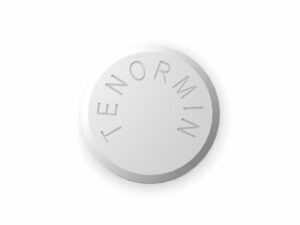


Nebivolol (Nebivolol) – Patient Information for Australia
Nebivolol is a prescription beta-blocker medicine used to treat certain cardiovascular conditions, most commonly high blood pressure (hypertension) and, in some people, heart failure. It works by slowing the heart and helping blood vessels relax, which can improve blood flow and reduce the heart’s workload.
This page explains how nebivolol works, what it’s used for, how to take it safely, potential side effects and interactions, and what to expect in everyday use. Information is written in a patient-friendly way for people in Australia.
Quick Facts
- Generic name: Nebivolol
- Medicine type: Beta-blocker (selective) with additional blood vessel effects
- Common uses: High blood pressure; certain types of chronic heart failure
- Typical dosing: Once daily for most uses (exact dose depends on your condition and your doctor’s plan)
- Key benefits: Helps lower blood pressure and reduce strain on the heart
- Important cautions: Can cause dizziness, slow heart rate, and may not be suitable for some heart rhythm problems or severe asthma/COPD
Basic Product Information
| Category | Details |
|---|---|
| Active ingredient | Nebivolol |
| Medicine class | Beta-1 selective blocker (cardioselective) with nitric oxide–mediated vasodilation |
| How it’s usually taken | By mouth, typically once daily |
| Common strengths | Varies by brand (available as tablets in different dose strengths) |
| How soon it may start working | Some blood pressure effects may be seen within days; full benefit often takes several weeks |
Note: Brand names and strengths can vary. Always follow the dosing written on your medication label.
How Nebivolol Works (Mechanism of Action)
Nebivolol belongs to the beta-blocker group. It primarily blocks beta-1 receptors in the heart, which can:
- Slow the heart rate and reduce the force of contraction
- Lower the heart’s oxygen demand
- Reduce blood pressure by decreasing cardiac output and other downstream effects
In addition, nebivolol has a unique property: it helps blood vessels relax through effects involving nitric oxide. This vasodilating action can contribute to improved circulation and may help reduce blood pressure with less impact on peripheral blood flow compared with some other beta-blockers.
Pharmacokinetics (How the Body Handles Nebivolol)
Pharmacokinetics describes how the body absorbs, distributes, metabolises, and excretes a medicine.
- Absorption: Nebivolol is absorbed after oral administration. Taking it consistently at the same time each day helps maintain steady levels.
- Metabolism: Nebivolol is metabolised in the liver, partly via CYP2D6. People can have different genetic CYP2D6 activity (fast vs slow metabolisers), which can affect exposure.
- Distribution: It distributes throughout the body and reaches target tissues such as the heart.
- Elimination: The metabolites are eliminated mainly via urine and bile pathways.
- Half-life: Nebivolol has variable half-life depending on metabolic status, which is one reason why once-daily dosing is commonly used while still providing sustained effect.
Practical takeaway: If you take other medicines that strongly affect liver enzymes (particularly CYP2D6), nebivolol levels may change. This is important for safety and side effect control.
What Nebivolol Is Used For (Indications)
Nebivolol is used in Australia for conditions such as:
- Hypertension (high blood pressure): to reduce blood pressure and lower the risk of cardiovascular events over time.
- Chronic heart failure (in appropriate patients): typically as add-on treatment in stable heart failure where a beta-blocker is recommended as part of long-term management.
Use may vary by individual health history. Your clinician will choose therapy based on your diagnosis, symptoms, blood pressure, heart rate, and other conditions/medicines.
Dosing and Timing
Always follow the dose prescribed for you. The information below is general and may not match every individual plan.
Typical dosing (general overview)
- High blood pressure: commonly once daily. Doses may be started low and adjusted based on response (blood pressure readings) and tolerability (especially heart rate and dizziness).
- Chronic heart failure: often started at a low dose and titrated slowly upward at regular intervals, depending on symptoms, blood pressure, and heart rate.
When to take it
- Once daily: many people take nebivolol at the same time each day.
- Morning or evening: either may be suitable. If it makes you feel dizzy, you may find it better taken in the evening—discuss with your pharmacist/doctor if you need to change timing.
- Consistency matters: keep daily timing steady to help maintain smooth symptom and blood pressure control.
If you miss a dose
- If you remember soon after, take it if it’s close to your normal time.
- If it is near the time for the next dose, skip the missed dose.
- Do not double up to make up for the missed tablet.
If you are unsure, ask a pharmacist for advice based on your exact schedule.
Food Interactions and Taking Nebivolol With Meals
Nebivolol can generally be taken with or without food. However, food may influence how quickly some people absorb the medicine.
- For easier routine: choose either morning with breakfast or evening with dinner and stick with it.
- If you experience nausea or stomach discomfort: taking with food may help.
Practical tip: Keep the way you take it (with/without food) consistent each day unless your pharmacist advises changes.
Alcohol and Medicine Interactions
Alcohol
Alcohol can lower blood pressure and worsen dizziness or light-headedness, especially when combined with blood pressure–lowering medicines like nebivolol.
- It may increase the chance of fainting or falls.
- It may make you feel more tired or sluggish.
If you drink alcohol, consider reducing the amount and avoid drinking to the point where you feel unwell or dizzy. If you have heart failure or low blood pressure, speak with your clinician about safe limits.
Medicine interactions (important)
Some medicines can increase or decrease nebivolol effects or raise the risk of side effects.
- Other blood pressure–lowering medicines (e.g., some antihypertensives): may increase risk of low blood pressure.
- Other heart rate–lowering medicines (e.g., certain calcium channel blockers like verapamil/diltiazem, or antiarrhythmics): can lead to excessive slowing of the heart rate and possible rhythm issues.
- Medicines affecting CYP2D6 (e.g., some antidepressants, antipsychotics, and other CYP2D6 inhibitors): may increase nebivolol levels, raising the risk of bradycardia (slow heart rate) and dizziness.
- Anti-inflammatory pain medicines (NSAIDs): may reduce the blood pressure–lowering effect for some people (evidence varies); monitor blood pressure when starting or stopping.
- Clonidine: if stopping clonidine, beta-blockers require careful management to avoid rebound effects; consult your clinician if you plan to stop either medicine.
- Diabetes medicines: beta-blockers can mask some symptoms of low blood sugar (like fast heartbeat); this is especially relevant for people taking insulin or sulfonylureas.
Always check: Tell your pharmacist about all medicines you use, including over-the-counter products, vitamins, herbal supplements, and cough/cold remedies.
Safety Profile and Side Effects
Most people tolerate nebivolol well, but like all medicines it can cause side effects. Some effects relate to its heart-rate–lowering and blood pressure–lowering actions.
Common side effects
- Dizziness or light-headedness (often when starting or increasing dose)
- Headache
- Tiredness or fatigue
- Slow heart rate (bradycardia)
- Low blood pressure symptoms, such as feeling faint
Less common but important side effects
- Worsening shortness of breath or wheezing in people with asthma or certain lung conditions
- Swelling of ankles/legs or changes in fluid balance (may occur in some heart conditions)
- Sleep disturbances or unusual dreams
- Nausea or stomach discomfort
Seek urgent medical help if
- You faint or nearly faint
- You have severe dizziness, chest pain, or worsening breathlessness
- Your heart rate becomes very slow, you feel weak, confused, or you experience palpitations with feeling unwell
- Signs of an allergic reaction occur (swelling of face/lips, rash, difficulty breathing)
Who should be extra careful
- People with asthma or severe chronic obstructive pulmonary disease (COPD): even though nebivolol is beta-1 selective, caution is still needed.
- People with certain heart conduction problems (e.g., heart block) or very slow resting heart rate.
- People with diabetes: symptoms of low blood sugar may be less noticeable.
- Pregnancy and breastfeeding: safety depends on your individual situation—discuss with your clinician.
- Older adults: starting doses may need to be lower and increases slower to avoid dizziness or falls.
Practical Use Tips for Everyday Life
- Check your pulse and blood pressure: especially when starting or adjusting dose. If you have a home monitor, track readings as advised.
- Stand up slowly: to reduce dizziness—especially after lying down or sitting.
- Don’t stop suddenly: beta-blockers should generally be reduced gradually under medical supervision to avoid rebound effects such as increased heart rate or blood pressure.
- Keep a routine: taking it at the same time daily helps adherence and consistent effect.
- Watch for “over-beta-blocking” symptoms: severe tiredness, pronounced dizziness, or unusually slow heart rate should be reported promptly.
- Carry a medication list: include nebivolol and other heart medicines, especially if you visit emergency care.
Recent Guidance and Clinical Considerations in Australia
Clinical practice guidelines in Australia for hypertension and heart failure generally emphasise:
- Long-term cardiovascular risk reduction through evidence-based medicine use, lifestyle measures, and ongoing monitoring.
- For heart failure: beta-blockers (chosen by evidence and patient suitability) are often recommended as part of guideline-based therapy, typically with careful titration from low doses.
- For hypertension: treatment is usually tailored based on overall risk, age, kidney function, and other comorbidities, with combination therapy often used when needed.
Monitoring matters: Clinicians commonly check blood pressure, heart rate, symptoms, and (where relevant) kidney function and electrolytes as therapy is adjusted. If you are newly started on nebivolol or your dose is changing, extra attention to dizziness and pulse is recommended.
Important: Guidance may evolve. Your pharmacist or doctor can advise based on the most current local resources and your personal medical history.
Alternative Options
If nebivolol is not suitable or doesn’t provide enough control, there may be other medicine options. The “best” alternative depends on why you’re taking nebivolol and your health profile.
For high blood pressure
- ACE inhibitors or ARBs (often used alone or in combination)
- Calcium channel blockers
- Thiazide-like diuretics
- Other beta-blockers in specific scenarios
For chronic heart failure
- Other evidence-based beta-blockers (choice depends on local guideline recommendations and patient characteristics)
- Other heart failure medicines may also be considered depending on your type of heart failure and symptoms
Discuss alternatives early: If you experience troublesome side effects, don’t stop the medicine on your own. Ask a pharmacist or doctor about adjustment or switching strategies.
Market and Legal Context for Australia
In Australia, medicines like nebivolol are supplied under the appropriate regulatory frameworks through licensed pharmacies. Availability and prescribing/dispensing processes are designed to ensure safe use and appropriate monitoring.
- Pharmacy supply: Nebivolol is typically obtained through community pharmacies.
- Safety requirements: Health professionals may review dose appropriateness, interactions, and monitoring needs.
- Ongoing review: People taking cardiovascular medicines often have regular follow-ups to assess effectiveness and tolerability.
If you have questions about eligibility for subsidised medicines or how reimbursement works, speak with your pharmacist or review Australian medicines and subsidy information through official channels.
Delivery and Availability (Online Pharmacy Considerations)
When ordered online in Australia, delivery and stock availability depend on the pharmacy’s processes and the specific product strength/brand.
- In-stock items: many pharmacies can dispatch quickly for commonly stocked strengths.
- Backorders: if a specific strength is unavailable, some pharmacies may contact you for an alternative option.
- Packaging: medicines are usually shipped in secure packaging with appropriate labelling.
- Temperature: most tablet formulations have standard ambient storage requirements—follow the label instructions.
Tip: Ensure you provide correct delivery details and keep an eye on tracking updates if offered.
FAQ – Frequently Asked Questions
1) How long does it take for nebivolol to work?
Some blood pressure lowering may be noticed within days. Full benefits for blood pressure control often take several weeks. For heart failure, improvement and stabilisation typically occur gradually, especially as the dose is titrated.
2) Will nebivolol lower my heart rate?
Yes. Nebivolol slows the heart rate as part of its action. Your clinician may monitor your pulse, especially during the first weeks or after dose increases. If you feel very weak, dizzy, or notice your pulse is extremely slow, contact a healthcare professional promptly.
3) Can I take nebivolol with food?
Usually, yes. You can often take it with or without food. Choose a routine that suits you, such as taking it with breakfast or dinner, and try to stay consistent.
4) What should I do if I feel dizzy?
- Check if your blood pressure is low or your pulse is very slow.
- Stand up slowly and avoid sudden movements.
- If dizziness is persistent, severe, or you feel like you might faint, seek advice from a pharmacist or clinician.
5) Is it safe to drink alcohol while taking nebivolol?
Alcohol may increase dizziness or lower blood pressure further. If you drink, consider moderation and avoid alcohol when you’re feeling unwell or light-headed. People with heart failure should ask their clinician about safe alcohol use.
6) Can nebivolol interact with other medicines?
Yes. Some medicines can affect heart rate or blood pressure further, and some can change nebivolol levels (notably through CYP2D6 interactions). Always tell your pharmacist about all medicines and supplements you use.
7) Should I stop nebivolol suddenly?
Generally, you should not stop beta-blockers suddenly without medical advice. Stopping abruptly may cause rebound symptoms such as fast heart rate or increased blood pressure. Dose changes should be planned.
8) What if I miss a dose?
If you miss a dose, take it when you remember if it’s close to the usual time. If it’s almost time for the next dose, skip the missed dose. Do not double up.
9) Is nebivolol suitable for people with asthma?
Nebivolol is more beta-1 selective than non-selective beta-blockers, but caution is still important. People with asthma should discuss their lung condition before starting or changing beta-blocker therapy.
10) What are “red flag” symptoms?
Seek urgent help if you faint, have severe chest pain, severe breathlessness, signs of an allergic reaction, or symptoms suggesting an unsafe heart rate (e.g., marked weakness/confusion with very slow pulse).
Summary
Nebivolol is a beta-blocker used in Australia to manage conditions such as hypertension and chronic heart failure. It reduces strain on the heart by slowing heart rate and supports blood vessel relaxation, helping lower blood pressure and improve cardiovascular outcomes.
For best results, take nebivolol consistently once daily, be mindful of dizziness and slow heart rate, and avoid abrupt stopping. If you notice troubling side effects or symptoms like fainting or severe breathlessness, seek urgent medical advice. Always review potential interactions with your pharmacist—especially when starting new medicines or supplements.