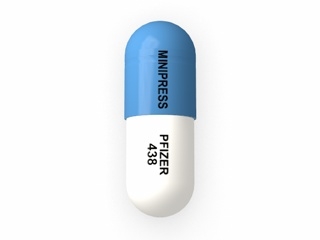

Minipress (Prazosin) – Patient Information (Australia)
Minipress contains the active ingredient prazosin. It is a medicine used to treat certain conditions that involve increased blood pressure and (in some cases) the symptoms of post-traumatic stress disorder (PTSD). This guide explains how Minipress works, how it is usually taken, key safety information, and practical tips to help you use it confidently.
Note: Always follow the directions provided for you. If anything in this guide doesn’t match how you’ve been told to take Minipress, follow your clinician’s instructions.
Quick overview
- Medicine: Minipress (prazosin)
- Common uses: High blood pressure; PTSD-related symptoms (as advised by your healthcare professional)
- How it works: Relaxes blood vessels by blocking alpha-1 receptors
- Key caution: Possible “first-dose” dizziness/fainting due to a drop in blood pressure
- Monitoring: Blood pressure, especially when starting or changing dose
Basic product information
| Feature | Details |
|---|---|
| Active ingredient | Prazosin |
| Medicine group | Alpha-1 adrenergic receptor blocker (alpha-blocker) |
| Typical forms | Tablets (strengths vary by product availability) |
| Prescription status | In Australia, Minipress is a prescription medicine |
How Minipress works (mechanism of action)
Prazosin belongs to a class of medicines called alpha-1 blockers. Alpha-1 receptors are found mainly in the smooth muscle of blood vessel walls.
- By blocking alpha-1 receptors, prazosin relaxes blood vessels.
- This leads to lower resistance to blood flow, which helps reduce blood pressure.
- In some people, it may also help relieve symptoms associated with PTSD-related increased adrenergic activity, particularly by reducing certain “fight-or-flight” effects.
Important: Because prazosin can cause blood pressure to drop, some people experience dizziness—especially at the start of treatment or after a dose increase.
Pharmacokinetics (how your body processes prazosin)
Pharmacokinetics describes absorption, distribution, metabolism, and elimination.
- Absorption: Prazosin is absorbed after oral dosing. Peak effects may occur within a few hours, with blood pressure effects developing soon after.
- Distribution: It spreads through body tissues and can bind to proteins in blood.
- Metabolism: Prazosin is metabolised by the liver.
- Elimination: Metabolites are cleared mainly via the kidneys and biliary pathways.
- Half-life: The duration of clinical effect may be several hours; dosing is usually tailored to your condition and response.
Individual response can vary due to age, liver/kidney function, other medications, hydration status, and how quickly your body adapts to blood pressure changes.
Typical uses and indications
1) High blood pressure (hypertension)
Minipress is used to treat hypertension. It may be used alone or combined with other blood pressure medicines, depending on your overall cardiovascular risk and response.
2) PTSD-related symptoms
In Australia, prazosin is sometimes used as part of management for PTSD symptoms, particularly night-time symptoms such as distressing dreams and sleep disturbance. Use for PTSD should be guided by current clinical recommendations and your healthcare professional’s assessment.
Other off-label considerations: Some alpha-blockers are used for other conditions (for example urinary symptoms). However, the most appropriate uses for prazosin depend on your diagnosis and your clinician’s guidance.
Dosing – what “typical” looks like
Dose varies by condition, your blood pressure, and how you tolerate the medicine. Your clinician will usually start with a low dose and increase gradually to reduce the risk of side effects.
Hypertension (high blood pressure)
- Starting dose: Often started low.
- Titration: Dose may be adjusted every few days to weeks depending on response and side effects.
- Maximum daily dose: Typically limited by product guidance and clinical judgement.
PTSD-related symptoms (as advised)
- Starting dose: Often low and taken at night to reduce dizziness.
- Adjustment: Increased gradually based on symptom control and tolerance (particularly blood pressure).
Key practical point: Many prescribers use a cautious approach—especially during the first few days—to reduce the chance of a “first-dose effect”.
Timing and how to take Minipress
- Take consistently: Try to take your dose at the same time each day.
- First dose / dose changes: Take at bedtime when starting or when the dose is increased, unless your clinician instructs otherwise.
- With or without food: Prazosin can be taken with or without food, but taking it the same way each day may help maintain stable routine.
- Swallow whole (if tablets): Follow the tablet instructions on the packaging.
What to expect: You may notice reduced blood pressure and sometimes improved symptoms within days, but full benefit can take longer. Continue taking it as directed even if you feel well.
Food interactions
Food interactions with prazosin are generally not considered a major issue. However:
- Consistency helps: Taking your dose in a similar routine each day can reduce fluctuations in how you feel.
- Hydration matters: If you are dehydrated (for example due to vomiting, diarrhoea, or heat), your blood pressure may drop more easily.
If you experience dizziness or light-headedness after dosing, consider discussing whether dose timing or titration should be adjusted.
Alcohol and medicine interactions
Alcohol
- Alcohol can increase dizziness by further lowering blood pressure and by affecting balance and alertness.
- For your safety, it is generally best to limit alcohol or avoid it, especially when you first start Minipress or after dose increases.
Common medicine interactions
Interactions may occur when combined medicines also lower blood pressure or affect the heart and circulation.
- Other blood pressure-lowering medicines (antihypertensives): may enhance blood pressure-lowering effect.
- Nitrates (for angina): can add to blood pressure lowering.
- Phosphodiesterase-5 inhibitors used for erectile dysfunction (e.g., sildenafil, tadalafil, vardenafil): may significantly increase risk of low blood pressure in some people, particularly with initial dosing. Discuss timing and safety with your clinician.
- Other alpha-blockers: combining can further lower blood pressure.
- Certain medicines that affect liver enzymes: may alter prazosin metabolism in some individuals.
Always tell your pharmacist about all medicines and supplements you take, including “as needed” products and herbal preparations.
Safety profile and side effects
Most people tolerate prazosin reasonably well, especially when dosing is started low and increased gradually. However, like all medicines, prazosin can cause side effects.
Common side effects
- Dizziness (especially after the first dose or dose increases)
- Light-headedness
- Headache
- Feeling tired
- Nausea or stomach discomfort
Serious but less common risks
- “First-dose” or postural hypotension: A noticeable drop in blood pressure that can lead to fainting (syncope). This is the most important early risk.
- Severe dizziness or collapse: Seek urgent medical help if you faint or have ongoing severe symptoms.
- Palpitations or chest discomfort: Report promptly to a clinician.
When to seek urgent help
Contact emergency services or seek urgent medical attention if you experience:
- Fainting or near-fainting that does not settle
- Severe dizziness with inability to stand
- Chest pain, severe shortness of breath, or signs of stroke
Driving and operating machinery
- If you feel dizzy, avoid driving and dangerous activities until you know how Minipress affects you.
- The risk is usually highest at the start of treatment or after a dose increase.
Practical use tips (to reduce side effects)
- Take the first dose at night: This reduces the risk of fainting while standing or walking.
- Rise slowly: Move gradually from lying to sitting to standing.
- Hydrate: Maintain adequate fluid intake unless you’ve been advised to restrict fluids.
- Plan around dose changes: On the first day of a new dose, avoid alcohol and avoid standing for long periods.
- Monitor your blood pressure if advised: Home blood pressure monitoring can help your clinician adjust treatment safely.
- Don’t stop suddenly: If you need to change or stop Minipress, discuss the plan with your clinician.
Missed dose: If you miss a dose, take it when you remember unless it’s close to the next dose. Do not double the dose. If you have missed several doses, contact your clinician/pharmacist before restarting because re-initiation may require a cautious approach.
Special populations
Older adults
- Older people may be more sensitive to blood pressure changes, increasing dizziness risk.
- Clinicians often start at the lowest practical dose and titrate slowly.
Liver or kidney impairment
- Because prazosin is metabolised by the liver and cleared partly by the kidneys, reduced organ function may require caution and dose adjustment.
- Tell your pharmacist if you have any liver or kidney conditions.
Pregnancy and breastfeeding
If you are pregnant, planning pregnancy, or breastfeeding, discuss prazosin with your clinician. The appropriateness depends on the condition being treated and available alternatives.
Alternative options
Depending on what you’re treating (hypertension vs PTSD symptoms), alternative medications may be considered.
For high blood pressure
- Other antihypertensive classes such as ACE inhibitors, angiotensin receptor blockers (ARBs), calcium channel blockers, and thiazide-type diuretics
- Alpha-blockers may be considered in specific cases, depending on your overall health and response
For PTSD-related symptoms
- Psychological therapies (such as trauma-focused therapy) are often core treatments
- Other medicines may be used depending on symptom profile (your clinician can advise what is suitable)
Important: Alternatives should be selected based on your medical history, other medications, and treatment goals.
Market and legal context for Australia
In Australia, Minipress (prazosin) is regulated as a prescription medicine. This helps ensure safe use, appropriate dosing, and monitoring—especially because prazosin can cause early blood pressure drops.
When using any online pharmacy service, look for:
- Accredited dispensing/pharmacy practices
- Clear identification of the active ingredient and strength
- Product availability and shipping terms
- Pharmacist support or a clinically appropriate contact process
Always choose legitimate sources to reduce the risk of counterfeit or incorrect-strength products.
Recent guidance and clinical considerations
Clinical practice for prazosin may evolve as new evidence emerges for PTSD-related symptoms and as treatment guidelines are updated. Key current principles that generally apply include:
- Start low, go slow: gradual titration to reduce dizziness and fainting risk
- Close monitoring: blood pressure checks, particularly early in treatment
- Individualised care: selection and dose adjustments based on response and tolerability
- Safety with interacting medicines: careful planning when combined with other blood pressure-lowering medicines or PDE-5 inhibitors
If you have questions about how Minipress fits your treatment plan, discuss them with your healthcare professional.
Delivery and availability (online pharmacy)
Availability of Minipress can vary depending on supply and tablet strength. When ordering online, check:
- Tablet strength and quantity listed on the website
- Estimated delivery time for your state/region
- Packaging and cold-chain requirements (most tablets do not require cold storage, but always follow product instructions)
- Delivery service details (signature requirements may apply)
Tip: If you take Minipress regularly, consider placing orders early enough to avoid running out—especially before planned dose adjustments.
FAQ – Minipress (Prazosin)
1) Why do I feel dizzy after the first dose?
Prazosin can cause an initial drop in blood pressure (often called the “first-dose effect”), particularly when standing. Taking the first dose at bedtime and starting with a low dose helps reduce this risk.
2) Will Minipress make me sleepy?
Some people feel tired or light-headed. If you notice sleepiness or dizziness, avoid driving or machinery and talk to your pharmacist or clinician if it’s affecting your daily life.
3) How quickly does Minipress work?
For blood pressure, effects may be noticed within days, while ongoing dose titration may be required. For PTSD-related symptoms, improvements can vary—some people notice changes in night-time symptoms sooner, while others may need weeks.
4) Can I take Minipress with food?
It can generally be taken with or without food. Choose a routine that fits your day and remain consistent. If food seems to worsen nausea or stomach discomfort, consider taking it with a light meal and discuss with your pharmacist.
5) Is it safe to drink alcohol while taking Minipress?
Alcohol can worsen dizziness and further lower blood pressure. Limiting or avoiding alcohol—especially at the beginning and after dose increases—is usually safer.
6) What should I avoid with Minipress?
Avoid activities that require alertness if you feel dizzy. Also be cautious when combining with other medicines that lower blood pressure or those used for erectile dysfunction (PDE-5 inhibitors) without discussing safety.
7) What if I miss a dose?
Take it when you remember unless it’s close to the next dose—don’t double. If you’ve missed several doses, contact your clinician or pharmacist before restarting because you may need a re-titration approach.
8) Can I stop Minipress suddenly?
Do not stop without medical advice. If you need to discontinue, your clinician can guide you on the safest plan.
9) Are there alternatives if prazosin doesn’t suit me?
Yes. Alternatives depend on your condition. For blood pressure, other antihypertensive medicines may be used. For PTSD symptoms, clinicians may suggest different options, including psychological therapy and/or other medications.
10) How can I reduce the risk of fainting?
- Take doses as directed, especially the first dose at bedtime
- Stand up slowly
- Stay hydrated
- Avoid alcohol when starting or changing dose
Summary
Minipress (prazosin) is an alpha-1 blocker used for high blood pressure and, in some cases, PTSD-related symptoms. It lowers blood pressure by relaxing blood vessels. The most important safety issue is the potential for dizziness or fainting early in treatment or after dose increases. By starting at a low dose, taking the first dose at night, and being mindful of interactions—particularly alcohol and other blood pressure-lowering medicines—many people can use Minipress safely and effectively.
If you are unsure about your dose schedule, interactions, or side effects, speak with a pharmacist or healthcare professional before making changes.