

Hydrochlorothiazide (HCTZ) — Patient Guide (Australia)
Hydrochlorothiazide is a commonly used medicine for certain fluid balance and blood pressure conditions. It belongs to a group of medicines called thiazide diuretics (“water tablets”). Many people use hydrochlorothiazide for years as part of a long-term treatment plan.
This page provides patient-friendly information about how hydrochlorothiazide works, when it’s taken, food and alcohol considerations, common side effects, and practical tips for safer use in Australia.
Basic product information
| Category | Details |
|---|---|
| Medicine name | Hydrochlorothiazide (HCTZ) |
| Medicinal class | Thiazide diuretic (“water tablet”) |
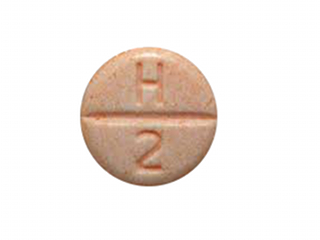
| Common forms | Tablets (strengths vary by brand/product) |
| Common uses | High blood pressure; fluid retention (oedema) due to selected conditions |
| Also found in | Some combination products (e.g., with other blood pressure medicines) |
Brand names and pack sizes vary across Australia. Always check your specific product label for strength (e.g., 12.5 mg, 25 mg, 50 mg, etc.).
How hydrochlorothiazide works (mechanism of action)
Hydrochlorothiazide acts on the kidneys. It helps the body remove extra salt (sodium) and water from the bloodstream by increasing urine production. More specifically, it blocks sodium reabsorption in the distal convoluted tubule of the kidney.
- Diuretic effect: increases the amount of urine you pass.
- Blood pressure lowering: over time, reduced fluid volume and changes in vascular tone help lower blood pressure.
- Electrolyte changes: it may lower potassium and sodium levels and can affect magnesium and calcium handling.
Not everyone feels an immediate “water tablet” effect. For many people, the blood pressure benefits build gradually over days to weeks.
Pharmacokinetics (how the body handles the medicine)
Pharmacokinetics describes what the body does to the medicine—absorption, distribution, metabolism, and elimination. While exact parameters vary among individuals, the following are helpful general expectations:
- Absorption: hydrochlorothiazide is absorbed from the gut after taking by mouth.
- Onset: a diuretic effect often starts within a few hours.
- Duration: the effect can last for much of the day; the degree varies by dose and individual kidney function.
- Distribution: it distributes throughout the body, with the main action in the kidneys.
- Metabolism: it is not extensively metabolised.
- Elimination: hydrochlorothiazide is primarily excreted by the kidneys.
Because elimination depends on kidney function, your clinician may monitor kidney blood tests and adjust treatment if needed.
What hydrochlorothiazide is used for (indications)
Hydrochlorothiazide is used to treat:
- Hypertension (high blood pressure): as monotherapy or as part of combination treatment.
- Oedema (fluid retention): associated with selected medical conditions (your clinician will confirm the specific cause and rationale).
In practice, some people start hydrochlorothiazide for blood pressure and others for fluid retention. In both cases, it’s important to follow monitoring recommendations, particularly for electrolytes and kidney function.
When to take hydrochlorothiazide (timing)
Many people take hydrochlorothiazide in the morning to reduce the chance of needing to urinate overnight. Your label or clinician’s advice may differ based on your situation, but morning dosing is common.
- Typical approach: take it earlier in the day.
- Missed dose: if you miss a dose, take it when you remember unless it’s close to the next dose. If it’s close, skip the missed dose and continue as normal.
- Do not double up: avoid taking extra tablets to “catch up” unless advised.
If nocturia (waking to pass urine) becomes an issue, speak with your pharmacist or clinician. Sometimes timing adjustments help.
Dosing (general guidance)
Dosing is individual and depends on the reason for treatment, your blood pressure, kidney function, age, and other medicines. The exact dose and schedule should always come from your healthcare professional and/or the product instructions you were given.
General considerations:
- Starting dose: often begins low, then may be adjusted.
- Maintenance dose: the lowest effective dose is commonly targeted.
- Combination therapy: if used with other blood pressure medicines, the dose may be different than when used alone.
Always check your tablet strength. If you are unsure, consult your pharmacist rather than estimating.
Food and drink interactions (including sodium and potassium)
Hydrochlorothiazide doesn’t have a strict “must take with food” rule for many people; however, taking it consistently the same way each day can help you build a routine.
Food considerations
- Sodium (salt): your clinician may advise moderating salt intake for blood pressure control. Very high salt intake can reduce effectiveness.
- Potassium intake: hydrochlorothiazide can lower blood potassium in some people. If your blood tests show low potassium, your clinician may suggest dietary adjustments or supplements.
- Calcium and vitamin D: thiazides can increase calcium levels in some users, which may be relevant if you take calcium supplements.
Hydration
- Stay adequately hydrated unless your clinician has restricted fluids.
- If you become dehydrated (e.g., vomiting/diarrhoea), you may be at higher risk of dizziness or kidney-related side effects—seek advice promptly.
Tip: A balanced diet rich in fruit and vegetables can support overall electrolyte balance—yet changes should align with your blood test results and medical advice.
Alcohol and medicine interactions
Alcohol can affect blood pressure and may worsen light-headedness, especially when combined with diuretics and other antihypertensive medicines.
- Dizziness risk: alcohol may increase the chance of feeling faint when standing.
- Dehydration: heavy alcohol intake can worsen fluid imbalance.
- Safety: limit alcohol and avoid sudden changes in position if you feel unwell.
Other medicines commonly interacting with hydrochlorothiazide
Interactions depend on your specific medicines. Tell your pharmacist about all treatments you use, including over-the-counter products and supplements.
- Non-steroidal anti-inflammatory drugs (NSAIDs) (e.g., ibuprofen, naproxen, diclofenac): may reduce the blood pressure effect and can affect kidney function, especially in people at risk.
- Other blood pressure medicines (ACE inhibitors, ARBs, beta-blockers, calcium-channel blockers, etc.): may add to blood pressure lowering; your clinician may monitor you closely at first.
- Digoxin: low potassium increases risk of digoxin toxicity.
- Lithium: thiazides may increase lithium levels—this requires careful monitoring.
- Diabetes medicines (insulin or tablets): hydrochlorothiazide may slightly raise blood glucose in some people; monitoring may be needed.
- Gout medicines / uric acid effects: hydrochlorothiazide can raise uric acid and may trigger gout in susceptible people.
- Potassium-related medicines: if you’re taking potassium supplements or potassium-sparing diuretics, monitoring is still essential to avoid imbalances.
- Cholestyramine/colestipol (some cholesterol medicines): may reduce absorption of hydrochlorothiazide if taken at the same time; spacing may be advised.
If you have multiple medicines, ask your pharmacist to check for interactions with hydrochlorothiazide and to advise the best timing schedule.
Safety profile: side effects and what to watch for
Like all medicines, hydrochlorothiazide can cause side effects. Many are mild and manageable, but some require urgent attention. Your clinician may perform periodic blood tests to monitor electrolytes and kidney function.
Common or relatively frequent side effects
- Increased urination (especially early in treatment)
- Dizziness or light-headedness
- Headache
- Muscle cramps or weakness
- Low blood pressure (particularly when standing up)
- Electrolyte changes such as low potassium or low sodium
Less common but important effects
- Uric acid increase, potentially triggering gout
- Changes in blood sugar (may matter for people with diabetes)
- Increased sensitivity to sunlight (sunburn risk)
- Rash or allergic reactions (report promptly)
Seek urgent medical help if you notice
- Severe or persistent dizziness, fainting, or signs of severe low blood pressure
- Signs of dangerous electrolyte imbalance, such as severe weakness, confusion, muscle spasms, or irregular heartbeat
- Severe dehydration (e.g., ongoing vomiting/diarrhoea, inability to keep fluids down)
- Allergic symptoms such as facial swelling, trouble breathing, or widespread rash
- Marked reduction in urination or worsening kidney-related symptoms
If you’re unsure whether symptoms are serious, it’s always reasonable to contact your healthcare provider or call local medical support services for advice.
Practical use tips for everyday life
- Take it consistently: choose a routine (commonly morning) and stick to it.
- Monitor how you feel: watch for dizziness when standing; rise slowly from sitting or lying positions.
- Keep appointments for blood tests: electrolytes (sodium, potassium) and kidney function are commonly monitored.
- Be mindful with hot weather: higher heat increases dehydration risk—hydrate appropriately if allowed for your condition.
- Sun protection: consider using SPF and protective clothing if you notice increased sun sensitivity.
- Report gout symptoms early: joint pain, redness, and swelling can be addressed sooner if you communicate promptly.
- Maintain diet awareness: don’t start or stop potassium supplements without advice—too much can also be harmful.
- Medication list: keep a list of all medicines and supplements and show it to your pharmacist during reviews.
Alternative options (if hydrochlorothiazide is not suitable)
There are several other treatment options for high blood pressure and fluid retention. The “best” choice depends on your health history, blood pressure goals, kidney function, and tolerability.
Common alternative classes for blood pressure
- ACE inhibitors (e.g., enalapril, lisinopril)
- ARBs (e.g., losartan, valsartan)
- Calcium channel blockers (e.g., amlodipine)
- Beta-blockers (e.g., bisoprolol)
- Thiazide-like diuretics (e.g., indapamide)
- Loop diuretics (e.g., furosemide) for selected fluid-retention situations
If you experience side effects or your blood tests are abnormal, clinicians may:
- adjust the dose,
- switch to another diuretic, or
- change to a different combination of blood pressure medicines.
Do not stop hydrochlorothiazide suddenly without advice, particularly if it’s part of a longer-term cardiovascular plan.
Market and legal context for Australia
In Australia, medicines are regulated under the Australian Register of Therapeutic Goods (ARTG) and distributed in line with state and federal requirements. Depending on the formulation and strength, hydrochlorothiazide may be available as part of prescription-only therapy and/or under pharmacy supply arrangements.
Pharmacy services: A registered pharmacy can provide product information, check for interactions, and advise on safe use. Availability may differ by brand and strength.
For personalised advice, talk with your pharmacist—especially if you have kidney disease, diabetes, gout, or take multiple medicines.
Recent guidance and monitoring (what to expect)
While guidance can evolve over time, key themes in diuretic use and cardiovascular risk management generally include:
- Regular monitoring: electrolytes (sodium, potassium) and kidney function are commonly checked after starting or changing dose.
- Blood pressure targets: clinicians tailor goals to age, comorbidities, and overall cardiovascular risk.
- Electrolyte safety: attention to potassium and sodium levels is particularly important, especially in older adults or those with kidney impairment.
- Gout and glucose awareness: thiazides can affect uric acid and blood glucose, so clinicians often take a proactive approach in at-risk patients.
If you’ve recently started hydrochlorothiazide or had a dose change, it’s reasonable to ask when your next blood test is due and what symptoms should trigger earlier contact.
Delivery and availability in Australia
Hydrochlorothiazide is widely used, so it is commonly available through Australian pharmacies. Online pharmacies may offer:
- Home delivery: shipping to eligible Australian addresses, subject to product category and local rules.
- Order tracking: many providers provide tracking updates after dispatch.
- Substitution policies: if brands differ but the active ingredient and strength match, some services may supply equivalent products as allowed by regulations—always confirm with your pharmacy.
Availability can vary by pack size and strength. If a specific brand isn’t immediately available, your pharmacy may contact you with alternatives.
FAQ — Frequently asked questions
1) Is hydrochlorothiazide a “water tablet”?
Yes. Hydrochlorothiazide is a thiazide diuretic, which means it increases urine production and helps reduce excess fluid and lower blood pressure.
2) When will it start working?
The diuretic effect may start within a few hours. Blood pressure improvements often take longer and may be noticeable over days to weeks.
3) Can I take hydrochlorothiazide with food?
Many people can take it with or without food. Choose a routine that works for you and take it consistently. If your product label advises a specific approach, follow that.
4) Will hydrochlorothiazide make me urinate more?
Some people notice increased urination, particularly early in treatment or after dose changes. Taking it in the morning can help reduce nighttime disruption.
5) Does hydrochlorothiazide affect potassium?
It can lower potassium in some people. Your doctor may monitor blood potassium and suggest dietary changes or supplements if needed. Don’t add supplements without advice.
6) Can I drink alcohol while taking hydrochlorothiazide?
Alcohol may increase dizziness and affect blood pressure. If you drink, consider keeping it moderate and be cautious about getting up quickly. Seek advice if you experience faintness.
7) What if I miss a dose?
Take it when you remember unless it’s near your next dose. If it’s close, skip the missed dose and resume your usual schedule. Avoid doubling up.
8) Are there medicines I should avoid or be careful with?
Some medicines require extra caution, including NSAIDs, lithium, digoxin, and certain diabetes or gout-related treatments. Share your complete medicine list with your pharmacist for interaction checks.
9) Can hydrochlorothiazide trigger gout?
It can raise uric acid and may trigger gout in susceptible people. If you have a history of gout, discuss it with your clinician and report joint pain early.
10) What blood tests are usually monitored?
Clinicians often monitor kidney function and electrolytes such as sodium and potassium, particularly soon after starting or changing dose. Monitoring frequency varies by individual risk factors.
Key takeaways
- Hydrochlorothiazide is a thiazide diuretic used for high blood pressure and selected cases of fluid retention.
- It works by helping the kidneys remove salt and water, which can lower blood pressure.
- Common practical issues include increased urination and possible electrolyte changes (like low potassium).
- Consider taking it in the morning to reduce nighttime urination.
- Regular monitoring of kidney function and electrolytes improves safety.
- Tell your pharmacist about all medicines and supplements, and be mindful with alcohol and NSAIDs.
If you have concerns about side effects, interactions, or suitability for your condition, ask your pharmacist for guidance tailored to your health profile.