Uniphyl Cr (Theophylline) – Patient-Friendly Guide (Australia)
Uniphyl Cr is a brand of theophylline formulated as a controlled-release (CR) medicine. It is used to help manage certain breathing conditions by improving airflow and reducing symptoms such as wheeze, shortness of breath, and chest tightness. This guide explains how Uniphyl Cr works, how it is typically taken, key safety information, and practical tips to help you use it effectively.
Basic product information
- Medicine: Theophylline (controlled-release)
- Brand: Uniphyl Cr
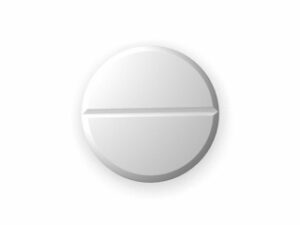
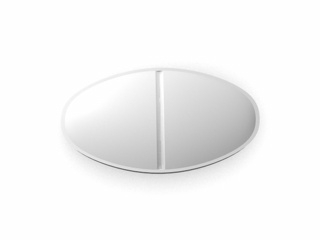
- Form: Controlled-release tablets/capsules (as supplied)
- Common use: Long-term symptom control in selected airway diseases
- Important note: Theophylline has a relatively narrow therapeutic range, so dosing and blood-level monitoring may be required for safety in some people.
How Uniphyl Cr works (mechanism of action)
Theophylline helps improve breathing by acting on the airway and other systems:
- Bronchodilation: It relaxes smooth muscle in the airways, helping reduce bronchospasm (wheezing).
- Anti-inflammatory effects: It can reduce certain inflammatory signals in the lungs, contributing to symptom control.
- Increases respiratory drive: It may enhance breathing efficiency in some patients.
Uniphyl Cr is designed to release theophylline more slowly, supporting steadier levels over time compared with immediate-release forms.
Pharmacokinetics (how the body handles it)
Understanding the “pharmacokinetics” helps explain why timing, consistent dosing, and interaction checks are so important with theophylline.
| Feature | What it means for you |
|---|---|
| Absorption | Controlled-release formulation aims for gradual absorption and longer duration. |
| Metabolism | Theophylline is mainly metabolised in the liver (commonly via CYP enzymes). Liver function and interacting medicines can strongly affect levels. |
| Elimination | Excretion occurs largely via the kidneys. Reduced clearance can increase the risk of side effects. |
| Therapeutic range | Too little may not control symptoms; too much can cause toxicity. Some patients may need blood-level checks. |
| Half-life | Half-life varies between individuals and can be prolonged by certain factors (e.g., smoking changes, some liver conditions, drug interactions). |
Typical uses (indications)
Uniphyl Cr may be used as an add-on medicine for long-term control of:
- Chronic obstructive pulmonary disease (COPD) in selected patients
- Asthma in selected patients where other controller treatments are not sufficient
It is generally not intended for immediate rescue of sudden breathing attacks. Your clinician will determine if theophylline is appropriate based on symptom control and your overall treatment plan.
When to take it (timing and how to use)
Because Uniphyl Cr is controlled-release, dosing schedules are designed to maintain steady levels. Always follow the dosing instructions provided with your product and the advice from your healthcare team.
General timing tips
- Take at consistent times daily to maintain stable levels.
- Swallow whole unless your product instructions specify otherwise.
- Do not crush or break controlled-release forms, as this can change how the medicine releases and may increase side effects risk.
- Use with water and follow any instructions about food and bedtime.
Night-time considerations
Some people experience stomach irritation or sleep disturbance with theophylline. If your dose is at night, your clinician may adjust timing or dose to reduce side effects.
Dosing overview
The correct dose depends on several factors, including age, body weight, smoking status, liver function, and interacting medicines. Because of the risk of toxicity at higher levels, dosing may start lower and be adjusted carefully.
Who may need extra caution with dosing
- Older adults
- People with liver impairment
- Those taking interacting medicines (see interaction section)
- People who smoke or have recently changed smoking habits
- People with heart rhythm problems
Missed dose
If you miss a dose, take it when you remember if it is close to the next scheduled dose. If it’s near the next dose, skip the missed one and continue your normal schedule. Avoid doubling doses. If you are unsure, ask your pharmacist for advice.
Overdose warning
If you have taken more than the prescribed amount, or someone else has swallowed your medicine accidentally, seek urgent medical help. Theophylline overdose can be serious.
Food interactions
Food can affect how theophylline is absorbed, and gastrointestinal tolerance can vary. In practice, many people take Uniphyl Cr with food if it causes stomach discomfort.
What to consider
- Take with or after food if you experience nausea, heartburn, or stomach irritation.
- Be consistent—try to use a similar timing in relation to meals each day.
- Avoid large swings in caffeine intake (coffee/tea/energy drinks), as it can increase the total stimulant effect.
Alcohol and medicine interactions
Alcohol can worsen reflux, stomach irritation, and sleep quality. It can also increase dehydration and affect liver metabolism, potentially changing theophylline levels in some people. For these reasons, moderation is recommended and you should discuss alcohol use with your healthcare professional.
Alcohol “practical guidance”
- If you drink alcohol, keep it moderate and avoid heavy binge drinking.
- Consider taking Uniphyl Cr with food if alcohol triggers reflux or nausea.
- Tell your clinician if your alcohol intake changes regularly.
Medicine interactions (very important with theophylline)
Theophylline is well known for interactions. Some medicines can increase blood theophylline levels (raising toxicity risk), while others can decrease levels (reducing benefit). Always review your full medicine list with your pharmacist or doctor, including:
Common categories that may affect theophylline levels
- Antibiotics: e.g., macrolides (such as clarithromycin), fluoroquinolones (varies by medicine) may raise levels.
- Antifungals: some agents (e.g., fluconazole, ketoconazole) may increase levels.
- Cardiac medicines: some drugs can affect heart rhythm and may increase risk when combined.
- Anti-seizure medicines: certain anticonvulsants may change theophylline metabolism.
- Gastrointestinal medicines: some agents may alter absorption or metabolism.
- Smoking-related changes: starting or stopping smoking can change theophylline levels—always inform your clinician if this occurs.
- Caffeine-containing products: coffee, tea, cola, and energy drinks may add to stimulant effects.
This is not a complete list. If you are prescribed a new medicine, check interactions before starting. If you want, tell us the names of your current medicines and we can help you identify questions to ask your pharmacist.
Safety profile and possible side effects
Many people tolerate theophylline well when doses are correct and interactions are managed. However, side effects can occur, particularly when levels are too high. If you experience concerning symptoms, seek medical advice promptly.
Common side effects
- Headache
- Nausea, vomiting
- Stomach discomfort, heartburn
- Tremor
- Restlessness, difficulty sleeping (insomnia)
- Palpitations (feeling of heartbeat changes)
Signs of possible toxicity (seek urgent help)
The following may indicate excessive theophylline levels. These symptoms can be serious:
- Persistent vomiting or severe stomach pain
- Severe agitation, confusion
- Fast or irregular heartbeat
- Seizures
- Marked worsening of tremor
If you suspect overdose or severe toxicity, contact emergency services or go to the nearest emergency department.
When to be extra cautious
- Heart rhythm problems or a history of palpitations
- Severe liver impairment
- Recent illness affecting hydration or appetite
- Changes in smoking habits
- Use of multiple interacting medicines
Practical use tips (getting the best results)
- Keep a consistent schedule: take at the same time(s) each day.
- Track symptoms: note changes in wheeze, shortness of breath, and nighttime symptoms.
- Use inhalers as directed: theophylline usually supports long-term control but does not replace rescue inhalers when needed.
- Avoid sudden caffeine boosts: large increases in coffee/tea/energy drinks can worsen side effects.
- Discuss blood-level monitoring: your clinician may recommend blood tests in certain situations.
- Don’t share medicine: dosing is individual.
- Tell healthcare staff: always mention theophylline when being treated for infections or other conditions.
Alternative options
Depending on your diagnosis (e.g., asthma or COPD), symptom severity, and existing therapy, clinicians may consider alternatives to theophylline. Options often include:
- Inhaled corticosteroids (commonly for asthma)
- Long-acting beta2 agonists (LABAs)
- Long-acting muscarinic antagonists (LAMAs) (often used for COPD)
- Leukotriene receptor antagonists (sometimes for asthma)
- Short-acting bronchodilators for rescue symptoms
- Other oral bronchodilators may be considered in specific cases
If you’re wondering whether Uniphyl Cr is right for you, talk with your healthcare professional. The “best” option depends on your symptoms, lung function, and current medicines.
Market and legal context for Australia
In Australia, availability and supply of medicines are regulated by the Australian Therapeutic Goods Administration (TGA). Medicine classification (e.g., prescription-only vs other categories), supply requirements, and packaging may vary depending on product formulation and strength.
Uniphyl Cr (theophylline) is a long-standing medicine used for airway conditions. In practice, safe use commonly requires careful prescribing and review due to the potential for drug interactions and toxicity.
Recent guidance and safety messaging (general)
Over recent years, Australian medicine safety updates have consistently emphasised:
- Checking interactions whenever starting or stopping medicines.
- Staying alert to side effects and seeking advice promptly if symptoms worsen.
- Using controlled-release formulations correctly (do not crush/break unless directed).
- Considering blood-level monitoring when clinically indicated (especially with interacting medicines or high-risk patients).
Always follow current advice from your healthcare team and the product information leaflet supplied with your medicine.
Delivery and availability (online pharmacy)
Availability can vary by supplier and stock levels. Online pharmacies typically provide:
- Easy ordering: place an order through the website.
- Packaging: medicines are sent in secure, tamper-evident packaging.
- Tracking: delivery tracking may be available depending on the shipping option.
- Delivery timeframes: vary by state/territory and service level.
If you have a time-critical need, check estimated delivery times during checkout or contact customer support.
FAQ – Uniphyl Cr (Theophylline)
1) Is Uniphyl Cr a rescue medicine for sudden shortness of breath?
No. Uniphyl Cr is intended for long-term control. For sudden symptoms, you should use your prescribed reliever medicine (often a fast-acting inhaler) as directed by your healthcare plan.
2) How long does it take to work?
Some symptom improvement may be noticed within days, but full benefit often becomes clearer over longer periods as steady levels are achieved and symptoms stabilise. If symptoms are not improving, consult your healthcare professional rather than changing the dose yourself.
3) Can I take Uniphyl Cr with food?
Many people can take the medicine with food, especially if it causes stomach discomfort. For best results, keep your meal timing consistent and follow the instructions provided with your product.
4) Why is it important not to crush or break the tablet?
Uniphyl Cr is controlled-release. Breaking or crushing it can release the medicine too quickly, increasing the risk of side effects and toxicity. Swallow whole unless the product information says otherwise.
5) What foods or drinks should I avoid?
There is no single “forbidden” food, but it’s wise to avoid sudden large changes in: caffeine (coffee, tea, energy drinks, some soft drinks) and to take the medicine consistently in relation to meals. If you have reflux or nausea, food may help.
6) Can I drink alcohol while taking theophylline?
Moderate alcohol intake may be acceptable for some people, but alcohol can worsen reflux, stomach irritation, and sleep. It may also affect liver metabolism. Discuss your alcohol pattern with your pharmacist or doctor.
7) Are there medicines I must not combine with it?
Several medicines can increase or decrease theophylline levels or raise the risk of side effects. Tell your healthcare professional about all your medicines, including antibiotics, antifungals, heart medicines, seizure medicines, and over-the-counter products. If a new medicine is started, re-check interactions.
8) What side effects should worry me?
Common side effects include headache, nausea, tremor, and sleep disturbance. Seek urgent advice if you experience severe vomiting, marked agitation or confusion, fast/irregular heartbeat, or seizures—these may indicate toxicity.
9) Do I need blood tests?
Some patients benefit from monitoring theophylline blood levels, particularly if there are interaction concerns, symptoms suggesting toxicity, dose changes, liver impairment, or other risk factors. Your clinician will advise if and when tests are needed.
10) What if I miss a dose?
Take it when you remember if it’s not too close to the next dose. Otherwise, skip the missed dose and resume your normal schedule. Do not double up.
11) Can smoking affect the medicine?
Yes. Smoking can influence how theophylline is metabolised. Starting or stopping smoking may change the medicine’s effect and side effect risk. Inform your healthcare team about changes.
12) Who should be extra careful?
Older adults, people with liver problems, those with heart rhythm concerns, and anyone taking multiple interacting medicines should use extra caution and follow monitoring advice.
Summary
Uniphyl Cr (theophylline controlled-release) is used for long-term management of selected chronic airway conditions such as asthma or COPD in appropriate patients. It works by relaxing airway muscles and supporting symptom control, but it requires careful attention to dosing, timing, and interactions due to the potential for side effects at higher levels. With consistent use, interaction checks, and prompt attention to side effects, many people can use Uniphyl Cr safely as part of their overall breathing treatment plan.