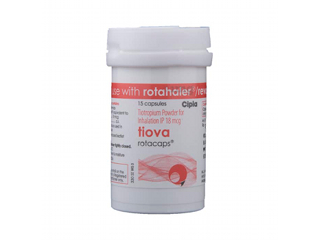
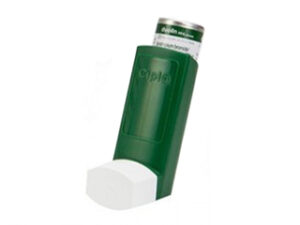
Tiova Rotacap (Tiotropium Bromide) – Patient Information (Australia)
Tiova Rotacap contains tiotropium bromide, a medicine used to help keep airways open and make breathing easier in certain long-term lung conditions. It is delivered using a Rotacap capsule and an inhalation device. This page explains how it works, when it is used, how to take it correctly, and key safety information.
Always follow the instructions provided by your healthcare professional and the product packaging. If you are unsure about technique or dosing, ask your pharmacist.
Basic product information
| Item | Information |
|---|---|
| Medicine name | Tiova Rotacap (tiotropium bromide) |
| Medicine type | Inhaled long-acting bronchodilator (antimuscarinic / anticholinergic) |
| How it’s taken | Inhalation via Rotacap capsule using a compatible device |
| Common dosing schedule | Often once daily for maintenance treatment |
| Typical uses | COPD maintenance; sometimes used in other chronic airway conditions as advised |
What is tiotropium bromide?
Tiotropium bromide is a medication that relaxes the muscles around the airways. It helps reduce breathlessness by improving airflow and reducing symptoms over time.
It works locally in the lungs. Because it is inhaled, it targets the airways where it’s needed, with limited systemic exposure compared with some oral medicines.
Mechanism of action (how it works)
Tiotropium bromide belongs to the antimuscarinic (also called anticholinergic) group. It blocks the action of acetylcholine, a chemical messenger that can tighten airways.
- Long-acting bronchodilation: Tiotropium relaxes bronchial smooth muscle, helping airways stay open.
- Reduced airflow limitation: It can improve breathing comfort and reduce shortness of breath.
- Symptom control for chronic disease: It helps manage day-to-day symptoms and may reduce exacerbations when used as part of an overall care plan.
Important: Tiova Rotacap is intended for maintenance (ongoing control). It is not designed to relieve sudden breathing difficulty at the moment it happens.
Pharmacokinetics (absorption, distribution, metabolism, elimination)
Understanding how the medicine moves through the body can help explain its dosing frequency.
Absorption
- After inhalation, tiotropium is delivered to the lungs, where it acts primarily on airway tissues.
- Some of the dose may also be swallowed and absorbed via the gastrointestinal tract.
Distribution
- Tiotropium distributes into body tissues, with the highest concentrations expected in respiratory tissues.
Metabolism
- Tiotropium is not extensively metabolised. A major portion of the medicine remains unchanged.
Elimination
- Tiotropium is mainly eliminated via the kidneys.
- Its long duration of action supports once-daily dosing for maintenance therapy.
Kidney function matters: Because elimination is largely renal, people with reduced kidney function may require careful monitoring and/or dose adjustments as advised by a healthcare professional.
Typical use (what it’s used for)
Tiova Rotacap is used to improve symptoms and airflow in chronic lung disease, most commonly:
- Chronic Obstructive Pulmonary Disease (COPD): Maintenance treatment to help manage breathlessness and improve quality of life.
Your clinician may also consider similar inhaled antimuscarinic therapy for other chronic airway conditions depending on individual circumstances. Use exactly as directed for your diagnosis and treatment plan.
How to take Tiova Rotacap: timing and administration
Tiova Rotacap is an inhaled medicine. Capsules are used with the appropriate inhalation device and are not swallowed.
When to use it
- Once daily is commonly used for maintenance therapy.
- Try to take it at the same time each day to maintain consistent levels of effect.
- If you miss a dose, follow the advice below (see FAQ).
Practical inhaler timing tips
- Choose a time that fits your routine (e.g., morning or evening).
- Use your inhaler before exercise if your clinician has advised it for symptom control.
- If you use other inhalers, keep to the schedule provided—some inhalers are used daily, others are for relief.
Correct technique (key steps)
Different Rotacap devices may have slightly different instructions. Use the method in your product leaflet/device guide. In general:
- Open the blister pack just before use.
- Insert one capsule into the chamber of the device.
- Release the capsule for piercing/dispersion according to the device instructions.
- Breathe out gently away from the device, then seal your lips around the mouthpiece.
- Inhale forcefully and deeply to release the medicine.
- Remove the mouthpiece and hold your breath briefly, if you can, then breathe out slowly.
- Close the device and discard the empty capsule.
Why technique matters: Poor inhalation technique can reduce the amount of medicine reaching the lungs. If you’re not sure, ask your pharmacist or nurse to watch your technique.
Food interactions
Because tiotropium is delivered by inhalation, food interactions are not expected to be significant.
- Swallowing small amounts after inhalation is possible, but no major dietary restrictions are typically required.
- If your stomach feels unwell or you experience dry mouth or constipation, discuss with your healthcare professional; these effects can occur with antimuscarinic medicines.
If you notice symptoms that seem to be linked to meals or timing (for example, worsening reflux or swallowing discomfort), seek advice.
Alcohol and medicine interactions
Alcohol
There are no widely recognised direct alcohol interactions with tiotropium. However, alcohol may worsen breathlessness in some people and can affect medication routines.
- To stay safe, avoid excessive alcohol if it worsens your breathing, sleep, or coordination.
- Use caution if you have severe COPD or other conditions where alcohol can be risky.
Other medicines (important interactions)
Interaction risk is generally low, but certain medicines may change how antimuscarinic medicines behave or increase side effects.
- Other anticholinergic/antimuscarinic inhalers (or medicines with similar effects): using more than one may increase the risk of side effects such as dry mouth, constipation, or urinary retention.
- Medicines that affect the urinary tract or have anticholinergic properties: may add to bladder-related side effects.
- Glaucoma risk: people with narrow-angle glaucoma should be extra cautious. If glaucoma is present, discuss your history with your clinician.
Always tell your pharmacist about all medicines you use, including over-the-counter cold/flu products, allergy tablets, travel medicines, or herbal supplements.
Dosing: typical regimen
Dosing can vary depending on the product strength and your diagnosis. Use the dose stated on your prescription/medicine label and packaging instructions.
- Common maintenance dosing: often once daily via inhalation.
- Do not exceed the advised number of capsules per day.
If you are unsure about your dose
Check:
- the strength written on your Tiova Rotacap pack (if relevant),
- the daily schedule on your label, and
- the leaflet instructions for your specific Rotacap device.
If anything is unclear, contact your pharmacist before using additional capsules.
Indications and treatment goals
For most people, the goal of tiotropium is ongoing symptom improvement and better day-to-day breathing.
In COPD, tiotropium may help:
- reduce breathlessness during daily activities
- improve overall lung function and comfort
- support fewer flare-ups when used with other appropriate COPD therapies
It is not intended for immediate relief during sudden attacks. For acute worsening, you may be given a different “reliever” inhaler by your clinician—use it as directed.
Safety profile: who should be careful
All medicines have potential side effects. Many people tolerate tiotropium well, but you should know what to watch for.
Common side effects
- Dry mouth
- Constipation
- Cough or throat irritation
- Headache
- Sometimes changes in taste
Less common but important side effects
- Urinary retention (difficulty passing urine), especially in men with enlarged prostate or bladder problems
- Blurred vision or eye pain if symptoms of glaucoma occur
- Heart rhythm symptoms (e.g., palpitations) in susceptible individuals
- Allergic reactions such as rash, itching, swelling, or trouble breathing
Seek urgent medical help if
- you develop swelling of the face, lips, tongue, or throat
- you have severe trouble breathing soon after use
- you experience eye pain, red eyes, or vision changes (possible acute glaucoma)
- you cannot urinate or have severe worsening urinary symptoms
Special groups
- Kidney impairment: because tiotropium is eliminated via the kidneys, your clinician may review your suitability and monitoring needs.
- Glaucoma (especially narrow-angle): discuss history before use.
- Prostate/bladder issues: antimuscarinic effects can sometimes worsen urinary problems.
- Children and adolescents: safety and use depend on age and diagnosis—confirm with your healthcare professional.
- Pregnancy and breastfeeding: benefits and risks should be discussed with a clinician.
Practical use tips for best results
- Check your inhaler technique: medicine delivery depends on correct inhalation. Ask for a “teach-back” demonstration if possible.
- Don’t swallow capsules: Rotacap capsules are for inhalation only.
- Keep your schedule: maintenance medicines work best when used consistently.
- Rinse your mouth if you experience throat irritation (and follow your product leaflet). Dry mouth can be managed with hydration and sugar-free lozenges.
- Track symptoms: note changes in breathlessness, cough, and flare-ups. This helps your clinician adjust therapy.
- Know your reliever: keep your fast-acting bronchodilator available if prescribed. Tiova Rotacap is not a rescue medicine.
- Store correctly: keep capsules in their blister pack and store as directed on the label.
Alternative options
Depending on your diagnosis and symptom pattern, your doctor may consider other inhaled bronchodilators or combinations. Alternatives may include:
- Other long-acting antimuscarinics (LAMA) used for COPD maintenance
- Long-acting beta2-agonists (LABA) for maintenance therapy
- Combined LABA/LAMA inhalers for more control of symptoms
- Inhaled corticosteroids in selected cases (often for frequent exacerbations or specific clinical features)
- Short-acting bronchodilators for quick symptom relief as needed
Choice of alternative depends on factors such as exacerbation history, lung function, side effect profile, inhaler technique, and availability. Ask your pharmacist which options may suit you if Tiova Rotacap is not appropriate.
Australia market and legal context
In Australia, medicines are regulated by the TGA (Therapeutic Goods Administration). Inhaled tiotropium products may be available through pharmacy channels in line with Australian prescribing and dispensing requirements and the approved product information.
Online pharmacies in Australia typically supply medicines according to Australian laws and verified patient eligibility. Always confirm the medicine you receive matches the brand, strength, and form stated on your order and label.
Important: Product availability can change due to supply, manufacturing, and distribution updates.
Recent guidance (how to stay informed)
Clinical guidance for COPD and chronic airway conditions can be updated by Australian and international bodies. Recommendations may focus on:
- optimising inhaler technique and adherence
- tailoring maintenance therapy to symptom burden and exacerbation risk
- ensuring correct use of relievers for acute symptoms
- regular review of medicines, side effects, and comorbidities
Because COPD care is individual, it’s wise to review your treatment plan periodically with your GP or respiratory clinician, especially if symptoms change or you use your reliever more often.
Delivery, availability, and what to check when it arrives
Online pharmacy delivery options vary by provider. When your Tiova Rotacap order arrives, check:
- Brand and form: Rotacap capsules (not tablets).
- Strength and quantity: matches the label and your dosing schedule.
- Expiry date: confirm it has adequate shelf life.
- Packaging condition: blisters should be intact and not damaged.
Storage: follow the instructions on the pack. Keep capsules in their blister until use.
FAQ
1) Is Tiova Rotacap a reliever or a controller medicine?
Tiova Rotacap is a controller/maintenance medicine for long-term symptom management. It is not a rescue medicine for sudden breathing problems.
2) How fast will it start working?
Some people notice improvement within the first doses, but the full benefit is usually assessed over days to weeks as part of ongoing COPD management.
3) What should I do if I miss a dose?
If you miss a dose, take it as soon as you remember unless it is close to the time for your next dose. If it’s near the next scheduled dose, skip the missed dose. Do not use extra capsules to make up for the missed dose.
4) Can I take Tiova Rotacap with food?
Yes. No significant food interactions are expected with inhaled tiotropium. Use it at the time that best fits your routine.
5) Can I drink alcohol while using Tiova Rotacap?
There are no commonly recognised direct interactions with alcohol. However, alcohol can worsen breathing or sleep for some people—keep it moderate and consider your symptoms.
6) What if I get dry mouth or constipation?
Dry mouth can often be managed with water, sugar-free gum/lozenges, and good oral hygiene. For constipation, increase fluids and fibre if appropriate, and discuss options with your pharmacist if it persists. Seek medical advice if symptoms are severe.
7) Are there medicines I should avoid?
Be cautious about using other medicines with anticholinergic/antimuscarinic effects unless your clinician has advised it. Tell your pharmacist about all medications, including over-the-counter products.
8) I have glaucoma—can I still use it?
If you have glaucoma, especially narrow-angle glaucoma, you should discuss it with your clinician before starting or continuing tiotropium. If you develop eye pain or vision changes, seek urgent medical help.
9) How long can I use Tiova Rotacap?
Tiova Rotacap is typically used for long-term maintenance in COPD. The duration should be determined by your healthcare professional based on symptom control and overall health.
10) What if my breathing gets worse after starting?
Worsening breathing can happen for reasons other than your maintenance medicine. If your symptoms rapidly worsen, or your reliever isn’t helping as usual, seek medical advice promptly.
Key takeaways
- Tiova Rotacap (tiotropium bromide) is a long-acting inhaled antimuscarinic used for maintenance treatment, commonly in COPD.
- Use it once daily (or as directed), consistently, and with correct inhaler technique.
- It is not a rescue medicine for sudden breathing attacks.
- Be alert to side effects such as dry mouth, constipation, urinary symptoms, and rare eye problems.
- If you have kidney issues, glaucoma, or urinary problems, discuss suitability and monitoring with your healthcare professional.
Disclaimer: This information is intended for general education and may not cover every individual situation. For personalised advice, speak with your pharmacist or doctor.