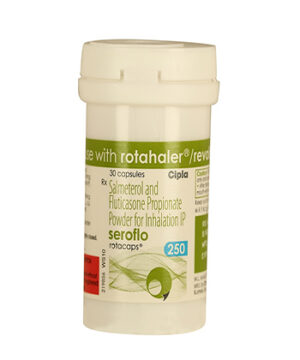
Fluticasone + Salmeterol (Fluticasone + Salmeterol) — Patient Guide (Australia)
Fluticasone + Salmeterol is a combination medicine used to help control ongoing lung conditions such as asthma and chronic obstructive pulmonary disease (COPD). It contains two active components that work together:
- Fluticasone (an inhaled corticosteroid) helps reduce inflammation in the airways.
- Salmeterol (a long-acting beta2-agonist, or LABA) helps keep airways open by relaxing smooth muscle over a longer period.
This guide explains how the medicine works, when and how to use it, safety considerations, interactions, and practical tips for best results for people in Australia.
Basic Product Information
- Medicine name: Fluticasone + Salmeterol
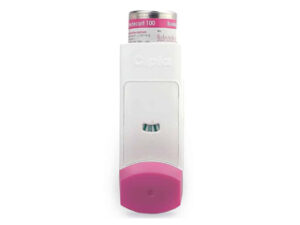
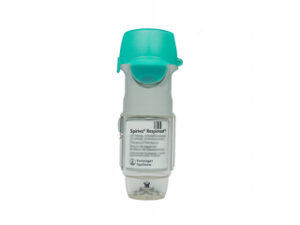
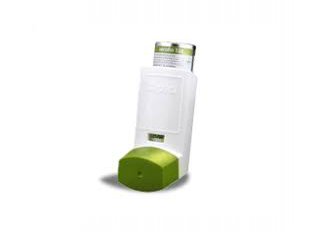
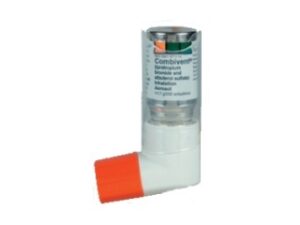
- Common form: Inhaler (typically a pressurised metered-dose inhaler or dry powder inhaler depending on brand)
- Medicines included: Fluticasone + Salmeterol
- How it’s used: Regular controller treatment to improve symptom control and reduce flare-ups
Brand names can vary (for example, devices in the Australian market may differ in strength and delivery type). Always check the label and the Consumer Medicine Information (CMI) supplied with your product for the exact strength and device instructions.
How It Works (Mechanism of Action)
Fluticasone (inhaled corticosteroid)
Fluticasone is a corticosteroid delivered directly into the lungs. It helps:
- Reduce airway inflammation
- Lower mucus production and swelling
- Improve airway responsiveness
- Decrease the frequency of asthma or COPD exacerbations
Salmeterol (long-acting beta2-agonist)
Salmeterol relaxes the muscles around the airways by stimulating beta2 receptors. This leads to bronchodilation (widening of the airways) and symptom relief that lasts for about 12 hours when used as directed.
Why the combination matters
Asthma and COPD involve both inflammation and airway constriction. Fluticasone addresses inflammation while salmeterol improves airflow. Using them together can provide better overall control than either component alone for many people.
Typical Uses
Fluticasone + Salmeterol is commonly used for:
- Asthma: to help maintain control and reduce exacerbations.
- COPD: to improve symptoms and reduce exacerbation risk in selected patients.
It is generally used as a maintenance (controller) medicine. It is not intended to provide immediate relief during sudden breathing difficulty—this role is usually covered by a fast-acting “reliever” inhaler (commonly a short-acting beta2-agonist). If you are unsure what your reliever is, check your asthma/COPD action plan or speak with your healthcare professional.
How and When to Take It (Timing & Routine)
Most inhaler combinations containing fluticasone + salmeterol are taken twice daily (about 12 hours apart). The best results come from using it consistently rather than only when symptoms appear.
Typical timing approach
- Morning dose: when you wake up
- Evening dose: about 12 hours later (e.g., before bed)
If you miss a dose, take it as soon as you remember unless it is close to the next dose. Do not double up to make up for a missed dose.
Consistency is key
Inhaled corticosteroids may take some time to reach their full effect. You may notice symptom improvement within days, but maximum benefit often occurs after regular use over weeks.
Food Interactions
Because fluticasone + salmeterol is delivered by inhalation, systemic absorption is typically lower than with tablets. This means food interactions are usually not a major concern.
- There are typically no specific dietary restrictions.
- If you feel reflux or stomach discomfort, consider whether meal timing or technique is affecting comfort, but this is not usually a direct interaction with the active ingredients.
Always follow the advice provided with your specific product. If you have other conditions or medicines, discuss them with your pharmacist or doctor.
Alcohol and Medicine Interactions
Alcohol
Moderate alcohol use is not usually directly contraindicated for people taking inhaled fluticasone + salmeterol. However, alcohol may worsen breathing symptoms in some people (especially if COPD is present) and can affect adherence to routine.
- Seek advice if alcohol triggers wheeze, breathlessness, or if you have liver disease.
- Do not stop or reduce your maintenance inhaler without professional guidance.
Important medicine interactions
Several medicines can interact with fluticasone (through metabolism pathways) and with the beta2 effect of salmeterol. Tell your pharmacist/doctor about all medicines you use, including supplements and occasional medicines.
Key interaction themes:
- CYP3A4 inhibitors (can increase fluticasone exposure), such as some antifungals and certain antibiotics used for bacterial infections.
- Other beta2-agonists (including some decongestant or asthma medicines) may increase the risk of side effects if overused.
- Beta blockers (depending on type) may reduce the effect of salmeterol.
- Diuretics (“water tablets”) and certain medicines affecting potassium may increase the risk of low potassium (rare, but more likely with higher doses and additional risk factors).
Your pharmacist can check interactions quickly when you provide the exact product names and strengths.
Pharmacokinetics (What the Body Does With It)
“Pharmacokinetics” describes how the medicine is absorbed, distributed, metabolised, and eliminated. The details can vary based on the inhaler device, technique, and your lung function.
Absorption
- Inhalation delivery means much of the medicine deposits in the airways and lungs.
- A portion may be swallowed after use and absorbed from the gut, but systemic exposure is usually limited compared with oral dosing.
Distribution
- Active components reach systemic circulation to a limited extent after inhalation.
- Protein binding occurs in the bloodstream (typical for many corticosteroids and related compounds).
Metabolism
- Fluticasone is metabolised primarily in the liver by the CYP3A4 enzyme.
- This is one reason some strong CYP3A4 inhibitors may increase fluticasone levels in the body.
Elimination
- Metabolites are mainly eliminated via bile/faecal pathways and, to a lesser extent, the kidneys.
Practical takeaway: because fluticasone is metabolised by CYP3A4, drug interaction checks are important, especially with certain antifungals and antibiotics.
Dosing (General Guidance)
The correct dose depends on:
- The condition (asthma vs COPD)
- Your current control and symptom severity
- The strength of your product
- Your inhaler device type and inhalation technique
- Your age and any other medical conditions
Do not change your dose without discussing it with your healthcare professional. Always follow the label and the instructions provided with your inhaler.
Common dosing pattern
- Asthma (typical controller use): often twice daily.
- COPD (typical controller use): often twice daily, sometimes as part of a stepwise inhaler plan.
If your symptoms change (improving or worsening), the dose or frequency may need adjustment—this should be planned with clinical guidance.
Indications (When It’s Used)
In Australia, fluticasone + salmeterol combination therapy is used to manage:
- Asthma: persistent asthma where controller therapy is needed to reduce symptoms and prevent exacerbations.
- COPD: in appropriate patients as maintenance therapy to reduce exacerbations and improve symptoms.
The specific “step” of therapy (how strong the inhaler is and whether other inhalers are used) depends on your diagnosis and response to treatment over time.
Safety Profile and Side Effects
Most people tolerate fluticasone + salmeterol well when used correctly. Side effects can be influenced by dose, technique, and individual factors.
Common side effects
- Hoarseness or voice changes
- Throat irritation
- Oral thrush (fungal infection in the mouth)
- Headache
- Muscle cramps or mild tremor (more typical of beta2-agonist effects)
How to reduce thrush and mouth side effects
- Use the inhaler exactly as instructed.
- Consider rinsing your mouth with water after each dose and spit out the water (do not swallow).
- Use a spacer if your device instructions recommend one (spacers can help deliver medicine to the lungs and reduce throat deposition).
Less common but important risks
- Fast heartbeat (palpitations) or feeling shaky
- Low potassium (rare; risk increases with high doses or with other medicines that lower potassium)
- Worsening asthma control if used incorrectly or if reliever medicine needs change
- Adrenal effects are uncommon with inhaled dosing, but may occur, especially with high doses over long periods or other steroid exposures
- Eye problems such as glaucoma or cataracts can occur with long-term corticosteroid use (inhaled risk is lower than oral, but still monitored clinically)
Seek urgent medical help if
- Breathing rapidly worsens
- You have severe chest tightness, wheeze not relieved by your usual reliever
- You feel faint, have severe palpitations, or allergic symptoms such as facial swelling or hives
- Signs of serious infection (for example, fever with significant worsening respiratory symptoms)
Practical Use Tips (Getting the Best Results)
The effectiveness of inhaled medicines depends heavily on technique. Consider these practical tips:
1) Prepare your inhaler correctly
- Check the device name and strength on the label.
- Confirm you know whether your inhaler requires shaking, priming, or specific steps before each use (these vary by device).
2) Use the right breathing timing
- As a general principle, start inhaling as the dose is released (for metered-dose inhalers).
- After inhalation, hold your breath for as long as comfortable (often around 5–10 seconds) to allow deposition in the lungs.
3) Rinse after steroid use
- Rinse mouth and spit after dosing to reduce thrush and hoarseness.
4) Keep track of adherence
- Use alarms or routines (morning/evening) to avoid missing doses.
- Refill before you run out to maintain consistent control.
5) Check your inhaler technique periodically
Many people benefit from having their inhaler technique reviewed by a pharmacist, nurse, or doctor, especially after changes in device, worsening symptoms, or side effects.
What to Do If Symptoms Worsen
If your asthma or COPD symptoms increase, do not assume the controller inhaler is failing immediately. Worsening symptoms may mean you need:
- A review of inhaler technique
- Adjustment of controller therapy
- Assessment for infections, allergies, or triggers
- A review of your reliever plan
If you require reliever medicine more often than usual or you have night-time symptoms, contact your healthcare professional promptly. For severe or rapidly worsening symptoms, seek urgent care.
Alternative Options
Depending on your diagnosis and severity, alternative maintenance options may include:
- Other inhaled corticosteroid/LABA combinations (different steroid or LABA components)
- Inhaled corticosteroid alone for some people with asthma
- Long-acting muscarinic antagonists (LAMA) for COPD, sometimes in combination with other bronchodilators
- Different strength or device to improve delivery and adherence
Your pharmacist or doctor can explain which options may suit your specific situation, including what to switch to if side effects occur or if control is inadequate.
Market and Legal Context for Australia
In Australia, medicines are regulated under the national medicines framework and supported by safety information published by regulatory and health bodies. Availability and packaging may vary by brand and strength.
Inhaled respiratory therapies are commonly supplied through community pharmacies, and many products include Consumer Medicine Information (CMI) with detailed instructions. Pharmacies may also provide inhaler technique support and medication counselling.
Ongoing guidance for asthma and COPD management is generally aligned with evidence-based clinical recommendations used by Australian clinicians. These recommendations emphasise proper inhaler technique, stepwise controller therapy, and structured review of symptom control and exacerbation risk.
Recent Guidance (Practical Updates People Often Ask About)
While exact recommendations can vary by condition and patient history, common themes in recent Australian clinical practice include:
- Optimising inhaler technique before changing therapy.
- Regular review of asthma control to ensure controller therapy matches symptom burden.
- Reducing over-reliance on relievers and acting early if control worsens.
- Consideration of device choice for adherence and correct dosing.
- Monitoring side effects such as thrush, hoarseness, and (with longer use) possible steroid-related effects.
If you are unsure how your current inhaler fits into your overall plan, ask your pharmacist for a short medication review or ask your clinician to update your action plan.
Delivery and Availability
In most cases, fluticasone + salmeterol inhalers are available through Australian pharmacies and may be offered via online pharmacy services where permitted. Delivery options typically depend on the specific product, packaging requirements, and local distribution arrangements.
- Availability: may vary by brand/strength and device type.
- Dispatch times: depend on stock levels and fulfillment processes.
- Substitution: online listings may offer equivalent strengths or alternative brands—always check the active ingredients and strength match what you use.
For the most accurate availability information, check the product page and delivery details provided at checkout.
FAQ (Frequently Asked Questions)
1) Is fluticasone + salmeterol a reliever inhaler?
No. It is a controller medicine used regularly to maintain symptom control. A reliever inhaler (fast-acting) is typically used for sudden symptoms according to your action plan. If you’re not sure which inhaler is your reliever, ask your pharmacist.
2) How soon will I feel better?
Some people notice improvement within days, but controller effects can take longer. The inflammation component (fluticasone) often provides the more gradual improvement over time. Consistent twice-daily use is important.
3) What should I do if I miss a dose?
Take it when you remember unless it’s close to the next scheduled dose. Do not take extra doses to “catch up.”
4) Can I use it before exercise?
It’s generally not intended for immediate pre-exercise relief. Use your reliever or your personalised asthma/COPD plan for exercise-related symptoms. Controller therapy can reduce baseline symptoms over time, making exercise easier.
5) Will it cause thrush?
Thrush can occur, especially if you don’t rinse your mouth after dosing. Rinsing and spitting after each dose helps lower the risk. If you notice white patches in the mouth or painful swallowing, contact your pharmacist or doctor.
6) Can I stop using it once I feel well?
Do not stop suddenly without medical advice. Controller therapy helps prevent flare-ups and maintaining control often requires ongoing treatment. Your clinician may adjust dose or step down when appropriate, based on stable control.
7) Are there any food or alcohol restrictions?
Food interactions are usually not significant for inhaled fluticasone + salmeterol. Alcohol isn’t typically directly prohibited, but it can worsen breathing symptoms in some people or affect adherence. Use caution if alcohol triggers symptoms or if you have other health conditions.
8) What medicines should I be careful with?
Inform your healthcare professional about all medicines, especially: strong antifungals or certain antibiotics (CYP3A4 inhibitors), beta blockers, and medicines that affect potassium or heart rhythm. Your pharmacist can check interactions with your specific medication list.
9) I’m having palpitations or shaking—what does that mean?
These can be side effects related to the LABA component. If symptoms are mild and improve, they may settle. If they’re severe, persistent, or you feel faint, seek medical advice promptly.
10) How do I use the inhaler correctly?
Technique varies by inhaler type. Follow the instructions that come with your product. A pharmacist can observe your technique and correct common errors.
Summary Table
| Topic | What to know |
|---|---|
| What it is | Combination inhaler containing fluticasone (anti-inflammatory corticosteroid) + salmeterol (long-acting bronchodilator) |
| Main purpose | Maintenance control to reduce symptoms and exacerbations in asthma and COPD |
| Typical timing | Often twice daily, about 12 hours apart |
| Relief during sudden symptoms | Not usually intended for immediate relief; use your reliever according to your plan |
| Food interactions | Usually minimal with inhaled use |
| Alcohol | Not typically directly prohibited, but may worsen breathing in some people |
| Key interactions | Strong CYP3A4 inhibitors and certain other medicines may affect exposure or side-effect risk |
| Common side effects | Hoarseness, throat irritation, possible thrush |
| Side-effect prevention | Rinse mouth and spit after dosing; use correct technique (and spacer if advised) |
Important: If you have questions about your specific inhaler device, dose strength, or how to use it correctly, speak with your pharmacist. If symptoms become severe or rapidly worsen, seek urgent medical care.