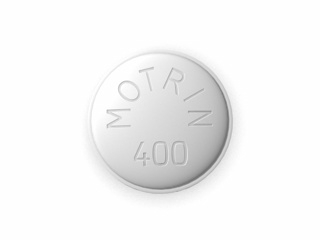

Motrin (Ibuprofen) – Patient Information (Australia)
Motrin is a brand of ibuprofen, a widely used pain relief and anti-inflammatory medicine. In Australia, ibuprofen products are available through pharmacies and many supermarkets (depending on brand strength and local availability). This guide explains how Motrin works, when it’s typically used, how to take it safely, and what to consider with food, alcohol, and other medicines.
Always read the label and the consumer medicine information (CMI) provided with your product. If you are unsure whether Motrin is right for you, ask your pharmacist or doctor.
Basic product information
| Feature | Details |
|---|---|
| Medicine name | Motrin (Ibuprofen) |
| Active ingredient | Ibuprofen |
| Medicine type | NSAID (Non-Steroidal Anti-Inflammatory Drug) |
| Typical available strengths | Varies by brand and formulation (check your specific product pack) |
| Common dosage forms | Tablets/capsules or liquid preparations (depending on product) |
| What it helps | Pain, fever, and inflammation related conditions |
How Motrin (ibuprofen) works (mechanism of action)
Ibuprofen belongs to the NSAID group. It reduces pain, inflammation, and fever by blocking enzymes called cyclo-oxygenase (COX-1 and COX-2).
These enzymes help produce prostaglandins—chemical messengers involved in:
- Pain signalling and sensitivity
- Inflammation (swelling, redness, irritation)
- Fever (increasing body temperature)
By lowering prostaglandin production, Motrin helps you feel better and may reduce swelling associated with some injuries and inflammatory conditions.
Pharmacokinetics (how your body handles it)
Understanding the “journey” of ibuprofen can help you plan timing and know what to expect. While individual responses can vary, the general pattern is:
- Absorption: Ibuprofen is absorbed from the gastrointestinal tract. Taking it with food can slow absorption but may improve stomach comfort.
- Distribution: It circulates in the bloodstream and binds partly to blood proteins.
- Metabolism: The liver metabolises ibuprofen into inactive or less active forms.
- Elimination: The metabolites are primarily cleared by the kidneys (urine).
- Onset and duration: Many people feel pain relief within about 30–60 minutes, with effects typically lasting several hours.
If you have kidney or liver problems, or you’re dehydrated, clearance may be affected. This can increase the risk of side effects, so always follow medical advice and label directions.
Typical uses and indications
Motrin is used to relieve:
- Pain such as headache, toothache, muscle aches, back pain, and period pain
- Inflammation-related pain like sprains and strains
- Fever and fever-related aches
- Arthritis symptoms (for conditions where NSAIDs are suitable, including certain types of joint pain—follow product guidance)
It can be helpful for short-term relief. For ongoing or severe pain, it’s important to seek appropriate clinical advice.
When and how to take Motrin (timing)
Timing can affect both comfort and effectiveness. In general:
- Take when needed for symptoms, as directed by the label.
- Space doses evenly (for example, every 6–8 hours, depending on strength and label directions).
- Use the lowest effective dose for the shortest possible time to control symptoms.
Practical example: For many adults, taking a dose when pain or fever begins can be more effective than waiting until symptoms are severe. If symptoms return, take the next dose at the proper interval indicated on the pack.
Children: Dosing for children depends on age and weight and on the specific product strength. Always use the dosing instructions on the label and seek pharmacist advice if unsure. Do not “guess” dosing.
Dosing (general guidance)
Motrin dosing varies by product strength (and age/weight for children). Always follow the label on your exact product pack or pharmacist advice.
For adults, ibuprofen products commonly provide dosing guidelines such as:
- Single doses may range depending on formulation strength.
- Maximum daily dose is set on the product label and should not be exceeded.
For children, follow label instructions carefully. If the child’s age/weight doesn’t match clearly with the table on the pack, ask a pharmacist.
Do not combine multiple ibuprofen products (e.g., different brands or strength capsules) unless instructed, as this can lead to accidental overdose.
Food interactions
Taking ibuprofen with food may:
- Reduce stomach irritation
- Improve tolerance if you’re sensitive to NSAIDs
However, food can also delay absorption. If you need faster relief, you may prefer to take it on an emptier stomach—provided your stomach tolerates NSAIDs. For most people, with or after food is a good safety-tolerant approach.
If you have a history of stomach ulcers or gastrointestinal bleeding, ask your pharmacist about the safest way to use NSAIDs.
Alcohol and medicine interactions
Alcohol
It’s generally recommended to limit alcohol when taking NSAIDs such as ibuprofen. Alcohol can increase the risk of stomach irritation and gastrointestinal bleeding.
If you choose to drink alcohol, do so sparingly and consider taking ibuprofen with food. If you’re at higher risk (older age, history of ulcers, certain medications), avoid alcohol and seek advice.
Important medicine interactions
Ibuprofen can interact with other medicines. Before using Motrin, consider discussing with a pharmacist if you take any of the following:
- Other NSAIDs (e.g., aspirin, naproxen, diclofenac): increased risk of side effects.
- Blood thinners/anticoagulants (e.g., warfarin): increased bleeding risk.
- Anti-platelet medicines (e.g., clopidogrel): may increase bleeding risk.
- SSRIs/SNRIs (antidepressants such as sertraline, escitalopram, venlafaxine): may increase risk of GI bleeding.
- Corticosteroids (e.g., prednisone): may increase GI side effects.
- Diuretics and/or ACE inhibitors/ARBs (blood pressure medicines): NSAIDs can affect kidney function in some people, especially if dehydrated.
- Lithium or methotrexate: NSAIDs can affect levels or toxicity risk.
- Some diabetes medicines: rare changes in blood sugar control may occur.
This list isn’t exhaustive. Always check the CMI, and tell your pharmacist about all medicines you’re taking (including vitamins, supplements, and herbal products).
Safety profile and precautions
Like all medicines, Motrin can cause side effects. Most people tolerate ibuprofen when used correctly, but risks increase with higher doses, longer use, or certain health conditions. Pay special attention to the following.
Common side effects
- Stomach discomfort, indigestion, nausea
- Heartburn
- Mild dizziness in some people
- Headache (occasionally)
Serious side effects (get urgent medical help)
Stop use and seek urgent medical advice if you experience:
- Signs of allergic reaction (swelling of face/lips, wheezing, rash/hives, difficulty breathing)
- GI bleeding (vomiting blood, black/tarry stools, blood in stool, severe persistent stomach pain)
- Severe skin reactions (blistering, peeling, or widespread rash)
- Signs of kidney problems (reduced urination, swelling of legs/ankles, unusual fatigue)
- Chest pain, sudden weakness, or breathing difficulty
Who should be cautious or ask a pharmacist first
- People with a history of stomach ulcers or GI bleeding
- People with kidney disease or dehydration (vomiting, diarrhoea, poor fluid intake)
- People with heart disease or risk factors (NSAIDs can increase cardiovascular risk in some circumstances)
- People with asthma that may be sensitive to NSAIDs
- People taking blood thinners, steroids, or other medicines that raise bleeding risk
- Older adults, who may be more prone to side effects
- Pregnancy: discuss with a pharmacist or doctor, especially later in pregnancy
Practical tips for safer use
- Check the label strength before dosing—mg per tablet/capsule varies by product.
- Use the lowest effective dose and avoid unnecessary repeat doses.
- Don’t combine NSAIDs (e.g., ibuprofen plus another NSAID). If you need additional pain control, consult a pharmacist about safe combinations.
- Take with food if you have a sensitive stomach or a history of reflux/indigestion.
- Stay hydrated, especially if you’re unwell with vomiting/diarrhoea or have been sweating heavily.
- Track your doses if you’re taking multiple symptoms medicines (some cold/flu products may contain additional pain relievers).
- Consider non-medicine options for musculoskeletal pain: rest, gentle stretching, heat or ice, and physical measures.
Alternative options
Depending on your symptoms and medical history, other options may be suitable:
Non-prescription alternatives
- Paracetamol (acetaminophen): commonly used for pain and fever and may be gentler on the stomach for some people.
- Topical anti-inflammatories (for some joint/muscle pains): gels/creams may provide local relief with lower systemic exposure.
- Non-medicine measures: rest, elevation, compression for sprains, gentle mobility, and adequate hydration.
If you’re considering combining medicines
For some people, alternating or combining pain relievers can be appropriate, but it must be done safely to avoid exceeding daily limits. Ask a pharmacist to recommend a safe plan based on your product strengths and symptoms.
Market and legal context for Australia (at a glance)
In Australia, medicines are regulated through the TGA (Therapeutic Goods Administration). Ibuprofen is generally available as an over-the-counter (OTC) medicine in many forms, with pack sizes and strengths reflecting safety guidance. Some higher strength or specific formulations may be supplied under different conditions, and availability can vary by product.
Your online pharmacy listing may include various ibuprofen brands and formulations. Always choose the product that matches your needs (adult vs child, tablet vs liquid, and the listed strength).
Recent guidance (general trends)
Recent consumer health guidance across many countries—including Australia—has continued to emphasise:
- Using NSAIDs at the lowest effective dose for the shortest time
- Extra caution in people at higher risk of stomach bleeding or kidney issues
- Careful attention to drug interactions (especially with blood thinners and certain antidepressants)
- Seeking medical advice for persistent or severe symptoms
- For fever or pain in children, following age/weight-based dosing instructions
Always refer to the specific CMI included with your product and follow advice from your pharmacist or doctor for personal circumstances.
Delivery and availability (online pharmacy)
Availability of Motrin (ibuprofen) can vary by formulation and pack size. Many online pharmacies in Australia offer:
- In-stock delivery to eligible addresses
- Standard and sometimes express shipping options
- Careful product handling to protect packaging integrity
Shipping times depend on your location and the pharmacy’s dispatch schedules. If a product is temporarily unavailable, most retailers will show an estimated restock date or offer alternatives.
Tip: If you need ibuprofen for a child, check the product form (liquid vs tablet), concentration, and dosing device (if included) before ordering.
FAQ – Common questions about Motrin (ibuprofen)
1) Is Motrin the same as ibuprofen?
Yes. Motrin is a brand name that contains ibuprofen as the active ingredient. Different products may have different brand names but still contain ibuprofen.
2) How fast does Motrin work?
Many people notice relief within about 30–60 minutes. For some, it may take longer, especially if taken with a heavy meal.
3) Can I take Motrin on an empty stomach?
It’s possible for some people, but it may increase stomach irritation. Taking it with food or milk may help reduce discomfort. If you experience indigestion or pain after taking ibuprofen, switch to taking it with food and consider speaking to a pharmacist.
4) Can I take Motrin with other pain medicines?
You should avoid taking other NSAIDs together (such as naproxen or diclofenac). If you’re considering combining with paracetamol or alternating medicines, ask a pharmacist first to ensure you stay within safe daily limits.
5) What should I do if I miss a dose?
If you’re using Motrin on a schedule, take the next dose when it’s due according to the label. Do not take extra to make up for a missed dose.
6) How long can I take Motrin?
For self-care, use it for the shortest period needed. If symptoms last more than a few days, worsen, or keep returning, it’s best to seek advice from a pharmacist or doctor.
7) Who should avoid ibuprofen?
People with a history of NSAID-related allergic reactions, those with significant stomach ulcers/bleeding, certain kidney conditions, or those taking medicines that significantly increase bleeding risk should seek advice before use. Check the CMI and talk to a pharmacist if unsure.
8) Is it safe to drink alcohol while taking Motrin?
It’s generally advised to limit or avoid alcohol while using ibuprofen, since alcohol can increase the risk of stomach irritation and bleeding. If you do drink, do so cautiously and consider taking with food.
9) Can Motrin be used for children?
Ibuprofen can be used for children in appropriate formulations with correct age/weight-based dosing. Always use the dosing instructions on the specific product and consider pharmacist advice if you’re not sure.
10) What are warning signs that mean I should stop and get help?
Stop taking Motrin and seek urgent advice if you notice signs of an allergic reaction, gastrointestinal bleeding (black stools, vomiting blood), severe skin reactions, or signs of kidney problems.
Summary
Motrin (ibuprofen) is an NSAID used to relieve pain, fever, and inflammation. It works by reducing prostaglandins through COX inhibition, with relief often felt within about an hour. When taken as directed—ideally with food if you’re prone to stomach irritation—it can be a practical option for short-term symptom control.
Always follow the pack instructions, avoid combining with other NSAIDs, be cautious with alcohol, and check interactions with other medicines. If symptoms persist, worsen, or you have risk factors (stomach ulcers, kidney disease, blood thinners), speak with a pharmacist for personalised guidance.