Permethrin (Topical Insecticide) — Patient-Friendly Guide (Australia)
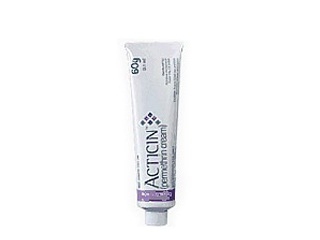
Permethrin is a widely used topical medicine for treating certain skin infestations and some causes of contagious skin irritation. It belongs to a class of medicines called pyrethroids. When used correctly, it can kill the responsible parasites and help stop the spread within households and close contacts.
This guide explains how permethrin works, how it’s used, timing tips, safety information, interactions (including alcohol and other medicines), and what to expect after treatment. It is written for people in Australia and includes practical advice about availability and use.
Basic product information
- Medicine name: Permethrin
- Type: Topical insecticide/acaricide (kills parasites on the skin)
- Common strengths: Often available as creams and lotions (strength varies by brand and condition)
- How it’s used: Applied to the affected skin or scalp and left for a specified time before washing off
- Who it’s for: People with the relevant skin infestation or infestation risk
Brand formulations vary (for example, scalp lotion versus skin cream). Always follow the instructions provided with the specific product you have purchased.
How permethrin works (mechanism of action)
Permethrin works by affecting the nervous system of the parasite. It interferes with sodium channels in nerve cells, causing abnormal nerve firing and ultimately leading to the parasite’s death. Because permethrin is applied to the skin, its effects are largely local.
Important practical implication: Some people may notice improvement after the first application, but depending on the condition, a repeat treatment may be needed to kill newly hatched parasites.
Typical conditions permethrin is used for (indications)
Permethrin is commonly used for the following skin problems:
- Scabies (mites on the skin): Used to treat scabies infestations and reduce spread among close contacts.
- Head lice (where indicated by the product): Some permethrin-containing products are used for lice treatment, depending on the formulation and local guidance.
- Other uses: In some settings, permethrin may be used where it’s appropriate for specific parasites, depending on the product’s approved indication.
If you’re unsure which condition you’re treating, check the product label and consider seeking medical advice from a qualified health professional.
Pharmacokinetics (what happens in the body)
Because permethrin is applied to the skin, only small amounts are absorbed through the skin in most people. The medicine is metabolised primarily in the skin and liver (if absorbed), and its metabolites are eliminated mostly via urine.
- Absorption: Generally low when used as directed on intact skin; may be higher when applied over widespread inflamed skin.
- Distribution: Mainly local action at the application site.
- Metabolism: Converted to inactive metabolites.
- Elimination: Mostly excreted in urine.
In practice, most people do not experience significant systemic effects when permethrin is used correctly.
When to use it (timing and repeat treatments)
Timing depends on the condition and the product formulation. Many regimens follow a “leave on for X hours, then wash off” plan, and some require a repeat dose.
- Scabies: Many scabies regimens use a second application about 7 days after the first to target mites that hatch after the initial treatment. Some local recommendations may adjust this depending on symptoms, exposure, and product instructions.
- Head lice: Lice regimens may include a repeat treatment several days later and careful combing to remove lice and eggs. Timing varies by product.
Key tip: If symptoms (such as itching) continue after successful scabies or lice treatment, that can be due to an inflammatory reaction and does not always mean the treatment failed. Follow the planned schedule and consider advice if symptoms persist.
Food interactions
Permethrin is a topical medicine and typically does not interact with food. There are no known clinically important food interactions for topical permethrin.
If you are using multiple products (for example, treating both skin and clothing items), focus on correct application and cleaning instructions rather than meals or supplements.
Alcohol interactions
Alcohol is not expected to interact with permethrin in a clinically significant way because systemic absorption is usually low. However, avoid using alcohol-containing products on the skin area being treated unless the product instructions specifically recommend it.
If you have a sensitive skin reaction, alcohol-based lotions or sprays may increase irritation.
Interactions with other medicines
Significant drug–drug interactions are unlikely with topical permethrin due to low absorption. Still, it’s important to consider interactions at the skin level.
- Other topical products: Avoid applying multiple insecticides or strong irritants simultaneously on the same skin area unless advised.
- Skin treatments: If you use steroid creams, emollients, or other treatments, separate timing where possible and follow product instructions.
- Severe skin inflammation or open wounds: Consult advice if permethrin is needed over broken skin, large areas, or with extensive dermatitis.
If you are taking other medicines (including those that affect the immune system), this usually does not change permethrin’s local action—but always mention your medicines to a pharmacist if you have concerns.
Dose and how to apply (general dosing guidance)
Permethrin dosing depends on the condition, the formulation strength, and the product’s label instructions. The details below are general guidance to help you understand what to expect. Always follow the exact instructions on your specific product.
Scabies (general approach)
- Coverage: Apply to the skin as directed, often including areas such as the body, limbs, and sometimes the neck and scalp (depending on age and instructions).
- Timing: Leave on for the duration stated on the label (commonly around 8–12 hours for some products) and then wash off.
- Repeat: Many regimens include a repeat application about 7 days later to address mites that hatch after treatment.
- Close contacts: Treating people with close contact may be necessary to prevent “ping-pong” reinfestation.
Head lice (general approach)
- Application: Apply to the scalp and hair as directed on the packaging.
- Leave-on time: Typically a set number of minutes to hours, depending on the product.
- Combing: Use fine-toothed lice combing to remove lice and eggs. This step is often crucial.
- Repeat: Some products require repeat treatment about a week later, depending on label guidance and local resistance patterns.
How much to use
For scabies, using too little product may reduce effectiveness. For lice, insufficient coverage of hair and scalp can lead to treatment failure. If you’re unsure about how much product is needed for your hair length or body surface area, check the pack instructions or speak with a pharmacist.
Safety profile and side effects
Permethrin is generally well tolerated when used correctly. Most reactions are mild and occur at the application site.
Common side effects
- Skin irritation (mild burning, stinging, redness)
- Itching (may continue for a period, especially with scabies due to inflammation)
- Dryness or mild rash where applied
Less common but important reactions
- Allergic reaction (swelling, severe rash, hives, difficulty breathing)
- Worsening dermatitis if the skin is very inflamed
Seek urgent help if you develop signs of a serious allergic reaction (for example, swelling of the face/lips, breathing difficulty).
Who should use extra caution
- Infants and young children: Use only the product and strength recommended for their age, and follow label guidance carefully.
- Pregnancy and breastfeeding: Many topical treatments are used when necessary, but it’s best to discuss with a pharmacist or clinician, especially for widespread application.
- Very sensitive skin or eczema flare: Reduce irritation by following instructions and avoid combining with harsh products.
Practical use tips (to improve success)
The biggest factor in whether permethrin treatment works is correct application and preventing re-exposure. The following tips are designed to help.
Step-by-step practical tips
- Read the label fully: Confirm the leave-on time and any repeat schedule.
- Apply to clean, dry skin or as instructed: If the label instructs washing first, follow that step.
- Cover the right areas: For scabies, coverage matters. Don’t miss folds, between fingers/toes, or areas specified on the label.
- Use enough product: Thin or incomplete coverage can reduce effectiveness.
- Avoid washing off early: Don’t shorten the leave-on time unless instructed.
- After the leave-on time: Wash thoroughly and change into clean clothing.
- Combing (for lice): Pair the product with combing as recommended.
- Repeat as scheduled: Don’t skip the second dose if your regimen calls for it.
- Treat close contacts if advised: This is especially important for scabies.
Laundry and environment (especially for scabies)
- Wash items used recently: Bedding, towels, and clothing used around the same time period as symptoms (follow guidance for your condition).
- Heat and dry: Where possible, use hot wash and hot dryer settings.
- Items that can’t be washed: Seal in a bag for a period recommended by local guidance, or follow product/health advice.
- Vacuuming: Helps with debris; follow routine cleaning practices.
For head lice, focus on hair/comb management and cleaning of personal items according to label and local health advice.
Food, alcohol, and product handling—additional considerations
Permethrin does not have meaningful food interactions. Still, you can support safe use by:
- Keeping the product away from food-preparation areas.
- Washing hands after application.
- Avoiding eye, mouth, and mucous membrane contact.
- Not applying more frequently than instructed.
Alcohol: While alcohol isn’t expected to cause a drug interaction, alcohol-based skin products can increase irritation. If you choose to use other lotions or washes, allow time and avoid applying harsh products over freshly treated skin.
Alternative options
Depending on the condition, age, severity, and whether resistance is suspected, other options may be considered. Alternatives can include:
- For scabies: Other topical scabicides may be used; in some cases, oral treatments may be recommended by healthcare professionals.
- For head lice: Alternative lice treatments may be used if permethrin is ineffective or resistance is present, along with meticulous combing.
- Supportive care: Anti-itch treatments, moisturisers, and infection control measures may help manage symptoms while the skin settles.
If treatment fails or symptoms persist beyond what is expected, consider speaking with a pharmacist to review application technique, timing, contact treatment, and whether an alternative product is warranted.
Market and legal context in Australia
In Australia, access to medicines and the ability to purchase them online may depend on the product’s classification and approved indications. Topical insecticides for infestations are commonly available through pharmacies and regulated online pharmacy services.
Product availability, packaging, and labeling requirements are governed by Australian regulatory bodies. The exact wording on the label determines age suitability, leave-on time, and repeat schedules for your condition.
Important note: Pharmacy listings may include different strengths and brands. Always choose a product that matches your condition and age group, and follow the printed consumer medicine information.
Recent guidance and practical updates (what to consider)
Guidance for scabies and head lice can evolve based on local patterns of resistance, community transmission, and emerging best practices. When using permethrin:
- Follow repeat schedules: Many failures come from not repeating treatment when recommended.
- Ensure full contact management: For scabies, treating close contacts is often necessary.
- Consider resistance: In some communities, lice may be less responsive to certain treatments, making combing and alternative therapies important.
- Use as directed for age groups: Not all formulations are appropriate for all ages.
If you are treating a recurring infestation, a pharmacist can help you check whether the product is suitable and whether an alternative approach is recommended in your situation.
Delivery and availability (online pharmacy)
Permethrin products may be available for purchase via online pharmacy services in Australia, depending on the product classification and local availability. Delivery options may vary by provider and location.
- Availability: Most pharmacies restock regularly; some formulations may be seasonal or temporarily out of stock.
- Delivery: Orders are typically shipped with tracked delivery. Delivery timeframes vary by postcode.
- Cold chain: Usually not required for topical permethrin products.
- Packaging: Products should arrive sealed and within expiry date.
To avoid delays in contagious conditions, order early enough to meet the required leave-on time and repeat schedule.
Frequently Asked Questions (FAQ)
1) How quickly does permethrin work?
Many people begin to feel improvement within days. However, for scabies, itching and irritation can continue for a period even after the mites are dead, due to ongoing skin inflammation. For head lice, combing and proper repeat timing are often key to fully clearing lice and eggs.
2) Do I need to treat my close contacts?
For scabies, close contacts often need to be assessed and may require treatment to prevent reinfestation. For head lice, household contact treatment may depend on whether lice are found. Follow the instructions provided with your product and consider pharmacist advice for your household situation.
3) What if symptoms continue after treatment?
Persistent itching after scabies can occur even when treatment is successful. If symptoms are worsening, widespread, or you suspect ongoing exposure, contact a pharmacist or clinician for guidance. Re-check application technique, coverage, and whether the repeat dose was done at the correct time.
4) Can permethrin be used on children?
Some formulations are suitable for children, but products and age limits vary. Use only a product and strength appropriate for your child’s age, and follow the label carefully.
5) Can I shower or swim after applying permethrin?
Do not wash off early. After the required leave-on time, follow the label instructions for washing. Swimming may not be appropriate until after the product is fully washed off and skin is settled; follow general hygiene and label guidance.
6) Is permethrin safe during pregnancy or breastfeeding?
Many people use topical permethrin when necessary under advice. Because your situation matters (extent of application, product choice, skin condition), it’s sensible to talk with a pharmacist or clinician before use if you are pregnant or breastfeeding—especially if treating widespread areas.
7) What should I do if it gets in my eyes or mouth?
Rinse thoroughly with water immediately. If irritation continues or symptoms are severe, seek medical advice promptly.
8) Can I use moisturiser before or after permethrin?
Generally, applying emollients before treatment may reduce how well the medication spreads, depending on the condition and product instructions. After the treatment is washed off, moisturisers can help soothe dry skin. Follow the label or ask your pharmacist about timing.
9) Will permethrin stain clothes or bedding?
It can sometimes leave residue depending on the formulation. Washing instructions and changing to clean clothing after treatment help. Follow the product label.
10) What if I already used another lice or scabies product?
Don’t double up insecticides on the same skin area unless instructed. Inform your pharmacist about what you used and when, so they can advise on the best next step.
Summary
Permethrin is a topical pyrethroid medicine used to treat certain infestations like scabies and head lice (depending on the product). It works by disrupting the parasite’s nervous system and is generally well tolerated when applied correctly. Success depends on correct coverage, proper leave-on time, and following the recommended repeat schedule—plus managing close contacts and cleaning items when appropriate.
If you have questions about suitability, age limits, or how to apply it for your specific situation, a pharmacist can help you choose the right product and timing.
Note: Always follow the consumer medicine information and label instructions for your specific permethrin product.