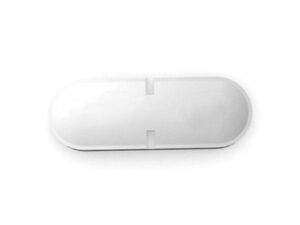


Mebendazole (Antiparasitic Medicine) — Patient Guide (Australia)
Mebendazole is an antiparasitic medicine used to treat several common worm infections. It works by stopping the worms from using the energy they need to survive, allowing your body to clear the infection naturally. This guide explains how mebendazole works, when it’s used, typical dosing schedules, food and alcohol considerations, safety information, and practical tips to make treatment easier.
This information is designed for patients and carers in Australia. Product availability and strength may vary depending on the pharmacy and brand.
Basic product information
| Item | Details |
|---|---|
| Generic name | Mebendazole |
| What it’s used for | Treating specific intestinal and tissue helminth (worm) infections |
| Common forms | Tablets, chewable tablets, or oral suspension (varies by brand) |
| Typical strength examples | Common tablet/suspension strengths differ between brands |
| How it’s taken | By mouth, usually as a short course (sometimes repeat dose) |
| Where it’s available | Available via pharmacies; some products are listed for appropriate use in Australia |
If you’re unsure which product you have (tablet vs suspension, and strength), check the pack for the exact formulation and dosing instructions.
How mebendazole works (mechanism of action)
Mebendazole belongs to the benzimidazole class of antiparasitic medicines. It works mainly by:
- Disrupting worm energy production: it interferes with the worm’s ability to use glucose.
- Blocking formation of essential structures: it affects microtubules (cell structures) within the parasite.
- Leading to worm death or expulsion: with energy production impaired, the worms can’t survive and are eliminated from the body.
In threadworm (pinworm/enterobiasis), treatment may also need a repeat dose because eggs can survive on clothing and the environment, leading to reinfection.
Pharmacokinetics (how the body handles it)
Pharmacokinetics describes what the body does with the medicine (absorption, distribution, metabolism, and elimination). Key points include:
- Absorption: mebendazole is absorbed from the gut, but absorption is limited for many formulations, and systemic exposure may be lower than with some other medicines.
- Metabolism: it is metabolised mainly in the liver.
- Elimination: it is eliminated from the body largely via the faeces, with some removal through urine.
- Clinical implication: despite limited absorption, it can still be effective in intestinal worm infections.
The exact levels can vary with dose, formulation, infection type, and individual factors such as liver function.
Typical indications (what it treats)
Mebendazole is used to treat several parasitic worm infections, including:
- Threadworm (enterobiasis) — common in children and households
- Roundworm (ascariasis)
- Hookworm (uncinariasis/ancylostomiasis)
- Whipworm (trichuriasis)
- Some cases of mixed worm infections — depending on local treatment guidance
For infections involving the liver or other tissues (e.g., certain less common parasites), mebendazole may be used in some circumstances under specific clinical plans. Treatment schedules can differ from intestinal worm infections.
When to take mebendazole (timing and course length)
Timing depends on the specific worm infection and the dose regimen used by the product label. Common patterns include:
- Single-dose regimens (sometimes repeated) for certain infections like threadworm.
- Short multi-day courses for others, such as hookworm or whipworm, where treatment may extend over several days.
- Repeat dosing — often recommended for threadworm to break the reinfection cycle.
Practical tip: Take the dose at a time of day that you can remember easily, and keep to the schedule on the packaging. If a repeat dose is recommended, set a reminder so it’s not missed.
Food interactions (can you take it with meals?)
Most people can take mebendazole with or without food. However, food may affect absorption for some oral medications.
- If your label says take with food, follow that guidance.
- If your label doesn’t specify, taking it with a light meal may be helpful if you experience mild stomach upset.
- Avoid excessive changes to your usual diet around dosing (for example, fasting when you normally eat), unless instructed by the product label or pharmacist.
If you have swallowing difficulties, discuss the most suitable formulation (tablets vs suspension/chewables) with a pharmacist.
Alcohol and medicine interactions
Alcohol
There is no universally required “complete alcohol avoidance” for all mebendazole users, but alcohol can worsen side effects such as dizziness or nausea and may increase stress on the liver.
- For the best tolerance, it’s generally sensible to limit or avoid alcohol during treatment.
- If you experience dizziness or nausea, avoid alcohol until you feel fully well.
Interactions with other medicines
Mebendazole can interact with other medicines, and the effect can be more significant with long courses or high doses. Tell a pharmacist about all medicines you use, including:
- Prescription medicines
- Over-the-counter products
- Herbal supplements
- Any medicines for liver conditions
Potential interaction considerations include:
- Liver-impacting medicines: because mebendazole is metabolised in the liver, caution is wise if you take other medicines that also affect the liver.
- Some enzyme-affecting drugs: medicines that strongly affect liver enzymes may alter mebendazole levels.
If you are using multiple medications, or if you’re treating yourself while unwell, a quick check with your pharmacist can help ensure compatibility.
Dosing: common regimens (follow your product label)
Dosing depends on the infection being treated, age, and the specific formulation and strength. Always use the instructions on your packaging. The dose information below provides general examples of regimens commonly used for intestinal worm infections.
If you’re unsure which infection you have, it’s important to confirm symptoms and consider pharmacist guidance—especially if there are persistent or severe symptoms.
Threadworm (enterobiasis)
- Common approach: mebendazole is taken as a dose, then repeated after about 2 weeks to address reinfection from eggs.
- Household strategy: treating close household contacts at the same time may reduce the chance of repeated reinfection.
Roundworm (ascariasis) and hookworm
- Common approach: treatment is usually given as a single course for a number of days, depending on the product regimen and age.
Whipworm (trichuriasis)
- Common approach: typically requires a multi-day regimen for best results.
Important dosing notes
- Children: doses are weight/age-dependent. Use the measuring device supplied with oral suspension, and do not “eyeball” doses.
- Pregnancy: if you are pregnant, seek pharmacist guidance before using mebendazole, particularly during early pregnancy. Follow your product label and local guidance.
- Breastfeeding: discuss suitability with a pharmacist if you’re breastfeeding.
- Liver disease: if you have liver problems, ask a pharmacist before use—long or higher-dose courses can require extra caution.
Safety profile (what to expect and when to get help)
Like all medicines, mebendazole can cause side effects. Most people experience no or mild effects, especially with short courses.
Common side effects
- Nausea
- Stomach discomfort or abdominal pain
- Diarrhoea or softer stools
- Headache
- Temporary dizziness
Less common but important precautions
- Allergic reactions: seek urgent help if you develop swelling of the face/lips, breathing difficulty, widespread rash, or severe itching.
- Liver effects: uncommon with short courses, but risk may be higher with prolonged or high-dose treatment. Contact a clinician promptly if you notice yellowing of the eyes/skin (jaundice), dark urine, severe fatigue, or significant persistent abdominal pain.
- Severe symptoms: persistent vomiting, worsening abdominal pain, or dehydration should be assessed by a healthcare professional.
Who should be extra cautious?
- People with known liver disease
- Children (especially very young children—use only as directed by age-specific labelling)
- Pregnant or breastfeeding people
- People taking multiple medicines (to check interaction risk)
Practical use tips (to maximise effectiveness)
Worm infections can be hard to fully clear if reinfection occurs from the environment. These practical steps can help:
- Repeat dose if advised: for threadworm, missing the repeat dose is a common reason treatment appears to “not work.”
- Hygiene during treatment: encourage regular handwashing, especially before meals and after using the toilet.
- Change underwear daily (and consider washing at the highest feasible temperature for the fabric).
- Keep fingernails short to reduce accidental egg transfer.
- Wash bedding and clothing regularly for people who may be infected.
- Clean frequently touched surfaces during treatment (e.g., bathroom areas).
Note: Household reinfection is common with threadworm. If symptoms continue after completing the regimen, you may need another course and to reassess hygiene measures.
Alternative treatment options
Several antiparasitic medicines may be considered depending on the worm type, age, and clinical circumstances. Alternatives commonly discussed include:
- Albendazole — often used for several intestinal worm infections
- Levamisole — may be used for specific infections in some settings (availability varies)
- Pyrantel pamoate (where available) — used for intestinal worms such as threadworm in some regions
The “best” option depends on the organism, the treatment schedule needed, the patient’s age, and tolerance. A pharmacist can help you choose the most appropriate medicine and regimen based on your symptoms and product availability in Australia.
Market and legal context for Australia
In Australia, the sale of medicines is regulated under federal and state/territory frameworks, including the classification and scheduling rules administered by the Therapeutic Goods Administration (TGA). Products are marketed in accordance with their intended use and consumer medicine information.
For worm infections, some antiparasitic products are available through pharmacies and may be supplied under pharmacist guidance depending on the classification and brand. Availability can also differ between:
- Prescription-only vs non-prescription categories
- Pack sizes and formulations
- Age restrictions and label indications
If you’re purchasing online, ensure the product you select matches the labelled indication (for example, threadworm vs other worms) and the correct age/strength.
Recent guidance and best-practice considerations
Clinical best practices for worm infections often emphasise:
- Breaking reinfection cycles (particularly for threadworm) via repeat dosing and household hygiene.
- Managing close contacts when advised, to reduce “ping-pong” reinfection in families.
- Confirming the infection type when symptoms persist or the presentation is unusual.
- Supporting community settings (schools/childcare) with appropriate hygiene practices to reduce spread.
Guidance may also include monitoring for side effects and considering stool tests or further assessment when infection doesn’t resolve as expected.
For the most current local recommendations, refer to public health information in Australia or speak with a pharmacist.
Delivery and availability (online pharmacy)
Online pharmacies in Australia typically offer a range of antiparasitic medicines, including mebendazole. Delivery timeframes depend on:
- Your postcode and delivery carrier
- Stock availability
- Dispatch time (business days)
To receive your medicine promptly:
- Double-check you selected the correct product form (tablet vs suspension) and strength.
- Allow time for delivery if you plan to take a first dose then repeat later (e.g., 2 weeks for threadworm).
- Keep the medicine in its original packaging until use.
If you need the repeat dose on schedule and delivery timing is uncertain, consider speaking with a pharmacist before placing the order.
FAQ: Mebendazole (Australia)
1) How quickly does mebendazole work?
Many people feel improvement in symptoms within a few days. However, worm eggs and environmental contamination can cause reinfection—especially with threadworm—so completing the recommended course and repeat dose (if advised) is important even if symptoms improve.
2) Why is a repeat dose sometimes needed?
In infections like threadworm, the medicine may kill active worms, but eggs can survive in the environment. A repeat dose helps kill worms that develop from surviving eggs, preventing ongoing symptoms and reinfection.
3) What if symptoms come back after treatment?
If symptoms return, common reasons include reinfection from household contacts, incomplete adherence to the repeat schedule, or incomplete environmental hygiene. Ensure the full regimen is completed and consider discussing treatment for close contacts with a pharmacist.
4) Can mebendazole be taken with food?
Usually yes—many people take it with or without food. If your product label provides specific instructions, follow those. If you experience nausea, taking with a light meal may help.
5) Is alcohol allowed while taking mebendazole?
It’s generally best to limit or avoid alcohol during treatment to improve tolerance and reduce strain on the liver. If you notice dizziness, nausea, or stomach upset, avoid alcohol until you feel better.
6) Can I drive or operate machinery after taking mebendazole?
Most people can drive safely. However, some may experience dizziness or headache. If you feel unwell or dizzy, avoid driving or operating machinery until you feel normal again.
7) What side effects should make me contact a clinician urgently?
Seek urgent help for signs of an allergic reaction (swelling of face/lips, breathing difficulty, widespread rash). Also seek prompt medical advice for severe or worsening symptoms, dehydration, or signs of liver problems such as yellowing of the skin/eyes.
8) Can mebendazole be used in children?
Yes, it’s commonly used for certain worm infections in children, but dosing depends on age and formulation. Use the exact dose on the label and use measuring devices correctly for liquid medicine. If you’re unsure, consult a pharmacist.
9) What about pregnancy and breastfeeding?
If you are pregnant or breastfeeding, check the product label and seek pharmacist guidance—especially for pregnancy in early stages or if treatment involves longer or higher dosing.
10) Are there dietary restrictions after taking mebendazole?
Usually none. Maintain normal hydration and a balanced diet. Focus on hygiene measures to reduce reinfection.
11) What are the most common practical mistakes?
Common issues include missing the repeat dose (when needed), not treating household contacts when advised, and insufficient hygiene (handwashing, changing underwear/bedding regularly).
12) Do I need stool tests?
In many cases, treatment is based on typical symptoms and known exposure. If symptoms persist or recur repeatedly, or if the diagnosis is uncertain, stool testing or clinical review may be helpful. Speak with a pharmacist or healthcare professional for next steps.
Reminder: Always read the consumer medicine information provided with your specific mebendazole product. If you have questions about dosing, suitability for your age, or medicine interactions, a pharmacist can help you choose and use the treatment safely.