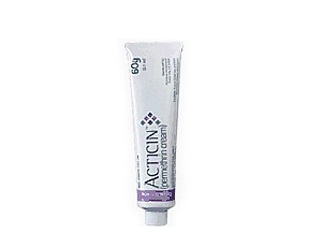
Acticin (Permethrin) – Patient Guide (Australia)
Acticin contains permethrin, a topical medicine used to treat certain parasitic skin infestations, most commonly scabies and head lice (depending on the product presentation and directions).
This page explains how Acticin works, how to use it safely, what to expect, and when to seek further advice.
Basic product information
| Feature | Details |
|---|---|
| Active ingredient | Permethrin |
| Medicine type | Topical scabicide / pediculicide (skin-applied) |
| Common uses in Australia | Scabies; head lice (use the correct product strength/form as directed) |
| How it works | Kills mites/lice by affecting nerve function |
| Form | Typically a cream/gel/lotion depending on presentation |
Important: Always check the specific pack for the concentration and the directions for your condition. Acticin products may differ by strength and intended use.
Mechanism of action (how Acticin works)
Permethrin is a synthetic pyrethroid. It acts on the nervous system of parasites by:
- Disrupting sodium channel function in nerve cells
- Causing paralysis and death of scabies mites or lice
- Providing rapid knockdown of active parasites, with continued effect during the contact time specified on the label
While Acticin kills mites/lice, skin symptoms may persist for days to weeks after successful treatment (this does not always mean treatment failure).
Pharmacokinetics (what the body does with permethrin)
Because Acticin is applied to the skin, systemic absorption is generally low when used as directed. Key points include:
- Absorption: Usually limited through intact skin. Absorption may be higher if skin is irritated or heavily affected.
- Metabolism: When absorbed, permethrin is metabolised in the body.
- Elimination: Metabolites are cleared primarily through normal bodily processes.
Your risk of systemic side effects is generally low when used correctly.
Typical use and indications
Acticin is used for the treatment of:
- Scabies: An infestation caused by Sarcoptes scabiei mites. Symptoms commonly include intense itching (often worse at night) and a rash with small bumps or burrows.
- Head lice (where the specific product form/concentration is indicated): Lice live on the scalp and cause itching; nits (eggs) may cling to hair shafts.
Not for: Acticin is a topical medicine. It should not be used for internal treatment or for other conditions unless specifically directed by the product instructions or your healthcare professional.
Timing and practical expectations
Many treatment plans rely on a careful timeline. The goal is to kill existing mites/lice and then deal with newly hatched parasites.
Scabies – timing (typical approach)
- Apply Acticin over the recommended contact time (follow the pack instructions carefully).
- Repeat treatment after the interval stated on the product or as advised by local guidance (commonly around 7 days for scabies). This helps address mites that hatch after the first application.
- Check household contacts: scabies commonly spreads through close skin-to-skin contact. Treating contacts as recommended is often crucial to prevent re-infestation.
Head lice – timing (typical approach)
- Apply for the specified time and rinse as directed.
- Repeat according to product instructions and local guidance to target lice that hatch after the first treatment.
- Combing (nit/lice combing) is often an important part of successful treatment.
Itching and rash after treatment: It is possible to keep itching for days to several weeks. This can occur even if the infestation has been cleared.
How to use Acticin safely (step-by-step tips)
Always follow the instructions provided with your specific Acticin pack. The steps below are general practical guidance.
Before you start
- Confirm the condition: Acticin is used for specific infestations; correct diagnosis improves outcomes.
- Check instructions for age groups and areas to treat: Some areas (like face/eyes) may have special cautions, especially for young children.
- Do a patch/skin check if advised: If you have sensitive skin or a history of reactions, seek advice before using.
During application
- Apply to dry skin unless the pack says otherwise.
- Cover the appropriate areas thoroughly, including places most often affected (for scabies, this often includes areas such as hands, wrists, between fingers, and other specified zones).
- Use enough product to cover the skin as directed (under-application is a common reason for treatment failure).
- Avoid eyes, mouth, and mucous membranes. If accidental contact occurs, rinse well with water.
After the contact time
- Rinse or wash off only after the recommended contact time.
- Wash treated clothing and bedding as directed (often the day of treatment and/or the previous few days).
- Follow contact/environment advice for scabies to reduce reinfestation risk.
Food interactions
Acticin is applied to the skin, so it is not usually associated with direct food-drug interactions.
- General guidance: There are typically no special dietary restrictions while using Acticin as directed.
- If you are using other skin products: Avoid applying multiple medicated products at the same time unless your healthcare provider advises it.
Alcohol and medicine interactions
Because Acticin is topical with generally low systemic absorption, there are typically no direct alcohol interactions expected when used properly.
However, avoid using Acticin with:
- Other topical irritants on the same area (e.g., strong antiseptics, harsh soaps, or products that cause burning) unless recommended.
- Medications or creams that may interact with your skin barrier. If you’re unsure, separate products by time or ask a pharmacist.
If you are using other treatments (such as antihistamines for itch, moisturisers, or treatments for related conditions), most combinations are compatible—just apply and rinse according to label instructions.
Dosing (how much and how often)
Dose depends on the condition and the product presentation. Always follow the directions on your Acticin pack. The information below is general and cannot replace the label.
Scabies – general dosing concept
- Number of applications: Usually involves a second treatment after a set interval to cover newly hatched mites.
- Coverage: Apply to the recommended areas, using sufficient quantity to create an even layer where instructed.
- Contact time: Leave on for the specified duration, then wash off.
Head lice – general dosing concept
- Number of applications: Often repeated after about a week (or per pack guidance) depending on product type.
- Combing: Use a fine lice comb to remove dead lice and nits as instructed by the product/clinical guidance.
- Follow-up: Check scalp and hair and repeat if live lice persist according to guidance.
If symptoms persist: Don’t automatically repeat early. Seek pharmacist or healthcare advice to confirm diagnosis, application technique, and whether resistance or reinfestation is involved.
Safety profile and side effects
Most people tolerate Acticin well when used as directed. Like all medicines, it can cause side effects.
Common, usually mild effects
- Skin irritation (redness, burning sensation, mild stinging)
- Itching or dry skin after application
- Temporary rash or discomfort where the product is applied
Less common or serious reactions (seek help)
- Allergic reaction symptoms: swelling of the face/lips, widespread hives, difficulty breathing
- Severe skin reaction: blistering, intense burning that does not settle
- Eye exposure with ongoing pain or redness after rinsing
When to get urgent help
Seek urgent medical attention if you develop signs of a serious allergic reaction or breathing difficulties.
Special considerations
- Children: Use only as directed for age and body areas on the pack. Apply carefully to avoid eyes and mouth.
- Pregnancy and breastfeeding: Many people use permethrin due to its long history of use; however, always consider individual circumstances and follow professional advice.
- Large areas / broken skin: If extensive application is needed (or skin is very damaged), ask a pharmacist if you’re concerned about safety.
Driving and machinery
Acticin is topical. It is not expected to affect driving or machinery.
Practical use tips to improve success
Correct technique is one of the biggest factors in whether treatment works. The following tips can help:
- Use enough product to cover the required areas. A thin application may be less effective.
- Cover “hidden” spots: between fingers, around nails, wrists, waistline, and other areas specified for your condition.
- Treat contacts when recommended: for scabies especially, failure to treat close contacts can lead to repeat infestation.
- Follow the full contact time: don’t rinse off early.
- Repeat at the correct interval: this is important to treat newly hatched mites/lice.
- Combing for head lice: When included in the guidance for your product, regular combing helps remove lice/nits.
- Environmental cleaning: Wash bedding, towels, and recently worn clothing as recommended. Items that cannot be washed may be sealed or handled as advised.
Preventing reinfestation: After treatment, check for symptoms in other close contacts and avoid sharing hats, pillows, or hair accessories for lice infestations.
Alternative options
Depending on the condition and severity, other treatments may be considered.
Scabies alternatives
- Other topical scabicides (choice depends on availability, age, and clinical guidance)
- Oral or systemic options may be considered in certain cases by healthcare providers, particularly for widespread or resistant scabies
Head lice alternatives
- Other pediculicide lotions (different active ingredients exist)
- Dimeticone-based products (where available) may be an option in some settings
- Physical removal using fine combs and repeated checks
Choosing the right option: Local resistance patterns can influence effectiveness. If treatment fails, it’s important to confirm diagnosis and technique before switching.
Market and legal context for Australia
In Australia, medicines are regulated under the TGA (Therapeutic Goods Administration) system. Products containing permethrin must meet regulatory standards for quality, safety, and effectiveness and are supplied according to their listing/registration category.
Availability can vary by brand, strength, and indication. Many infestations (such as scabies and head lice) are common public health issues, and pharmacists often provide guidance on appropriate selection and correct technique.
Note: Pharmacy availability depends on the exact product presentation and current supply arrangements.
Recent guidance and when advice may be updated
Clinical and public health guidance for scabies and head lice can evolve based on:
- Emerging resistance patterns (especially for head lice in some regions)
- Improved recommendations for treating household contacts
- Updates to environmental cleaning advice
For the most current steps in your situation, consider speaking with a pharmacist or a local health service, especially if:
- Symptoms continue after correct use
- Multiple people are affected
- You are treating infants, pregnant people, or individuals with complex medical conditions
Delivery and availability (online pharmacy)
Acticin may be available online through Australian pharmacies, subject to stock and product presentation.
- Dispatch: Orders are typically processed during business hours (timing varies by provider).
- Shipping: Delivery time depends on location and selected shipping method.
- Product variations: Ensure you order the correct Acticin product for the condition you are treating (scabies vs head lice) and the correct strength/form.
If you’re unsure which product to choose, a pharmacist can often help you match the correct option to your needs.
FAQ
Is Acticin the same as permethrin?
Yes. Acticin is a brand that contains permethrin. Different Acticin packs may have different strengths and instructions depending on the intended condition.
How long until itching stops after scabies treatment?
Itching and rash can continue for days to weeks after successful scabies treatment because of the body’s immune response to mites and their by-products. This can occur even when the infestation is cleared. If itching is severe or symptoms worsen, seek advice.
When should I repeat treatment for scabies?
Repeat treatment according to the interval stated on the product and local guidance (commonly around 7 days for scabies). Repeating too early or too late may reduce effectiveness.
What if I still see bumps after treatment?
New bumps or persistent rash can have causes other than active infestation. Confirm whether itching has improved, check for signs of ongoing mites/lice, and get advice if there is uncertainty. Ensure you applied the product to the correct areas for the correct contact time and treated close contacts if recommended.
Can I use Acticin on children?
Acticin may be used in children for the appropriate condition, but dosing and application areas can differ by age. Use only as directed on the pack, and consult a pharmacist if the child is very young, has extensive involvement, or has sensitive skin.
Can I wash off after a shorter time to reduce irritation?
No—follow the recommended contact time. Shortening the time may reduce effectiveness. If irritation is problematic, speak to a pharmacist about supportive measures (such as moisturisers or symptom relief) rather than changing the treatment contact time.
Do I need to wash clothes and bedding?
For scabies, washing bedding and clothing according to recommended guidance can reduce reinfestation risk. For head lice, focus on items that contact the scalp (and follow product guidance). If you’re unsure, check the pack directions or ask a pharmacist.
Is there any interaction with food?
Because Acticin is applied to skin, direct food interactions are not expected. Follow label instructions for topical use.
Can I drink alcohol while using Acticin?
There are generally no known direct alcohol interactions expected for topical permethrin when used correctly.
What should I do if it gets into my eyes or mouth?
Rinse thoroughly with water immediately. If irritation persists or is severe, seek medical advice.
What if treatment fails—should I keep repeating?
Don’t repeatedly apply without guidance. Treatment failure can be due to reinfestation, missed contact areas, incorrect timing, or (for some infestations) resistance. Speak with a pharmacist or healthcare professional to review diagnosis and technique and consider alternative options.
How do I store Acticin?
Store according to the pack instructions, typically at controlled room temperature and keep out of reach of children. Check the expiry date before use.
Summary
Acticin (permethrin) is a topical medicine widely used in Australia for conditions such as scabies and certain presentations of head lice. It kills parasites by interfering with nerve function. Success depends on applying enough product to the correct areas, maintaining the recommended contact time, and repeating treatment at the correct interval—often alongside treating close contacts and following hygiene/environment guidance.