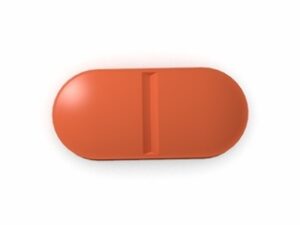
Keftab (Cephalexin) – Patient Information (Australia)
Keftab contains cephalexin, a widely used antibiotic from the cephalosporin group. This page is designed to be patient-friendly and to help you understand what the medicine is for, how it works, how to take it safely, and what to expect. If you have any questions about your condition or your medicines, speak with a doctor or pharmacist.
Basic product information
| Item | Details |
|---|---|
| Brand name | Keftab |
| Active ingredient | Cephalexin |
| Medicine type | Antibiotic (cephalosporin) |
| How it’s taken | Oral (tablets/capsules depending on the presentation) |
| Common form in Australia | Oral cephalexin marketed under various brands (including Keftab) |
What cephalexin does: It helps treat infections caused by susceptible bacteria. It does not treat viral illnesses such as colds or flu (and it won’t prevent future infections on its own).
How Keftab works (mechanism of action)
Cephalexin belongs to the beta-lactam class of antibiotics. It works by interfering with the bacteria’s ability to build and maintain a protective cell wall. Specifically, it binds to penicillin-binding proteins (PBPs), which are needed for cell wall synthesis. When the cell wall is weakened, susceptible bacteria cannot grow properly and are killed.
In simple terms: cephalexin targets bacterial cell wall formation, leading to bacterial death.
Pharmacokinetics (what the body does to the medicine)
Understanding pharmacokinetics can help explain how and when to take your medicine. While individual responses vary, the main points for cephalexin are:
- Absorption: Cephalexin is generally absorbed well after being taken by mouth. Food may affect the speed of absorption, but it usually does not significantly reduce the overall amount absorbed.
- Distribution: It distributes into many body fluids and tissues, including areas where bacterial infections may occur. Concentrations depend on dose and site of infection.
- Metabolism: Cephalexin is not extensively metabolised by the liver.
- Elimination: The medicine is mainly eliminated by the kidneys. This is why kidney function matters when dosing and when considering dose adjustments.
- Half-life (general): The time the body takes to reduce the amount of medicine by half is typically a few hours, which is why multiple doses per day are commonly used.
Typical use
Keftab (cephalexin) is used for selected bacterial infections caused by organisms susceptible to cephalexin. Your doctor will consider the infection type, likely bacteria, severity, your history, and local resistance patterns.
Timing and adherence
- Take at regular intervals to maintain effective antibiotic levels.
- Finish the full course prescribed for you, even if you feel better. Stopping early can allow some bacteria to survive and the infection to return.
- If you miss a dose, take it as soon as you remember unless it is close to the next dose. Do not take a double dose.
When to take Keftab: timing tips
The dosing schedule depends on the prescribed regimen (commonly a few times per day). The goal is to keep enough medicine in your bloodstream during the infection.
- Consistent timing: Choose times that fit your day (e.g., morning, midday, evening, bedtime) rather than taking doses “whenever convenient”.
- If you’re late: Take the missed dose when you remember, then continue with the next dose at your usual time.
- Hydration: Drink adequate fluids unless you’ve been told to restrict fluids.
Food interactions and absorption
Cephalexin can usually be taken with or without food. Food may reduce stomach upset for some people. However, for best tolerability:
- If you get nausea or stomach discomfort, consider taking it with meals.
- Consistency: If you choose to take it with food, try to do so each dose.
Important: This medicine is an antibiotic; avoid self-adjusting doses. If you’re using other medications, ask your pharmacist about specific timing or interactions.
Alcohol and medicine interactions
Many people wonder about alcohol while taking antibiotics. There is no universally required alcohol avoidance for cephalexin in every patient, but alcohol can worsen side effects such as dizziness or stomach upset and may delay recovery by affecting hydration and sleep.
- Best approach: Limit or avoid alcohol while you’re unwell.
- If you drink: keep it light and monitor for side effects.
- Seek advice urgently if you develop severe rash, swelling, breathing difficulty, or signs of allergic reaction.
Medicine interactions: Cephalexin can interact with some medicines. Tell your doctor or pharmacist about all medicines you take, including:
- Probenecid (may affect cephalexin levels by reducing kidney excretion)
- Warfarin and other anticoagulants (some antibiotics can change bleeding risk; monitoring may be needed)
- Metformin or other diabetes medicines (usually no major direct interaction, but infections can affect blood glucose—monitor closely)
- Oral contraceptives (most antibiotics like cephalexin are not proven to reduce effectiveness, but severe vomiting or diarrhoea can)
- Kidney-related medicines or those requiring dose adjustments in kidney impairment
If you’re unsure whether your other medicines interact with cephalexin, ask your pharmacist. It’s usually a quick check.
Indications (what Keftab is used to treat)
Cephalexin is indicated for certain bacterial infections. Depending on your situation, a clinician may choose it for infections such as:
- Skin and soft tissue infections (for example, infected wounds, cellulitis caused by susceptible bacteria)
- Respiratory tract infections (selected cases where susceptible bacteria are suspected)
- Bone and joint infections (sometimes, depending on organism and clinical judgement)
- Urinary tract infections (UTIs) (if bacteria are likely to be susceptible)
- Ear infections (selected cases)
Note: Not all infections respond to cephalexin. If your symptoms are severe, rapidly worsening, or accompanied by high fever, you may need urgent medical assessment.
Dosing (general guidance)
Dosing depends on the infection type, severity, age, kidney function, and local prescribing practices. Your prescribed strength and schedule can vary. Always follow the directions provided with your medicine.
Typical adult dosing patterns (for guidance)
In many regions, adult regimens commonly use multiple daily doses because cephalexin is eliminated relatively quickly. Doses may be adjusted based on clinical response and kidney function.
- Uncomplicated infections: may use lower or less frequent dosing depending on the scenario.
- More severe infections: may require higher dosing and closer monitoring.
Children and dosing
Children’s dosing is commonly calculated based on weight and infection severity. Do not use adult dosing for children.
Kidney function considerations
Because cephalexin is primarily cleared by the kidneys, people with reduced kidney function may need dose adjustment. If you have kidney disease, your prescriber will consider this carefully.
How to take each dose
- Swallow tablets/capsules with water.
- If you have difficulty swallowing, ask a pharmacist about your available formulation.
- Do not crush or chew unless the medicine is specifically designed for it.
Safety profile and side effects
Like all medicines, cephalexin can cause side effects. Many are mild and resolve during or after treatment. However, some reactions can be serious and require urgent care.
Common side effects
- Nausea
- Diarrhoea
- Stomach discomfort
- Headache
- Skin rash (mild rashes can occur)
- Vaginal yeast infection (in some people)
Serious side effects (seek urgent medical help)
- Allergic reactions: swelling of the face/lips, difficulty breathing, wheezing, severe skin rash or hives
- Severe or persistent diarrhoea, especially if watery or bloody, or with fever (possible antibiotic-associated colitis)
- Blistering or peeling skin, or severe rash with fever (urgent)
- Yellowing of eyes/skin or severe fatigue (possible liver involvement—seek advice promptly)
- Signs of kidney problems such as reduced urine output, unusual swelling, or worsening symptoms
Allergy and cross-reactivity
If you’ve had an allergic reaction to cephalexin, other cephalosporins, or penicillin-class antibiotics, inform a clinician before taking Keftab. Allergy history matters for safe antibiotic selection.
Practical use tips
- Keep taking it: Start the course as directed and continue through the last day, unless you are told to stop.
- Track improvement: Some infections begin improving within 48–72 hours. If you’re not improving, or symptoms worsen, contact your healthcare provider.
- Hydration helps: Drink fluids to support recovery and help manage side effects like mild stomach upset.
- Manage diarrhoea carefully: Mild loose stools can happen. If diarrhoea is severe, persistent, or bloody, seek urgent advice.
- Don’t share antibiotics: Cephalexin prescribed for one person may not be appropriate for another.
- Store properly: Keep tablets/capsules in the original packaging, away from moisture and heat, and out of reach of children.
What to expect during treatment
It’s common to wonder whether antibiotics are “working.” While each infection differs, the usual pattern is:
- First 24 hours: You may not feel dramatically better yet.
- 24–72 hours: Many bacterial infections show improvement (less pain, reduced fever, better function).
- After finishing: Symptoms should continue to resolve. If they don’t, reassessment may be needed.
Seek medical advice if you develop new concerning symptoms, severe side effects, or rapid worsening at any stage.
Alternative options
Alternatives to cephalexin depend on the infection type, suspected bacteria, allergies, severity, and local resistance patterns. A prescriber may consider other antibiotics (or non-antibiotic approaches) when appropriate.
Common antibiotic alternatives (examples)
- Other beta-lactams (depending on susceptibility and allergy status)
- Macrolides (for selected respiratory infections or alternative choices)
- Clindamycin (selected skin/soft tissue situations)
- Trimethoprim-sulfamethoxazole (selected cases such as some UTIs, depending on local resistance)
- Doxycycline or other agents (where clinically appropriate)
The “best” option is not one-size-fits-all. If you have allergy concerns, recurrent infections, kidney impairment, or prior treatment failures, discuss options with a healthcare professional.
Australia: market and legal context
In Australia, cephalexin products are regulated medicines. Supply and use are governed by Australian healthcare regulations and prescribing processes. Online pharmacy services typically include medication verification steps to support safe and appropriate use.
Cephalexin may be available in different brands and strengths, depending on supply, pharmacy stock, and product availability. Your pharmacist can advise on interchangeable products and correct dosing forms.
Recent guidance and antibiotic stewardship (overview)
Australian health guidance emphasises antibiotic stewardship, including:
- Using antibiotics only when bacterial infection is likely or confirmed
- Choosing an antibiotic that matches the suspected bacteria and local resistance patterns
- Using the shortest effective course as clinically appropriate
- Encouraging adherence to dosing schedules
If symptoms do not improve as expected, clinicians may reassess diagnosis, consider culture results, and change therapy when needed.
Delivery and availability (online pharmacy experience)
Availability can vary by region and stock levels. Many online pharmacies in Australia aim to deliver within standard dispatch timeframes, with options for home delivery or pickup where available.
- Order processing: Usually includes prescription/medicine verification steps (where required) and packaging preparation.
- Delivery time: Depends on your location and the courier service.
- Cold chain: Cephalexin typically does not require refrigeration unless specified for a particular product.
- Packaging: Medicines are generally delivered in tamper-evident packaging.
If a product is temporarily unavailable, pharmacies may suggest alternative brands or strengths that are clinically equivalent—always check with your pharmacist.
FAQ: Keftab (Cephalexin)
1) What is Keftab used for?
Keftab (cephalexin) is used to treat certain bacterial infections, such as some skin and soft tissue infections, urinary tract infections, and selected respiratory or other localized infections where cephalexin-susceptible bacteria are suspected.
2) How fast will I feel better?
Some improvement is often seen within 48–72 hours for susceptible infections. If you’re not improving, or you worsen, contact a healthcare professional for reassessment.
3) Can I take it with food?
Yes. Cephalexin can typically be taken with or without food. Taking it with food may reduce stomach upset.
4) What should I do if I miss a dose?
Take the missed dose as soon as you remember, unless it’s nearly time for your next dose. Do not take a double dose to make up for the missed one.
5) Is it safe with alcohol?
Avoiding or limiting alcohol is generally the safest approach while you’re unwell and on antibiotics. Alcohol can worsen side effects like nausea, dizziness, or dehydration.
6) Can I use Keftab if I’m allergic to penicillin?
Allergy history matters. Some people allergic to penicillin may react to cephalosporins, though risk varies. Tell a clinician or pharmacist about your allergy details before taking Keftab.
7) What if I get diarrhoea?
Mild diarrhoea can occur. However, seek urgent medical advice if diarrhoea is severe, persistent, watery, bloody, or associated with fever or significant abdominal pain.
8) Does cephalexin affect birth control pills?
Cephalexin is not known to reliably reduce oral contraceptive effectiveness. But if you have significant vomiting or diarrhoea, absorption may be affected—use additional protection and seek advice.
9) Can I stop once I feel better?
It’s important to complete the full course as directed. Stopping early can allow infection to return or persist.
10) When should I seek help immediately?
Seek urgent medical care if you develop signs of an allergic reaction (swelling of face/lips, breathing difficulty, severe rash), severe blistering/peeling skin, or severe/persistent diarrhoea, especially if bloody or with fever.
Summary
Keftab (cephalexin) is an oral antibiotic used for specific bacterial infections. It works by preventing bacteria from forming their protective cell wall. It is commonly taken in divided doses across the day, can often be taken with food, and is mainly cleared by the kidneys. Adherence to the dosing schedule and completing the full course are key to effectiveness. If you experience worrying side effects or your symptoms don’t improve within a few days, contact a healthcare professional promptly.