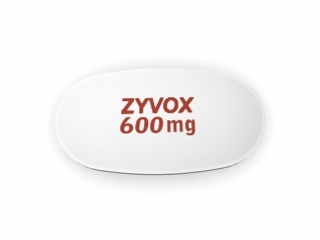
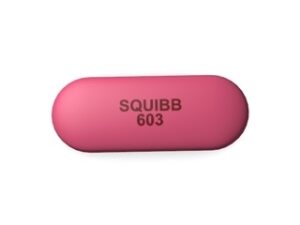

Zyvox (Linezolid) — Patient Information for Australia
Zyvox is a brand of linezolid, an antibiotic used to treat certain serious bacterial infections. This guide is written to help you understand how Zyvox works, how it’s usually taken, key safety information, and what to discuss with your healthcare professional.
Always follow the instructions provided for your specific treatment plan.
1) Basic product information
- Medicine: Zyvox
- Generic name: Linezolid
- Medicine type: Antibiotic (oxazolidinone class)
- Common forms: Tablets and oral suspension (strengths vary by product presentation)
- What it treats: Specific infections caused by certain Gram-positive bacteria
- Where it’s used: Hospitals and community settings depending on infection severity and local clinical guidance
Important: Antibiotics are used for bacterial infections only. Zyvox will not treat viral illnesses such as flu or common cold.
2) How Zyvox works (mechanism of action)
Linezolid works by stopping bacteria from making essential proteins. It does this by binding to the 23S portion of bacterial ribosomal RNA (the 50S ribosomal subunit).
When the ribosome can’t function correctly, bacteria can’t produce proteins needed for growth and multiplication. The result is a bacteriostatic effect in many settings (it inhibits bacterial growth) but can show bactericidal activity against some organisms under certain conditions.
- Targets: Primarily Gram-positive bacteria
- Useful against: Some resistant strains where other antibiotics may be less effective
3) Typical use in clinical practice (indications)
Zyvox is used when the infection is likely—or confirmed—to be caused by susceptible organisms, especially certain resistant Gram-positive bacteria. Indications may include:
- Hospital or community-acquired pneumonia when caused by susceptible Gram-positive bacteria (as assessed by your clinician)
- Complicated skin and soft tissue infections (e.g., complicated wound infections)
- Vancomycin-resistant Enterococcus infections (when susceptible)
- Vancomycin-resistant infections or infections where linezolid is considered an appropriate option
- Other serious infections caused by susceptible Gram-positive organisms (based on local guidance and susceptibility testing)
Why susceptibility matters: The effectiveness of linezolid depends on the organism being sensitive to it. In many cases, culture results and antibiotic sensitivity testing guide the final choice.
4) Pharmacokinetics (how the body handles Zyvox)
Pharmacokinetics describe how the drug is absorbed, distributed, metabolised, and eliminated.
Absorption
- Linezolid is well absorbed after oral dosing.
- Oral and IV formulations typically achieve similar blood levels when dosed appropriately, which is why oral therapy may be possible once clinically stable.
Distribution
- Linezolid distributes into tissues and body fluids including areas relevant to the types of infections it treats.
- It can be detected in the bloodstream at therapeutic concentrations for adequate durations between doses.
Metabolism and elimination
- Linezolid is metabolised mainly through non-enzymatic and enzymatic pathways producing less active metabolites.
- Elimination occurs primarily through renal (kidney) and to a smaller extent non-renal routes.
Clinical note: People with severe kidney impairment and those with significant liver impairment should use linezolid with careful monitoring as advised by their healthcare team.
5) Dosage and timing (general information)
Do not change your dose or stop early unless your healthcare professional advises it. The exact regimen depends on the infection type, severity, age, weight, kidney/liver function, and other medicines.
Typical adult dosing
For many adult indications, the commonly used dosing is:
- 600 mgtwice daily (every 12 hours)
Typical duration
- Treatment duration often ranges from 10 to 14 days for many infections, but it can be shorter or longer depending on the response and the specific infection.
- Longer courses may increase risk of certain side effects (see Safety section).
How to take Zyvox
- Try to take doses at consistent times each day.
- If you miss a dose, take it as soon as you remember unless it’s near the next dose—do not take double to make up for missed doses.
- For oral suspension, shake as instructed on the label and measure using the device provided.
When to expect improvement
- Some people begin to feel better within 24–72 hours, but this varies.
- If you don’t improve or you worsen, contact your healthcare professional promptly.
6) Food interactions and what to eat/drink
One practical advantage of linezolid is that food generally does not significantly affect absorption. This means you can usually take Zyvox with or without food.
- With food: may improve comfort if nausea occurs.
- Without food: is also usually acceptable.
However: Zyvox can interact with certain foods due to its effect on monoamine oxidase (MAO) pathways (see “Alcohol and medicine interactions” below). Your healthcare team may provide dietary advice, especially if you have been prescribed interacting medicines.
7) Alcohol and medicine interactions (very important)
Alcohol
Alcohol is not specifically the most common interaction listed for linezolid, but combining alcohol with antibiotics can worsen side effects such as:
- nausea
- stomach upset
- dizziness or headache
Patient-friendly guidance: It’s best to avoid alcohol during treatment unless your healthcare professional says it’s okay for you.
Medicine interactions (MAOI-like potential)
Linezolid has reversible MAO-inhibiting activity. This means it can interact with medicines that affect serotonin, dopamine, or norepinephrine signalling. The risk is serotonin syndrome and other reactions in certain combinations.
Seek advice before taking Zyvox with the following groups:
- Antidepressants, especially:
- SSRIs (e.g., sertraline, fluoxetine, citalopram, escitalopram)
- SNRIs (e.g., venlafaxine, duloxetine)
- Tricyclic antidepressants (e.g., amitriptyline)
- Other serotonergic medicines (e.g., some migraine treatments)
- Migraine medicines such as triptans
- Opioids with serotonergic effects (e.g., tramadol, pethidine/meperidine depending on availability and practice)
- Stimulants and some cold/flu products containing decongestants
- Over-the-counter supplements that increase serotonin (always mention supplements to your clinician)
- Other medicines that affect blood pressure and neurotransmitter pathways
Tyramine-related food interactions
Because of MAO-related activity, certain patients may need to avoid foods high in tyramine (a substance found in some fermented or aged foods). This can lead to a blood pressure increase in susceptible individuals.
Typical examples of foods that may be problematic:
- Aged cheeses
- Fermented or cured meats
- Some soy products (e.g., soy sauce products)
- Yogurt/fermented dairy can be variable
- Overripe or improperly stored foods
Practical approach: If you are advised to restrict tyramine, follow the specific guidance given by your healthcare team or pharmacist. If you are unsure, ask.
Other medicine considerations
- Tell your pharmacist about all medicines you take, including herbal products.
- Discuss kidney and liver conditions, as dose and monitoring may be adjusted.
- If you take medicines that may affect blood counts (e.g., certain chemotherapy), you may need closer monitoring.
8) Safety profile and side effects
Like all antibiotics, Zyvox can cause side effects. Many are mild and manageable, but some are important and require medical attention.
Common side effects
- Headache
- Nausea or vomiting
- Diarrhoea or stomach discomfort
- Dizziness
- Skin rash
- Changes in taste (sometimes described as metallic taste)
Serious side effects (seek urgent medical advice if they occur)
- Signs of serotonin syndrome: agitation, confusion, fever, sweating, fast heartbeat, tremor, or severe diarrhoea—especially if you take interacting serotonergic medicines.
- Severe allergic reaction: swelling of the face/lips, difficulty breathing, severe rash.
- Severe or persistent diarrhoea: especially if watery or bloody (could indicate antibiotic-associated colitis).
- Vision changes: blurred vision, difficulty seeing, or colour vision changes (prompt assessment is important).
- Numbness, tingling, or burning pain in hands/feet (neuropathy symptoms).
- Unusual bleeding or bruising, marked fatigue, or pale skin (possible blood count changes).
Key risks with longer treatment
Some risks increase with duration, especially courses longer than 2 weeks. Your clinician may monitor blood counts and watch for neurological or vision symptoms.
- Blood disorders: anaemia and reduced platelets can occur in some people.
- Neuropathy: prolonged therapy may increase risk of peripheral neuropathy and optic neuropathy.
- Lactic acidosis (rare): reported in some cases, particularly with prolonged use.
Monitoring that may be recommended
- Full blood count (FBC) — especially if treatment is prolonged.
- Vision checks if symptoms occur.
- Monitoring of symptoms affecting nerves (numbness/tingling).
- Follow-up if you have kidney/liver impairment or significant medical complexity.
9) Practical use tips
- Keep appointments and monitoring: If your clinician has arranged blood tests, attend them.
- Don’t stop early: Finishing the course as advised helps reduce relapse and resistance.
- Track side effects: Note timing and severity. If vision or nerve symptoms appear, contact your clinician promptly.
- Hydrate and eat sensibly: This can help manage nausea and stomach upset.
- Avoid mixing with non-necessary supplements: Especially products affecting mood or neurotransmitters—ask first.
- Check other medication labels: Some cold/flu and pain products may contain ingredients that can complicate treatment.
10) Alternative options (discuss with your healthcare professional)
Alternative antibiotics depend on the infection, the responsible bacteria, and the local susceptibility pattern. Your clinician will consider severity, allergies, kidney/liver function, previous antibiotic exposure, and culture results.
Possible alternatives (depending on organism and sensitivity) may include:
- Vancomycin (often used for certain Gram-positive infections; may be IV)
- Daptomycin (for some Gram-positive infections; administration is typically by injection)
- Teicoplanin or other glycopeptides (availability and suitability vary)
- Clindamycin (for selected skin/soft tissue infections, depending on resistance and risk profile)
- Other targeted antibiotics based on culture and susceptibility testing
Note: The best alternative isn’t always a “different antibiotic.” Sometimes the route (IV vs oral), dosing schedule, duration, or combination therapy may be adjusted.
11) Market and legal context for Australia
In Australia, linezolid-containing medicines are regulated under the national medicines framework administered by the Australian Government. Zyvox is used in both hospital and community settings as clinically indicated, and its use is supported by established antimicrobial prescribing guidelines.
Prescribing and dispensing requirements in Australia may include:
- Availability through authorised dispensing channels
- Appropriate patient assessment for drug interactions and safety monitoring
- Consideration of antimicrobial stewardship to limit unnecessary use
Antimicrobial stewardship: Clinicians aim to use antibiotics only when needed and to choose the most appropriate option based on likely pathogens and local resistance patterns.
12) Recent guidance and important updates (how to stay current)
Guidance on antibiotic choice, monitoring, and safety continues to evolve. Recommendations may change based on emerging data, resistance patterns, and safety updates. Your healthcare professional or pharmacist can confirm the most current local advice.
As of recent years, key themes in linezolid guidance include:
- Careful review of drug interactions (especially serotonergic medicines)
- Monitoring for blood count changes and neurological/visual symptoms, particularly with prolonged therapy
- Using linezolid as part of antimicrobial stewardship strategies
Practical suggestion: If you start Zyvox and later begin a new medicine (including supplements), tell your pharmacist or prescriber so interaction risk can be rechecked.
13) Delivery and availability (Australia)
Online pharmacies in Australia may offer home delivery of prescription antibiotics after verification of eligibility and order requirements. Availability can vary by brand, strength, and formulation (tablets vs oral suspension).
When ordering, you may be asked to provide:
- Identification details
- Order details matching your prescribed/approved regimen
- Delivery address and contact number
Delivery timeframe: Processing and dispatch times vary by pharmacy and stock status. If your dose schedule is time-critical, check estimated delivery and contact customer support to discuss alternatives if there is a delay.
Cold storage: Linezolid products typically do not require refrigeration; follow the storage instructions on the packaging.
14) FAQ — Zyvox (Linezolid)
Can I take Zyvox with food?
In general, Zyvox can be taken with or without food. If you find it upsets your stomach, taking it with food may help. Follow the directions on your product label.
How often is Zyvox usually taken?
Many adult regimens use twice-daily dosing (about every 12 hours). Your exact schedule should match your treatment plan.
What should I do if I miss a dose?
Take it when you remember unless it’s close to your next dose. Do not take double to catch up. If you’re unsure, ask your pharmacist for advice.
Are there foods I should avoid?
Because linezolid can act like a reversible MAO inhibitor, some people may need to avoid foods high in tyramine, such as aged cheeses or certain fermented/cured foods. Your healthcare team can advise whether dietary restrictions apply to you.
Is alcohol safe with Zyvox?
It’s generally best to avoid alcohol during antibiotic treatment. Alcohol can worsen side effects like nausea, dizziness, and stomach upset. Discuss with your healthcare professional if you plan to drink.
What medicines commonly interact with linezolid?
Medicines that affect serotonin or neurotransmitters can interact, including many antidepressants and other serotonergic medicines. Always provide a complete list of your medicines and supplements to your pharmacist.
What symptoms mean I should stop and seek medical advice?
Seek prompt medical advice for signs of severe allergy, serotonin syndrome (agitation, confusion, fever, sweating, fast heartbeat, tremor), severe diarrhoea, vision changes, or numbness/tingling that affects daily function.
How long does it take to work?
Many people start to feel better within 1–3 days, but recovery depends on the infection type, severity, and organism sensitivity. If symptoms worsen or don’t improve, contact your healthcare professional.
Does long-term use require extra monitoring?
Yes. With longer courses, monitoring for blood counts and symptoms affecting eyes and nerves may be recommended, because risk can increase over time.
Are there alternatives if linezolid isn’t suitable?
Yes. Alternatives vary based on the bacteria and infection location. Discuss options with your clinician if you have allergies, significant side effects, or interaction concerns.
Summary
Zyvox (linezolid) is an antibiotic used for selected serious infections caused by susceptible Gram-positive bacteria, including some resistant organisms. It works by interfering with bacterial protein production. Oral dosing is generally well absorbed, and food doesn’t usually reduce effectiveness.
Because Zyvox can interact with serotonergic medicines and may require dietary caution in some situations, it’s important to review your full list of medicines, including over-the-counter products and supplements. Safety monitoring is especially important during longer treatment to detect blood count changes and neurological or visual side effects.
If you have questions about suitability, interactions, or expected duration, speak with your pharmacist or healthcare professional.
| Topic | What to know (patient-friendly) |
|---|---|
| What it is | Zyvox contains linezolid, an antibiotic for certain serious bacterial infections. |
| How it works | Inhibits bacterial protein synthesis by binding to the bacterial ribosome. |
| Typical adult dosing | Often 600 mg twice daily (every ~12 hours), depending on the infection and clinician plan. |
| Food effects | Generally can be taken with or without food. |
| Key interactions | Serotonergic medicines and some other drug classes may interact; also tyramine-related food concerns may apply. |
| Alcohol | It’s best to avoid alcohol during treatment unless your healthcare professional advises otherwise. |
| Common side effects | Headache, nausea, diarrhoea, stomach upset, dizziness, rash. |
| Serious warning signs | Allergic reactions, severe diarrhoea, serotonin syndrome symptoms, vision changes, or neuropathy symptoms. |
| Monitoring | May include full blood count and symptom monitoring, especially for longer courses. |