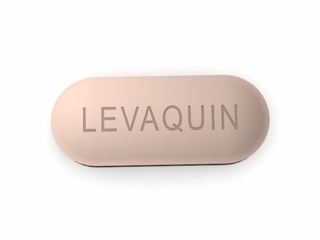
Levaquin (Levofloxacin) – Patient-Friendly Medicine Guide (Australia)
Levaquin contains levofloxacin, an antibiotic from the fluoroquinolone group. It is used to treat certain bacterial infections. This guide is designed to help you understand how Levaquin works, what it is commonly used for, how it’s taken, and important safety information. Always follow the instructions provided by your prescribing clinician and the product information supplied with your medicine.
1) Basic product information
| Product | Active ingredient | Medicine type | Common form |
|---|---|---|---|
| Levaquin | Levofloxacin | Antibiotic (fluoroquinolone) | Tablet (oral) and sometimes other presentations in different markets |
2) How Levaquin works (mechanism of action)
Levofloxacin works by targeting bacterial enzymes that are essential for DNA replication and repair. Specifically, it inhibits:
- DNA gyrase (topoisomerase II)
- Topoisomerase IV
By interfering with these enzymes, Levofloxacin prevents bacteria from multiplying, helping clear the infection. Its activity is mainly against susceptible Gram-positive and Gram-negative bacteria, and it is sometimes used for infections where other antibiotics may not be suitable.
3) Pharmacokinetics (how your body handles it)
Understanding pharmacokinetics can help you take the medicine at the right time and avoid interactions.
Absorption
Levofloxacin is absorbed after oral dosing. In general, it can be taken with or without food, but some foods and drinks containing minerals (or supplements) can affect absorption when taken at the same time.
Distribution
Once in the bloodstream, levofloxacin distributes into body tissues, including the respiratory tract and other sites, depending on infection type. Adequate levels are important for effectiveness.
Metabolism and elimination
Levofloxacin is eliminated primarily by the kidneys. This means that kidney function can influence blood levels and dosing decisions. If you have reduced kidney function, your clinician may adjust the dose or frequency.
Half-life
Levofloxacin has a relatively long half-life compared with some other antibiotics, allowing for once-daily or sometimes multiple daily dosing, depending on the infection and regimen.
4) Typical use in Australia (indications and examples)
Levaquin is used to treat bacterial infections caused by organisms sensitive to levofloxacin. The exact indications can vary depending on local prescribing practices and product availability. Common infection types may include:
- Respiratory tract infections (certain cases, including some types of pneumonia or exacerbations related to bacterial infection)
- Urinary tract infections (UTIs), depending on the bacteria involved and suitability of therapy
- Prostatitis (certain bacterial causes)
- Skin and soft tissue infections (when appropriate and when bacteria are susceptible)
Fluoroquinolones are powerful antibiotics. In many situations, they are used when there is a suitable reason—such as confirmed or suspected bacteria with resistance to other antibiotics, or when alternative options are not appropriate.
Why “bacterial” matters
Levaquin is not effective against viruses such as the common cold or most cases of influenza. Using antibiotics for viral infections can increase the risk of side effects and antibiotic resistance.
5) Timing: how to take Levaquin properly
Taking Levaquin consistently is important to maintain effective antibiotic levels. The right schedule depends on the regimen provided with your treatment plan.
General timing tips
- Try to take it at the same time each day if you have once-daily dosing.
- If you are prescribed multiple doses per day, space them evenly.
- Complete the full course unless a clinician advises stopping. Stopping early can allow infection to return.
What to do if you miss a dose
If you miss a dose, take it when you remember unless it is close to the time for the next dose. Do not take a double dose to make up for a missed tablet.
6) Food interactions and absorption (important)
Levofloxacin can generally be taken with or without food, but some products can reduce absorption. This is especially important for items containing minerals.
Common interactions that can lower antibiotic absorption
- Antacids containing aluminium or magnesium
- Sucralfate
- Iron or zinc supplements
- Calcium supplements (and possibly calcium-rich products/supplements at the same time)
To reduce the risk of decreased effectiveness, consider separating these by at least a few hours. A common approach is to take levofloxacin and mineral-containing products at different times (for example, separating by several hours). Your pharmacist can provide specific timing advice based on your exact products.
Food and drink
- Milk and typical meals may not be a major issue if taken as part of a regular diet, but mineral supplements can be.
- Hydration is generally a good idea, especially if you are experiencing vomiting, diarrhoea, fever, or increased urination.
7) Alcohol and medicine interactions
Alcohol is not always listed as a direct interaction with levofloxacin, but combining alcohol with antibiotics can be problematic. It may worsen side effects such as dizziness, nausea, and sleep disruption, and it can affect your ability to recover.
General advice
- It is best to limit or avoid alcohol while taking Levaquin.
- If you choose to drink, do so cautiously and avoid heavy amounts.
Other medicines that may interact
Levofloxacin has several potential medicine interactions. Important examples include:
- Warfarin and other anticoagulants: antibiotics can affect clotting control. Monitoring may be required.
- Non-steroidal anti-inflammatory drugs (NSAIDs) (e.g., ibuprofen) in some cases: increased risk of nervous system side effects has been reported with certain patients.
- Theophylline: may increase certain adverse effects.
- Medicines that affect heart rhythm: in people with risk factors, QT-interval concerns may be relevant.
- Glucose-lowering medicines (including insulin and some tablets): fluoroquinolones may affect blood sugar levels in some people.
This list is not exhaustive. Tell your pharmacist or clinician about all medicines and supplements you take (including vitamins, herbal products, and “over-the-counter” remedies).
8) Dosing: what people commonly take
Dosing depends on the infection being treated, severity, suspected bacteria, and kidney function. It also depends on your age and overall health.
Typical dosing patterns for adults may include once-daily or twice-daily regimens.
Example dosing overview (adult patterns)
In practice, clinicians choose a specific regimen. Common adult regimens for levofloxacin may include one of the following patterns:
- Once daily dosing for many respiratory or urinary infections
- More frequent dosing in selected circumstances
The duration of treatment also varies—from shorter courses for some uncomplicated infections to longer courses for more persistent infections.
Kidney function and dose adjustments
Because levofloxacin is cleared through the kidneys, reduced kidney function may require a lower dose or less frequent dosing. If you have chronic kidney disease or reduced renal function, make sure your clinician and pharmacist know.
Missed dose and dose correction
Do not adjust your dose yourself. If you think your dose may be incorrect, contact a healthcare professional promptly.
9) Safety profile: important warnings and side effects
Like all medicines, Levaquin can cause side effects. Many people tolerate it well, but it is important to know what to watch for. If you experience severe or rapidly worsening symptoms, seek urgent medical help.
Common side effects
- Nausea
- Diarrhoea
- Headache
- Dizziness
- Insomnia or disturbed sleep
- Stomach discomfort
Less common but serious side effects
Some effects require prompt medical attention. Contact a healthcare professional as soon as possible if you notice:
- Tendon pain or swelling (especially the Achilles tendon): stop exercise and seek medical advice promptly. Fluoroquinolones are associated with tendon problems.
- Nerve symptoms such as burning, tingling, numbness, or weakness (peripheral neuropathy): seek medical advice promptly.
- Severe allergic reactions (swelling of face/lips, difficulty breathing, hives, fainting).
- Severe or persistent diarrhoea, especially with fever or blood/mucus: could indicate antibiotic-associated colitis.
- Changes in heart rhythm (palpitations, fainting, significant dizziness), particularly if you have risk factors.
- Severe skin reactions (blistering, peeling, mouth sores, or widespread rash).
- Blood sugar disturbances (symptoms of hypoglycaemia: sweating, shaking, confusion; symptoms of high blood sugar: excessive thirst, frequent urination, drowsiness).
- Psychiatric or nervous system symptoms (agitation, confusion, hallucinations) particularly in patients at risk.
Who should take extra care?
Some patients may have a higher risk of serious side effects from fluoroquinolones. Extra caution may be needed if you:
- are older (age-related risks)
- have kidney impairment
- have a history of tendon disorders or steroid use
- have diabetes or are at risk of blood sugar problems
- have a history of heart rhythm problems or QT prolongation
- have previously experienced adverse reactions to fluoroquinolones
10) Practical use tips (to improve safety and effectiveness)
- Use a medication schedule: a phone reminder or pill organiser can help prevent missed doses.
- Stay hydrated: especially if you are unwell, have fever, or are experiencing diarrhoea.
- Avoid strenuous activity if you develop any tendon discomfort. Stop exercise and seek advice early.
- Monitor your symptoms: you should begin to feel better within the expected timeframe for your infection. If not, contact a clinician.
- Complete the course: do not stop early even if you feel improved.
- Keep track of side effects: note onset time and severity if you need to report them.
How to reduce nausea
If nausea occurs, taking Levaquin with food (if appropriate for your regimen) may help. Staying upright after taking it and eating small bland meals can also assist. If nausea is severe, consult a healthcare professional.
11) Alternative options for bacterial infections
“Best” antibiotic choice depends on the infection type, local resistance patterns, allergy history, kidney function, and whether the bacteria are susceptible. Alternatives may include other antibiotic classes, such as:
- Amoxicillin or amoxicillin-clavulanate
- Trimethoprim-sulfamethoxazole (where appropriate)
- Nitrofurantoin (for selected urinary infections)
- Cefalexin or other cephalosporins
- Doxycycline (for certain bacterial causes)
- Macrolides such as azithromycin or clarithromycin (in selected cases)
Your clinician will select the most suitable option. If you have experienced a reaction to levofloxacin or other fluoroquinolones, tell them so alternatives can be chosen safely.
12) Market and legal context in Australia
In Australia, medicines are supplied and classified under the Therapeutic Goods Administration (TGA) framework. Antibiotics are regulated to ensure safe use and to support antimicrobial stewardship (appropriate antibiotic use).
Levofloxacin products must be supplied in line with Australian medicines legislation and the required prescribing and dispensing practices. Online pharmacy availability can vary depending on stock, state/territory requirements, and regulatory rules.
13) Recent guidance and antimicrobial stewardship considerations
Across many countries, including Australia, antibiotic guidance increasingly emphasises:
- Using antibiotics only when needed and when infection is likely bacterial
- Choosing the narrowest effective antibiotic when possible
- Reviewing therapy based on test results (such as culture and sensitivity) when available
- Minimising unnecessary fluoroquinolone use due to risk-benefit considerations and known adverse effects
If you were given Levaquin, it may be because it is considered appropriate for the suspected bacteria and infection site. Do not reuse leftover antibiotics and do not share antibiotics with others.
14) Delivery and availability (online pharmacy in Australia)
Availability and delivery options can differ by online pharmacy provider and by product form/strength. When ordering in Australia, typical considerations include:
- Stock status: some strengths may sell out or require re-ordering.
- Delivery times: can vary by postcode and service level.
- Packaging: medicines are normally sent in secure, tamper-evident packaging.
- Cold-chain requirements: most tablets do not require refrigeration, but always follow the storage instructions on the label.
To ensure a smooth experience, check the website for: product strength, quantity, estimated dispatch time, and delivery fees.
15) Storage and disposal
Storage
- Store in a cool, dry place away from direct sunlight.
- Keep out of reach of children.
- Follow the specific storage instructions on the medication label or consumer medicine information.
Disposal
Do not dispose of antibiotics in household waste if local guidance suggests otherwise. Many communities provide take-back options or pharmacy disposal programs. Ask your local pharmacy for advice.
16) FAQ about Levaquin (levofloxacin)
How long does it take for Levaquin to work?
Many people start to notice improvement within 48–72 hours, depending on the type and severity of infection. If you are not improving or symptoms worsen, contact a healthcare professional promptly.
Can I take Levaquin with food?
Often yes. Food may reduce stomach upset. However, mineral-containing supplements or certain antacids can interfere with absorption—see the food interaction section for practical timing advice.
Can I drink alcohol while taking Levaquin?
It’s generally best to limit or avoid alcohol while you’re taking the antibiotic. Alcohol may worsen common side effects such as dizziness or nausea and can delay recovery.
What should I do if I feel dizzy or unwell after taking it?
Avoid driving or operating machinery if you feel dizzy, drowsy, or otherwise unwell. If symptoms are severe, persistent, or accompanied by other concerning signs, seek medical advice.
Is Levaquin safe for everyone?
Levaquin may not be suitable for everyone, particularly some higher-risk groups (for example, certain tendon, nerve, or heart rhythm risk conditions, diabetes, or kidney impairment). Your pharmacist or clinician can advise based on your health history and medicines.
What if I start getting tendon pain?
Stop exercise, avoid strenuous activity, and contact a healthcare professional promptly. Tendon issues can occur and need timely assessment.
Does Levaquin cause diarrhoea?
Diarrhoea is a known possible side effect. However, severe diarrhoea, especially if it contains blood/mucus or occurs with fever, should be assessed urgently.
Can Levaquin affect blood sugar?
Yes. Some people may experience hypoglycaemia or hyperglycaemia, particularly those with diabetes or taking glucose-lowering medicines. If you notice symptoms of low or high blood sugar, seek prompt advice.
What are the key medicine interactions I should know?
Important interactions can include anticoagulants (e.g., warfarin), mineral supplements/antacids (reduced absorption), and medicines affecting heart rhythm or blood sugar control. Always check with a pharmacist about your specific list of medicines and supplements.
What are the most effective steps to prevent antibiotic resistance?
Use the antibiotic only when appropriate, take it exactly as directed, avoid stopping early, and never use leftover antibiotics for new illnesses. Completing the course (when advised) helps ensure the infection is fully treated.
17) Summary
Levaquin (levofloxacin) is a fluoroquinolone antibiotic used to treat certain bacterial infections. It works by inhibiting key enzymes involved in bacterial DNA replication. Its dosing and safety depend on the infection type, kidney function, other medicines, and your overall health.
If you experience symptoms such as tendon pain, severe allergic reactions, severe diarrhoea, or signs of nerve problems, seek medical advice promptly. For best results, take your doses on schedule, separate mineral-containing products when needed, and complete the recommended course.