
Cephalexin (Cephalexin Monohydrate) — Patient Information
Cephalexin is a commonly used antibiotic medicine in the cephalosporin family. It is used to treat certain bacterial infections, and it works by stopping bacteria from building their protective cell walls. This page provides a patient-friendly overview of what cephalexin is, how it works, how it is taken, common uses, important safety information, and practical guidance for using it effectively in Australia.
Important: Cephalexin only treats infections caused by susceptible bacteria. It does not treat viral illnesses such as the common cold or influenza.
Basic product information
| Item | Details |
|---|---|
| Generic name | Cephalexin (often as cephalexin monohydrate) |
| Medicine type | Antibiotic (beta-lactam; first-generation cephalosporin) |
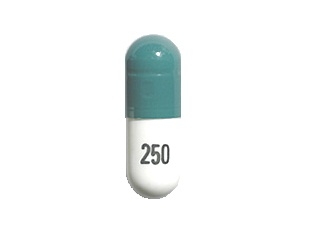
| Common forms | Capsules/tablets and liquid formulations (brand and strengths vary) |
| How it’s usually taken | By mouth |
| Typical dosing frequency | Often 2–4 times daily depending on the condition and age |
| Where it’s used | For selected bacterial infections such as skin and respiratory infections |
How cephalexin works (mechanism of action)
Cephalexin works by interfering with the bacteria’s ability to make and maintain its cell wall. Bacterial cell walls are essential for survival, especially during growth and reproduction. Cephalexin binds to specific proteins within the bacterial cell wall production process (often referred to as penicillin-binding proteins), leading to a weakened cell wall and eventual bacterial death.
In general, cephalexin is most effective against bacteria that are susceptible to first-generation cephalosporins. Effectiveness depends on the specific bacteria causing the infection and whether the organism is resistant.
Pharmacokinetics (how the body handles cephalexin)
Pharmacokinetics describes how the body absorbs, distributes, metabolises, and eliminates a medicine.
Absorption
Cephalexin is absorbed from the gastrointestinal tract after oral dosing. Absorption can vary between individuals, and taking it consistently as directed helps maintain steady antibiotic levels.
Distribution
After absorption, cephalexin distributes into body tissues and fluids. Concentrations reach therapeutic levels in many commonly affected areas depending on the infection site.
Metabolism
Cephalexin is not extensively metabolised. It largely remains unchanged in the body.
Elimination
Cephalexin is primarily eliminated by the kidneys. This means:
- Kidney function can affect how quickly the medicine leaves the body.
- People with reduced kidney function may require dose adjustments or closer monitoring.
Typical uses: what cephalexin is commonly used for
Cephalexin may be used for a range of bacterial infections. The exact choice of antibiotic depends on the likely bacteria, infection severity, local resistance patterns, patient factors, and whether culture testing is needed.
Common indications include
- Skin and soft tissue infections (for example, infected wounds, cellulitis, impetigo)
- Respiratory tract infections that are likely bacterial and susceptible to cephalexin (e.g., some cases of tonsillitis/pharyngitis and other upper respiratory infections, depending on clinical assessment)
- Bone and joint infections in selected situations (often under specialist guidance)
- Urinary tract infections (UTIs) caused by susceptible bacteria (may be considered depending on local guidance and individual circumstances)
- Dental-related infections may sometimes be treated with cephalexin as part of a broader management plan
Note: Not all infections are appropriate for cephalexin. If you are unsure whether your infection is bacterial, seek medical advice.
When to take cephalexin (timing guidance)
Antibiotics work best when blood levels remain within an effective range. Consistent timing can improve the chance of successful treatment.
- Take at regular intervals (e.g., every 6 hours or every 12 hours depending on the prescribed schedule).
- Finish the full course even if you feel better before it ends.
- If you miss a dose, take it when you remember unless it is close to the next dose. Do not take a double dose to “catch up”.
If dosing is different for children, older adults, or people with kidney problems, follow the specific instructions provided by the relevant clinician.
Food interactions and taking with meals
Cephalexin can usually be taken with or without food. Taking it with food may help reduce stomach upset (such as nausea or mild abdominal discomfort).
Practical tips
- If it upsets your stomach, try taking each dose with a meal or snack.
- Maintain a consistent approach (with or without food) to support routine adherence.
Always check the specific product label for any additional instructions related to that formulation.
Alcohol and medicine interactions
Cephalexin is not known for a direct, dangerous interaction with alcohol for most people. However, drinking alcohol can:
- worsen dehydration or upset the stomach (which can make side effects harder to tolerate)
- reduce your ability to rest and recover while you are unwell
- mask symptoms of worsening infection
Recommendation: It’s best to avoid or limit alcohol during antibiotic treatment, especially if you have fever, ongoing infection symptoms, or gastrointestinal side effects.
Medicines that may interact
Interactions can occur with other medicines. Tell your pharmacist or doctor about all medicines you take, including:
- Other antibiotics or antimicrobial medicines
- Probenecid (used for gout) — may affect antibiotic levels
- Medicines that affect kidney function
- Anticoagulants (blood thinners), such as warfarin — antibiotics can sometimes affect bleeding risk in some people
- Oral contraceptives — while broad evidence is mixed for most antibiotics, it’s wise to follow local guidance if you experience vomiting or severe diarrhoea
Your pharmacist can help check for interactions based on your specific medicines and health profile.
Dosing overview (age, condition, and kidney function)
Dosing varies by infection type, severity, age, and kidney function. Because cephalexin dosing differs across conditions, it is important to use the schedule provided for you (or for your child).
General principles for correct dosing
- Use the exact strength and form supplied (capsules/tablets vs liquid).
- Check the dosing frequency on the label or instructions.
- Adjustments may be needed if kidney function is reduced.
- Children’s dosing is commonly weight-based, so avoid “adult” dosing shortcuts.
Examples of dosing frequency (not a substitute for individual instructions)
Many cephalexin regimens involve dosing two to four times daily. Your clinician will select the most appropriate regimen based on the suspected bacteria and clinical situation.
If you are seeking general guidance for education, refer to the product information/consumer medicine information (CMI) available for your specific cephalexin product in Australia. For personalised dosing, consult your clinician or pharmacist.
How long to take cephalexin
The duration of treatment depends on the infection type and how quickly symptoms improve. Some skin infections may improve within a few days, while deeper or more complicated infections may require longer courses.
- Do not stop early unless advised.
- If there is no improvement after a reasonable period (commonly 48–72 hours for many acute infections), contact a healthcare professional for review.
Safety profile: side effects and when to seek help
Like all medicines, cephalexin can cause side effects. Many people experience none or only mild effects.
Common or mild side effects
- Nausea, mild stomach discomfort
- Diarrhoea
- Headache
- Skin rash (can occur; not always allergy)
Less common but important side effects
- Allergic reactions (see below)
- Severe diarrhoea that is persistent, watery, or bloody (seek urgent medical advice)
- Vaginal yeast infection in some people due to changes in normal flora
- Temporary changes in blood tests (usually identified by healthcare professionals if testing is required)
Allergy and anaphylaxis: seek urgent help
Cephalexin is a beta-lactam antibiotic. People with a history of allergy to cephalosporins (or certain penicillins) may be at higher risk of reaction.
- Seek urgent medical care if you develop swelling of the face, lips, tongue or throat, difficulty breathing, widespread hives, or feel faint.
- Contact a healthcare professional promptly if you develop a rash with blistering, skin peeling, or severe discomfort.
Clostridioides difficile (C. diff) diarrhoea
Antibiotics can sometimes disrupt gut bacteria and allow C. diff to overgrow. Watch for:
- severe watery diarrhoea
- diarrhoea with fever or abdominal pain
- diarrhoea that persists
If these occur, stop taking the medicine and seek urgent medical advice (unless your clinician instructs otherwise).
Practical tips for using cephalexin effectively
- Store correctly: Keep tablets/capsules in a cool, dry place and follow the product label for temperature requirements. For liquid formulations, check whether refrigeration is recommended.
- Measure liquid doses accurately using a medicine measure (syringe/cup) rather than a kitchen spoon.
- Take regular doses to maintain effectiveness.
- Hydrate and rest to support recovery.
- Use gentle supportive care for symptoms (e.g., fluids for a sore throat or fever management as advised). If you are taking other medicines (pain relief, antipyretics), check that they are safe for you.
- Don’t share antibiotics or use leftover medicine for a new illness—this can contribute to resistance and may be unsafe.
When to contact a healthcare professional
Contact a doctor or pharmacist promptly if any of the following happen:
- Symptoms worsen or do not start improving after 48–72 hours
- Severe or persistent diarrhoea
- Signs of allergy (hives, swelling, breathing difficulty)
- Signs of dehydration (especially in children/older adults)
- Rash that spreads quickly or causes blistering/peeling
- Unusual bruising or bleeding (if you take blood thinners)
Alternative options (other treatments you may be offered)
Alternatives to cephalexin depend on the infection, the likely bacteria, local prescribing practices, and your medical history (including allergies and kidney function). Options may include:
Antibiotic alternatives (examples)
- Other cephalosporins or penicillins (if appropriate and safe for allergy status)
- Macrolides (for some respiratory infections when cephalosporins are unsuitable)
- Clindamycin or other agents for specific skin/soft tissue infections
- For UTIs, different antibiotics may be considered based on culture results and resistance patterns
Non-antibiotic support may also be part of treatment (e.g., wound care, drainage when needed, pain control, and monitoring).
A pharmacist can help explain what alternatives might be considered for your specific scenario.
Cephalexin in Australia: market and legal context
In Australia, cephalexin is supplied under the Australian medicines scheduling system. Availability and pharmacy supply requirements depend on the specific product and formulation and may vary over time.
Antibiotic stewardship is strongly encouraged. This means cephalexin is used only when there is a reasonable likelihood that the infection is bacterial and susceptible to treatment. Taking antibiotics appropriately helps reduce side effects and slows the development of antibiotic resistance.
Recent guidance (high-level)
Australian health guidance generally emphasizes:
- Using antibiotics only when clearly indicated
- Choosing narrow-spectrum antibiotics when appropriate
- Reviewing treatment if no improvement occurs
- Encouraging adherence to the full course
- Reducing unnecessary antibiotic use
Local antimicrobial prescribing practices may differ between hospitals, regions, and infection types. Your clinician/pharmacist can advise based on current evidence and local protocols.
Delivery and availability (online pharmacy)
Cephalexin availability can vary by brand, strength, and formulation (capsules vs liquid). In an online pharmacy environment, stock may depend on supply timing and demand.
What you can expect
- Product matching: Ensure you select the correct strength and formulation (and follow the provided dosing instructions).
- Dispatch timing: Orders are typically processed on business days; delivery times vary by location.
- Cold chain: Some liquid medicines may require specific storage; check product instructions.
If a product is temporarily unavailable, the pharmacy may offer a suitable substitute where permitted, or advise on restock timing.
FAQ: Common questions about cephalexin
1) Is cephalexin the same as penicillin?
No. Cephalexin is a cephalosporin antibiotic. It’s related in function to beta-lactam antibiotics, but it is not the same medicine as penicillin.
2) How quickly should I feel better?
Many people notice symptom improvement within 48–72 hours of starting effective antibiotic treatment. If you feel worse or no improvement occurs, contact a healthcare professional for review.
3) What if I accidentally miss a dose?
Take the missed dose when you remember unless it is close to the next scheduled dose. Do not take a double dose. If you’re unsure, ask your pharmacist.
4) Can I take cephalexin with food?
Yes. It can usually be taken with or without food. Taking it with food may reduce nausea.
5) Can I drink alcohol while taking cephalexin?
A harmful interaction is not typically expected for most people, but alcohol can worsen dehydration and stomach side effects and may slow recovery. It’s generally best to avoid or limit alcohol during treatment.
6) What should I do if I get diarrhoea?
Mild diarrhoea can occur. However, seek urgent medical advice if diarrhoea is severe, persistent, watery, or bloody, or if you have fever or significant abdominal pain.
7) Should I stop cephalexin when I feel well?
No—complete the full course as directed. Stopping early can allow infection to return and can contribute to antibiotic resistance.
8) What if I have had an allergy to antibiotics before?
Tell your doctor or pharmacist about any past allergic reactions, including reactions to penicillin or other cephalosporins. If you develop signs of allergy (hives, swelling, breathing difficulty), seek urgent help.
9) Is cephalexin suitable for children?
Cephalexin is used in children when clinically appropriate, with dosing typically weight-based and based on the infection type. Always use the correct child formulation and dosing instructions.
10) Do I need to take probiotics?
Probiotics may be considered by some patients to help reduce antibiotic-associated diarrhoea, but evidence varies. If you want to use probiotics, discuss options with your pharmacist—especially if you are immunocompromised or have other health conditions.
Summary
Cephalexin is an oral cephalosporin antibiotic used for certain bacterial infections, most commonly affecting the skin/soft tissue, respiratory tract, and urinary tract depending on clinical assessment. It works by disrupting bacterial cell wall formation. For best results, take cephalexin at regular times, with or without food (often with meals if it upsets your stomach), and complete the full course. Seek urgent medical help if you develop signs of allergy or severe diarrhoea.