Aciclovir (Acyclovir) — Patient-Friendly Guide (Australia)
Aciclovir is an antiviral medicine used to treat and prevent infections caused by certain viruses, particularly herpes viruses. In Australia, aciclovir medicines are available in several forms (such as tablets and creams), and the best option depends on the virus, the location of infection, and your overall health.
This guide explains how aciclovir works, what it is used for, how to take it safely, and what to expect regarding timing, food, and interactions. Always follow the instructions provided with your specific product and consult a healthcare professional if you are unsure what is right for you.
Quick Product Information
| Category | Details |
|---|---|
| Generic name | Aciclovir (also known as Acyclovir) |
| Medicinal class | Antiviral (anti-herpetic) |
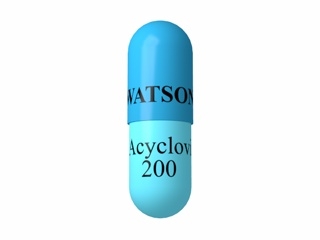
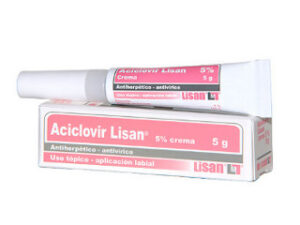
| Common forms | Tablets/capsules, oral suspension (where available), cream (topical) |
| Typical targets | Herpes simplex viruses (HSV-1, HSV-2), varicella-zoster virus (VZV) |
| Common uses | Cold sores (herpes labialis), genital herpes, shingles (herpes zoster), chickenpox (in certain cases) |
How Aciclovir Works (Mechanism of Action)
Aciclovir belongs to a group of antivirals that work by interfering with viral DNA replication. Here is the simplified process:
- Activation inside infected cells: The medicine is “activated” by viral enzymes present in infected cells. This helps aciclovir work more selectively against virus-infected cells.
- Blocks viral DNA building: Once activated, aciclovir interferes with the viral DNA polymerase enzyme. This prevents the virus from copying itself.
- Stops spread: With reduced viral replication, symptoms may improve faster and the risk of complications can be lowered.
Important: Aciclovir does not cure herpes infections permanently. Viruses can remain inactive in nerve cells and may reactivate later. Aciclovir helps manage outbreaks and, in some cases, reduce recurrence.
Pharmacokinetics (How the Body Handles It)
Pharmacokinetics describes how the body absorbs, distributes, metabolises, and eliminates a medicine. (This information is provided for general understanding; exact behaviour can vary by formulation and individual factors.)
- Absorption (oral forms): Aciclovir is absorbed through the gut after oral administration. Absorption may be improved by taking it with adequate fluid.
- Distribution: It distributes into body tissues, including areas affected by viral infections. It can cross into cerebrospinal fluid at relevant levels for some infections.
- Metabolism: Aciclovir is metabolised to a limited extent in the body (predominantly as an inactive metabolite).
- Elimination: The kidneys play a major role in removing aciclovir from the body. Therefore, dose adjustments may be needed in people with kidney impairment.
- Half-life: Aciclovir’s elimination half-life is typically a few hours in individuals with normal kidney function, and can be longer when kidney function is reduced.
Typical Uses of Aciclovir
Aciclovir is used to treat and, in some situations, prevent outbreaks caused by specific herpes viruses. Depending on the infection site and severity, doctors may recommend oral treatment, topical treatment, or both.
Common indications
- Cold sores (herpes labialis): Oral aciclovir may be used for more severe or frequent outbreaks; aciclovir cream may help certain cases.
- Genital herpes (HSV): Oral aciclovir is commonly used to treat outbreaks and may be used to suppress recurrent episodes.
- Shingles (herpes zoster, VZV): Oral aciclovir is used to treat shingles and reduce the chance of complications, especially nerve pain.
- Chickenpox (varicella, VZV): In some people at higher risk, oral aciclovir may be considered early in illness.
Not for: Aciclovir is not effective against influenza (flu) or most bacterial infections. It works against susceptible viruses, especially herpes viruses.
Timing: When to Start for Best Results
Timing matters with antiviral therapy. Starting early can improve outcomes.
- For outbreaks: Start as soon as symptoms begin (for example, tingling, itching, redness, or the earliest sores).
- For shingles: Treatment is usually most beneficial when started within a short window after rash onset.
- For prevention: If used to suppress recurrent infections, it is taken regularly as directed.
If you miss a dose, take it as soon as you remember unless it is close to the next dose. Do not double up to make up for a missed dose. If you are unsure, check your product label or seek advice from a pharmacist.
Dosing: General Guidance
Dose depends on the indication, age, kidney function, and the specific formulation (tablets/cream). For accuracy, always follow the dosing instructions supplied with your medication.
Common dosing patterns (examples)
- Oral treatment for herpes outbreaks: Often taken multiple times per day (commonly 2–5 times daily depending on the regimen and product).
- Oral treatment for shingles/chickenpox: Typically requires more frequent dosing and early initiation.
- Topical aciclovir cream: Applied several times daily for a limited duration during early lesions (follow the label).
Kidney function and dose adjustment
Because aciclovir is cleared mainly by the kidneys, people with reduced kidney function may require lower doses or longer dosing intervals. This is especially important for older adults and those with known kidney disease. Your pharmacist can help you identify whether dose adjustments are typically needed for your situation.
How to take oral aciclovir
- Take with a full glass of water.
- Maintain good hydration during treatment (unless you have fluid restrictions).
- Try to take doses at evenly spaced times to keep medication levels steady.
How to use aciclovir cream (topical)
- Apply a thin layer to the affected area as directed on the pack.
- Wash hands before and after application.
- Avoid applying to eyes or inside the mouth unless specifically instructed.
- Do not use on large skin areas unless advised.
Food Interactions (What to Know)
For most oral forms, aciclovir can generally be taken with or without food. However, food may affect how quickly the medicine reaches peak levels in some individuals. The most practical advice is:
- Follow the directions on your specific product label.
- If a dose upsets your stomach, take it with food (unless your label says otherwise).
- Keep consistent with how you take it day-to-day.
Alcohol and Medicine Interactions
There is no universally recommended “hard rule” that aciclovir must be avoided with alcohol, but alcohol can affect your health in ways that may worsen illness recovery.
Alcohol
- Avoid heavy drinking: If you are unwell, dehydration and reduced sleep can slow healing.
- Consider side effects: Aciclovir can cause dizziness or headache in some people; alcohol may increase these effects.
Medication interactions (general)
Aciclovir can interact with medicines that affect kidney function or kidney clearance. Common examples include medicines that may increase the risk of kidney problems, especially in combination with dehydration.
- Kidney-affecting medicines: Some drugs can affect how well the kidneys clear substances.
- Other nephrotoxic medicines: If you take other medicines known to affect kidneys, inform your pharmacist.
- Immunosuppressants: People who are immunocompromised may be managed differently; always disclose your full medication list.
For safety, it’s best to provide your pharmacist with a complete list of medicines, including over-the-counter products and supplements. This includes:
- pain relievers (including high-dose NSAIDs if used)
- herbal products
- probenecid or similar medicines (where applicable)
- any chronic medications
Safety Profile: Common Side Effects and When to Seek Help
Most people tolerate aciclovir well. Side effects can vary depending on whether you are using oral or topical formulations. The following list is not exhaustive; refer to your medicine information leaflet for detailed guidance.
Common side effects
- Nausea or gastrointestinal upset
- Headache
- Dizziness
- Diarrhoea (occasionally)
- For topical use: mild burning, dryness, or irritation at the application site
Serious side effects — get medical help urgently
Seek urgent medical attention if you experience:
- Signs of allergy: swelling of the face/lips, rash with breathing difficulty, or severe skin reactions
- Severe dehydration or inability to keep fluids down
- Confusion, marked drowsiness, or unusual neurological symptoms
- Reduced urination or severe lower back pain (may suggest kidney issues)
- Severe persistent vomiting or worsening illness
Who should be extra cautious
- People with kidney disease or older adults
- People with dehydration or at risk of dehydration
- Pregnant or breastfeeding individuals (decisions depend on risk/benefit; discuss with a healthcare professional)
- People with a weakened immune system
Practical Use Tips (How to Get the Best Results)
- Start early: Antiviral effects are strongest when taken soon after symptoms begin.
- Keep hydrated: Drink water regularly during oral treatment unless you have a fluid restriction.
- Don’t stop too soon: Finish the course unless advised otherwise.
- Reduce transmission: If you have herpes infections, avoid direct contact with sores and follow safe sex practices. Viral shedding can occur even when symptoms are not obvious.
- For cold sores: Avoid kissing and sharing drinks/cutlery during outbreaks.
- For shingles: Cover the rash as advised and avoid contact with people who have not had chickenpox or are immunocompromised.
- Store correctly: Keep medicines at room temperature unless your pack says otherwise; store out of reach of children.
If you are using topical aciclovir, avoid getting cream on other skin areas or in the eyes. Keep the application area clean and dry.
Alternative Options for Herpes Viral Infections
Several antiviral medicines are used for herpesvirus infections. Which one is appropriate depends on the condition, severity, kidney function, formulation availability, and patient preference.
Common alternatives
- Valaciclovir: Often used for HSV and VZV; typically taken fewer times per day than aciclovir.
- Famciclovir: Another option used for HSV and shingles in some cases.
- Topical alternatives: Some topical antivirals or supportive creams may be considered depending on local availability and the condition.
Supportive care
In addition to antivirals, supportive measures may help comfort and recovery:
- pain relief (as advised by a healthcare professional)
- cold compresses for cold sores
- skin care and keeping lesions clean and protected
- for shingles: close follow-up if pain becomes severe
A pharmacist can help compare available options in Australia, including differences in dosing frequency and typical side-effect profiles.
Aciclovir in the Australian Market: Legal and Safety Context
In Australia, medicines are regulated to ensure quality, safety, and effectiveness. Availability and classification can vary by product and form. Some antiviral medicines may be available through prescription channels, while certain formulations or products may be subject to pharmacist advice or specific access requirements.
Online pharmacies in Australia should operate in line with Australian consumer law and relevant medicine distribution regulations. When shopping online, choose a reputable provider that:
- clearly lists product details (active ingredient, strength, dosage form)
- provides trustworthy supply and delivery information
- does not offer misleading “miracle cure” claims
- encourages safe use and includes credible medicine information
Note: Product availability can change due to supply, regulatory updates, or manufacturer decisions. If a specific strength or form is temporarily unavailable, a pharmacist may suggest an alternative formulation that matches your needs.
Recent Guidance and Updates (What to Watch For)
Clinical recommendations for herpesvirus treatment often emphasise:
- Early treatment for shingles and significant outbreaks
- Renal dosing awareness in older adults and people with kidney disease
- Supportive care and monitoring for complications (particularly for shingles)
- Individualised risk assessment for immunocompromised patients and pregnant/breastfeeding individuals
Always check that your product information (and the dosing schedule you use) matches current guidance and the specific indication. For the most up-to-date advice, speak with a pharmacist or healthcare professional.
Delivery and Availability (Online Pharmacy Australia)
Availability of aciclovir depends on the formulation (tablet vs topical cream) and the strength of the product. In many cases, online pharmacies can deliver within Australia using standard couriers, with tracking and secure packaging.
What to expect
- Packaging: Medicines are typically supplied in original manufacturer packaging.
- Timing: Delivery times vary by location and stock status.
- Tracking: Many orders include tracking details once dispatched.
- Substitution: If a product is out of stock, a pharmacist may suggest an equivalent option (only if permitted and appropriate).
For the fastest service, ensure your delivery address is correct and include any required contact details for delivery notifications. If your order is time-sensitive (for example, shingles symptoms beginning), choose an expedited delivery option if available.
Frequently Asked Questions (FAQ)
1) What is aciclovir used for?
Aciclovir is used to treat infections caused by herpes viruses such as herpes simplex (cold sores and genital herpes) and varicella-zoster (shingles and chickenpox in certain higher-risk cases).
2) How quickly does aciclovir work?
Many people notice improvement within a few days, especially when treatment starts early. How fast symptoms settle can vary based on the severity of infection and how soon therapy began.
3) Should I take aciclovir even if I feel better?
If you are taking a defined course, complete it unless your healthcare professional advises otherwise. Stopping early may reduce the effectiveness of the treatment plan.
4) Can I use aciclovir cream with tablets?
In some situations, topical and oral formulations may be used together depending on the condition and location of lesions. Follow your product directions and professional advice.
5) Does aciclovir stop herpes from coming back?
Aciclovir cannot eliminate the virus permanently, but regular suppressive use (when advised) can reduce the frequency of recurrences. Even then, outbreaks can still occur occasionally.
6) Are there food restrictions?
Usually, aciclovir can be taken with or without food. If your stomach is sensitive, taking with food may help—unless your product label says otherwise.
7) Can I drink alcohol while taking aciclovir?
Light alcohol may not be strictly prohibited, but it can worsen dehydration or side effects such as dizziness. Avoid heavy drinking and stay well hydrated.
8) Who should avoid aciclovir or get extra advice first?
People with kidney disease, older adults, those who are dehydrated, and individuals who are pregnant or breastfeeding should seek personalised advice. Also inform your pharmacist if you take other medicines that may affect kidney function.
9) What should I do if I miss a dose?
Take it when you remember unless it’s close to the next dose. Do not double up. If you’re unsure, ask your pharmacist.
10) When should I seek urgent help?
Get urgent medical attention for signs of allergic reaction, severe worsening symptoms, reduced urination, severe confusion, or other serious symptoms.
Summary
Aciclovir is a well-established antiviral medicine used for herpesvirus infections such as cold sores, genital herpes, and shingles. Its effectiveness depends strongly on starting treatment early and following the correct dosing schedule. Because the medicine is processed through the kidneys, hydration and attention to kidney function are important.
If you have questions about how to take aciclovir safely, which formulation is most suitable, or how it may interact with your current medicines, your pharmacist is a great resource.