
Famvir (Famciclovir) – Patient-Friendly Medicine Guide (Australia)
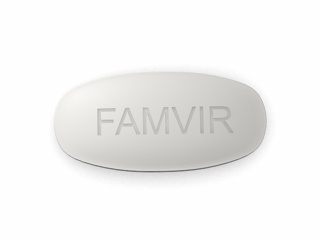
Famvir is a brand of famciclovir, an antiviral medicine used to treat certain viral infections—most notably infections caused by the herpes virus family (including herpes simplex and herpes zoster/shingles). This guide explains how Famvir works, how it is taken, possible side effects, important interactions, and practical tips for safe use in everyday life in Australia.
| Category | Details |
|---|---|
| Active ingredient | Famciclovir (famciclovir) |
| Medicine type | Antiviral (systemic) |
| Common uses | Cold sores (herpes simplex), shingles (herpes zoster), genital herpes in selected cases |
| How it works | Converts in the body to an active antiviral form that blocks viral DNA replication |
| Form | Oral tablets |
Basic product information
Famvir contains famciclovir, which is converted into its active form inside the body. The medicine is taken by mouth as tablets. It is used to treat episodes of herpes virus infections and, in some situations, to reduce recurrence (for example, in people with frequent outbreaks).
If you have been given Famvir, it is important to follow your clinician’s instructions and complete the full course as directed. Starting treatment early can be especially beneficial for shingles.
How Famvir works (mechanism of action)
After taking famciclovir, your body converts it to penciclovir (the active antiviral). Penciclovir works mainly by:
- Inhibiting viral DNA replication: It targets the virus’s ability to reproduce by interfering with viral DNA synthesis.
- Selective action in infected cells: The active form is preferentially activated in infected cells, helping limit harm to healthy cells.
- Reducing viral activity: This can help shorten the duration of symptoms and promote healing of lesions.
Pharmacokinetics (what the body does with the medicine)
Pharmacokinetics describes how the medicine is absorbed, distributed, metabolised, and eliminated. Understanding these points can help you take Famvir at the right times and be aware of factors that may influence effect.
Absorption and conversion
Famciclovir is rapidly converted to penciclovir after oral administration. The active drug level rises after dosing, supporting antiviral activity during the outbreak.
Distribution
Penciclovir distributes to tissues where herpes viruses cause infection, including skin and mucosal surfaces. This distribution helps it work against active lesions.
Metabolism
Famciclovir is metabolised primarily to penciclovir. The body’s conversion process is a key step in its therapeutic effect.
Elimination
The active component is eliminated mainly via the kidneys. If you have kidney impairment, your dosing may need adjustment.
What Famvir is used for (indications)
Famvir is used to treat infections caused by herpes viruses, including:
- Herpes zoster (shingles): to treat the episode and may reduce the length of viral shedding and improve healing.
-
Herpes simplex infections such as:
- Cold sores (herpes labialis)
- Genital herpes (in selected situations)
- Recurrent herpes simplex: in some people to reduce the frequency of recurrences (depending on individual circumstances).
Exact suitability depends on your condition, your medical history, and your kidney function. Always use the regimen your healthcare professional recommends for your specific diagnosis.
When to take Famvir (timing and early treatment)
Timing is important for antivirals. In many herpes infections:
- Start as early as possible—ideally at the first sign of symptoms. For shingles, early initiation is commonly advised (often within 72 hours of rash onset).
- Keep dosing regular to maintain effective antiviral levels.
- Complete the course even if you feel better, unless your clinician advises otherwise.
Dosing overview (typical regimens)
Dosing depends on the infection type, severity, number of doses, and kidney function. Below is an overview of common dosing patterns used for famciclovir. Your prescribed regimen may differ.
| Condition | Typical dosing pattern (overview) | Timing notes |
|---|---|---|
| Shingles (herpes zoster) | Often taken multiple times daily for a short course (exact dose varies) | Best results when started within ~72 hours of rash onset |
| Cold sores (herpes labialis) | Regimens may be short-course, sometimes with dosing at outbreak onset | Start at prodromal symptoms (tingling/burning) or when lesions begin |
| Genital herpes | Often multiple daily doses for an episode; suppressive regimens may be used in recurrent disease | For outbreaks, early treatment after symptom onset is important |
| Recurrent herpes simplex suppression | Longer-term dosing may be prescribed in people with frequent recurrences | Discuss regular review with your clinician |
Kidney impairment: Because penciclovir elimination depends largely on kidney function, your healthcare professional may prescribe a lower dose or less frequent dosing if you have kidney problems. If you are unsure, check your label or ask your clinician.
Missed dose: If you miss a dose, take it when you remember unless it is close to the next scheduled dose. Do not take double the dose to make up for a missed one.
Food interactions (can you take Famvir with meals?)
Many people can take famciclovir with or without food. However, practical consistency matters:
- With meals: may be helpful if you experience stomach upset.
- Without meals: may suit others if it does not cause nausea.
If your clinician or pharmacist has given specific instructions, follow those instructions. Also check the Consumer Medicine Information (CMI) for the product you are given.
Alcohol and medicine interactions
Famvir itself does not have a well-known direct “dangerous” interaction with alcohol in the way some medicines do. However, alcohol can:
- increase the chance of stomach irritation or nausea for some people,
- reduce sleep quality (which may slow recovery during outbreaks), and
- trigger or worsen symptoms in some individuals who notice a pattern between alcohol and outbreaks.
For best comfort and recovery, it is generally sensible to keep alcohol intake moderate and observe how your body responds. If you are taking other medicines, especially those that affect the liver or kidneys, discuss alcohol use with a healthcare professional.
Other important medicine interactions
Interactions can occur when medicines affect how the body clears the drug or when they change kidney blood flow. Famciclovir is cleared largely through the kidneys, so medicines affecting kidney function may require caution.
Tell your pharmacist or doctor about all medicines you use, including:
- prescription medicines
- over-the-counter medicines
- herbal supplements
- vitamins or “natural” products
If you have reduced kidney function, extra care is needed. Your clinician may monitor kidney function or adjust your dose.
Safety profile: side effects and when to seek help
Like all medicines, Famvir can cause side effects. Many are mild and improve as your body adjusts. If you experience severe symptoms or signs of allergy, seek medical attention promptly.
Common side effects
- Headache
- Nausea
- Diarrhoea or gastrointestinal upset
- Dizziness (in some people)
Less common but important
- Allergic reaction: rash, itching, swelling of face/lips, difficulty breathing (medical emergency)
- Kidney-related issues: reduced urine output, worsening swelling, unusual fatigue (especially if you already have kidney disease)
When to stop and get urgent advice
Seek urgent medical help if you develop:
- swelling of the face, lips, tongue or throat
- trouble breathing or wheezing
- severe dizziness or fainting
- signs of severe allergic rash
Pregnancy, breastfeeding and special populations
If you are pregnant, trying to conceive, or breastfeeding, discuss the risks and benefits with your healthcare professional. The decision to use antiviral therapy depends on the situation and your overall health.
Children and older adults may require different dosing strategies; kidney function is particularly important in older adults.
Practical use tips (getting the best outcome)
Antiviral medicine works best alongside good outbreak care. Consider these tips:
- Start early: for cold sores and genital herpes, beginning treatment at the first sign can help reduce severity and duration.
- Don’t skip doses: consistent dosing improves the chance of controlling viral replication.
- Hydrate: adequate fluid intake supports kidney function, especially important for people at risk of dehydration.
- Keep lesions clean: gentle hygiene can reduce discomfort and secondary irritation.
- Avoid skin friction: loose clothing can help shingles or genital outbreaks feel less painful.
-
Reduce transmission:
- Cover lesions where possible.
- For genital herpes, practice safer sex as advised by your clinician.
- Remember: antivirals can reduce shedding, but do not eliminate the risk of transmission completely.
Alternative options (other medicines for herpes infections)
Depending on the infection type, time since symptom onset, and individual medical factors, other antiviral options may be considered. Options commonly used for herpes viruses include:
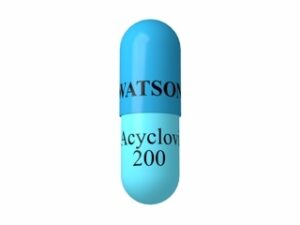
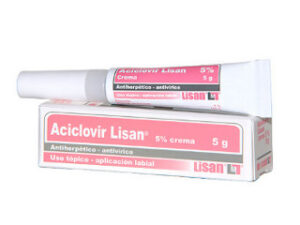
- Acyclovir
- Valaciclovir
- Other antiviral strategies in specialist settings
Choice of medicine can depend on dosing convenience, kidney function, previous response, and whether you are treating an episode or suppressing recurrences. If you are changing medicines, your healthcare professional can advise on the most appropriate regimen.
Market and legal context for Australia
In Australia, antiviral medicines used for herpes infections are governed by the country’s medicines regulatory framework. Brand names and formulations are supplied under approved quality and safety requirements.
Availability and prescribing rules vary by product and indication. Some antivirals may be dispensed under specific clinical circumstances. Always rely on the guidance in the product’s official Consumer Medicine Information (CMI) and advice from a licensed healthcare professional.
Recent guidance and clinical considerations
Clinical guidance for herpes infections generally emphasises:
- Early antiviral therapy, particularly for shingles
- Individualised dosing based on infection type and kidney function
- Management of symptoms alongside antivirals (pain relief, supportive care)
- Reassessment when pain persists: after shingles, some people experience ongoing nerve pain. Clinicians may adjust treatment if post-herpetic pain continues.
Recommendations can evolve as new evidence becomes available. If you have questions about your regimen, speak with your clinician or pharmacist.
Delivery and availability (online pharmacy)
If Famvir is available through your online pharmacy, you can typically select your quantity and choose a delivery option at checkout. Delivery time depends on stock availability and your location within Australia.
- Stock availability: may vary by strength and packaging size.
- Packaging: medicines are supplied in the original manufacturer packaging where possible.
- Storage: store at room temperature and protect from moisture and heat as directed on the label/CMI.
For the most accurate delivery estimates, use the delivery information provided during checkout.
FAQ: Famvir (famciclovir)
1) What is Famvir used for?
Famvir (famciclovir) is used to treat herpes virus infections such as shingles (herpes zoster) and herpes simplex infections including cold sores. It may also be used in some cases to reduce recurrence of outbreaks.
2) How quickly does it work?
Many people notice improvement in symptoms within a few days, especially when started early. The biggest benefit is often seen when treatment begins at the earliest symptoms of an outbreak.
3) Can I take Famvir if I have kidney problems?
Famciclovir is cleared mainly by the kidneys. If you have kidney impairment, your dose may need adjustment. Check with your clinician or pharmacist for advice tailored to your kidney function.
4) Should I take Famvir with food?
Many people can take famciclovir with or without food. If it upsets your stomach, taking it with a meal may help. Follow the instructions on your product label or from your healthcare professional.
5) Is it safe to drink alcohol while taking Famvir?
There is not a commonly cited direct dangerous interaction for most people, but alcohol can worsen side effects or recovery. If you choose to drink, keep it moderate and monitor how you feel.
6) What should I do if I miss a dose?
Take the missed dose when you remember unless it is close to the next scheduled dose. Do not take a double dose.
7) What side effects are most common?
Common side effects include headache, nausea, diarrhoea, and dizziness. Contact a healthcare professional if side effects are severe or persistent.
8) When should I seek urgent help?
Seek urgent medical assistance if you develop signs of a serious allergic reaction such as swelling of the face/lips/tongue, trouble breathing, or severe rash.
9) Can Famvir prevent outbreaks?
In some individuals, longer-term regimens may be used to reduce the frequency of recurrent herpes simplex outbreaks. Your healthcare professional will decide if suppression is appropriate.
10) What are good self-care steps during an outbreak?
Start antiviral treatment early, keep lesions clean, avoid friction, and consider pain relief measures recommended by your healthcare professional. For genital herpes, safer sex and covering lesions can help reduce transmission risk.
Important patient note
This information is intended to help you understand Famvir and use it safely. It does not replace the advice of a healthcare professional. If you have questions about your dose, suitability, side effects, or interactions with other medicines, contact your clinician or pharmacist.