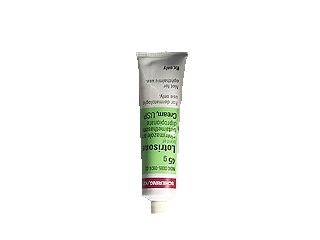
Lotrisone (Betamethasone / Clotrimazole) — Patient Information
Lotrisone is a combination medicine used for certain skin conditions where a fungal infection and inflammation occur together. It contains:
- Betamethasone (a corticosteroid to reduce inflammation, itching and redness)
- Clotrimazole (an antifungal to treat the underlying fungal infection)
This guide is written for people in Australia and explains what Lotrisone is, how it works, how to use it safely, and when to seek medical advice.
Basic product information
| Feature | Details |
|---|---|
| Common name | Lotrisone |
| Active ingredients | Betamethasone / Clotrimazole |
| Medicine type | Topical combination: corticosteroid + antifungal |
| Form | Cream or ointment (availability may vary by brand/supply) |
| Who it’s for | Adults and, in certain circumstances, children (use must follow product directions) |
| Where it’s used | Skin only (avoid eyes and inside the mouth) |
How Lotrisone works (mechanism of action)
Lotrisone combines two complementary actions:
- Clotrimazole (antifungal): helps stop fungi from growing and multiplying. It interferes with fungal cell membrane function, leading to impaired growth and eventual elimination of the fungus.
- Betamethasone (corticosteroid): reduces inflammation by calming the immune response in the skin. This helps relieve redness, swelling, itching and discomfort.
Why the combination matters: In many fungal rashes, inflammation can be intense. The antifungal targets the cause, while the steroid rapidly improves symptoms—often providing faster relief than antifungal alone.
Pharmacokinetics (what happens in the body)
Lotrisone is a topical medicine. This means it is applied to the skin and works locally.
- Absorption: Most of the medicine acts on the skin surface. A smaller amount may be absorbed into the bloodstream, especially if applied over large areas, under occlusion (e.g., tight bandages), on broken skin, or for long periods.
- Distribution and metabolism: If absorbed, betamethasone and clotrimazole are processed by the body (metabolised) and eliminated through normal biological pathways.
- Systemic effects risk: The risk of systemic steroid side effects is generally low when used as directed, but increases with higher dose, prolonged use, or use under covering/occlusion.
Because Lotrisone is applied to skin, practical use—correct amount, correct site, and appropriate duration—greatly influences safety.
Typical uses (indications)
Lotrisone is used for certain fungal skin infections where there is also significant inflammation. Common examples may include:
- Tinea infections (ringworm) of the body where redness and itch are prominent
- Fungal infections in skin folds where inflammation is present
- Cutaneous candidiasis (e.g., yeast-related rashes) with inflammatory features, when suitable for steroid-antifungal combination therapy
Important: The specific suitability depends on diagnosis. If your rash is not fungal (for example, eczema, psoriasis, bacterial infection, or viral conditions), a steroid-containing product can sometimes worsen the underlying condition.
When to expect improvement (timing)
Many people notice symptom relief within the first few days, particularly because betamethasone reduces itching and redness.
- First 3–7 days: itching and inflammation often start to improve.
- 1–2 weeks: fungal lesions should be visibly improving.
- No improvement: if there is no clear improvement within about 1 week, or if the rash worsens, reassess the diagnosis and treatment plan.
Even if symptoms improve: finish the course as directed. Stopping early may allow the fungus to return.
Dosing and how to use Lotrisone
Use Lotrisone strictly according to the product directions on the package or any instructions provided by your pharmacist/health professional. Dosing can differ depending on the condition, skin site, and product strength/form.
General guidance:
- Apply a thin layer to the affected area and gently massage in.
- Typically applied 1–2 times daily (frequency depends on the specific product/label instructions).
- Wash hands before and after application unless treating the hands.
- Continue for the prescribed/labelled duration, usually for a limited period.
Avoid these areas unless directed:
- Eyes and eyelids
- Mouth and inside the nose
- Open wounds or severely broken skin
- Genital areas unless specifically advised (the skin is more absorbent and sensitive)
- Use with occlusive dressings (e.g., plastic wrap) unless instructed
Contact with clothing/bedding: Let the product absorb before covering the area with clothing. If you cover the rash, use breathable fabric and avoid tight, sealed coverings unless your clinician advises otherwise.
Food interactions
Because Lotrisone is applied to the skin, food interactions are not expected. No specific dietary changes are required for using topical Lotrisone.
However, if the rash is related to another condition (e.g., diabetes or immune-related issues), lifestyle and medical management may indirectly influence outcomes.
Alcohol and medicine interactions
Alcohol: There is typically no direct interaction between topical Lotrisone and alcohol. Still, consider the overall health context and avoid alcohol if you are taking other medicines that may affect skin healing or your immune system.
Other medicines: Interactions with systemic medicines are unlikely due to low absorption. However, interaction considerations include:
- Other topical products: Avoid applying multiple strong topical medicines over the same area unless advised (for example, antiseptics, other antifungals, or additional steroid creams).
- Immunosuppressive medicines: If you use medicines that suppress immune function, fungal infections may be more difficult to treat and require reassessment.
- Photosensitive medicines: Steroids can occasionally contribute to skin thinning; avoid unnecessary irritation and protect skin from excessive sun exposure.
If you’re using any other prescription or non-prescription medicines, tell your pharmacist so they can help check safe use together.
Safety profile and side effects
As with all medicines, Lotrisone can cause side effects. Many are mild and related to skin use.
Common side effects
- Burning, stinging or irritation at the application site
- Dryness or mild skin redness
- Itching may temporarily worsen in some people
- Contact dermatitis or sensitivity to ingredients (uncommon)
Serious but less common risks (mainly from steroid exposure)
Because Lotrisone contains a potent corticosteroid, risks are increased with prolonged use, large treatment areas, skin folds, broken skin, or covering/occlusion.
- Skin thinning (atrophy) and increased fragility
- Stretch marks (striae)
- Changes in skin colour (hypopigmentation/hyperpigmentation)
- Enlarged surface blood vessels (telangiectasia)
- Worsening or spread of infection if not fungal or if treatment is inappropriate
- Systemic steroid effects (rare), such as suppression of the body’s own steroid production, especially in children or with excessive use
Stop and seek advice urgently if you notice
- Severe worsening rash, intense pain, blistering or spreading swelling
- Signs of infection such as pus, fever, or rapid deterioration
- Rash near eyes with vision changes
- No improvement after the expected timeframe
Special populations
- Children: Children’s skin absorbs medicines more easily. Use only as directed for age and condition. Avoid long durations and occlusive use.
- Pregnancy and breastfeeding: Many topical medicines can be used with caution, but it’s important to avoid using on large areas or for long periods and to avoid application to nipples before feeding unless instructed by your clinician.
- People with diabetes or immune conditions: Fungal infections may be harder to control; earlier reassessment is helpful if symptoms persist.
Practical use tips for best results
These tips can improve treatment success and reduce recurrence:
- Clean and dry first: Gently wash the area with mild soap and water, then pat dry.
- Apply evenly: Use enough to cover the affected area and a small margin around it.
- Wash hands: Prevent accidental spread to other parts of the body (including eyes).
- Don’t share towels: Use a personal towel and launder it regularly.
- Keep skin dry: Moisture promotes fungal growth. In skin folds, drying helps.
- Manage contributing factors: If you have recurrent fungal rashes, consider footwear hygiene (for athlete’s foot), weight management, sweat control, and addressing underlying skin conditions.
- Complete the course: Even if it looks better, follow the full duration indicated.
Do not: use on broken skin unless directed, use with occlusive dressings, or apply to large areas for extended periods without medical advice.
When Lotrisone may not be the right choice
Lotrisone is designed for inflammatory fungal rashes. It may be unsuitable if the rash is caused by something else.
Consider alternative evaluation if you suspect:
- Acne, rosacea, or perioral dermatitis
- Viral skin infections (e.g., herpes, warts)
- Skin lesions with pus, marked crusting, or rapidly progressive redness suggesting bacterial infection
- Skin conditions like eczema or psoriasis without a confirmed fungal component
Steroids can sometimes mask symptoms of an infection. If symptoms recur quickly after stopping, the diagnosis may need reassessment.
Alternative options
Your pharmacist may recommend other treatments depending on the cause of the rash. Alternatives may include:
- Antifungal creams alone (without a corticosteroid), such as those containing azoles or allylamines—useful when inflammation is mild or when steroid use is not appropriate.
- Non-steroid anti-inflammatory skin treatments (where suitable), particularly for non-fungal inflammatory conditions.
- Oral antifungal medicines for extensive infections, infections involving hair/nails, or cases resistant to topical therapy (these require clinician guidance).
The best choice depends on where the rash is located, how widespread it is, and how it looks. If uncertain, pharmacists can help triage and suggest appropriate next steps.
Market and legal context in Australia (availability considerations)
In Australia, the availability of topical combination medicines may be influenced by scheduling, registration status, and local supply arrangements. Some strengths and formulations may vary by supplier.
When choosing a product in Australia:
- Check the active ingredients, concentration, and form (cream/ointment) on the pack.
- Follow Australian product directions specific to that brand and formulation.
- Be aware that supply can change; an alternative equivalent product may be offered if exact stock is unavailable.
Recent guidance: In recent years, clinical advice for fungal rashes has emphasised careful diagnosis and appropriate use of corticosteroid combinations. These combinations are most appropriate where fungal infection is confirmed or very strongly suspected, and should not be used for prolonged periods without review.
Delivery and availability
Online pharmacies typically provide:
- Secure delivery options across Australia
- Product packaging designed to protect topical medicines
- Clear information on stock availability and dispatch times
Storage: Store at room temperature away from direct sunlight. Keep the tube/jar tightly closed. Keep out of reach of children.
If you have questions about whether Lotrisone is currently available in your area or in the exact form you want, your pharmacy can help confirm options.
FAQ
1) What is Lotrisone used for?
Lotrisone is used on the skin for certain fungal infections where there is also significant inflammation (for example, redness, itching and swelling) and where a steroid-antifungal combination is considered appropriate.
2) How fast will it work?
It often reduces itching and redness within a few days. Visible improvement in the fungal rash should occur within about 1–2 weeks. If you see no clear improvement within about a week, have the rash assessed.
3) Can I use Lotrisone on my face?
Use on the face should be approached carefully because facial skin is more sensitive and steroid effects can be more noticeable. Only use if the label directions and your pharmacist/clinician consider it suitable.
4) Can I use it under a bandage or plaster?
Avoid occlusive coverings (such as airtight bandages) unless specifically directed. Occlusion increases absorption of the steroid and the risk of side effects.
5) What should I do if my rash gets worse?
Stop using and seek advice promptly, especially if the rash rapidly spreads, becomes very painful, blisters, oozes, or you develop fever. Worsening can indicate incorrect diagnosis or another type of infection.
6) Can I stop once symptoms improve?
It’s important to follow the full recommended duration. Stopping early may allow the fungus to return, causing recurrence.
7) Is it safe to use if I’m pregnant or breastfeeding?
Many topical medicines can be used with caution, but you should avoid applying to large areas or for long periods. If breastfeeding, avoid applying to the nipple/areola before feeding unless directed by your clinician.
8) Will it stain clothes or bedding?
Lotrisone may leave a residue depending on the formulation. Applying a thin layer and allowing it to absorb fully before covering the area can reduce staining.
9) What if I’m using other creams at the same time?
Avoid layering multiple active medicines on the same skin area unless advised. If you need to use moisturisers or barrier creams, ask your pharmacist about safe timing (often spacing application times can help).
10) Are there any food interactions?
No specific food interactions are expected with a topical product like Lotrisone.
11) Can I drink alcohol while using Lotrisone?
Direct alcohol interactions are not expected with topical use. If you have other medical conditions or medicines, consider overall safety and healing.
Need more help?
If you’re unsure whether your rash is fungal, or if symptoms persist or recur, a pharmacist can help you check the product match and safe use. If severe symptoms develop or there’s no improvement within the expected timeframe, seek timely medical advice.