
Nizoral (Ketoconazole) – Patient Information (Australia)
Nizoral contains ketoconazole, an antifungal medicine used to treat fungal infections of the skin, hair, and sometimes more widespread fungal disease depending on the formulation and local prescribing guidance. This page explains what ketoconazole does, how it works, how to use it safely, and what interactions and precautions to consider for people in Australia.
At a Glance
- Active ingredient: Ketoconazole
- Medicine type: Antifungal (azole) medicine
- Common uses: Fungal infections including tinea (ringworm), tinea versicolor, and fungal conditions such as seborrhoeic dermatitis (depending on product form)
- Common forms: Topical creams and shampoos (varies by brand/availability)
- Key safety notes: Avoid unnecessary use; report serious side effects promptly; be careful with liver-related risks for oral ketoconazole products
Basic Product Information
| Category | Details |
|---|---|
| Medicine | Nizoral (Ketoconazole) |
| Active ingredient | Ketoconazole |
| How it’s used | Typically topical for many common skin/scalp fungal conditions; availability of oral formulations has specific safety/eligibility considerations |
| Therapeutic class | Imidazole (azole) antifungal |
| Target organisms | Yeasts and fungi including Malassezia and dermatophytes (depending on infection type) |
If you are unsure which Nizoral product is right for your symptoms (cream versus shampoo, and the severity/location of infection), check the product label carefully and consult a pharmacist or clinician.
How Ketoconazole Works (Mechanism of Action)
Ketoconazole belongs to the azole group of antifungal medicines. It works by interfering with the production of ergosterol, a key component of fungal cell membranes. Without ergosterol, fungal cell membranes become unstable and fungal growth is inhibited, helping to clear the infection.
- Primary effect: Stops fungi from building and maintaining their cell membranes
- Result: Reduces fungal load and helps symptoms (itch, scaling, rash) improve
- For some conditions: It can also reduce yeast overgrowth that triggers inflammation
Pharmacokinetics (How the Body Handles It)
“Pharmacokinetics” describes absorption, distribution, metabolism, and excretion. The exact profile depends on the formulation (topical versus oral) and the condition of the skin or scalp.
Topical ketoconazole (cream/shampoo)
- Absorption: Generally low through intact skin; absorption may be higher if applied to broken/irritated skin or large areas.
- Local action: Works mainly at the site of infection (skin/scalp).
- Systemic exposure: Typically limited compared with oral therapy.
Oral ketoconazole (if applicable)
- Absorption: Oral ketoconazole is absorbed from the stomach; absorption can be reduced when stomach acid is low.
- Metabolism: Processed mainly in the liver.
- Drug interactions: Many interactions occur because ketoconazole can affect liver enzymes and drug levels of other medicines.
- Excretion: Mostly eliminated via metabolism and bile/urine pathways.
For most patients using topical Nizoral, the emphasis is on local improvement and safe use on the skin/scalp.
Typical Use and When to Take It (Timing)
What it’s used for
The exact indication depends on the product and the infection type. Common uses include:
- Seborrhoeic dermatitis (scalp/flaky, itchy, dandruff-like conditions) – often treated with ketoconazole shampoo
- Versicolour (tinea versicolor) – patches of lighter or darker skin, sometimes with fine scaling
- Fungal skin infections (for example, ringworm) – often treated with ketoconazole cream in some cases
- Other fungal-related skin conditions – depending on product strengths and local guidance
When to use it
Typical timing is described on the product label, but patient-friendly guidance is:
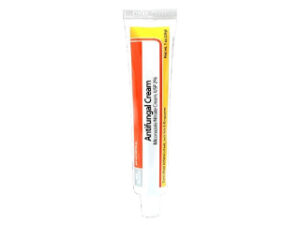
- For cream: Usually applied once or twice daily to the affected area, often for a defined course.
- For shampoo: Usually used as a wash, with contact time on the scalp before rinsing.
How long it may take to work
- Early improvement: Some symptoms can ease in a few days.
- Full effect: Clearance often takes 1–4 weeks depending on the infection and body site.
- Important: Even if symptoms improve, continue the course as directed to reduce the chance of relapse.
Indications (In Plain Language)
Ketoconazole is indicated for fungal conditions where the responsible organisms are susceptible to azole antifungals. Your pharmacist can help match the right product to the appearance and location of your symptoms.
Examples of indications (depending on the formulation):
- Scalp and hair fungal conditions: Dandruff/seborrhoeic dermatitis
- Skin yeast infections: Tinea versicolor
- Superficial fungal infections of the skin: Certain cases of tinea and related dermatophyte infections
If you have a non-fungal-looking rash (e.g., persistent swelling, pus, open wounds, fever, or pain out of proportion), seek medical advice because treatment choice may differ.
Dosing (General Guidance)
Always follow the dose and schedule on your specific Nizoral product label. Dosing below is general and may vary by strength and formulation.
Topical cream – general approach
- Apply thinly to the affected area and a small margin of surrounding skin.
- Frequency: Often once or twice daily depending on the product instructions.
- Course length: Commonly 2–4 weeks for many superficial fungal infections, but your pack instructions should be followed.
Ketoconazole shampoo – general approach
- Wet hair/scalp and apply to the scalp.
- Contact time: Leave on for the period stated on the label (commonly a few minutes) before rinsing.
- Frequency: Often 2–3 times weekly for initial control, then less often for maintenance (as advised on the pack or clinician guidance).
If you miss a dose
- Cream: Apply when you remember, then resume the regular schedule. Do not double up.
- Shampoo: Use it at your next scheduled wash. Avoid excessive frequency beyond the label.
If symptoms worsen or do not improve within the expected timeframe, check with a pharmacist or clinician.
Food Interactions
Food interactions mainly matter for oral ketoconazole because stomach acid helps absorption. For topical ketoconazole, food interactions are usually not a major concern.
If using an oral ketoconazole product (where applicable)
- Avoid taking with antacids unless advised (they can reduce stomach acidity and absorption).
- Be cautious with medicines that reduce stomach acid (e.g., certain reflux/ulcer treatments), as they can lower absorption.
- Stomach acid can be altered by diet and supplements—your pharmacist can advise for your particular regimen.
If you only use the topical Nizoral cream or shampoo, you typically can take them regardless of meals.
Alcohol and Medicine Interactions
Alcohol
Alcohol can increase the risk of liver problems and may worsen side effects, particularly for oral azole antifungals. For topical use, systemic absorption is generally low, but it’s still wise to avoid heavy alcohol consumption if you experience side effects or if a broader antifungal treatment is involved.
- Oral ketoconazole (if applicable): Limit or avoid alcohol and seek medical advice if you drink regularly.
- Topical ketoconazole: Usually not expected to interact strongly with alcohol, but still follow label advice and discuss any concerns.
Medicine interactions (important)
Ketoconazole can interact with several medicines. Interactions are particularly relevant for oral therapy because ketoconazole affects liver enzymes and can change blood levels of other drugs.
Examples of medicine classes to discuss with your pharmacist include:
- Some anticoagulants (blood thinners)
- Certain heart rhythm medications
- Some immunosuppressants
- Some HIV medicines
- Corticosteroids and other medicines affected by liver metabolism
- Medicines that alter stomach acid (for oral absorption)
- Other antifungals or drugs that also affect liver enzymes
Always provide your pharmacist with a list of current medicines, including over-the-counter products and supplements.
Safety Profile and Precautions
Common side effects
Side effects depend on the formulation and individual sensitivity.
- Topical cream/shampoo: Itching, burning, redness, irritation, or dryness at the application site
- Scalp/shampoo: Hair/skin dryness, increased shedding in some cases (usually temporary)
- Systemic (more typical for oral): Headache, nausea, dizziness, or stomach upset may occur
Serious side effects (seek urgent advice)
Contact a healthcare professional promptly if you develop:
- Signs of allergy: swelling of face/lips, rash with breathing difficulty, severe itching
- Severe skin reactions: blistering, widespread rash, skin peeling
- Liver warning signs (more relevant for oral ketoconazole): yellowing of skin/eyes (jaundice), dark urine, unusual fatigue, right upper abdominal pain, persistent nausea
- Unusual bruising/bleeding (possible interaction or blood effects)
- Chest pain, fainting, severe dizziness (possible serious medicine interactions or heart rhythm effects)
Who should be extra careful
- People with known liver disease (especially relevant for oral forms)
- Pregnancy or breastfeeding: discuss options with a clinician/pharmacist
- Children: follow age-specific product guidance and professional advice
- People with extensive skin breakdown: topical absorption may increase
Practical Tips for Using Nizoral
Good application technique improves results and reduces relapse.
Topical cream tips
- Wash and dry the area before applying.
- Apply a thin layer and gently rub in.
- Cover nearby skin that looks slightly affected (fungal infections can spread beyond visible borders).
- Continue the full course even after symptoms ease.
- Maintain hygiene: clean towels regularly, avoid sharing personal items.
Ketoconazole shampoo tips
- Massage into the scalp gently and evenly.
- Respect contact time stated on the pack.
- Rinse well and avoid getting it into eyes.
- Don’t overuse: more frequent washing than advised may increase irritation.
- Consider maintenance: some people need periodic use to prevent recurrence of seborrhoeic dermatitis.
How to reduce recurrence
- Keep skin/scalp clean and dry.
- Change socks/underwear regularly; choose breathable fabrics.
- Clean or replace items that touch the affected area (towels, hats, brushes) if advised for your infection.
- Manage triggers for seborrhoeic dermatitis (stress, irritants, oily scalp routines) where relevant.
Alternative Options (What else may help?)
Depending on the exact fungal condition and severity, alternatives may include:
- Other antifungals (common options vary by condition and availability in Australia), such as:
- Clotrimazole (topical)
- Miconazole (topical)
- Terbinafine (topical for some dermatophyte infections)
- Ciclopirox (certain skin/scalp uses)
- For seborrhoeic dermatitis, additional supportive options may include:
- Anti-dandruff shampoos with different active ingredients (e.g., zinc salts, selenium-based products, or others)
- Gentle skin care to reduce irritation
- When infections don’t respond, a clinician may consider culture testing, diagnosis review, or an alternative antifungal strategy.
If your rash looks different from typical fungal patterns (e.g., not ring-shaped, no scaling, significant pain, oozing, or fever), the “best” alternative may be an entirely different type of treatment.
Australia Market & Legal/Regulatory Context
In Australia, medicines are regulated under the Therapeutic Goods Administration (TGA). Availability, pack sizes, and whether a product is supplied with specific restrictions can vary. Ketoconazole products have been subject to evolving safety communications over time, particularly for oral use because of liver injury risk.
For the safest choice in Australia:
- Check the product label for the exact formulation and active strength.
- Discuss concerns about liver health or interacting medicines with your pharmacist.
- Follow the course duration and application instructions.
Recent guidance (general)
Australian safety and prescribing practices have included careful consideration of ketoconazole’s risk–benefit balance. This is especially relevant to oral ketoconazole due to potential liver toxicity and significant drug interactions. Topical ketoconazole products are generally used for appropriate surface fungal conditions.
If you are using any ketoconazole product and have questions about safety for your personal situation, consult a pharmacist.
Delivery and Availability (Australia)
Nizoral (ketoconazole) products are generally available through pharmacy supply channels where listed, subject to local stock and product type. Online pharmacies in Australia commonly offer delivery Australia-wide, with delivery timeframes and fees dependent on location and order size.
- Availability: May vary by strength and formulation (cream vs shampoo).
- Delivery: Typical delivery times depend on courier and postcode.
- Packaging: Medicines are dispatched in manufacturer packaging where possible.
- Storage: Store as directed on the label (commonly at room temperature; protect from heat and moisture).
Before ordering, confirm the product name, active ingredient, and form to match your intended use (skin versus scalp).
Frequently Asked Questions (FAQ)
1) What is Nizoral used for?
Nizoral (ketoconazole) is used to treat certain fungal infections. Common uses include dandruff/seborrhoeic dermatitis (often with ketoconazole shampoo) and some fungal skin conditions such as tinea versicolor (often with topical formulations). The correct product depends on where the infection is and how it looks.
2) How quickly should I see results?
Some people notice improvement within a few days. Full clearance can take several weeks depending on the condition and whether you complete the full course. If there is no improvement within the expected timeframe on the label, speak to a pharmacist.
3) Can I use Nizoral on my scalp and face?
Many people use ketoconazole shampoo on the scalp as directed, and ketoconazole cream on affected skin areas. Use products only on the intended sites described by the label. Avoid eyes and contact with sensitive areas unless the product instructions allow it.
4) Is Nizoral safe for children?
Safety depends on the child’s age and the specific formulation. Follow the label instructions and seek pharmacist advice for dosing and suitability.
5) What if my skin becomes more red or itchy after using it?
Mild irritation can occur, especially with new products. If symptoms are severe, spreading, or you develop blistering or swelling, stop and seek advice promptly. An allergic or irritant reaction is possible.
6) Can I drink alcohol while using ketoconazole?
For topical ketoconazole, significant alcohol interaction is generally not expected. However, if you are using an oral ketoconazole product (where applicable), alcohol should be limited or avoided because liver risk may be increased. If unsure, ask your pharmacist.
7) Are there medicines I should avoid with ketoconazole?
Yes. Ketoconazole can interact with other medicines, especially oral products. Let your pharmacist know all medicines you take, including vitamins, supplements, and over-the-counter products, so they can check for interactions.
8) Can I use Nizoral with moisturisers or other skin products?
Usually you can, but avoid applying too many products at once in the same area because it may increase irritation. A practical approach is to use ketoconazole as your antifungal step and keep other products simple. If the area is very inflamed or you’re using multiple actives, ask a pharmacist.
9) What should I do if the infection keeps coming back?
Recurrence may happen if treatment is stopped early, if reinfection occurs from contaminated items, or if the diagnosis is not fungal. Continue the course as directed, follow hygiene measures, and consider medical advice if it repeatedly returns.
10) When should I see a doctor urgently?
Seek urgent medical help if you develop signs of severe allergy (swelling, breathing difficulty), severe skin reactions (blistering/peeling), or symptoms suggestive of serious liver problems (yellow skin/eyes, dark urine, severe fatigue). For persistent or rapidly worsening rashes, contact a healthcare professional promptly.
Summary
Nizoral (ketoconazole) is an antifungal medicine that helps treat a range of fungal conditions affecting the skin and scalp. Its action works by disrupting fungal cell membrane formation. When used correctly—following label directions, applying the right amount, and completing the full course—ketoconazole can significantly improve symptoms such as scaling, itch, and redness.
If you have questions about which Nizoral product matches your condition, how to use it safely, or whether any of your medicines could interact, consult a pharmacist in Australia.