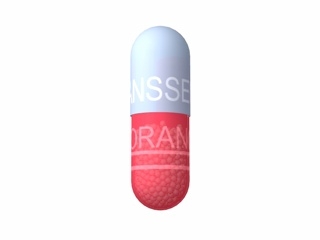
Sporanox (Itraconazole) — Patient-Friendly Guide (Australia)
Sporanox is a brand of itraconazole, an antifungal medicine used to treat a range of fungal infections. This guide explains how Sporanox works, how it’s taken, key safety considerations, and what to expect during treatment. It is written for people in Australia and uses practical, patient-friendly language.
1) Basic product information
| Item | Information |
|---|---|
| Medicine | Sporanox (itraconazole) |
| Type | Antifungal (triazole) |
| Common formulations | Capsules (traditional oral form) and/or alternative itraconazole products depending on availability |
| How it’s used | Oral (by mouth) for selected fungal infections |
| Where it works | Fungal cells throughout the body (depending on infection site) |
| Availability | Availability may vary by product type and local supply; check current listings |
Note: The exact formulation (e.g., capsule vs other itraconazole forms) can affect how you should take it, particularly regarding meals and absorption. Always follow the specific instructions for your product.
2) How Sporanox works (mechanism of action)
Itraconazole works by blocking a key step in fungal cell membrane production. Fungi need ergosterol to keep their cell membranes strong and functional. Itraconazole inhibits an enzyme called lanosterol 14-α-demethylase, which reduces ergosterol formation and weakens the fungal cell membrane.
- Result: Fungal growth slows and the infection becomes easier for the body to control.
- Fungal selectivity: The medicine targets fungal pathways more than human cholesterol pathways.
- Clinical effect: Improvement often takes time because fungi and infected tissues may persist after symptoms improve.
3) Pharmacokinetics (how the body handles itraconazole)
Pharmacokinetics describe what happens after you take a medicine—how it’s absorbed, distributed, metabolised, and eliminated. Itraconazole has several features that affect dosing and food instructions.
- Absorption: Itraconazole absorption can be variable, particularly with the capsule form. The medicine may not absorb as well when taken on an empty stomach.
- Distribution: Itraconazole can distribute into tissues, including skin, depending on the infection. Concentrations can build up and persist after stopping therapy (useful in some infections).
- Metabolism: It is metabolised by the liver, mainly via the CYP3A4 enzyme system. This is why drug interactions are important.
- Elimination: Metabolites are removed from the body through normal clearance pathways (largely via the liver/bile system).
- Take with correct timing: For many patients, taking itraconazole as directed (including with meals if advised) helps achieve consistent blood levels.
4) Typical uses and indications
Itraconazole is used for proven or strongly suspected fungal infections. The most appropriate treatment depends on the type of fungus, infection site, severity, and your medical history.
Common types of infections where itraconazole may be used include:
- Fungal infections of the skin and nails (e.g., dermatophyte infections, onychomycosis in selected cases)
- Yeast (Candida) infections in certain situations
- Systemic or invasive fungal infections when appropriate based on specialist assessment and local guidelines
- Endemic fungal infections (depending on region and organism)
- Vaginal fungal infections are sometimes treated with other options; itraconazole may be used in selected circumstances
In Australia, antifungal selection is guided by the suspected organism, severity, and evidence-based practice. Your clinician may recommend itraconazole when other options are unsuitable or when it offers the best chance of success.
5) Dosing overview and timing
Important: Doses vary widely depending on the infection being treated, its location, severity, and the formulation you are using. This section provides general guidance on timing concepts rather than a one-size-fits-all regimen.
General timing principles (often relevant to itraconazole):
- Take exactly as directed on your medication instructions. If you miss a dose, follow the missed-dose guidance provided with your product instructions or ask a pharmacist for advice.
- Consistency matters: Try to take doses at similar times each day.
- How long it takes to work: Even if symptoms improve, complete treatment is usually necessary to reduce the chance of recurrence.
- Nail infections: Visible improvement typically lags behind treatment because nails grow slowly. A full cure may take months.
Typical dosing patterns that may be used (examples):
- Daily dosing for certain fungal infections
- Pulsed or intermittent regimens for some nail/skin indications (varies by local protocols and formulation)
- Short vs longer courses depending on infection type and response
If you are unsure about the exact regimen for your infection, speak with a pharmacist or clinician. Correct duration is one of the most important factors for successful treatment.
6) Food interactions and how to take itraconazole
Food can significantly affect itraconazole absorption, particularly with capsules. Always follow the specific instructions for your Sporanox product. However, the following general guidance is commonly used:
- Capsules: Many patients are advised to take with food (often after a meal) to improve absorption.
- Maintain routine: If your instructions say to take with food, try to keep the timing consistent with meals day-to-day.
- Acid-reducing medicines: Medicines that reduce stomach acid (see below) can impair absorption.
If you have trouble swallowing capsules or your instructions differ from the general guidance, ask your pharmacist about the safest way to take your specific product.
7) Alcohol interactions
Alcohol doesn’t always have a direct “classic” interaction with itraconazole in every situation, but it may increase certain risks—especially those related to the liver and stomach.
- Liver safety: Itraconazole can, in some people, affect liver function. Drinking alcohol can add strain to the liver.
- Stomach upset: Alcohol may worsen nausea or indigestion, which can occur with antifungals.
Practical advice: If you drink alcohol, consider keeping it minimal during treatment and avoid heavy drinking. If you have liver disease or abnormal liver tests, discuss alcohol with your pharmacist or doctor.
8) Medicine interactions (very important)
Itraconazole has important interactions, mainly because it affects liver enzymes (especially CYP3A4) and can change how other medicines are processed. Some interactions may be dangerous.
Common categories of medicines that may interact with itraconazole include:
- Some heart rhythm medicines (antiarrhythmics)
- Some cholesterol-lowering medicines (statins)—interaction risk varies by statin
- Antihistamines or “sleep” medicines in certain cases (depending on the specific drug)
- Some anticoagulants (blood thinners)
- Some anti-seizure medicines (antiepileptics), which may reduce itraconazole levels
- Medicines for erectile dysfunction or certain hormone-related therapies (interaction depends on the product)
- Acid-reducing medicines such as proton pump inhibitors (PPIs) and H2 blockers may reduce absorption. This is especially relevant for capsule forms.
Take extra care: Before starting itraconazole, tell your pharmacist or doctor about:
- All prescription medicines
- All over-the-counter medicines (including cold/flu products)
- Herbal products and supplements
- Any recent changes to medications
Examples of interaction concerns patients often ask about:
- Stomach acid medicines: If you take a medicine that reduces stomach acid regularly, absorption may be affected.
- Enzyme-inducing drugs: Some medicines can lower itraconazole levels, possibly reducing effectiveness.
- QT prolongation risk: Some interacting medicines can affect heart rhythm; your clinician will consider this.
If you are unsure whether a medicine you take is likely to interact, it’s best to check with a pharmacist rather than guess.
9) Safety profile and when to seek help
Most people tolerate itraconazole reasonably well, but like all medicines it can cause side effects. Some effects require prompt medical advice.
Common side effects
- Nausea
- Stomach discomfort or indigestion
- Headache
- Dizziness (in some people)
- Rash or mild skin reactions
Serious warnings (seek urgent medical advice if these occur)
- Signs of liver problems: yellow skin/eyes (jaundice), dark urine, severe fatigue, persistent nausea/vomiting, or upper abdominal pain.
- Severe allergic reactions: swelling of face/lips, trouble breathing, widespread rash, or fainting.
- Heart-related symptoms: fainting, severe dizziness, fast/irregular heartbeat, or chest pain.
- Severe skin reactions: blistering, peeling skin, or sores in the mouth/eyes.
Who needs extra caution
- People with liver disease or a history of abnormal liver tests
- People with heart failure or serious cardiac conditions
- People taking multiple interacting medicines (your pharmacist can check compatibility)
- Older adults who may take more medicines and may be more sensitive to side effects
Your clinician may arrange liver function monitoring for longer courses or if you have risk factors. Report any symptoms suggestive of liver problems early.
10) Practical use tips (to improve success)
- Take it the same way each time: If your instructions say “with food,” keep the timing consistent.
- Don’t stop early even if you feel better.
- Nail infections: Continue for the full recommended course. Visible clearing may take months because nails grow slowly.
- Infection control for skin: Keep the affected area clean and dry. Avoid sharing towels and change socks/underwear regularly.
- Manage recurrence risk: Treat footwear and keep skin folds dry if relevant.
- Track symptoms: Note changes in redness, itching, pain, or discharge so you can report progress.
- Drug interaction check: Before adding any new medicine (including over-the-counter products), ask about interactions.
If you experience persistent vomiting, severe headache, unusual bruising, or symptoms of liver or heart issues, contact a healthcare professional promptly.
11) Alternative options
The best alternative depends on the infection type, site, severity, and any prior treatment history. A healthcare professional can recommend alternatives that better match your situation.
Potential alternative antifungal options may include:
- Terbinafine (often used for dermatophyte skin and nail infections)
- Fluconazole (commonly used for certain Candida infections and some systemic infections)
- Topical antifungals such as clotrimazole, miconazole, or terbinafine creams/solutions for certain skin conditions
- Griseofulvin (less common for many indications but still used in some cases depending on organism and access)
- Other systemic antifungals for selected infections based on organism and severity
If you are not responding to itraconazole as expected, it may be due to incorrect diagnosis, antifungal resistance, absorption issues, or drug interactions. A clinician may request tests or adjust treatment.
12) Sporanox in Australia: market, legal and clinical context
In Australia, antifungal use is governed by medicines regulations, prescribing and dispensing rules, and clinical guidance. Treatment choice is typically influenced by:
- Local antifungal guidelines for common and serious fungal infections
- Risk–benefit assessment based on safety considerations (especially liver and heart risks)
- Microbiology results when available (e.g., confirmed pathogen)
- Medication interaction profiles for the individual
Availability of specific brands and formulations can change depending on supplier arrangements and product supply. When itraconazole is an option, pharmacists and clinicians aim to select the most appropriate formulation and dosing strategy.
Recent guidance (general): Clinical practice continues to emphasise careful assessment of interactions, appropriate use for confirmed or strongly suspected fungal infection types, and monitoring for liver-related safety signals, particularly with prolonged or systemic treatment.
13) Delivery and availability (online pharmacy)
If itraconazole/Sporanox is available through an online pharmacy listing, delivery details typically depend on:
- Your location within Australia
- Order processing times
- Cold chain requirements (if any—often not required for standard tablets/capsules)
- Current stock availability
During busy periods, stock may be limited. If a specific formulation is temporarily unavailable, the pharmacy may offer an alternative formulation where clinically appropriate, or advise when you can reorder.
Always check your order confirmation for:
- Correct product name and strength
- Directions for use
- Expected delivery time
- Return/refund information (where applicable)
14) FAQ
Is Sporanox the same as itraconazole?
Yes. Sporanox is a brand name for itraconazole. Different formulations may exist, so it’s important to follow the instructions specific to your product.
How soon will I feel better?
It varies by infection. For skin infections, some improvement may occur within days to weeks, but nail infections can take months to look fully clear because nails grow slowly. Complete the full course as directed.
Should I take itraconazole with food?
For the capsule form, absorption is often improved when taken with food. Always follow the instructions that come with your specific product. If you’re taking acid-reducing medicines, this is especially important—ask a pharmacist.
Can I take Sporanox if I have liver problems?
Caution is needed. Itraconazole can affect liver function in some people. If you have liver disease or previous abnormal liver tests, discuss this with your pharmacist or doctor before starting. Monitoring may be recommended for longer treatments.
What medicines should I avoid while taking itraconazole?
Avoiding (or adjusting) interacting medicines is crucial due to the risk of reduced antifungal effectiveness or increased side effects. Common interaction risks include certain heart rhythm medicines, some statins, anticoagulants, anti-seizure medicines, and stomach acid medicines. Check all your medicines with a pharmacist.
Does itraconazole interact with alcohol?
Alcohol may add extra stress to the liver and can worsen stomach side effects. It’s generally best to avoid heavy drinking during treatment, particularly if you have liver risk factors.
Can I stop taking Sporanox when symptoms improve?
Don’t stop early unless advised by a healthcare professional. Fungal infections can look better before the infection is fully eradicated, increasing the risk of recurrence if therapy ends too soon.
What if I miss a dose?
Follow the missed-dose instructions given with your medication materials, or ask a pharmacist for guidance. In general, taking too close to the next dose can cause confusion—so it’s best to confirm your specific plan.
How do I know if the treatment is working?
You should see gradual improvement in symptoms such as itch, redness, scaling, pain, or discharge. For nail infections, changes are visible as new nail grows. If there’s no improvement after an appropriate timeframe, ask a clinician about reassessment and possible tests.
Are there alternatives if itraconazole doesn’t work for me?
Yes. Alternatives may include other oral antifungals or topical treatments depending on the infection. If itraconazole fails, reassessment (including whether the diagnosis is correct and whether absorption or interactions may be affecting treatment) can help guide next steps.
Disclaimer: This information is for general education and does not replace advice from a qualified healthcare professional. If you have questions about your specific infection, dosing schedule, or medication interactions, consult a pharmacist or doctor.