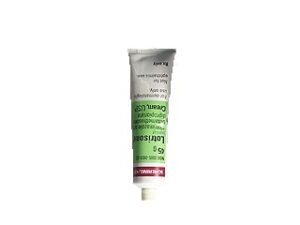
Lamisil (Terbinafine) – Patient Information (Australia)
Lamisil contains terbinafine, an antifungal medicine used to treat a range of fungal skin and nail infections. It works by targeting the underlying biology of fungi, helping clear infections and relieve symptoms such as itching, scaling, cracking, or thickened nails.
This information is designed to help you understand how Lamisil works, how it is usually used, and what to consider for safe, effective treatment in Australia. Always follow the instructions on the product label or given by your healthcare professional.
Quick overview
- Active ingredient: Terbinafine
- Medicinal type: Antifungal (for fungal infections of skin and nails)
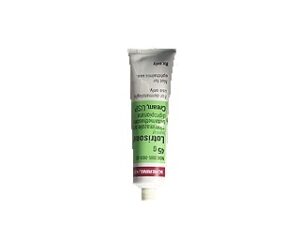
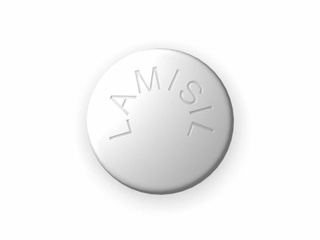
- Common forms: Tablets (for certain infections) and creams/sprays (for skin)
- Common conditions: Athlete’s foot (tinea pedis), jock itch (tinea cruris), ringworm (tinea corporis), and onychomycosis (nail fungus)
- How it works: Stops fungi from making ergosterol, an essential component of their cell membranes
Basic product information
Lamisil is the brand name for medicines that contain terbinafine. Terbinafine is a well-established antifungal used for both topical (cream/spray) and oral (tablets) treatment, depending on the infection.
| Form | Typical use | Where it’s applied / taken | Common example conditions |
|---|---|---|---|
| Topical cream/spray | Localised skin fungal infections | Applied to affected skin | Athlete’s foot, jock itch, ringworm |
| Tablets | More extensive or difficult infections; some nail infections | Taken by mouth | Onychomycosis (nail fungus) and other fungal conditions as advised |
The exact dosing schedule depends on the product strength and the specific infection being treated. If you’re unsure which formulation is appropriate, check with a pharmacist or clinician.
How terbinafine works (mechanism of action)
Terbinafine is an allylamine antifungal. It works by inhibiting a key fungal enzyme called squalene epoxidase (within the ergosterol biosynthesis pathway).
- Ergosterol is a vital component of fungal cell membranes.
- When terbinafine blocks ergosterol production, fungal cells lose normal structure and function.
- Terbinafine also leads to accumulation of squalene, which contributes to fungal cell death.
This targeted action helps explain why terbinafine is particularly effective for many dermatophyte fungi (the common “ringworm-type” organisms).
Pharmacokinetics (how the body handles it)
“Pharmacokinetics” describes what happens after terbinafine is taken or applied—absorption, distribution, metabolism and elimination. The details vary between topical and oral formulations.
Oral tablets (general principles)
- Absorption: Terbinafine is absorbed from the gastrointestinal tract.
- Distribution: It distributes into skin and nails; concentrations can persist in target tissues.
- Metabolism: It is metabolised primarily in the liver.
- Elimination: Metabolites are excreted mainly via the kidneys (details depend on metabolism pathways).
Topical products (general principles)
- Absorption: Topical terbinafine is designed for local action with limited systemic absorption.
- Local distribution: The medicine penetrates skin to treat fungal infection at the site of application.
If you have liver disease, take other medications, or are pregnant/breastfeeding, discuss suitability with a healthcare professional.
What Lamisil is typically used for
Lamisil is used to treat fungal infections of the skin and nails caused by susceptible fungi. Common indications include:
- Athlete’s foot (tinea pedis)
- Jock itch (tinea cruris)
- Ringworm (tinea corporis)
- Nail fungus (onychomycosis), depending on severity and the recommended regimen
Fungal rashes can resemble other conditions (e.g., eczema or psoriasis). Correct diagnosis improves outcomes. If symptoms do not improve as expected, it may be necessary to re-check the diagnosis.
Typical timing and how long treatment takes
Treatment duration depends on the infection, formulation, and severity. Many people notice symptom improvement before the infection is fully cleared.
Skin infections (topical)
- Often, improvement can be seen within the first few days.
- It’s important to continue for the full recommended course even if the skin looks better early.
Nail infections (oral)
- Nails grow slowly, so results take longer.
- Visible improvement may take months, and complete clearance can require extended treatment and follow-up.
- If nail debris or discolouration persists after therapy ends, allow time for new nail growth.
If you’re treating a nail infection and aren’t sure whether to continue, speak with a pharmacist or clinician.
Food interactions
For many antifungal tablets, food generally has little effect on whether the medicine works, but individual product guidance may differ.
- Take tablets as directed on the label or by a clinician.
- If your dosing instructions say to take with food, follow that advice.
- If you experience stomach upset, taking it after food may help (unless the label states otherwise).
For topical products, food is not relevant because systemic absorption is limited.
Alcohol and medicine interactions
Alcohol
Alcohol can affect general health and may be relevant for people taking medicines that are processed by the liver. While terbinafine does not have a classic “disulfiram-like” interaction with alcohol, heavy or frequent alcohol use may increase stress on the liver.
- Practical approach: limit alcohol while taking terbinafine, especially oral tablets.
- Seek urgent advice if you develop symptoms that could indicate liver issues (see “Safety profile”).
Medicine interactions (general)
Terbinafine is metabolised in the liver and may interact with other medicines. Some interaction risks are particularly important when taking medicines that affect liver enzymes or when you take multiple drugs that are metabolised similarly.
- Tell your pharmacist about all medicines you take, including:
- prescribed medicines
- pharmacy medicines
- herbal products (e.g., St John’s wort)
- vitamins or supplements
- Check whether your other medicines could increase or decrease terbinafine levels, or whether terbinafine could affect levels of other medicines.
Because interaction potential depends on the exact products and your medical history, it’s safest to obtain individual guidance.
Dosing guidance (how it’s commonly taken)
Dosing differs between skin creams/sprays and oral tablets, and also based on the specific diagnosis and severity. The information below is general and should be aligned with the instructions on your particular product and packaging.
Topical terbinafine (cream/spray) – general dosing principles
- Apply to the clean, dry affected area.
- Cover a small margin of surrounding skin (as directed) to treat fungal spread.
- Wash hands after application unless hands are the treatment area.
- Use the course length specified for your product and infection.
Oral terbinafine tablets – general dosing principles
- Common adult dosing regimens vary depending on condition and severity.
- For nail infections, treatment typically follows a course and may require follow-up.
- Don’t adjust the dose without guidance from a healthcare professional.
If you would like, tell us the product strength and whether you’re treating skin or nails, and we can help you interpret typical label instructions.
Safety profile and when to seek help
Most people tolerate terbinafine well. However, like all medicines, it can cause side effects in some individuals. It’s important to know what’s normal and what requires urgent medical review.
Common side effects (often mild)
- Skin/topical: local redness, itching, burning, dryness, or irritation at the application site
- Oral: headache, mild stomach discomfort, changes in taste (e.g., taste disturbance), diarrhoea or nausea
Serious but less common risks
Oral terbinafine can rarely affect the liver. Seek prompt medical advice if you notice symptoms such as:
- yellowing of the skin or eyes (jaundice)
- dark urine
- unusual tiredness or persistent nausea
- pain in the upper abdomen
- severe loss of appetite
- itching without an obvious cause
Also seek advice if you develop signs of a severe allergic reaction (such as swelling of the face/lips, difficulty breathing, or widespread rash).
Who should take extra care
- People with known liver disease
- People with a history of medicine allergy
- People taking multiple medicines (higher interaction risk)
- Older adults or people with kidney impairment (depending on the formulation and clinical advice)
- Pregnancy or breastfeeding: suitability depends on individual risk/benefit and formulation
Practical tips for using Lamisil effectively
For topical skin infections
- Keep the area clean and dry before applying the cream/spray.
- Apply consistently for the full course (don’t stop when symptoms improve).
- Change socks/underwear daily, and choose breathable fabrics.
- Avoid sharing towels and ensure towels are washed regularly.
- If treating athlete’s foot, consider drying carefully between toes.
For nail infections
- Expect improvement gradually; nails grow slowly.
- Keep the nail clean; follow any additional nail care advice given.
- Don’t pick or trim aggressively—this can worsen irritation or cause secondary infection.
- Be patient with outcomes and attend follow-up if advised.
Preventing recurrence
- Wear shower thongs in communal showers/pools.
- Disinfect or replace frequently used footwear if advised.
- Treat athlete’s foot and jock itch promptly to reduce spread.
- If other household members have fungal symptoms, they may also need treatment to prevent re-infection.
Alternative options
Depending on the infection site, severity, and your medical history, healthcare professionals may consider other antifungals. Alternatives can include other topical agents and different oral medicines.
Topical alternatives (examples)
- Azole antifungals (e.g., clotrimazole, miconazole) for certain skin fungal infections
- Other allylamines or antifungal combinations, depending on availability and diagnosis
Nail fungus alternatives
- Other systemic antifungals may be considered for onychomycosis in some cases.
- Depending on local guidelines and suitability, clinicians may discuss options such as different oral regimens or adjunctive topical therapies.
The “best” alternative depends on the fungus type, how much of the skin/nail is involved, previous treatment history, and tolerability.
Australia market and legal context (what this means for you)
In Australia, antifungal products are available in different categories depending on formulation and strength. Some terbinafine products may be obtained without a doctor, while others may require clinician involvement depending on the specific product and patient factors. Availability can also vary by state/territory and current regulatory decisions.
- When shopping online, select the correct formulation (topical vs tablets) for the condition being treated.
- Always read the product label and consumer information leaflet for indications, dosing schedule, and warnings.
- Pharmacists can advise on suitability, correct use, and whether symptoms are likely fungal.
Recent guidance (general themes)
In recent years, guidance across Australia has continued to emphasise:
- Accurate diagnosis before prolonged therapy (to avoid treating non-fungal rashes).
- Adherence to full treatment courses, particularly for skin infections.
- Safety monitoring considerations for systemic antifungals, including liver-related symptom awareness.
- Reducing recurrence through hygiene measures and treating household contacts when needed.
Specific advice can vary by product and clinical setting, so follow the instructions supplied with your medicine.
Delivery and availability (online pharmacy in Australia)
Lamisil and terbinafine products are commonly stocked through Australian online pharmacies, with delivery options depending on the provider. Availability can vary by:
- formulation (cream/spray vs tablets)
- pack size and strength
- regional stock levels and courier routes
Typical online ordering steps include:
- Select the correct product (topical or oral) and pack size.
- Confirm your quantity and check the delivery address.
- Review product information and usage instructions before starting treatment.
- Keep the packaging/leaflet for reference during your course.
Delivery timeframes depend on the pharmacy and shipping method. If you need the medicine urgently, choose an option with express delivery if offered.
FAQ
1) Is Lamisil effective for all fungal infections?
Lamisil (terbinafine) is particularly effective for many common dermatophyte fungi that cause athlete’s foot, jock itch, and ringworm. Some other fungal types may respond differently. If you’re unsure about the cause of your rash or nail changes, seek advice.
2) When should I start seeing improvement?
For skin infections, symptoms often begin to improve within a few days, but full clearance requires completing the full course. For nail infections, improvement is slower because nails grow gradually—results may take months.
3) Can I stop early if symptoms improve?
No. Even if the skin or nail looks better, fungus may still be present. Completing the recommended course helps reduce recurrence.
4) What happens if I miss a dose?
If you miss a dose for an oral tablet regimen, follow the instructions on the product label. As a general principle, don’t take double doses to make up for a missed one. If you’re unsure, ask a pharmacist for guidance.
5) Can I use Lamisil on broken skin?
Topical products may cause irritation if applied to open or severely broken skin. Check the product leaflet and, if the area is cracked, bleeding, or very inflamed, consider seeking advice before continuing.
6) Are there any food restrictions?
There are usually no strict food restrictions for terbinafine. If you take oral tablets, follow the directions on your specific label. If taking with food is recommended for your product or if it upsets your stomach, take it accordingly.
7) Can I drink alcohol while using terbinafine?
Moderate alcohol may be tolerated by many people, but heavy alcohol use may increase liver stress. If you’re taking oral terbinafine, consider limiting alcohol and speak with a pharmacist or clinician if you have concerns.
8) Can Lamisil interact with other medicines?
Yes, terbinafine can interact with some medicines because it is metabolised by liver pathways. Tell your pharmacist about all medicines and supplements you use to check for interaction risks.
9) How can I prevent getting it again?
Practical steps include keeping skin dry, changing socks/underwear regularly, avoiding shared towels, treating footwear if advised, wearing protective footwear in shared wet areas, and ensuring any recurrent “source” areas (like athlete’s foot) are treated promptly.
10) What if my symptoms don’t improve?
If there’s little improvement after the expected timeframe, it may be due to incorrect diagnosis, resistance, or reinfection. Re-check with a healthcare professional or pharmacist.
Important: If you develop severe rash, breathing difficulties, or symptoms that may indicate liver problems while using terbinafine (especially oral tablets), seek medical advice promptly. For all questions about suitability and safe use, consult a pharmacist in Australia.