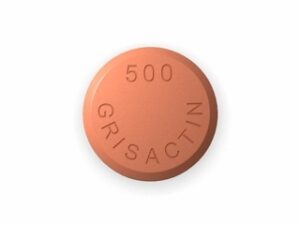
Grifulvin V (Griseofulvin) — Patient Information (Australia)
Grifulvin V contains griseofulvin, an antifungal medicine used to treat certain fungal infections of the skin, scalp, hair, and nails. This page explains how it works, how to take it safely, what to expect, and important interactions and safety information for people in Australia.
Important: Fungal infections can sometimes look similar to other skin conditions. Use Grifulvin V only for the type of fungal infection your healthcare professional has identified.
Quick overview
- Medicine: Grifulvin V (griseofulvin)
- Type: Antifungal (antimycotic)
- Common uses: Ringworm (tinea), fungal scalp/hair infections, and some nail fungal infections (depending on severity/type)
- How it’s taken: Usually by mouth, daily
- Key practical tip: Taking it with food or milk can improve absorption
Basic product information
| Category | Details |
|---|---|
| Active ingredient | Griseofulvin |
| Brand | Grifulvin V |
| Therapeutic class | Systemic antifungal |
| Common dosage forms | Oral tablets/suspension depending on local availability |
| Typical duration | From weeks for some skin infections to months for nail infections |
Note: The exact strength and dosing schedule may vary by formulation and the condition being treated.
How Griseofulvin works (mechanism of action)
Griseofulvin works by targeting how fungi grow and reproduce. It binds to fungal microtubules, disrupting cell division. This slows or stops the spread of certain dermatophyte fungi (the group that commonly causes ringworm).
It also helps clear infection from growing keratin (skin, hair, nails) because as new tissue forms, it becomes less likely to contain living fungal cells.
Pharmacokinetics (what the body does to the medicine)
Pharmacokinetics describes absorption, distribution, metabolism, and elimination.
- Absorption: Griseofulvin absorption can be improved by taking it with fat-containing food or milk. Taking it without food may reduce blood levels and effectiveness.
- Distribution: The medicine distributes into tissues, including skin and keratin-rich areas where dermatophytes infect.
- Metabolism: It is metabolised mainly in the liver.
- Elimination: It is excreted, largely via the kidneys and/or bile, depending on metabolism.
Clinical implication: Because nail and hair growth are slow, treatment often needs to continue long enough for new, uninfected keratin to grow in.
Typical uses and indications
Grifulvin V is commonly used for dermatophyte infections, including:
- Scalp infections (tinea capitis) and hair shaft infections
- Skin fungal infections (tinea corporis) such as ringworm of the body
- Groin/jock itch (tinea cruris)
- Foot fungus (tinea pedis) in selected cases
- Nail fungal infections (onychomycosis) when appropriate for the organism and situation
Not for everything: Griseofulvin is not typically the first choice for all fungal types (for example, infections caused by yeasts or many non-dermatophyte moulds). Your healthcare professional may choose other antifungals depending on the cause.
Dosing: how it’s usually taken
Dose depends on several factors, including the type and severity of fungal infection, age, weight (especially in children), and formulation. Your healthcare professional will determine the correct regimen.
Typical principles (general guidance):
- Daily dosing is commonly used.
- Full course matters: Stop only when advised, even if symptoms improve earlier.
- Duration may be prolonged:
- Skin infections: often several weeks
- Scalp infections: often longer and may require confirmation of cure
- Nail infections: can take months (new nail growth is slow)
Follow your local product label or clinician directions for the exact schedule. If you miss a dose, take it when you remember unless it’s close to the next dose—then skip the missed dose. Do not double up.
Timing and routine (practical advice for best results)
- Take at the same time each day to keep consistent medicine levels.
- Take with food or milk when possible (unless your clinician advises otherwise). This may improve absorption.
- Continue for the recommended length of time, even if the rash or scaling improves.
- Use supportive measures:
- Keep the area clean and dry
- Change underwear/socks regularly
- Don’t share towels or hats
- Wash bedding and clothing that contact infected skin
Completion expectations: Clearance can lag behind symptom improvement—particularly for nails and scalp. Treatment needs to match the growth cycle of the infected tissue.
Food interactions and absorption
Food matters. Griseofulvin absorption can be higher when taken with food, and often with fatty meals or milk.
To get the best absorption:
- Take your dose with a meal (breakfast, lunch, or dinner—whatever best fits your routine).
- If your stomach is sensitive, taking with food may reduce nausea.
Consistency is key: Try to keep your food pattern similar each day while on therapy.
Alcohol and medicine interactions
Alcohol: It’s generally best to limit or avoid alcohol while taking griseofulvin, because the medicine can affect the liver and alcohol may add strain. If you drink regularly, discuss with your healthcare professional.
Medicines interactions: Griseofulvin can interact with other medicines, particularly those affected by liver enzymes. Some interactions may reduce effectiveness of other drugs or increase side effects.
Examples of medicines that may be affected (not exhaustive):
- Oral hormonal contraceptives (may be less effective)
- Warfarin and other medicines that require careful blood monitoring
- Some seizure medicines (antiepileptics)
- Certain immunosuppressants (depending on regimen)
- Other medicines metabolised by the liver
Always tell your healthcare professional and pharmacist about:
- All prescription medicines
- Any over-the-counter products (including herbal remedies)
- Vitamins and supplements
Safety profile: what to watch for
Most people tolerate griseofulvin reasonably well, but like all medicines it can cause side effects. Some adverse reactions require prompt medical advice.
Common side effects
- Nausea, upset stomach
- Headache
- Dizziness
- Fatigue
- Skin rash
- Sun sensitivity (some people become more sun-sensitive)
Serious or urgent warning signs
Seek urgent medical advice if you develop:
- Signs of allergy: swelling of face/lips, trouble breathing, severe rash
- Severe skin reactions: widespread blistering, skin peeling, or sores in mouth/eyes
- Liver problems: yellowing of eyes/skin (jaundice), dark urine, severe persistent nausea/vomiting, upper abdominal pain, unusual tiredness
- Unusual bruising or bleeding
- Persistent fever or sore throat (may indicate blood cell issues)
Who should be extra cautious
- People with liver disease
- People with a history of blood disorders
- Those with prior allergic reactions to griseofulvin
- Pregnant or breastfeeding people (see below)
Pregnancy, breastfeeding, and fertility considerations
Pregnancy: Griseofulvin may not be suitable during pregnancy. If pregnancy is possible, discuss contraception options before starting. Because griseofulvin may interact with hormonal contraception, additional or alternative contraception may be needed.
Breastfeeding: Speak with a healthcare professional about the benefits and risks before using.
Fertility / reproduction: If you have concerns, seek professional advice to ensure safe management of both infection and family planning.
Practical use tips (getting the best outcome)
1) Confirm the infection is the right type
Different fungal infections require different treatments. If the diagnosis is uncertain, your healthcare professional may perform skin scrapings or tests.
2) Treat the entire course
Symptom improvement does not always mean the infection is gone. Stopping early can cause recurrence.
3) Prevent spread and reinfection
- Wash hands after touching the affected area
- Keep affected skin dry
- Change towels, underwear, socks regularly
- Disinfect items that touch infected areas (for example, footwear insoles if relevant)
4) Manage environmental factors (especially for feet and nails)
- Wear breathable shoes
- Rotate shoes to allow them to dry
- Consider antifungal powders or creams if recommended by your clinician
5) Sun protection
If you notice sun sensitivity, use sunscreen and protective clothing when outdoors.
Alternative options
Depending on the infection type and organism, healthcare professionals may consider other antifungal treatments. Alternatives may include:
- Topical antifungals (creams, gels, sprays) for limited skin infections
- Terbinafine tablets for some dermatophyte infections
- Itraconazole oral treatment for select nail or skin conditions
- Fluconazole for certain fungal infections (depending on diagnosis)
Choosing an alternative depends on:
- The site affected (skin, scalp, nails)
- Severity and how widespread it is
- The likely fungus type
- Other medical conditions and medicine interactions
- Age and pregnancy status
Market and legal context for Australia
Medicines in Australia are supplied under the regulatory framework of the Therapeutic Goods Administration (TGA) and follow scheduling rules that determine how they are dispensed. Availability, brand names, and the exact formulation may vary by supply chain.
When ordering antifungal medicines online, reputable pharmacies in Australia will typically require appropriate patient information and may provide advice about safe use, timing, interactions, and delivery options.
Always use licensed products supplied through legitimate channels to reduce the risk of counterfeit or incorrect-strength medication.
Recent guidance and clinical considerations
Clinical practice for fungal infections often emphasises:
- Accurate diagnosis (because not all rashes are fungal)
- Adherence to duration to prevent relapse
- Monitoring for side effects, especially with longer courses
- Reviewing interactions with other medicines (including contraception and blood thinners)
- Supportive skin care and infection control to reduce reinfection
Your healthcare professional may recommend follow-up if symptoms persist, if the infection is difficult to treat, or if there are signs of complications.
Delivery and availability (Australia)
Availability of Grifulvin V can vary based on manufacturer supply and local pharmacy stock. Many online pharmacies in Australia can arrange prompt dispatch once the order is confirmed.
- Typical delivery time: Often depends on your location and the pharmacy’s courier network.
- Cold chain: Griseofulvin tablets/suspensions are usually stored at standard room conditions; check the product packaging for specific storage instructions.
- Packaging: Medication is usually supplied in child-resistant packaging where required.
Tip: If you are starting a longer course (especially for nails or scalp), consider planning to avoid running out—allow time for delivery refills.
Safety profile summary (at a glance)
- Take with food or milk to support absorption.
- Be cautious with alcohol and discuss regular drinking.
- Check interactions, especially with hormonal contraception and blood-thinning medicines.
- Seek urgent advice if you develop signs of allergy, severe rash, or liver problems.
- Complete the full course to reduce recurrence.
FAQ
1) What is Grifulvin V used for?
Grifulvin V (griseofulvin) is used to treat certain fungal infections—most commonly dermatophyte infections—such as ringworm of the skin, scalp fungal infections, and some types of nail fungal infection depending on the diagnosis and suitability.
2) How long does it take to work?
Many people notice improvement within a few weeks, but clearance can take longer—especially for scalp and nail infections. Nails may take months because the medicine helps replace infected keratin as it grows out.
3) Should I apply a cream as well?
Sometimes treatment plans combine oral and topical therapy, particularly for scalp infections or to reduce surface fungal load. Your healthcare professional will advise what’s appropriate for your case.
4) Can I take it with food?
Yes—taking Grifulvin V with food or milk is often recommended because it can improve absorption. Keep timing consistent with meals.
5) What if I miss a dose?
Take the missed dose when you remember unless it’s close to the next dose. Do not double the dose. If you miss several doses, contact your pharmacist or healthcare professional for advice.
6) Can I drink alcohol while taking Grifulvin V?
It’s best to limit or avoid alcohol because both alcohol and griseofulvin may affect the liver. If you’re unsure, ask a healthcare professional.
7) Does Griseofulvin interact with birth control pills?
It may reduce the effectiveness of hormonal contraceptives in some situations. Because of this, discuss contraception options with your healthcare professional or pharmacist before starting.
8) Are there monitoring tests?
For longer courses or if you have risk factors (such as liver disease), your clinician may consider monitoring. Follow professional guidance.
9) When should I seek medical advice urgently?
Seek urgent help if you develop signs of allergic reaction (swelling, breathing difficulty), severe skin reactions (blistering/peeling), or possible liver problems (yellow eyes/skin, dark urine, severe persistent nausea/vomiting, severe upper abdominal pain).
10) What should I do to prevent reinfection?
Keep the affected area clean and dry, wash and change clothing/towels regularly, avoid sharing personal items, and consider treating close contacts if advised.
Disclaimer: This information is intended to help you understand Grifulvin V and safe use. It does not replace advice from your healthcare professional. If you have concerns about side effects, interactions, or whether the infection is being treated correctly, seek professional advice promptly.