Betamethasone / Clotrimazole Cream (Australia)
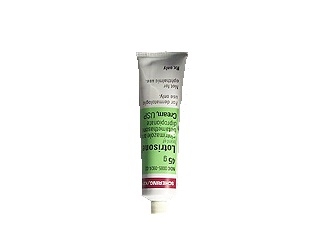
Betamethasone / Clotrimazole is a combination medicine commonly used to treat skin conditions where there is both inflammation and a fungal infection. It combines a corticosteroid to calm redness and swelling with an antifungal to help clear fungal causes such as tinea (ringworm) and other superficial dermatophyte/yeast infections.
This patient-friendly guide explains how the medicine works, how to use it safely and effectively, what to expect, and how it fits into treatment options available in Australia.
Basic product information
| Category | Details |
|---|---|
| Medicine name | Betamethasone / Clotrimazole (combination cream) |
| Active ingredients | Betamethasone (corticosteroid) + Clotrimazole (antifungal) |
| Common form | Cream for skin application |
| Typical conditions treated | Inflamed fungal skin infections (e.g., ringworm with marked itch/redness) |
| Who it may suit | Adults and some children only when appropriate for age and condition |
Product availability and strength can vary depending on the brand and formulation in Australia. Always check the specific label on your pack and follow the instructions provided.
How it works (mechanism of action)
This medicine contains two components working in different ways:
- Clotrimazole (antifungal): disrupts fungal growth by affecting the fungus’s ability to make and maintain its cell membranes. This helps stop or slow the infection.
- Betamethasone (corticosteroid): reduces inflammation by calming immune responses in the skin. This can quickly improve itchiness, redness, swelling, and irritation.
Together, the steroid helps control inflammation while the antifungal targets the underlying fungal cause.
Pharmacokinetics (what the body does to the medicine)
Because it is applied to the skin, absorption into the bloodstream is usually low. However, absorption can increase under certain conditions (for example, over large areas, under occlusion, or on broken skin).
- Absorption: Most remains localized to the skin. Systemic absorption is generally limited.
- Distribution: Any absorbed portions distribute through the body at low levels.
- Metabolism: Corticosteroid components are metabolised, primarily in the liver.
- Excretion: Metabolites are eliminated via urine and/or bile/feces pathways.
If you use the cream over extensive areas, for a prolonged period, or on skin that is covered tightly (occluded), absorption may become more significant. That’s why proper dosing and duration matter.
Typical use and timing
Betamethasone / clotrimazole is intended for skin use only. It is commonly used once or twice daily depending on the product and the severity/location of the infection. Many regimens involve applying a thin layer to the affected area and surrounding skin.
General timing tips:
- Apply at the same time(s) each day to help you stay consistent.
- Wash your hands before application, unless the hands are the treatment area. After applying, wash hands unless they are part of the infected area.
- If you shower or wash the area, dry the skin well before applying.
- Continue treatment for the full course recommended on the pack (or by your clinician), even if symptoms improve early.
If your symptoms improve substantially within a few days but do not fully resolve, do not stop early without advice—fungal infections can relapse. However, also avoid using it longer than recommended because the steroid component can worsen certain infections or thin the skin.
Food interactions
No specific food interactions are expected because betamethasone/clotrimazole is used on the skin with low systemic absorption. If you are using this cream alongside oral medicines, follow the advice for those oral medicines.
Alcohol and medicine interactions
Because this is a topical medicine, clinically significant interactions with alcohol are unlikely. There is no known direct alcohol interaction unique to this topical combination.
However, it’s still important to consider medication interactions in two situations:
- Other topical products: Avoid applying multiple creams to the same area at the same time unless directed. Some combinations may irritate the skin or alter absorption.
- Other systemic medicines (in special cases): If you are using medicines that affect immunity or have existing skin conditions, consult a healthcare professional for advice.
If you are unsure, check with a pharmacist. They can review your current medicines and advise on safe combinations.
Indications (what it is used for)
Betamethasone / clotrimazole is used for fungal skin infections that are inflamed and may show symptoms such as:
- Redness (erythema)
- Itching (pruritus)
- Swelling or irritation
- Inflamed rashes consistent with superficial fungal infection
It may be considered for conditions such as:
- Tinea corporis (ringworm on the body)
- Tinea cruris (ringworm in the groin)
- Tinea pedis (athlete’s foot) in appropriate cases
- Candidal or yeast-related skin infections (when a clinician deems steroid/antifungal combination appropriate)
Correct diagnosis is important. Not every rash is fungal. Using a steroid-containing product on the wrong condition can mask symptoms and delay proper treatment.
Dosing (how much to apply)
Follow the instructions on your product label. Dosing depends on the area affected and the severity of symptoms. A common approach is:
- Adults: Apply a thin layer to the affected skin and the surrounding area.
- Frequency: Often once or twice daily (check your pack instructions).
- Duration: Use for the recommended number of days (commonly around 1–2 weeks, but varies by product and condition).
Practical application method:
- Clean the area gently and pat dry.
- Apply a thin layer of cream to the affected patch.
- Rub in lightly until the cream is no longer visibly thick, then wash your hands after application (unless treating hands).
Do not:
- Apply to eyes or mouth.
- Use on broken skin unless directed.
- Cover with tight bandages or plastic wrap (occlusion) unless advised—this can increase absorption and side effects.
- Apply to large body areas without medical advice.
If you miss a dose: Apply when you remember, then continue with your usual schedule. If it is near the time of the next dose, skip the missed dose—do not double up.
Safety profile (side effects and when to seek help)
Common side effects
Topical corticosteroids and antifungals can occasionally cause local skin reactions. Possible side effects include:
- Mild burning or stinging
- Skin irritation
- Dryness or peeling
- Redness that may worsen if irritation occurs
Less common or serious concerns
Because betamethasone is a potent corticosteroid component, risks increase with prolonged use, large-area application, or occlusion. Seek medical advice if you notice:
- Worsening rash or spreading despite treatment
- Signs of infection such as pus, fever, or increasing pain
- Skin thinning, stretch marks, or visible blood vessels
- Persistent or recurrent symptoms shortly after finishing treatment
- Allergic-type reactions such as significant swelling or hives
Use precautions
- Avoid long-term use: Do not use longer than recommended.
- Be cautious on face, groin, armpits: Steroid absorption and skin sensitivity are higher in these areas.
- Pregnancy and breastfeeding: If you are pregnant or breastfeeding, ask a pharmacist or clinician about the safest approach, including where and for how long to apply.
- Children: Children can absorb more per body weight. Use only if appropriate and at the labelled age/strength.
- Broken skin: Absorption can be higher—avoid use unless directed.
When to stop and get urgent advice
Contact a healthcare professional promptly or seek urgent care if you develop severe allergic symptoms, extensive skin blistering, rapidly spreading infection, or severe pain.
Practical use tips for best results
- Clean and dry before applying: Fungal infections often worsen in moist environments. Pat skin dry after washing and after sweating.
- Treat the pattern, not only the visible edge: Apply slightly beyond the rash borders as directed to cover likely fungal spread.
- Keep the area breathable: Wear loose, breathable clothing. For groin/underarm areas, choose soft fabrics.
- Hygiene matters: Change underwear frequently. For athlete’s foot, use clean socks daily and keep footwear dry.
- Don’t share towels: Fungal infections can spread via shared items.
- Watch for improvement: If there is no improvement within the expected timeframe on the pack, stop and get advice. Persistent symptoms may indicate wrong diagnosis or resistant infection.
- Prevent recurrence: Continue good drying habits and consider antifungal-only options after the combined course if needed (seek advice for the best strategy).
Alternative options
The best choice depends on the diagnosis and severity. Alternatives include:
- Antifungal-only creams/solutions (for uncomplicated fungal infection without significant inflammation): e.g., products containing clotrimazole or other antifungals without a steroid component.
- Oral antifungal medicines (for extensive, severe, nail, scalp, or recurrent infections): these require clinician assessment due to potential systemic side effects and medicine interactions.
- Barrier and soothing creams (for non-fungal dermatitis): if the rash is not fungal, steroid/antifungal combination may not help.
If you’re unsure whether your rash is fungal, a pharmacist or GP can help confirm the likely cause and recommend the most appropriate treatment.
Market & legal context for Australia
Medicines in Australia are regulated under the Therapeutic Goods Administration (TGA) framework. Products containing corticosteroids and antifungals are available either via pharmacy channels depending on strength and intended use, consistent with Australian scheduling and labelling requirements.
Australia also has strong emphasis on safe use of medicines through:
- Pack labelling (clear directions, warnings, and indications)
- Pharmacist advice where products are accessible without a prescription
- Consumer medicine information and ongoing safety monitoring
Always follow the instructions on the pack and check with a pharmacist if you have any uncertainty, especially for children, pregnancy, or if you have other medical conditions.
Recent guidance & practical clinical considerations
While specific recommendations can vary by product and condition, ongoing clinical guidance generally emphasises:
- Correct diagnosis first: Many rashes resemble fungal infections. Using steroid-containing products when the cause is not fungal can worsen or mask conditions.
- Short, targeted treatment: Corticosteroids should be used at the lowest effective strength for the shortest possible duration.
- Avoid occlusion: Occlusive coverings increase absorption and side effects.
- Reassessment if not improving: If there is no meaningful improvement within a reasonable timeframe, the diagnosis should be reviewed.
If you belong to a higher-risk group (for example, diabetes, immune suppression, or frequent skin infections), consider professional assessment early.
Delivery, availability, and what to expect
Betamethasone / clotrimazole creams are commonly stocked through online pharmacies and may be available in different brand formats. Availability can vary by formulation strength and pack size.
- Ordering: Choose the exact product strength and pack type listed on the site.
- Dispatch: Orders are typically dispatched after verification and stock confirmation.
- Delivery times: Delivery estimates depend on your location within Australia.
- Storage: Store creams at room temperature as directed on the pack, keep the container tightly closed, and protect from heat.
If you have questions about selecting the correct product for your condition, a pharmacist can often help guide you based on your symptoms.
Frequently Asked Questions (FAQ)
1. Is Betamethasone / Clotrimazole used for eczema?
This combination is designed for fungal infections with inflammation. If your rash is eczema or dermatitis without a fungal cause, an antifungal/steroid combination may not be suitable. If unsure, consider pharmacist or clinician advice.
2. How long does it take to work?
You may notice reduced redness and itch within a few days because of the betamethasone component. Full fungal clearance may take longer, which is why you should use it for the full course recommended on the pack.
3. Can I stop once the rash looks better?
It’s best not to stop early unless advised. Stopping too soon can increase the chance of the fungal infection returning. Follow the labelled course duration.
4. Should I apply it to the entire area or just the patch edge?
Apply a thin layer to the affected area and the surrounding skin as directed. Treating slightly beyond the visible edge helps reduce recurrence.
5. What if my rash gets worse after starting?
Stop using the product and seek advice promptly. Worsening can mean the diagnosis may be different, or an alternative treatment is needed.
6. Can I use it on my face or in skin folds?
Use caution. Steroid-containing products can cause side effects more easily on sensitive areas such as the face, groin, and armpits. Only use it if the product label and dosing instructions specifically allow it for that area, and do not use longer than recommended.
7. Is it safe during pregnancy or while breastfeeding?
Many people use topical medicines during pregnancy with caution, but safety depends on the area treated and duration. Speak with a pharmacist or clinician before use, especially if treating large areas.
8. Are there any alcohol interactions?
Direct alcohol interactions are not expected with this topical medicine. However, if you’re taking other medicines or have underlying health conditions, consult a pharmacist if you’re unsure.
9. Can I cover the treated area with a bandage?
Avoid tight bandaging or plastic occlusion unless a healthcare professional specifically advises it. Covering can increase absorption and the risk of steroid-related side effects.
10. What should I do if it keeps coming back?
Recurrence can occur if the fungal source persists (for example, untreated footwear, towels, or ongoing moisture). If symptoms keep returning, consult a pharmacist or doctor for reassessment and possible changes in treatment.
Key takeaways
- Betamethasone / Clotrimazole combines an anti-inflammatory steroid with an antifungal to treat inflamed fungal skin infections.
- Use only on skin and follow the labelled frequency and duration.
- Expect inflammation to improve faster; fungal clearance may take the full course.
- Avoid occlusion, long treatment, and use on sensitive areas unless specifically advised.
- If there is no improvement or symptoms worsen, seek professional advice to confirm the diagnosis.