
Grifulvin (Griseofulvin) — Patient-Friendly Medicine Guide (Australia)
Grifulvin contains griseofulvin, an antifungal medicine used to treat certain fungal infections. This guide is designed to help you understand what Grifulvin does, how it works in the body, what to expect during treatment, and how to use it more safely and effectively.
Important: Always follow the instructions given by your healthcare professional and the product information provided with your medicine.
Quick Facts
- Medicine: Grifulvin (griseofulvin)
- Type: Antifungal
- Common uses: Dermatophyte (ringworm) infections of the skin, scalp, or nails
- How it’s taken: Usually by mouth, often with food to improve absorption
- Key practical point: Treatment can take weeks or months depending on the infection
Basic Product Information
Brand name: Grifulvin
Active ingredient: Griseofulvin
Medicine class: Antifungal (systemic)
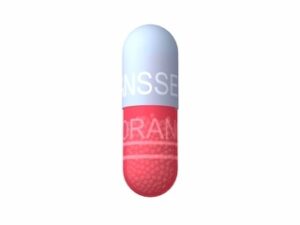
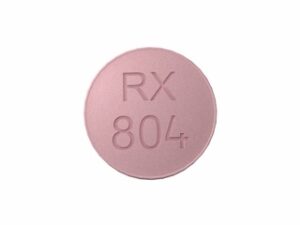
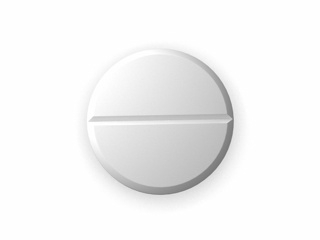
Forms and strengths: Grifulvin is typically supplied as oral tablets/capsules (and in some cases other formulations depending on availability). The exact presentation can vary. Check the packaging or ask your pharmacist for the specific product you receive.
Who it suits: Generally used when a fungal infection is extensive, recurring, affects the scalp (tinea capitis), or involves nails (onychomycosis due to dermatophytes), where creams or topical treatments alone may not be enough.
How Griseofulvin Works (Mechanism of Action)
Griseofulvin works by interfering with fungal cell function. In simple terms:
- It binds to fungal cells and disrupts microtubules, which are essential for fungal cell division.
- This slows or stops the growth of dermatophytes (fungi that commonly cause ringworm, scalp infections, and nail infections).
- Over time, healthy skin or nail tissue replaces infected areas as treatment continues.
Why treatment is long: Skin and nail growth rates are slow—especially for nails—so clearance takes time even after fungus activity decreases.
Pharmacokinetics (How the Medicine Moves Through the Body)
Understanding pharmacokinetics can help you know what affects effectiveness:
- Absorption: Griseofulvin absorption can vary, and taking it with food (especially a meal with some fat) can improve how much is absorbed.
- Distribution: It distributes into skin and keratin-containing tissues (including hair and nails), where dermatophyte infections occur.
- Metabolism: It is metabolised in the liver.
- Elimination: Metabolites are mainly excreted via the kidneys (with some contribution from other routes).
Practical implication: Consistency in dosing and taking it with the recommended food improves the chance that you’ll reach and maintain effective drug levels.
What Grifulvin Is Typically Used For (Indications)
Griseofulvin is most commonly used for infections caused by dermatophytes, including conditions such as:
- Tinea corporis (ringworm of the body)
- Tinea cruris (ringworm of the groin)
- Tinea pedis (athlete’s foot)
- Tinea capitis (ringworm of the scalp)
- Tinea barbae (beard area fungal infection)
- Onychomycosis (nail fungus) due to dermatophytes—often where nails are involved or infection is extensive
Note: Griseofulvin is generally not the preferred medicine for some non-dermatophyte fungal infections or for yeast infections. Your clinician will choose therapy based on the likely organism and site of infection.
Typical Use and When You Might Feel Better
Grifulvin is taken to treat fungal infections of the skin, scalp, or nails. You may notice improvements such as:
- Reduced itch, scaling, or redness
- Less spread of the rash
- Gradual clearing of lesions and healthier regrowth of skin/hair
Timing matters: Even with effective treatment, visible improvement can take time.
Dosing Guidance (General Information)
Dosing depends on factors such as:
- Age and weight (especially for children)
- The condition being treated (skin vs scalp vs nail)
- Severity and extent of infection
Because dosing varies: Always use the dose and schedule your healthcare professional prescribes/arranges. The sections below provide general guidance about how treatment regimens are commonly structured.
Common dosing structure
- Oral dosing: Usually taken once daily or in divided doses, depending on the product and condition.
- With food: Often recommended to take with a meal (commonly with some fat) to support absorption.
- Course length:
- Skin infections: Often several weeks
- Scalp infections: Often longer than skin, commonly weeks to months
- Nail infections: Often many months, because nails grow slowly
Do not stop early: Stopping too soon may allow the infection to return or persist.
Timing and How to Take Grifulvin
Best practice for consistent results
- Take at the same time each day to maintain steady drug levels.
- Take with food unless your healthcare professional advises otherwise.
- Swallow tablets/capsules whole if that is how the product is designed (follow the label).
- Complete the full course even if symptoms improve.
Missed dose advice (general)
- If you miss a dose, take it as soon as you remember unless it’s close to the next dose.
- Do not take double doses.
- If you’re unsure, ask your pharmacist for advice based on your dosing schedule.
Food Interactions (What to Eat With Grifulvin)
Food can affect absorption. Griseofulvin is generally recommended to be taken with meals to improve uptake.
- Take with a meal (and ideally with some fat content, such as with a normal meal rather than a very low-fat snack).
- If nausea occurs, taking it with a larger meal may help, but avoid taking it on an empty stomach unless advised otherwise.
Tip: Choose a meal you can reliably eat daily so your dosing routine remains consistent.
Alcohol and Medicine Interactions
Alcohol: While griseofulvin does not have a single universal “forbidden” rule with alcohol, it is wise to use caution.
- Alcohol can increase the risk of stomach upset and may worsen liver stress.
- Griseofulvin is metabolised in the liver, so heavy or frequent alcohol use may increase the likelihood of liver-related side effects.
Practical advice: If you drink alcohol, consider limiting it and seek guidance from your pharmacist/doctor—especially if you have any liver disease or history of liver problems.
Other medicine interactions are important because griseofulvin can interact with medicines that affect liver enzymes.
Medicine Interactions (Other Drugs That May Matter)
Griseofulvin can interact with other medications. Interactions may change how well either medicine works or increase side effects.
Common interaction categories include:
- Oral hormonal contraceptives: Some antifungals and enzyme-active medicines may reduce contraceptive effectiveness. Discuss contraception plans with your clinician.
- Warfarin and other medicines affected by liver metabolism: Close monitoring may be needed if you take anticoagulants.
- Seizure medications (antiepileptics): Some can alter drug levels and dosing may need adjustment.
- Other liver-metabolised medicines: Blood levels or effects may be changed.
Always tell your pharmacist about:
- All prescription medicines
- Over-the-counter medicines (including herbal products)
- Supplements (vitamins, “natural” remedies)
Safety Profile and Side Effects
Like all medicines, Grifulvin can cause side effects. Many people tolerate griseofulvin well, but some adverse effects require prompt medical advice.
Common side effects
- Headache
- Nausea or upset stomach
- Dizziness
- Diarrhoea
- Rash or skin sensitivity
Less common but important side effects
- Liver problems (signs may include yellowing of skin/eyes, dark urine, persistent fatigue, abdominal pain)
- Blood abnormalities (unusual bruising, persistent sore throat, fever)
- Severe skin reactions (blistering rash, mouth ulcers, widespread peeling)
Seek urgent medical help if you notice
- Swelling of the face/lips, breathing difficulties, or signs of allergy
- Yellow skin or eyes (jaundice)
- Severe skin rash, blistering, or widespread skin peeling
- Severe persistent vomiting, confusion, or marked weakness
Monitoring: Depending on your duration of therapy and risk factors, your clinician may suggest blood tests (for example, liver function) during treatment.
Practical Tips for Using Grifulvin Successfully
Make sure it’s the right infection
Dermatophyte infections are common, but not all “ringworm” appearances are caused by dermatophytes. If symptoms are not improving, your clinician may test to confirm the fungus and guide therapy.
Reduce spread and reinfection
- Keep the affected area clean and dry.
- Use separate towels and avoid sharing hats, combs, or clothing that touches the lesion.
- Wash bedding and clothes regularly, especially during active infection.
- If you have athlete’s foot, treat it as directed to reduce reinfection risk for nails and skin.
Support nail and scalp outcomes
- Nails: Expect improvement gradually. Healthy nail growth is the key sign of progress.
- Scalp: Continue prescribed therapy and follow advice on hair washing and comb/disinfection where recommended.
Don’t rely on “symptom relief” alone
Even if itching reduces early, the fungus may still be present. Complete the planned course to reduce the chance of relapse.
Alternative Options (Depending on Site and Cause)
Treatment choices vary by infection site, severity, and the organism. Your clinician may recommend one or more of the following:
Topical antifungals
- For limited skin infections, topical agents (creams, ointments, solutions) may be sufficient.
- They are typically used for body and groin ringworm, and sometimes for athlete’s foot.
Other oral antifungals
- Terbinafine: Often used for many dermatophyte infections and may be preferred for certain cases.
- Itraconazole or fluconazole: Sometimes used for specific fungal infections and nail disease, depending on organism and patient factors.
Procedures for nail disease
- In some cases, nail trimming/debridement may improve the effectiveness of treatment and reduce fungal burden.
- Where appropriate, combination strategies may be discussed.
Best choice depends on: diagnosis confirmation, drug interactions, liver function, pregnancy status considerations (where relevant), and the specific fungus involved.
Grifulvin in Australia: Market, Legal, and Healthcare Context
In Australia, antifungal medicines are supplied through a regulated healthcare system. Depending on the product and strength, medicines may be listed as prescription-only or have different supply controls. Availability can vary by formulation and pharmacy supply arrangements.
Why this matters: Because antifungal therapies may require dose tailoring and monitoring (particularly for long courses such as nail/scalp infections), it’s important to use medicines through proper clinical assessment.
Recent guidance and practice trends:
- Clinicians increasingly emphasize confirming diagnosis (especially for nail disease or persistent “ringworm-like” rashes).
- There is greater focus on adherence and managing drug interactions, particularly with long courses.
- Because liver-related side effects can occur, healthcare providers may consider baseline and follow-up checks in higher-risk patients or for prolonged treatment.
Always refer to current local product information and professional advice, as recommendations may evolve.
Delivery and Availability (Online Pharmacy Considerations in Australia)
Availability of Grifulvin can vary over time due to supply and formulation changes. If you’re ordering online in Australia, typical steps include:
- Checking stock availability and delivery timeframes shown at checkout
- Confirming the correct product strength/formulation
- Ensuring you meet supply requirements for your medicine
- Reading delivery and cold/heat handling guidance (if applicable—many tablets do not require refrigeration)
Delivery tips:
- Ensure your delivery address is correct and accessible (including unit numbers).
- Plan to receive the medication so you don’t miss doses.
- Store the medicine according to label directions (typically at room temperature, away from moisture and sunlight).
When to Contact Your Healthcare Team
Contact your pharmacist or clinician promptly if:
- Your rash/infection is not improving after a reasonable period
- You develop symptoms suggestive of liver issues
- You experience a significant allergic reaction or severe rash
- You have frequent vomiting or cannot keep tablets down
- You’re taking multiple medicines and you’re unsure about interactions
Grifulvin: Summary of Key Advice
- Use for dermatophyte fungal infections of skin, scalp, or nails.
- Take consistently and usually with food to improve absorption.
- Expect slow improvement, especially for nails and scalp.
- Avoid alcohol excess and discuss your situation if you have liver problems.
- Check interactions with your pharmacist, especially if you take other liver-metabolised medicines.
- Seek urgent help for severe rash, jaundice, or signs of allergy.
FAQ: Grifulvin (Griseofulvin)
1) How long does Grifulvin take to work?
Improvement can begin within a few weeks for some skin infections, but clearance often takes longer. Nail infections typically require months of treatment because nails grow slowly. Scalp infections can also require a prolonged course. Continue treatment for the full duration advised.
2) Should I take Grifulvin with food?
Often, yes. Taking griseofulvin with a meal can improve absorption and effectiveness. Follow your product label and healthcare instructions.
3) Can I drink alcohol while taking Grifulvin?
It’s best to be cautious. Alcohol can worsen stomach upset and may increase the risk of liver stress. If you plan to drink, keep it moderate and ask your pharmacist or doctor if you have any liver history or other risk factors.
4) What should I do if I miss a dose?
Take the missed dose when you remember unless it’s nearly time for the next dose. Don’t double up. If you’re uncertain, ask a pharmacist for personalised advice.
5) Are there medicines I should avoid?
Some medicines can interact with griseofulvin, including those affecting liver metabolism. Tell your pharmacist about all medicines and supplements you use so interactions can be checked.
6) Will Grifulvin interact with hormonal contraception?
Griseofulvin may affect the effectiveness of some hormonal contraceptives by changing how medicines are processed in the body. Discuss contraception options with your clinician and pharmacist.
7) What side effects are most common?
Common side effects include headache, nausea, dizziness, diarrhoea, and sometimes rash. If you experience severe symptoms or signs of allergy, seek urgent medical care.
8) How do I know if the fungal infection is actually improving?
For skin: reduced redness, scaling, and itch with no new lesions are good signs. For nails: healthy nail growth over time is the key indicator. If there’s no improvement, your clinician may reassess the diagnosis or consider alternative treatment.
9) Can Grifulvin cure nail fungus completely?
It can be effective for dermatophyte nail infections, but success depends on diagnosis, adherence, and the nature/extent of nail disease. Nail growth is slow, and relapse can occur. Your clinician may recommend supportive nail care and follow-up testing.
10) Are there alternatives to Grifulvin?
Depending on the infection and patient factors, options can include topical antifungals for limited skin disease or other oral antifungals (e.g., terbinafine, itraconazole, or fluconazole) in certain circumstances. The best choice depends on the fungus and treatment goals.
Product Information Table (Quick Reference)
| Topic | What to Know |
|---|---|
| Active ingredient | Griseofulvin |
| Medicinal purpose | Systemic antifungal for dermatophyte infections |
| Typical sites | Skin, scalp (tinea capitis), nails (onychomycosis due to dermatophytes) |
| How to take | By mouth, often with food; take consistently |
| How long treatment lasts | Weeks for skin; longer for scalp; often months for nails |
| Food effects | Food may improve absorption |
| Alcohol | Use caution; avoid excess due to possible liver stress and stomach upset |
| Key safety watch-outs | Seek help for jaundice, severe rash, breathing issues, or signs of allergy |
Disclaimer: This information is general and not a substitute for personalised medical advice. If you have questions about your specific infection, dose, side effects, or interactions, talk to your pharmacist or healthcare professional.