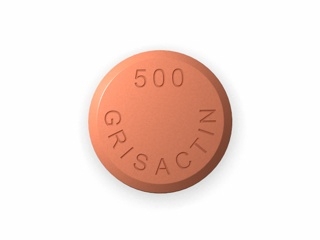

Grisactin (Griseofulvin) — Patient Information
Grisactin contains griseofulvin, an antifungal medicine used to treat certain fungal infections of the skin, hair and nails. This guide is designed to help you understand what Grisactin is, how it works, how to take it, and what to expect during treatment.
If you have questions about your specific condition, always follow the advice of your healthcare professional and the information on the pack you receive.
Basic product information
| Item | Details |
|---|---|
| Medicine name | Grisactin (griseofulvin) |
| Medicine type | Antifungal (for fungal infections affecting skin, hair and nails) |
| How it works | Stops fungal cells from dividing properly and forming new fungal structures |
| Common forms | Oral tablets (strengths may vary by product) |
| Typical course length | Often weeks for skin/hair; longer for nail infections (months may be needed) |
| Key practical point | Consistency matters; infections may take time to clear completely |
How Grisactin works (mechanism of action)
Griseofulvin works by interfering with the way fungal cells form and multiply. It binds to fungal cell structures (particularly involving microtubules/spindle formation), which disrupts cell division. Over time, this helps reduce the number of living fungal cells and allows healthy tissue to replace infected areas.
Because griseofulvin targets fungal growth, it is most useful when the infection is located in areas that need time to grow out—especially nails, where new nail growth must replace infected nail plate.
Pharmacokinetics (how the body handles griseofulvin)
Understanding pharmacokinetics can help explain why timing and taking it with food can matter:
- Absorption: Griseofulvin absorption can be improved when taken with food, particularly foods containing fat. This may increase how much of the medicine enters the bloodstream.
- Distribution: The medicine distributes into the body and reaches the skin, hair and nails—where fungal growth occurs.
- Metabolism: Griseofulvin is metabolised in the liver.
- Elimination: Metabolites are cleared from the body primarily via the kidneys (urine) and/or bile/faeces depending on metabolism pathways.
Importantly, the medicine’s effect in nails may take longer because nails grow slowly.
What Grisactin is typically used for (indications)
Grisactin is used to treat certain fungal infections caused by dermatophytes (ringworm-type fungi). Common conditions may include:
- Tinea corporis (ringworm of the body)
- Tinea cruris (ringworm of the groin)
- Tinea capitis (ringworm of the scalp)
- Tinea pedis (athlete’s foot) in selected cases
- Tinea unguium (fungal infection of the nails; onychomycosis)
- Other dermatophyte infections as advised by a clinician
Grisactin is not intended for all fungal infections. For example, some infections may be due to different organisms (e.g., yeasts) and may require other treatments.
Timing and how to take Grisactin
General timing
Take Grisactin at about the same time each day. Many regimens are taken once daily, but your exact schedule depends on the product strength and the infection being treated.
Take with food (food improves absorption)
Griseofulvin absorption may be better when taken with a meal or with some food (often recommended with fat-containing food). This can help your body absorb the medicine more effectively.
- Try to take the dose with a meal or soon after eating.
- If you miss a meal, taking the dose without food may reduce absorption. Ask your pharmacist or clinician what to do in your situation.
How long treatment usually takes
Fungal infections often clear slowly. You may see improvement within days to weeks, but complete clearance—especially for nails—may take significantly longer.
- Skin/hair infections: often several weeks (exact duration varies).
- Nail infections: may take months because new nail growth is required.
Keep taking Grisactin for the full recommended course, even if symptoms improve early.
Dosing overview (important)
Doses depend on factors such as the type of fungal infection, site involved (skin vs nails vs scalp), age, weight (for children), and the specific product formulation. Always follow the dose provided with your medicine.
Typical dosing patterns (general information)
- Adults: commonly taken once daily, with dose determined by strength and infection type.
- Children: dosing is often based on weight and the product’s approved dosing instructions.
- Nail infections: often require longer treatment and/or higher total duration compared with skin infections.
Missed dose
- If you miss a dose, take it when you remember unless it is close to the next dose.
- Do not take two doses at once to make up for a missed dose.
- If you are unsure, ask your pharmacist or healthcare professional.
Food interactions
Food can meaningfully affect how well griseofulvin is absorbed.
- Recommended: Take with food, ideally with a meal (and often with fat-containing food).
- Potential issue: Taking without food may lead to lower blood levels and less effective treatment.
If you have a dietary plan (e.g., for appetite loss, fasting, or specific nutritional needs), discuss practical options with your pharmacist to maintain consistent absorption.
Alcohol interactions
Alcohol may increase the risk of side effects, particularly those involving the liver or the nervous system (e.g., dizziness, fatigue). Because griseofulvin is metabolised by the liver, it is generally wise to avoid or limit alcohol during treatment.
- Best approach: Avoid alcohol while taking Grisactin if possible.
- If you drink: keep to low amounts and monitor for side effects such as nausea, unusual tiredness, headaches, or rash.
If you have a history of liver disease or have ever had abnormal liver tests, ask your healthcare professional for personalised advice.
Medicine interactions (including other medicines and supplements)
Griseofulvin can interact with a range of medicines. These interactions may change how well either medicine works or increase the chance of side effects.
Common interaction themes
- Enzyme effects: Griseofulvin may affect liver enzyme activity, which can alter blood levels of other medicines.
- Hormonal contraception: Some antifungals and enzyme-modulating medicines can reduce the effectiveness of hormonal contraception. Discuss contraception reliability with your healthcare professional.
- Other hepatotoxic medicines: Combining medicines that affect the liver may increase the risk of liver-related side effects.
Check with your pharmacist if you use
- Warfarin or other blood thinners
- Anti-seizure medicines
- Medicines for long-term conditions that rely on stable blood levels
- Hormonal contraceptives (pill, patch, ring, implant, injection—depending on local guidance and your situation)
- Some antibiotics or antivirals
- Herbal products and supplements (e.g., St John’s wort can affect drug levels)
Provide a complete list of your medicines, including “as needed” medicines and supplements, to your pharmacist before starting Grisactin.
Safety profile and side effects
Most people tolerate griseofulvin well, but like all medicines it can cause side effects. The likelihood and type of side effects may depend on dose, treatment length, and individual health factors.
Common side effects
- Headache
- Nausea, stomach upset, or diarrhoea
- Dizziness or feeling tired
- Rash or itching
- Light sensitivity in some people
Less common but important side effects
- Liver problems: signs may include yellowing of the eyes/skin (jaundice), dark urine, severe fatigue, or upper right abdominal pain.
- Blood-related changes: unusual bruising, infections more often than usual, or severe sore throat.
- Severe skin reactions: widespread rash, blistering, or peeling skin.
Seek urgent medical help if
- You develop swelling of the face/lips, difficulty breathing, or widespread hives
- You experience severe dizziness, fainting, confusion, or persistent vomiting
- You notice symptoms suggesting liver injury (e.g., jaundice or dark urine)
- You develop a severe rash or blistering
Who should take extra care?
- People with liver disease or previous abnormal liver function tests
- People with a history of medication-related rash or hypersensitivity
- Those with a complex medicine list (higher risk of interactions)
- People who are pregnant, planning pregnancy, or breastfeeding—discuss suitability with a clinician
Practical tips for successful treatment
Fungal infections can be stubborn. The following steps can improve your chances of clearing the infection and avoiding relapse.
Take the medicine correctly
- Don’t miss doses: consistent levels help control fungal growth.
- Take with food: follow the “with meal” advice to support absorption.
- Finish the full course: stopping early can lead to incomplete clearance.
Support the affected area
- Keep the area clean and dry, especially for foot/groin infections.
- Change socks regularly and use breathable footwear.
- Avoid sharing towels and keep personal items separate.
- For scalp infections, follow your clinician’s hair care advice and avoid harsh chemicals.
Reduce reinfection
- Wash bed linen and towels as recommended.
- Check pets or household members if ringworm is suspected in your environment.
- For nail infections, trimming thick nails may help topical treatments (if included) and hygiene.
Be patient—especially with nails
Nails take time to grow. You may notice improvements slowly even while the medicine is working. The infection may look worse early on before better growth becomes visible.
Alternative options for fungal infections
Depending on the type of fungal infection, severity, and site, alternative treatments may include topical antifungals, other oral antifungals, or combination strategies. Your clinician/pharmacist can advise which is best for your situation.
Examples of alternatives (general)
- Topical antifungals (creams/solutions/shampoos) for skin or scalp infections in selected cases
- Other oral antifungal medicines for certain dermatophyte infections, particularly those affecting nails or widespread disease
- Combination approaches (oral plus topical) in some nail or scalp infections
The choice of medicine depends on the organism suspected, location, previous treatments, and individual risk factors. Grisactin may be considered particularly when a systemic option is needed for dermatophyte infections.
Market and legal context in Australia (overview)
In Australia, supply of medicines is regulated and depends on the medicine’s classification and approved therapeutic uses. Grisactin (griseofulvin) is an established antifungal option, and availability may vary between products and strengths.
Online pharmacies in Australia generally operate under applicable state and federal regulations, including requirements for patient counselling, product sourcing, and appropriate dispensing processes.
If you are unsure about whether Grisactin is suitable or available for your condition, your pharmacist can help you understand options and next steps.
Recent guidance (what to consider now)
Guidance for antifungal treatment can evolve based on clinical practice, resistance patterns, and safety monitoring. In the current environment, key “stay up to date” themes include:
- Confirming the diagnosis: Ringworm and nail fungus can mimic other conditions; confirming the type of infection improves success.
- Ensuring correct medicine for the organism: Some infections are better treated with different antifungals.
- Safety monitoring: Because liver metabolism is involved, clinicians may consider baseline or follow-up checks for longer courses or higher-risk patients.
- Adherence: Treatment success depends heavily on taking medicine consistently for the recommended duration.
Your pharmacist can provide the latest advice relevant to Australian practice and the specific product you receive.
Delivery and availability (online pharmacy)
Grisactin may be available through online pharmacies depending on stock levels, strength, and supplier availability. Delivery timeframes can vary by location within Australia and by courier service.
What to expect
- Order processing: orders may require verification and preparation before dispatch.
- Packaging: medicines are typically shipped in secure, tamper-evident packaging.
- Delivery updates: tracking information is often provided after dispatch.
If a specific strength or formulation is unavailable, a pharmacist may suggest an equivalent alternative where appropriate.
FAQ
1) How long does it take for Grisactin to work?
Many people notice improvement within the first few weeks for skin or scalp infections, but complete clearance can take longer. Nail infections usually require months because healthy nail must grow out.
2) Can I stop Grisactin when I feel better?
It’s important to complete the full course recommended for your infection. Stopping early can increase the chance that the fungus persists and the infection returns.
3) Should I take Grisactin with food every time?
Yes, taking it with food is commonly recommended to support absorption. Aim to take your dose with a meal (or follow your pharmacy’s instructions for your specific product).
4) What if I vomit after taking a dose?
If you vomit shortly after taking Grisactin, the dose may not have been fully absorbed. Contact your pharmacist for advice on whether you should take another dose.
5) Is it safe to drink alcohol while taking Grisactin?
Alcohol may increase side effects and could strain the liver. It’s generally best to avoid alcohol during treatment or limit it significantly. Ask your pharmacist for personalised advice.
6) What medicines should I avoid while on Grisactin?
Interaction risk varies. It’s safest to tell your pharmacist about all medicines and supplements you use. In particular, mention blood thinners, anti-seizure medicines, hormonal contraception, and any herbal products.
7) Will Grisactin cure nail fungus completely?
Nail fungus can be difficult to treat, but many cases improve with the right therapy and full course duration. However, relapse can occur. Continued good hygiene and correct treatment duration are key.
8) Do I need topical antifungal treatment as well?
Sometimes yes, sometimes no—depending on your condition and severity. Your clinician may recommend topical therapy alongside oral medicine, especially for nails or scalp in selected situations.
9) What side effects require stopping the medicine and getting help?
Seek urgent medical advice for severe allergic reactions (swelling, breathing difficulty), severe rash/blistering, or symptoms that could indicate liver problems (jaundice, dark urine, severe fatigue).
10) How should I store Grisactin?
Store tablets as directed on the packaging (typically at room temperature, away from moisture and heat). Keep out of reach of children.
Important note
This information is intended as a general guide to Grisactin (griseofulvin) and does not replace personalised advice. If you have questions about your condition, drug interactions, or side effects, speak with a pharmacist or healthcare professional.