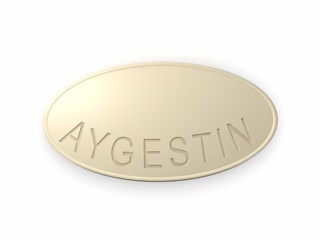
Aygestin (Norethindrone Acetate) — Patient Information (Australia)
Aygestin is a brand of norethindrone acetate, a synthetic form of the hormone progestogen (progestin). Progestogens are used to treat a range of hormone-related conditions, including certain menstrual disorders and endometrial (uterine lining) problems.
This guide is written to help you understand how Aygestin works, how it is typically used, what to expect, and what to discuss with a healthcare professional. It is designed for easy reading and is not a substitute for individual medical advice.
Basic product information
| Feature | Details |
|---|---|
| Medicine | Aygestin |
| Active ingredient | Norethindrone acetate |
| Medicine type | Progestogen (progestin) hormone therapy |
| Common dosage forms | Tablets (strengths may vary by product) |
| How it’s taken | Oral tablets, usually once or twice daily depending on the condition |
| How it works | Alters uterine lining growth and hormone signalling |
Note: Your product strength and exact dosing schedule depend on what you’re treating. Always follow the instructions provided with your medicine.
How Aygestin works (mechanism of action)
Norethindrone acetate is converted in the body to active progestogen effects. The main ways it helps include:
- Stabilising and thinning the uterine lining (endometrium): Progestogens reduce excessive growth of the endometrium and help regulate bleeding patterns.
- Preventing endometrial overgrowth: By opposing the effects of oestrogen on the uterine lining, Aygestin can protect against endometrial hyperplasia (thickening of the lining).
- Changing hormone signalling: It influences the normal cycle of hormones that controls ovulation and menstruation.
- Reducing abnormal bleeding: In many patients, it helps control irregular or heavy menstrual bleeding caused or worsened by hormone imbalance.
The way it benefits you depends on your specific diagnosis (for example, irregular bleeding, endometriosis-related symptoms, or endometrial protection when using certain hormonal therapies).
Pharmacokinetics (what the body does to the medicine)
Pharmacokinetics describes how the body absorbs, distributes, metabolises, and eliminates norethindrone acetate.
- Absorption: Aygestin is taken by mouth and is absorbed through the gastrointestinal tract.
- Conversion and activation: Norethindrone acetate is a prodrug form that is converted to active hormonal metabolites in the body.
- Distribution: It distributes throughout the body and acts on hormone receptors, particularly in reproductive tissues.
- Metabolism: The medicine is metabolised mainly by the liver (hepatic metabolism), similar to other steroid hormones.
- Elimination: Metabolites are excreted primarily via urine and possibly bile/faeces.
- Half-life: Like other progestins, it has a biological half-life long enough to support once-daily or divided dosing, depending on the regimen.
Practical takeaway: Consistent daily timing helps maintain steady hormone levels and may improve bleeding control.
Typical use and timing
Aygestin is commonly used to:
- Treat abnormal uterine bleeding (for example, irregular or heavy bleeding related to hormone imbalance)
- Manage endometrial conditions such as endometrial hyperplasia or for endometrial protection in certain hormone therapy plans
- Support specific gynaecological indications determined by your clinician
When it starts working:
- Some people notice changes in bleeding within days to a few weeks, depending on the condition and dosing.
- It may take several cycles for the full effect on pattern and volume of bleeding.
Timing of doses:
- Take at the same time each day to reduce hormonal fluctuations.
- If you are instructed to take it twice daily, try to space doses about 12 hours apart.
- If you miss a dose, take it when you remember if it is not close to the next dose—follow the advice provided with your medicine or by your healthcare professional.
Indications (what Aygestin is used for)
Aygestin (norethindrone acetate) may be used for the following indications, as determined by local clinical practice and individual patient assessment:
- Abnormal uterine bleeding (including dysfunctional uterine bleeding)
- Endometrial hyperplasia and related conditions where progestin therapy is appropriate
- Endometrial protection when oestrogen therapy is used in selected scenarios (your prescriber will determine suitability)
- Other hormone-responsive gynaecological conditions where a progestogen is beneficial
Important: Abnormal bleeding should be medically assessed. Unexpected bleeding can have causes that require different treatment. If you have ongoing heavy bleeding, bleeding after menopause, or bleeding with significant pain, seek timely medical evaluation.
Dosing (general guidance)
Dosing depends on the condition being treated, how severe the symptoms are, and how you respond to therapy. Common patterns include:
- Daily regimens: Taken once daily for certain conditions.
- Divided dosing: Sometimes split into two doses per day.
- Continuous vs cyclic therapy: Some regimens are taken continuously; others are taken for a specified number of days each cycle.
Do not change your dose without medical advice. If you experience bothersome side effects or your bleeding pattern changes significantly, contact a healthcare professional to review your regimen.
If you miss a dose:
- Take the missed dose as soon as you remember, unless it’s almost time for the next dose.
- Do not take double doses to make up for a missed tablet.
- If you have missed several doses, ask for advice because the effect on bleeding may change.
Food interactions and dietary considerations
In most people, Aygestin can be taken with or without food. Food is not typically expected to cause major changes in absorption.
Practical tips:
- Choose a routine that makes it easy to remember (for example, with breakfast or at bedtime).
- If your stomach feels upset, taking the tablet after food may help reduce nausea.
- Avoid making sudden diet changes solely to affect the medicine—focus instead on adherence and monitoring symptoms.
Alcohol and medicine interactions
Alcohol
Moderate alcohol consumption does not always cause direct interaction with norethindrone acetate, but alcohol can worsen some side effects such as:
- Headache or dizziness
- Nausea or stomach upset
- Fatigue
Advice: If you notice increased side effects when drinking alcohol, consider reducing or avoiding alcohol while you are taking Aygestin.
Other medicines (important interactions)
Some medicines can affect how norethindrone acetate is processed in the liver, which may change effectiveness or increase side effects.
- Enzyme inducers (often used for certain seizures, tuberculosis, or some herbal products): may reduce progestin levels and affect symptom control.
- Hepatic enzyme inhibitors: may increase progestin levels, potentially increasing side effects.
- Certain antibiotics and antifungals: can alter metabolism in some cases—check with your pharmacist.
- Herbal products (especially St John’s wort): may reduce hormonal effectiveness and should generally be avoided unless your clinician advises otherwise.
Always tell your pharmacist or healthcare professional about:
- All prescription medicines
- All over-the-counter medicines
- Vitamins and supplements
- Herbal products
Safety profile (common side effects and when to seek help)
Like all medicines, Aygestin can cause side effects. Many are mild and improve over time, but some require urgent attention.
Common side effects
- Irregular bleeding or spotting (especially during the first weeks)
- Changes in menstrual pattern
- Breast tenderness
- Headache
- Nausea
- Mood changes (some people notice irritability or mood swings)
- Fluid retention or bloating
- Acne or skin changes (in some patients)
Less common but serious risks
Hormone medicines may be associated with more serious adverse effects in certain people. Seek medical attention promptly if you experience:
- Signs of a blood clot such as:
- Sudden shortness of breath
- Chest pain
- Unilateral leg swelling or pain
- Sudden weakness/numbness (possible stroke symptoms)
- Severe abdominal pain or sudden worsening pain
- Severe headache, vision changes, or fainting
- Jaundice (yellowing of the skin/eyes) or dark urine (possible liver problems)
- Very heavy bleeding (for example, soaking through pads quickly or passing large clots)
- Allergic reaction such as swelling of the face/lips, hives, or difficulty breathing
Who should be extra cautious: Your clinician may consider your personal and family history of clotting disorders, migraine with aura, uncontrolled high blood pressure, smoking status, and liver disease.
General safety considerations
- Pregnancy and breastfeeding: You should discuss suitability with your healthcare professional, especially if pregnancy is possible or you are breastfeeding.
- Liver disease: Because norethindrone acetate is metabolised in the liver, liver conditions may affect safety.
- Menstrual changes: Some spotting is expected early; however, new or persistent abnormal bleeding should be assessed.
Practical use tips (getting the best results)
- Track bleeding: Keep a simple calendar or use a period-tracking app. Note start/end dates, heaviness, and any spotting. This helps clinicians adjust treatment if needed.
- Consistency matters: Take your tablet at the same time each day. If twice daily, space doses evenly.
- Plan for early irregular bleeding: In the first weeks, spotting may occur. Don’t assume the medicine “isn’t working” immediately—unless bleeding becomes heavy or concerning.
- Manage side effects: If headaches or nausea occur, consider taking the tablet after food and staying hydrated. For persistent side effects, ask your pharmacist about options.
- Review your medication list: Enzyme-inducing medicines and herbal products can reduce effectiveness—perform a medication check when starting Aygestin.
- Attend follow-up: Depending on your indication, you may need review and, in some cases, monitoring of the uterine lining.
Alternative options for hormone-related bleeding and endometrial protection
Your alternative treatment options depend on the cause of symptoms and your medical history. Possible alternatives (to discuss with a clinician) may include:
- Other progestogens (different progestin types or formulations)
- Levonorgestrel-releasing intrauterine system (LNG-IUS) for some endometrial protection and bleeding control scenarios
- Combined hormonal therapies where appropriate for menstrual regulation (subject to individual suitability and risk factors)
- Non-hormonal treatments (depending on the diagnosis), such as options aimed at reducing heavy bleeding
- Surgical or procedural options for certain structural causes of abnormal bleeding (for example, fibroids or polyps)
Important: Only a clinician can determine which option is right for you. Your current symptoms, imaging results, and medical history all play a role.
Market and legal context in Australia
In Australia, medicines are regulated by the TGA (Therapeutic Goods Administration). Availability and prescribing rules vary depending on the specific product category and patient need. Hormone medicines can be subject to specific distribution and safety requirements.
Online pharmacies operating in Australia must comply with applicable laws for legitimate supply, safe dispensing practices, and consumer information. Always ensure you purchase from a reputable provider that can supply medicines through approved channels.
What to check before ordering online:
- That the product is clearly identified (generic name and brand)
- Strength and pack size
- Expiry date and storage instructions
- Clear information about delivery timeframes and packaging
- A reliable contact method for medication questions
Recent guidance and monitoring (what’s commonly emphasised)
While exact “recent guidance” can differ by condition and evolving evidence, Australian clinical practice commonly emphasises:
- Prompt assessment of persistent or new abnormal uterine bleeding, especially if bleeding is heavy, frequent, or occurs after menopause.
- Review of cardiovascular and clot risk factors when using hormone therapies.
- Medication interaction checks, particularly with medicines that affect liver enzymes.
- Adherence and follow-up to ensure symptoms improve and to confirm the intended therapeutic effect (for example, for endometrial conditions).
If you are using Aygestin as part of a treatment plan for a known uterine lining condition, your clinician may schedule follow-ups and tests where appropriate.
Delivery and availability (Australia)
Aygestin may be available through pharmacies and approved online dispensaries. Availability can vary depending on stock levels and regional supply.
Delivery considerations:
- Delivery times vary by state and shipping service.
- Medicines should be delivered in suitable packaging to protect tablets from damage and minimise temperature exposure issues.
- Check whether your supplier offers tracking and a delivery confirmation process.
Storage after delivery:
- Store at the recommended temperature on the pack (typically below 25°C unless stated otherwise).
- Keep away from moisture and direct sunlight.
- Keep out of reach of children.
FAQ — Aygestin (Norethindrone Acetate)
1) How long does it take for Aygestin to work?
Many people notice changes in bleeding within days to a few weeks. Full improvement may take several weeks to a few cycles, depending on the reason for treatment and your dosing schedule.
2) Why am I spotting or bleeding more at the start?
Spotting and irregular bleeding can occur during the initial period while your body adjusts to progestin therapy. This is often temporary. However, if bleeding becomes very heavy, lasts unusually long, or worries you, contact a healthcare professional.
3) Can I take Aygestin with food?
In general, you can take Aygestin with or without food. If you feel nausea, taking it after food may help.
4) Are there medicines I should not combine with Aygestin?
Some medicines and herbal products can reduce or increase hormone levels. Tell your pharmacist about everything you take, especially medicines for seizures, tuberculosis, certain infections, and supplements such as St John’s wort.
5) Does alcohol affect Aygestin?
Moderate alcohol may not cause a direct interaction in all people, but alcohol can worsen side effects like headache, dizziness, nausea, and fatigue. If you notice worsening symptoms, reduce or avoid alcohol.
6) What if I miss a dose?
If you miss a dose, take it when you remember unless it’s almost time for the next dose. Do not take a double dose. If you miss multiple doses, seek advice so your bleeding expectations and next steps can be reviewed.
7) When should I seek urgent medical help?
Seek urgent help for symptoms that may suggest a serious complication, including signs of a blood clot (e.g., chest pain or sudden shortness of breath), severe abdominal pain, jaundice, or an allergic reaction.
8) Is Aygestin used for contraception?
Aygestin is a progestogen used for hormone-related conditions. Whether it provides contraceptive protection depends on the indication and regimen. If contraception is required, discuss reliable options with a clinician.
9) Can I use Aygestin long-term?
Some progestin therapies may be used for longer periods under clinician guidance. The appropriate duration depends on your diagnosis, symptom control, and risk factors. Follow-up is important.
10) Where can I find more reliable product information in Australia?
Your pharmacist can provide consumer medicine information relevant to the specific brand and strength you receive. You can also check packaging details and the national medicine listing for official information.
Summary
Aygestin (norethindrone acetate) is a progestogen medicine used to treat certain conditions related to uterine lining growth and abnormal bleeding. It works by stabilising and altering the endometrium, helping control bleeding patterns and protecting against abnormal thickening where appropriate.
For best outcomes, take the tablet consistently at the recommended times, be aware of potential interactions (including certain herbal products and liver-metabolised medicines), and seek medical advice if you experience persistent or heavy bleeding or any serious symptoms.