
Provera (Medroxyprogesterone Acetate) – Patient Information (Australia)
Provera is a brand of medroxyprogesterone acetate, a medicine used to replace or supplement the hormone progesterone in certain situations. It is used for a range of gynaecological conditions, including abnormal uterine bleeding and to support hormone therapy in some women.
This page is designed to be patient-friendly and to help you understand how Provera works, how it is usually taken, and what to watch for. It is not a substitute for advice from your doctor or pharmacist, especially because the “right” dose and schedule depend on your personal medical history.
Basic Product Information
- Active ingredient: Medroxyprogesterone acetate (MPA)
- Brand: Provera
- Medicine type: Progestin (synthetic progesterone)
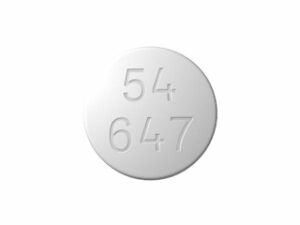
- Common dosage forms: Tablets (strengths vary by product presentation)
- Therapeutic uses: Hormone-related conditions and hormone therapy support
Note: Brand names and exact strengths can vary. Always check the strength on your pack and follow the directions given with your specific product.
How Provera Works (Mechanism of Action)
Medroxyprogesterone acetate is a progestin. In the body, it mimics the effects of natural progesterone, helping to regulate the endometrium (the inner lining of the uterus).
- Endometrial effects: Provera helps stabilise and control the growth of the uterine lining.
- Bleeding regulation: By opposing the effects of oestrogen on the endometrium, it can reduce abnormal bleeding and help establish predictable withdrawal bleeding patterns when appropriate.
- Hormone signalling: It can influence the hypothalamic–pituitary–ovarian axis, which may affect ovulation and menstrual function in some individuals.
Pharmacokinetics (How the Body Processes Provera)
While individual responses vary, the general pharmacokinetic behaviour of medroxyprogesterone acetate includes the following:
- Absorption: After oral administration, absorption occurs through the gastrointestinal tract.
- Distribution: The medicine distributes throughout body tissues and binds to plasma proteins.
- Metabolism: Medroxyprogesterone acetate is metabolised mainly in the liver.
- Excretion: Metabolites are eliminated largely via urine and faeces.
- Onset of action: Effects on bleeding may take days to weeks depending on the reason for use.
Practical takeaway: Many users won’t see full effects immediately. It’s important to continue taking Provera as directed and to discuss any unexpected bleeding changes with your healthcare professional.
Typical Uses and Indications
In Australia, Provera (medroxyprogesterone acetate) is commonly used for hormone-related conditions. Indications may include:
- Abnormal uterine bleeding due to hormonal imbalance (for example, dysfunctional uterine bleeding).
- Endometrial protection in women using oestrogen therapy, depending on the overall treatment plan.
- Secondary amenorrhoea or absence of periods when certain hormone causes are present (after evaluation).
- Other progesterone-responsive conditions as determined by your clinician.
Important: The most appropriate indication and dosing schedule depend on your diagnosis, age, bleeding pattern, and risk factors (for example, history of blood clots or certain cancers).
How to Take Provera: Timing and Routine
Provera is usually taken by mouth in a consistent routine. Many patients find it helpful to choose a time of day that is easy to remember.
Typical timing
- Once daily regimens: Take at the same time each day.
- Regimens involving specific days of the month: Follow your prescribed schedule closely (for example, taking tablets for part of a cycle to induce withdrawal bleeding).
- Start date: Your clinician may advise starting based on the day your symptoms began or on a planned schedule.
If you miss a dose
- Take it as soon as you remember if it’s close to the usual time.
- If you are near the time for the next dose, skip the missed dose and continue your schedule.
- Do not take extra doses unless advised.
- If you miss doses and bleeding changes occur, contact your healthcare professional for guidance.
Food Interactions and Dietary Considerations
Provera can generally be taken with or without food. Food is not typically considered a major interaction factor for medroxyprogesterone acetate.
- Some people may experience nausea when starting progesterone therapy. Taking the tablet with food or at night can help.
- Maintain a consistent eating routine when possible to support a stable daily routine.
Tip: If you experience stomach upset, consider taking Provera after a meal and talk to your pharmacist about additional strategies.
Alcohol and Medicine Interactions
Alcohol: Moderate alcohol use may be tolerated by some people, but alcohol can worsen side effects such as dizziness, drowsiness, or mood changes. Alcohol can also affect adherence and may interfere with how you feel during treatment.
Medicine interactions: Medications that affect liver enzymes (hepatic metabolism) may alter Provera levels. Some medicines can also increase the risk of side effects when combined.
Examples of medicines that may interact (discuss with your pharmacist)
- Enzyme inducers (certain anti-seizure medicines and some treatments for infections) may reduce effectiveness.
- Medicines that affect coagulation (for example, anticoagulants) may require closer monitoring.
- Other hormone medicines used for contraception or hormone therapy should be reviewed for combined risks.
- Herbal supplements (such as St John’s wort) may affect metabolism.
Always tell your pharmacist about all medicines and supplements you take, including non-prescription products and herbal remedies.
Dosing (General Information)
Dosing for Provera depends on the condition being treated, the individual’s response, and risk factors. Different regimens exist, including continuous daily use and cyclical use.
Because dosing schedules vary, follow the dosing instructions provided with your product. Below are general categories of dosing approaches used clinically.
Common dosing patterns
- For abnormal uterine bleeding: A clinician may prescribe a short course or a schedule that induces controlled withdrawal bleeding.
- For endometrial protection with oestrogen: Provera may be used to balance the effects of oestrogen on the uterine lining.
- For amenorrhoea/hormonal irregularity: A course may be used to trigger withdrawal bleeding and help confirm the underlying hormonal pattern.
Duration: Some regimens are short-term, while others are continued for longer periods. Your clinician may review your bleeding pattern, symptoms, and any side effects after a set time.
Safety Profile: What to Know
As with all medicines, Provera can cause side effects. Many people tolerate it well, but it’s important to know which symptoms may require urgent medical attention.
Common side effects
- Changes in bleeding (spotting, breakthrough bleeding, or changes in period timing)
- Nausea
- Bloating or fluid retention
- Headache
- Mood changes (including irritability or emotional changes)
- Breast tenderness
- Fatigue
Less common but important risks
Progestins can be associated with risks that depend on your personal circumstances and overall health. These risks may include:
- Blood clots (thrombosis): Risk may be increased in some people, particularly with other risk factors.
- Liver effects: Rare liver-related issues may occur.
- Changes in cholesterol or blood sugar: In some individuals, hormone therapy can affect metabolic parameters.
- Endometrial changes: Unusual or persistent bleeding should be assessed.
Seek urgent medical help if
- Sudden shortness of breath, chest pain, coughing blood, or fainting
- Severe swelling or pain in one leg
- Sudden severe headache, vision changes, or weakness on one side
- Yellowing of the skin/eyes (jaundice), severe abdominal pain, or dark urine
- Heavy bleeding (soaking through pads quickly) or bleeding with dizziness/fainting
Do not ignore bleeding changes: While spotting can happen, persistent abnormal bleeding should be reviewed promptly, especially if it is new, worsening, or accompanied by pain.
Practical Use Tips (Helpful for Real-World Treatment)
- Track your bleeding: Use a calendar or phone app to record start/end dates, spotting, and flow intensity.
- Keep a symptom diary: Note headaches, mood changes, breast tenderness, and any nausea—this helps your clinician adjust your plan if needed.
- Take consistently: Consistency can help reduce unpredictable bleeding and side effects.
- Stay hydrated and watch salt intake: If you feel bloated, reducing excess salt and staying hydrated can help.
- Don’t “double up” after missed doses unless told by a clinician.
- Review other medicines regularly: If you start a new medication (including antibiotics or antifungals, seizure medicines, or herbal products), check for interactions.
- Regular check-ups: Hormone therapy may require periodic assessment of symptoms and risk factors.
Alternative Options
Depending on the reason you’re taking Provera, alternative treatments may include other progesterone/progestin options or non-hormonal approaches. Options differ significantly based on diagnosis.
Possible alternatives (discuss with your clinician)
- Other progestins used for bleeding control or hormonal support
- Different hormone therapy regimens (for example, other cyclical or continuous strategies)
- Levonorgestrel-releasing intrauterine system (IUS) for certain cases of heavy or irregular bleeding
- Non-hormonal treatments depending on the cause of bleeding (for example, tranexamic acid for selected patients)
- Procedures if bleeding is structural (e.g., polyps or fibroids)
Note: Alternatives should be selected based on your cause of symptoms, age, uterus status, overall health, and personal preferences.
Market and Legal Context in Australia (What This Means for You)
In Australia, medicines containing medroxyprogesterone acetate are regulated and dispensed according to the Therapeutic Goods Administration (TGA) requirements and state/territory laws. Availability on pharmacy shelves or online is governed by scheduling, label requirements, and professional dispensing rules.
Provera is commonly supplied through Australian pharmacies, and availability may vary by brand strength, pack size, and stock levels.
Recent guidance (general): Hormone therapies and medicines that affect the endometrium and bleeding patterns are typically managed with ongoing risk assessment and periodic review. Clinicians may review cardiovascular and clotting risk factors, bleeding patterns, and whether ongoing treatment remains appropriate.
Always follow the current advice provided with your specific product and the guidance of your healthcare professional.
Delivery and Availability (Online Pharmacy Information)
Availability may vary by strength and pack size. When ordering online in Australia, stock can change due to supplier timelines.
Typical delivery expectations
- Standard delivery: Often delivered within a few business days (timelines depend on your location).
- Express delivery: May be available in some areas for urgent needs.
- Stock confirmations: Some pharmacies may contact you if a product is temporarily out of stock.
Packaging: Medicines are usually delivered in tamper-evident packaging with clear labelling and instructions. Store tablets according to the directions on the pack.
Storage and Handling
- Store at the temperature indicated on the pack.
- Keep away from moisture and direct sunlight.
- Keep out of reach of children.
- Do not use after the expiry date on the packaging.
If you have questions about storage conditions, check the label or ask a pharmacist.
FAQ: Provera (Medroxyprogesterone Acetate)
1. What is Provera used for?
Provera (medroxyprogesterone acetate) is used to treat hormone-related conditions, including abnormal uterine bleeding and other progesterone-responsive problems. It may also be used as part of certain hormone therapy plans to protect the uterine lining when oestrogen is used.
2. When will I notice results?
For bleeding-related conditions, changes may occur within days to weeks, depending on the regimen and the underlying cause. If you don’t notice expected effects after the timeframe discussed with your clinician, contact them for review.
3. Can I take Provera with food?
Yes. Provera can generally be taken with or without food. If you feel nauseated, taking it with a meal or at night may help.
4. What if I miss a dose?
Take it as soon as you remember if close to your usual time. If it’s nearly time for your next dose, skip the missed dose and continue your schedule. Avoid taking extra doses unless instructed by your clinician.
5. Will Provera stop my periods?
It may change your bleeding pattern. Some people experience spotting or withdrawal bleeding. Whether bleeding stops or begins depends on your dosing schedule and condition being treated.
6. Is it safe to drink alcohol while taking Provera?
Moderate alcohol may be tolerated by some people, but alcohol can worsen side effects such as dizziness, fatigue, and mood changes. If you notice increased side effects after drinking, reduce or avoid alcohol and seek advice.
7. What medicines should I avoid while taking Provera?
Interactions can occur with certain enzyme-inducing medicines, medicines affecting blood clotting, and other hormone therapies. Herbal supplements such as St John’s wort may also interact. Tell your pharmacist about all medicines and supplements you use.
8. How long should I take Provera?
Duration varies by indication and your response. Some courses are short, while others may be ongoing with review. Follow your specific plan and attend recommended check-ups.
9. When should I seek urgent help?
Seek urgent medical care for symptoms suggestive of blood clots (such as sudden shortness of breath or leg swelling), signs of severe liver problems (such as jaundice), or heavy uncontrolled bleeding with dizziness or fainting.
10. Are there alternatives?
Yes. Depending on your diagnosis, alternatives may include other progestins, different hormone therapy regimens, levonorgestrel-releasing IUS, or non-hormonal treatments. Your clinician can help choose the best option for your circumstances.
Summary
Provera (medroxyprogesterone acetate) is a progestin medicine used to support progesterone function and help control hormone-related issues, particularly changes in uterine bleeding and endometrial regulation. It works by stabilising the uterine lining and balancing the effects of oestrogen. While many people tolerate Provera well, it may cause bleeding changes and other side effects, and it carries important risks that depend on individual factors.
If you are considering Provera or have started it, keep track of your symptoms, take it consistently as directed, and seek medical advice promptly for new or concerning bleeding patterns or severe side effects.