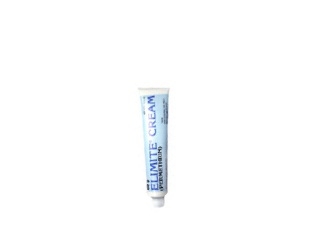

Elimite (Permethrin) Cream & Lotion – Patient Information (Australia)
Elimite is a skin treatment containing permethrin, an insecticide medication used to treat certain infestations of the skin. It is commonly used for conditions such as scabies and, in some circumstances, other parasite-related skin problems. This guide explains how Elimite works, how to use it correctly, what to expect, and important safety considerations for people in Australia.
Quick overview
- Active ingredient: Permethrin
- Common uses: Scabies (and other approved indications depending on product strength/form)
- How it works: Kills scabies mites and eggs by disrupting nerve signalling
- Typical timing: Apply as directed, leave on for a set period, then wash off; often repeat after about a week if needed
- Key safety points: Avoid eyes, mouth, and broken skin; wash hands after application; treat close contacts as advised
- Availability: Sold through healthcare channels; product strength and formulation may vary
Basic product information
Elimite contains permethrin, a synthetic pyrethroid. It is formulated as a cream or lotion (depending on the product). Permethrin works on parasites that live on or in the skin.
In Australia, product availability, strengths, and pack sizes may vary by supplier. Always check the label and the consumer information leaflet that comes with your specific product.
| Feature | What to know |
|---|---|
| Active ingredient | Permethrin (synthetic pyrethroid) |
| Type of medicine | Topical antiparasitic insecticide |
| Where it’s used | On skin affected by infestation (e.g., scabies) |
| Common approach | Apply to skin, leave for a specified time, then wash off; repeat if advised |
How Elimite works (mechanism of action)
Permethrin is a neurotoxic insecticide for mites and other small parasites. It affects the way nerve cells send signals by acting on sodium channels within the nerve cell membranes. This causes:
- Disruption of nerve signalling in the parasite
- Paralysis and death of mites and, with proper contact time, damage to eggs
- Reduced spread by killing the organisms present on the skin
Because scabies infestations can include newly hatched mites after treatment, correct timing and, when recommended, repeat dosing are important to fully clear the infestation.
Pharmacokinetics (absorption & what happens in the body)
When applied to the skin at recommended doses:
- Skin absorption is generally low. Most of the medicine acts locally on the skin surface and within superficial layers.
- Any absorbed permethrin is broken down in the body, mainly in the liver.
- Metabolites are then excreted (primarily through urine).
Important note: Absorption can be higher if you apply the product extensively, use it on very large areas, apply to broken/irritated skin, or if the product remains on longer than directed. Always follow the directions on your specific Elimite pack.
Typical use and indications
Elimite (permethrin) is used for skin infestations caused by susceptible mites. The most common indication is:
- Scabies: A contagious infestation caused by the Sarcoptes scabiei mite.
Depending on local product availability and the strength/formulation, permethrin may also be used for other parasite-related conditions where it is approved. Your pharmacist or healthcare professional can confirm the correct indication for your exact product and strength.
Dosing basics (how much and how often)
Dosing depends on the condition, product strength, the age of the patient, and the area of skin affected. For scabies, typical regimens are as follows (always follow the package instructions or clinician guidance if provided with your specific product):
- Adults & children: Apply a thin, even layer over affected areas and, for scabies, typically extend to specified skin areas to ensure treatment reaches where mites live.
- Leave on for the recommended contact time: Often around 8–14 hours for scabies products (confirm with your label).
- Wash off: After the recommended time.
- Repeat treatment: Commonly repeated about 7 days later to kill newly hatched mites and improve cure rates.
Do not exceed the recommended amount or repeat frequency. If symptoms persist, it may take time for itching to settle even after successful mite killing; see “What to expect” in this guide.
Timing: when to apply and what sequence to follow
For scabies, many people find it easier to treat in the evening because it allows the cream/lotion to remain on the skin overnight. A practical routine often looks like this:
- Start in the evening on the day chosen for treatment.
- Clean and dry skin beforehand (avoid applying immediately after a hot bath that causes excessive irritation).
- Apply the cream/lotion as directed, covering the right areas and including areas that can be easily missed (e.g., between fingers, around wrists, under nails if advised).
- Leave it on for the specified contact period.
- Wash off in the morning with water and soap (as instructed).
- Repeat after about 7 days if the product instructions recommend it.
Contact time matters. If you wash off too early, effectiveness may be reduced.
Food interactions
Elimite is a topical medicine, so food interactions are not expected to be clinically significant. You can usually eat and drink normally during treatment.
However, if your treatment causes skin irritation, choose comfortable clothing and avoid foods that trigger itch in your personal experience (for example, if itching worsens with certain foods). This is individual and not a direct drug–food interaction.
Alcohol and medicine interactions
Because permethrin is applied to the skin, alcohol interactions are not typically a direct concern. Still, consider these practical points:
- Skin irritation: Alcohol-based skin products used on top of the treated area may increase dryness or irritation.
- Other medicines: If you are using other topical products (e.g., corticosteroid creams, moisturisers, antiseptics), use them as directed and avoid applying conflicting products at the same time unless advised. Moisturisers can be useful between treatments, but avoid washing off the permethrin early.
- Systemic medicines: No common significant interactions are expected due to low systemic absorption, but always tell your pharmacist about all medicines and supplements you use.
Practical use tips (step-by-step)
Before you begin
- Read the label for your specific Elimite product strength and instructions.
- Check your skin: Do not apply to large areas of open wounds unless instructed.
- Treat close contacts if advised: Scabies spreads through prolonged skin-to-skin contact. Household and close contacts may need treatment even if they have no symptoms yet.
- Prepare clothing and bedding: Follow laundering guidance (see “Cleaning and preventing reinfestation”).
How to apply
- Wash and dry hands before and after application.
- Apply a thin, even layer according to the product instructions.
- Cover common “missed” areas for scabies when appropriate: between fingers and toes, around wrists, elbows, knees, belt line, armpits, buttocks, and genital area (as directed for your age group/product).
- Avoid eyes and mouth. If accidentally applied near eyes, rinse with water.
- Keep nails in mind: Your pharmacist may advise treating under nails or ensuring thorough coverage to reduce mites hidden beneath.
- Do not use on broken skin unless the product guidance allows it.
After you apply
- Leave for the required time before washing off.
- Wash treated skin thoroughly after the contact time.
- Do not reapply more than directed, even if itching continues.
- Expect itch may persist for days to weeks as the skin inflammation settles (see FAQ).
Cleaning and preventing reinfestation
Elimite kills mites on the skin, but reinfestation can occur if mites survive on clothing or bedding. Follow the laundering advice provided with your treatment. General principles include:
- Wash bedding and clothing used within the period recommended by your clinician or product information (often in the days before treatment).
- Hot wash when fabric allows and dry thoroughly.
- Items that cannot be washed: place in sealed bags for a period advised in local guidance, or use appropriate cleaning methods.
- Vacuum upholstered items and carpets if advised.
Your pharmacist can provide local, practical guidance for Australian households, including what to do if you live with multiple people.
Safety profile: who should be cautious
Most people tolerate permethrin well when used as directed. As with any medicine, side effects can occur. Always follow the labelled directions.
Common or mild side effects
- Temporary skin irritation (burning, stinging, redness)
- Itching may continue for a period after treatment
- Dryness or mild rash
Seek medical advice urgently if
- Severe swelling of the face, lips, or eyes
- Breathing difficulties or widespread hives
- Severe skin reaction, blistering, or rapidly worsening symptoms
Special populations
- Pregnancy: Use only as directed by your healthcare professional and product information.
- Breastfeeding: Generally considered a low-risk topical option, but avoid applying to areas that might contact the infant’s mouth; discuss with a healthcare professional if needed.
- Children: Dosing and application coverage can differ by age; follow the labelled directions and seek advice for infants or very young children.
- People with extensive skin breakdown or burns: Extra caution may be needed, as absorption can be increased.
What to expect after treatment (including itch)
Itching from scabies can persist even after the mites have been killed. This is often due to skin inflammation and immune response, sometimes referred to as a post-scabies itch.
- Itch may continue for days to weeks.
- New burrows or fresh bumps may appear if treatment wasn’t repeated when necessary or if close contacts were not treated.
- Follow-up may be needed if symptoms worsen, do not improve, or if reinfestation is suspected.
If you’re unsure whether you’re clear, consider seeking advice from your pharmacist or clinician, particularly if symptoms persist beyond what’s expected.
Alternative options
Depending on diagnosis, age, severity, and local availability, clinicians may consider alternative treatments for scabies or other infestations. Options may include:
- Other topical permethrin products (different strengths or formulations)
- Oral antiparasitic medicines (used in selected cases and may require clinician guidance)
- Other topical scabicides where available and appropriate
- Supportive itch relief such as antihistamines and anti-inflammatory skin treatments as recommended for your situation
Your pharmacist can explain which alternatives may be suitable in Australia and how they compare in timing and side effects.
Market & legal context for Australia (consumer guidance)
Medicine availability in Australia can differ by formulation, strength, and how it is supplied. While some antiparasitic products may be available through healthcare channels, rules around supply and product labelling are designed to support safe use.
- Check product labelling for the intended indication and directions for use.
- Follow local scabies control guidance where provided by health authorities or clinicians, especially regarding treating close contacts and cleaning the environment.
- Do not use a product for an unapproved condition. If you’re unsure about diagnosis, seek advice.
Recent guidance: Scabies control in Australia continues to emphasise prompt treatment, treating close contacts, repeat treatment when recommended, and reinfection prevention through laundering and hygiene measures. Specific recommendations can vary by healthcare setting, outbreak control advice, and patient circumstances.
Delivery and availability (online pharmacy)
Elimite containing permethrin may be available for purchase through online pharmacy services, depending on local regulations and stock availability. Availability may vary based on:
- Product strength and formulation (cream vs lotion)
- Pack size
- Demand during scabies outbreaks
- Supply timelines from wholesalers and distributors
Delivery timeframes are typically shown at checkout. For time-sensitive needs (e.g., starting treatment promptly), consider ordering as soon as you can. If you need treatment for multiple family members, plan ahead to reduce delays.
Storage: Store according to the label—usually at room temperature, away from direct heat and sunlight. Keep out of reach of children.
FAQ
1) How soon will Elimite work?
Elimite starts killing mites after application, and a properly applied dose with correct contact time typically provides substantial reduction in mites. However, symptoms—especially itch—may continue for days to weeks due to skin inflammation.
2) Do I need to repeat the treatment?
For many scabies regimens, treatment is repeated after about 7 days to kill mites that may hatch from eggs after the first application. Whether you repeat depends on the product instructions and your clinical situation—follow the label or healthcare advice for your exact product.
3) Will the itching stop immediately?
No. Itching commonly persists after successful treatment. This does not necessarily mean the medicine failed. If itching becomes severe, you develop worsening rash, or new signs suggest ongoing infestation, seek advice.
4) Should I treat household contacts even if they feel fine?
Often, yes. Scabies spreads through prolonged skin-to-skin contact. Health guidance typically recommends treating close contacts at the same time as the index case to reduce reinfestation. Your pharmacist can help you plan who should be treated.
5) Can I apply Elimite to my whole body?
For scabies, coverage typically includes more than just obvious bumps—application often extends to specific areas of the body as directed for scabies. Always follow the product’s “areas to treat” instructions. Avoid eyes and mouth.
6) What if I accidentally wash it off early?
If the product was removed before the required contact time, effectiveness may be reduced. Check the product leaflet for instructions on missed or interrupted application. In general, you may need to reapply as directed. Ask a pharmacist if you are unsure.
7) Is it safe for children?
Permethrin products can be used in children when used according to the labelled directions and age-specific guidance. Always check the label and consult a pharmacist for infants and very young children, especially regarding amount to apply and whether areas like the scalp need treatment.
8) Can I use other creams at the same time?
Using multiple topical products at the same time may increase irritation or reduce the effectiveness of the scabicide if it gets washed away or diluted. In many cases, supportive moisturisers or anti-itch treatments can be used at different times, but confirm with your pharmacist—especially for steroid creams or antiseptics.
9) What should I do with bedding and clothes?
Follow the cleaning guidance provided with your treatment. In general, wash bedding and clothing used recently in hot water when possible and dry thoroughly. Items that can’t be washed may need to be sealed or professionally cleaned according to advice.
10) When should I seek further medical advice?
Seek advice if:
- Symptoms worsen after treatment
- There is no improvement after the expected period
- You suspect reinfestation
- There are signs of skin infection (e.g., increasing pain, pus, or fever)
- You have concerns about suitability for pregnancy, breastfeeding, or a young child
Summary
Elimite (permethrin) is a topical antiparasitic medicine used primarily for scabies. It works by disrupting the parasite’s nerve function, killing mites and helping clear infestation when applied correctly. For best results, follow the labelled timing, ensure adequate contact time, and repeat treatment when recommended. Treating close contacts and cleaning bedding and clothing can be key to preventing reinfestation.
If you have any questions about how to use Elimite safely or how to manage persistent itch after treatment, speak with your pharmacist or a healthcare professional in Australia.