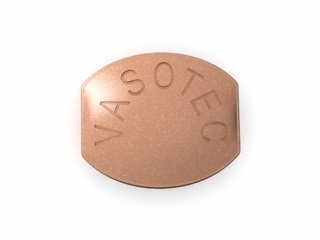


Vasotec (Enalapril) — Patient-Friendly Guide
Vasotec is a brand name for enalapril, a medicine from the ACE inhibitor (angiotensin-converting enzyme inhibitor) class. Enalapril is used to manage several heart and kidney conditions by helping blood vessels relax and reducing strain on the heart.
This page explains how Vasotec works, how it is taken, what to expect, important safety information, and practical tips. It also covers common drug and alcohol interactions, food considerations, and alternatives available in Australia.
Basic Product Information
| Product name | Generic name | Medicines class | Common strengths* | Typical form |
|---|---|---|---|---|
| Vasotec | Enalapril | ACE inhibitor | Often available as tablets in multiple strengths (e.g., 2.5 mg, 5 mg, 10 mg, 20 mg) | Oral tablet |
| *Availability may vary | by supplier/pharmacy | and market | and can change | over time |
Note: Exact strength and formulation availability can vary between pharmacies and brands. Your pharmacist can confirm what’s available and how it compares to your previous supply.
How Vasotec Works (Mechanism of Action)
Enalapril works by inhibiting the ACE enzyme. ACE helps produce angiotensin II, a substance that causes blood vessels to tighten. When ACE is blocked:
- Blood vessels relax, lowering resistance and blood pressure.
- Workload on the heart decreases, helping improve symptoms of heart failure.
- Kidney blood flow is supported in certain kidney/diabetes-related conditions.
- Levels of bradykinin can rise, which contributes to blood vessel effects—and may also relate to side effects such as cough in some people.
Pharmacokinetics (Absorption, Onset, and Duration)
Pharmacokinetics describes how the body absorbs, processes, and eliminates a medicine. Enalapril is typically taken by mouth and works through its active pathway:
- Absorption: Enalapril is absorbed after oral dosing. Food generally does not prevent absorption.
- Activation: Enalapril is a prodrug that is converted in the body to enalaprilat, the active ACE-inhibiting compound.
- Onset: Blood pressure lowering can begin within hours.
- Peak effect: Peak ACE inhibition typically occurs several hours after a dose.
- Duration: Many people experience effects that last across the dosing interval, which is why it’s commonly taken once or twice daily depending on the regimen.
- Elimination: Enalaprilat is primarily cleared by the kidneys, so dose adjustments may be needed with reduced kidney function.
If you’re unsure about your dosing schedule or kidney function considerations, ask your pharmacist for guidance based on your regimen.
Typical Uses in Clinical Practice
Enalapril is used for a range of cardiovascular and kidney-related conditions, including:
- Hypertension (high blood pressure): Helps reduce blood pressure and lowers the risk of complications.
- Heart failure: Often used to improve symptoms and reduce hospitalisation risk.
- Asymptomatic left ventricular dysfunction: In some patients, it may help reduce progression to symptomatic heart failure.
- Diabetic kidney disease: In selected patients, it may help slow progression of kidney involvement.
Your treating clinician may choose enalapril because it suits your specific condition, other medicines, and overall risk profile.
When to Take It (Timing and How to Take)
Timing
Take Vasotec at the same times each day to help maintain steady levels in your body. Many regimens are once daily or twice daily depending on the condition, tolerance, and kidney function.
With or without food
Enalapril can generally be taken with or without food. If you find it upsets your stomach, taking it with a small meal or snack may improve comfort.
Swallowing tips
- Swallow the tablet with a full glass of water.
- If you have difficulty swallowing, speak to your pharmacist about options (some medicines may have specific handling instructions).
Do not stop suddenly unless advised—blood pressure and heart function can change.
Food Interactions
General guidance: Enalapril is usually not significantly affected by food. Therefore, there are typically no strict dietary restrictions solely because of enalapril.
However, some related considerations matter:
- Salt intake: For hypertension and heart failure, your clinician may recommend reducing salt. While this isn’t a direct drug–food interaction, it can influence blood pressure and fluid balance.
- Grapefruit: Enalapril is not known for a clinically important grapefruit interaction (unlike some other medicines). Still, it’s good to confirm with your pharmacist if you consume large amounts of grapefruit products.
- Potassium-rich foods: ACE inhibitors can increase potassium levels. Your clinician may recommend moderating very high potassium intake depending on blood tests.
Alcohol Interactions
Drinking alcohol while taking enalapril may increase the chance of low blood pressure, dizziness, or light-headedness—especially when you first start treatment or when your dose is changed.
- Start low and monitor: If you choose to drink alcohol, keep it moderate and see how you respond.
- Avoid dehydration: Alcohol can contribute to dehydration, which may worsen dizziness and kidney function in vulnerable people.
- Be cautious with driving: If you feel dizzy, avoid driving or operating machinery.
Medicine Interactions (Important)
Enalapril interacts with several types of medicines. Always provide your complete list of medicines—including over-the-counter products and supplements—to your pharmacist. Below are key interaction categories.
Common interaction categories
- Other blood pressure medicines (antihypertensives): May add to the blood pressure–lowering effect, increasing risk of dizziness or low blood pressure.
- Diuretics (“water tablets”): Examples include hydrochlorothiazide and loop diuretics (e.g., furosemide). In some people, starting or increasing diuretics alongside enalapril can cause a more noticeable drop in blood pressure or affect kidney function.
- Potassium supplements and potassium-sparing diuretics: Examples include spironolactone and eplerenone, as well as potassium chloride. ACE inhibitors may increase potassium levels, which can be dangerous if potassium rises too high.
- NSAIDs (pain and inflammation medicines): Examples include ibuprofen, naproxen, and diclofenac. Regular or high-dose NSAID use alongside ACE inhibitors can increase risk of kidney problems and reduce blood pressure control.
- Lithium: Enalapril can increase lithium levels, raising toxicity risk.
- Diabetes medicines: ACE inhibitors can affect blood glucose regulation in some people, especially with insulin or sulfonylureas. Monitoring may be needed.
- RAS inhibitors and ARBs: Combining ACE inhibitors with other renin–angiotensin system blockers (such as ARBs like losartan) may increase adverse effects in some situations. Clinicians generally avoid routine dual blockade unless specifically indicated and monitored.
Emergency caution: Seek urgent medical advice if you experience severe weakness, fainting, reduced urination, chest pain, or symptoms of high potassium (which may include muscle weakness or abnormal heartbeats).
Indications (What Conditions It Treats)
In Australia, enalapril is used for heart and circulation conditions and for selected kidney protection scenarios. Indications can vary by product and clinical guidelines, but generally include:
- Hypertension
- Congestive heart failure and related symptom control
- Left ventricular dysfunction (including asymptomatic stages in selected patients)
- Renal protection in diabetes in appropriate patients
Whether enalapril is suitable for you depends on your blood pressure readings, kidney function, potassium level, and overall cardiovascular risk.
Dosing: What’s Typical?
Dosing of Vasotec/enalapril depends on the condition being treated, your kidney function, and how you respond to the medicine. Doses are commonly started low to reduce risk of side effects like dizziness or kidney-related changes, then adjusted gradually.
Important: The following is general educational information—not personal dosing instructions.
Common dosing principles
- Start low: Especially if you are elderly, have reduced kidney function, or take diuretics.
- Titrate carefully: Dose adjustments may occur at intervals while monitoring blood pressure, kidney function, and potassium.
- Kidney considerations: Enalapril is cleared via the kidneys, so your clinician may reduce the dose if kidney function is impaired.
- Heart failure: Doses may be divided across the day to improve tolerance.
Monitoring during dose changes
- Blood pressure: To avoid excessive lowering.
- Kidney function: Blood tests (e.g., creatinine/eGFR).
- Potassium: To watch for hyperkalaemia.
Safety Profile (Who Needs Extra Caution?)
Like all medicines, enalapril can cause side effects. Most people tolerate it well, but it’s important to know what to expect and when to seek help.
Common side effects
- Dizziness, especially when standing up (orthostatic hypotension)
- Dry cough (a well-known ACE inhibitor effect)
- Headache
- Fatigue
- Nausea or mild stomach discomfort
Serious but less common risks
- Angioedema: Swelling of the face, lips, tongue, throat, or difficulty breathing. This is an emergency.
- Severe low blood pressure (fainting, profound dizziness)
- Kidney function changes, especially in people with dehydration, renal artery issues, or when NSAIDs are used regularly
- High potassium (hyperkalaemia): Can cause weakness or abnormal heart rhythms
- Fainting or worsening weakness after starting or increasing dose
Who should be extra cautious
- People with kidney disease
- People with high potassium or at risk of it
- People taking diuretics, NSAIDs, or other medicines affecting kidney function
- People with history of angioedema related to ACE inhibitors
- Older adults (titrate carefully due to increased sensitivity)
If you experience swelling of the face/lips/tongue or trouble breathing, seek emergency help immediately.
Practical Use Tips (Making Treatment Easier)
- Check your blood pressure: If you’ve been advised to monitor at home, record readings and report significant changes.
- Stand up slowly: This can help reduce dizziness when blood pressure lowers.
- Stay hydrated (unless restricted): Dehydration increases the risk of kidney-related side effects. If you have heart failure, fluid limits may apply—follow your clinician’s plan.
- Keep medication lists updated: Bring them to pharmacy consults and doctor visits.
- Be careful with “natural” products: Some supplements may affect potassium, blood pressure, or kidney function. Ask your pharmacist if unsure.
- Don’t stop abruptly: Continue as directed unless advised by a clinician due to potential changes in blood pressure/heart status.
When to Seek Medical Advice
Contact a healthcare professional promptly if you notice:
- Persistent or worsening dizziness or fainting
- Swelling of the face, lips, tongue, or throat
- Shortness of breath, wheezing, or breathing difficulty
- Signs of kidney issues such as reduced urination or unusual swelling
- Muscle weakness, palpitations, or symptoms suggesting abnormal electrolytes
Alternative Options (Other Treatments for Similar Conditions)
Depending on your diagnosis and response, clinicians may consider alternative medicine options. These can include other ACE inhibitors, ARBs, or different classes such as calcium channel blockers or diuretics.
Possible alternatives
- ARBs (angiotensin receptor blockers): Examples include losartan, valsartan, and telmisartan.
- Other antihypertensives: Calcium channel blockers (e.g., amlodipine) or thiazide-like diuretics (e.g., indapamide) are sometimes used.
- Beta-blockers and other heart failure medicines: Depending on the type of heart failure and your symptom profile.
If enalapril causes an intolerable cough or side effects, your pharmacist and clinician can discuss whether an alternative class is more suitable.
Australia: Market and Legal/Regulatory Context
In Australia, enalapril (as Vasotec and other enalapril-containing products) is regulated under the Australian Government’s medicines framework. The availability of specific branded products may change over time based on supply, manufacturer decisions, and prescribing/dispensing practices.
Medicines are typically provided through Australian pharmacies with appropriate patient counselling. Pharmacists may request or verify relevant information to ensure safe use, particularly for dose titration, kidney function considerations, and interaction screening.
Note on labelling and pharmacy systems: Always use the medicine in the form and strength you received from your pharmacy. Do not substitute based on similarity alone.
Recent Guidance and Monitoring Themes
Over recent years, guidance across many ACE inhibitors has continued to emphasise key safety and monitoring priorities:
- Monitoring kidney function and potassium after starting or increasing ACE inhibitor doses.
- Assessing risk of hyperkalaemia, especially in people with renal impairment or those taking potassium-raising medicines.
- Recognising ACE inhibitor cough as a common effect and evaluating whether switching to another class is warranted.
- Avoiding certain dual renin–angiotensin system combinations unless a specialist is overseeing treatment.
- Patient education on angioedema, including the urgency of seeking help if swelling or breathing issues occur.
Your pharmacist may also check that your supply aligns with current dose and monitoring needs.
Delivery and Availability (Online Pharmacy Considerations)
Availability depends on the specific product (brand vs generic), strengths in stock, and current supply chains. Many online pharmacies in Australia can supply enalapril tablets based on order processing and local distribution.
What you can expect
- Stock status: Some strengths may sell out temporarily.
- Packaging: Medicines are supplied in original manufacturer packaging where possible.
- Pharmacy checks: To support safe use, your pharmacy may confirm details such as your medicines list and relevant safety considerations.
- Delivery timeframes: Timelines vary by location and courier service.
- Cold-chain: Enalapril tablets generally do not require cold storage.
If you need an ongoing supply, consider ordering before you run low and check the estimated delivery time displayed at checkout.
FAQ: Vasotec (Enalapril)
1) How quickly does Vasotec start working?
Blood pressure lowering can begin within hours of taking a dose. For chronic conditions like hypertension and heart failure, the full benefit can take days to weeks as dosing is adjusted and the body adapts.
2) Can I take Vasotec with food?
Yes. Enalapril can usually be taken with or without food. If it upsets your stomach, taking it with a light meal may help.
3) Is a dry cough normal with enalapril?
A dry, persistent cough is a well-known side effect of ACE inhibitors. If the cough is troublesome or persistent, discuss it with your pharmacist or clinician—an alternative option may be considered.
4) What should I do if I miss a dose?
Take it when you remember unless it is close to the next dose. If you’re unsure, contact your pharmacist. Avoid taking double doses to make up for a missed tablet.
5) Does enalapril affect potassium?
Yes. ACE inhibitors can raise potassium levels. Your clinician may advise blood tests and may recommend avoiding potassium supplements or salt substitutes that contain potassium unless specifically approved.
6) Can I drink alcohol while taking Vasotec?
Alcohol may increase the risk of dizziness or low blood pressure. If you choose to drink, do so cautiously and avoid activities that require alertness if you feel light-headed.
7) Who should avoid enalapril?
People with a history of ACE inhibitor–related angioedema should not take ACE inhibitors. Extra caution is also required with significant kidney impairment, high potassium, dehydration, and certain drug combinations.
8) Are there medicines I should not combine with Vasotec?
Some combinations require careful monitoring or are best avoided, such as potassium supplements without medical advice, lithium, and certain kidney-impacting pain medicines (NSAIDs) if used regularly. Always check with your pharmacist for your full list of medicines.
9) Can I use pain relievers like ibuprofen?
Occasional use may be acceptable for some people, but regular NSAID use can increase kidney risk and reduce blood pressure control in combination with ACE inhibitors. Ask your pharmacist what’s safest for you, especially if you use pain medicines often.
10) What monitoring is commonly done while on enalapril?
Common monitoring includes blood pressure, kidney function (e.g., creatinine/eGFR), and potassium, particularly after starting treatment and after any dose changes.
11) What alternatives exist if I can’t tolerate enalapril?
Depending on the reason for intolerance (e.g., cough, side effects), your clinician may consider an ARB or a different class of blood pressure/heart failure medicine. Your pharmacist can also help discuss what might suit your situation.
Summary
Vasotec (enalapril) is an ACE inhibitor used for conditions such as hypertension and certain heart failure scenarios. It relaxes blood vessels, lowers blood pressure, and reduces strain on the heart. Many people tolerate enalapril well, but it requires attention to safety—especially around kidney function, potassium levels, and potential for a dry cough or (rarely) angioedema.
For the safest use, take your tablets consistently, keep your medicine list updated, and follow advice on monitoring and interaction checks. If you have questions about timing, side effects, or combining medicines, your pharmacist is a great first point of contact.
Disclaimer: This information is for general education and does not replace advice from your healthcare professional. If you have concerns about your specific condition or medicines, seek guidance from a pharmacist or clinician.