
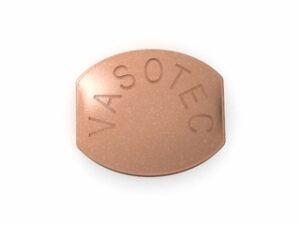
Benicar (Olmesartan) — Patient-Friendly Medicine Information (Australia)
Benicar is a medicine containing olmesartan, a treatment used to help manage certain cardiovascular conditions—most commonly high blood pressure (hypertension). This page provides clear, patient-friendly information about how Benicar works, how it is typically taken, and important safety considerations for people in Australia.
Note: Always follow the advice given by your prescriber and the instructions on the medicine label. If you have questions about whether Benicar is suitable for you, speak with a qualified healthcare professional.
1) Basic Product Information
| Feature | Details |
|---|---|
| Medicine name | Benicar |
| Active ingredient | Olmesartan |
| Medicine type | Angiotensin II receptor blocker (ARB) |
| Common uses | High blood pressure; sometimes used in specific kidney/heart risk contexts as determined by your clinician |
| Common dosing schedule | Typically once daily |
| Typical strength forms | Available in tablet strengths depending on supply (e.g., 5 mg, 20 mg, 40 mg) |
2) How Benicar Works (Mechanism of Action)
Benicar (olmesartan) belongs to a group of medicines called angiotensin II receptor blockers (ARBs).
In the body, angiotensin II is a substance that helps regulate blood vessel tone and fluid balance. It can narrow blood vessels and increase blood pressure.
- Olmesartan blocks angiotensin II receptors (AT1 receptors).
- This helps relax and widen blood vessels.
- As blood vessels relax, blood pressure decreases, reducing strain on the heart and blood vessels.
- It may also help protect organs affected by high blood pressure, such as the kidneys, particularly in people who have additional risk factors.
3) Pharmacokinetics (How the Body Handles Olmesartan)
Understanding pharmacokinetics can help explain dosing timing and what to expect from treatment.
- Absorption: Olmesartan is absorbed after oral administration, with peak levels generally occurring a few hours after dosing.
- Distribution: It distributes throughout the body and binds substantially to plasma proteins.
- Metabolism: Olmesartan is not extensively processed by the liver; it is largely eliminated unchanged.
- Elimination: The medicine is mainly excreted via the bile/feces and also through the kidneys to a lesser extent.
- Onset & duration: Blood pressure lowering typically begins within the first hours, with a sustained effect over 24 hours—supporting once-daily dosing for many people.
4) Typical Use in Australia
Benicar is most commonly used to treat hypertension. Your doctor may recommend it when long-term blood pressure control is needed to reduce cardiovascular risk.
Depending on your personal health profile, it may also be considered as part of a broader plan that includes:
- Monitoring kidney function and potassium levels
- Managing diabetes and cardiovascular risk factors
- Lifestyle changes (such as diet, exercise, salt reduction, weight management, and smoking cessation)
5) Indications (When Benicar Is Used)
Indications can vary based on local prescribing practices and your individual medical history. In general, olmesartan is used for:
- Hypertension (high blood pressure)
- Selected patients where blood pressure lowering is part of reducing risk to the heart and/or kidneys, as advised by your clinician
Important: Benicar is not a “pain relief” medicine and is not used for sudden emergencies such as hypertensive crises unless specifically directed by a healthcare professional.
6) Dosing & Timing (What Many People Follow)
Dose selection depends on your blood pressure response, kidney function, and other medicines you take.
Typical starting and maintenance approach
- Common starting dose: Often begins at a lower strength and may be increased gradually.
- Maintenance: Adjustments are made based on blood pressure readings.
- Maximum dose: The maximum daily dose should follow your clinician’s instructions and the product guidance.
How to take Benicar
- Once daily is typical.
- Try to take it at the same time each day to maintain steady blood levels.
- You can take it with or without food (see food section below).
What to expect during the first weeks
- Some blood pressure lowering may be noticed in the first few days.
- Maximum effect may take several weeks as your body adjusts.
- Your clinician may check blood pressure and sometimes do blood tests (especially kidney function and potassium) after starting or changing dose.
Missed dose: If you miss a dose, take it as soon as you remember on the same day. If it is close to your next scheduled dose, skip the missed dose. Do not take a double dose.
7) Food Interactions & What You Should Know
Benicar can generally be taken with or without food. That said, individual absorption can still vary, and the most important factor is taking your dose consistently.
- If you notice stomach upset or dizziness after taking a dose with a particular meal, try taking it at a different time of day.
- Keep your routine steady so your blood pressure control remains predictable.
8) Alcohol and Medicine Interactions
Alcohol may increase the risk of dizziness or light-headedness, particularly when you first start olmesartan or after a dose increase. Alcohol can also affect blood pressure control.
- Practical advice: If you drink alcohol, do so in moderation and be cautious about symptoms like standing dizziness.
- Avoid binge drinking: This can significantly lower blood pressure and worsen side effects.
Do not stop Benicar abruptly unless advised by your clinician—sudden changes in blood pressure management can be harmful.
9) Important Medicine Interactions
Some medicines can affect how olmesartan works or can increase the chance of side effects, especially regarding kidney function and potassium levels.
Medicines that may increase risk of kidney or potassium problems
- Potassium supplements or salt substitutes containing potassium
- Potassium-sparing diuretics (for example, spironolactone or eplerenone, depending on the regimen)
- Other blood pressure medicines that act on the renin–angiotensin system (your clinician will decide if combinations are appropriate)
- Non-steroidal anti-inflammatory drugs (NSAIDs) (e.g., ibuprofen, naproxen, diclofenac) — especially if used regularly or in high doses
Other interaction considerations
- Diuretics (“water tablets”): may increase the chance of dizziness or a drop in blood pressure, especially at the start.
- Medicines affecting kidney function: if you have dehydration (e.g., vomiting/diarrhoea) or are ill, the risk of kidney-related side effects may be higher.
Tell your pharmacist/doctor about all medicines you take, including prescription medicines, over-the-counter products, herbal supplements, and vitamins.
10) Safety Profile (Side Effects and When to Get Help)
Most people tolerate Benicar well. However, like all medicines, it may cause side effects in some individuals.
Common or mild side effects
- Dizziness or light-headedness (particularly when standing)
- Headache
- Fatigue
- Stomach discomfort or mild gastrointestinal changes in some cases
Less common but important side effects
- High potassium levels (hyperkalaemia) — may be more likely if you take potassium supplements or certain other medicines
- Kidney function changes — more likely when you are dehydrated, have renal artery stenosis, or are using NSAIDs or other interacting medicines
- Low blood pressure (hypotension) — can cause fainting or dizziness
Seek urgent medical attention
Contact emergency services or seek urgent medical care if you develop:
- Swelling of the face, lips, tongue, or throat (possible allergy)
- Severe dizziness or fainting
- Signs of severe dehydration (e.g., persistent vomiting/diarrhoea, inability to keep fluids down)
- Chest pain, severe shortness of breath**, or symptoms that feel life-threatening
Rare but significant warning: sprue-like enteropathy
There have been reports of severe, chronic diarrhoea and weight loss associated with olmesartan in some people. Symptoms can resemble a condition called “sprue” (a form of intestinal inflammation). The condition may occur after months to years of use.
- If you develop persistent diarrhoea or unexplained weight loss, it is important to contact a clinician promptly.
- Your clinician may review whether ongoing olmesartan is appropriate and investigate other causes.
11) Practical Use Tips (How to Get the Best Results)
- Measure your blood pressure: If possible, use a home blood pressure monitor and record readings (including date/time).
- Give it time: Benicar works gradually; don’t judge results based on a single reading.
- Stay hydrated: Dehydration increases the risk of kidney-related side effects—especially if you are unwell.
- Be careful with “sick days”: If you have vomiting, diarrhoea, or are unable to drink normally, seek advice from your clinician about whether you should pause certain medicines temporarily.
- Check lab tests if advised: Your clinician may monitor kidney function and electrolytes, particularly after starting or adjusting dose.
- Don’t take potassium substitutes unless your clinician has approved them.
12) Alternative Options (Other Treatments for Hypertension)
If Benicar (olmesartan) isn’t suitable or if your blood pressure is not well controlled, there are several alternative options. Your healthcare professional can help choose the best therapy based on your health profile.
Medication classes commonly used for high blood pressure
- Other ARBs: e.g., losartan, valsartan, telmisartan
- ACE inhibitors: e.g., perindopril, enalapril, lisinopril
- Calcium channel blockers: e.g., amlodipine, verapamil, diltiazem
- Thiazide or thiazide-like diuretics: e.g., hydrochlorothiazide, indapamide
- Other medicines such as beta-blockers or mineralocorticoid receptor antagonists in selected patients
Your clinician may also consider combination therapy if blood pressure targets aren’t reached with one medicine alone.
13) Market & Legal Context for Australia (General Information)
In Australia, medicines are regulated by TGA (Therapeutic Goods Administration). Availability may differ by brand and strength, and supply can change over time.
When purchasing online in Australia, reputable pharmacies provide guidance on:
- Whether a product is available locally
- Expected delivery timeframes
- Product authenticity and storage requirements
- Appropriate supply and patient information
Important: Avoid purchasing olmesartan from unofficial sources. Using medicines of uncertain origin can be risky. For your safety, choose a legitimate, licensed pharmacy.
14) Recent Guidance (What Patients Should Keep in Mind)
Healthcare recommendations can evolve as new research and safety monitoring information becomes available. For ARBs such as olmesartan, clinicians typically emphasize ongoing safety monitoring, including:
- Kidney function and electrolyte monitoring (especially potassium)
- Recognising symptoms that may suggest uncommon adverse effects (e.g., persistent diarrhoea and weight loss)
- Careful use in people with dehydration or kidney-related risk factors
If you have concerns about your current treatment, discuss them with a healthcare professional. Do not discontinue medication without appropriate advice.
15) Delivery and Availability (Australia)
Availability of Benicar (olmesartan) may vary by strength and supply chain. When it is offered through an online pharmacy, typical delivery services may include:
- Standard delivery: often a few business days depending on location
- Express delivery: may be available at extra cost
- Order processing time: some pharmacies require handling/verification time before dispatch
For the most accurate information on delivery time and stock status, check the product listing on our site or contact customer support.
16) FAQ — Benicar (Olmesartan)
Is Benicar used for blood pressure only?
Benicar is most commonly used to treat high blood pressure. Your clinician may also use olmesartan in specific situations based on your overall cardiovascular and kidney risk profile.
How quickly will it work?
Blood pressure lowering can begin within the first hours, but noticeable changes and full effect may take several weeks. Consistent daily use is important.
Can I take Benicar with food?
Yes. Benicar can generally be taken with or without food. Choose the routine that helps you remember and tolerate it well.
Will I need blood tests?
Many people benefit from periodic monitoring of kidney function and potassium levels, especially after starting, changing dose, or if you have kidney disease or are on interacting medicines.
What should I do if I miss a dose?
Take it when you remember on the same day. If it’s nearly time for your next dose, skip the missed dose. Do not take a double dose.
Can I drink alcohol while taking Benicar?
Moderate alcohol is usually possible, but alcohol may increase the chance of dizziness or low blood pressure. Take care, especially when standing, and avoid excessive drinking.
What medicines should I avoid combining with olmesartan?
Be cautious with NSAIDs (regular high-dose use), potassium supplements, salt substitutes with potassium, and certain diuretics or other blood pressure medicines. Always check with your pharmacist or doctor.
Why do I feel dizzy when I stand up?
Dizziness can occur when blood pressure lowers—particularly after starting or increasing the dose. Rise slowly. If dizziness is severe, persistent, or you faint, seek medical advice promptly.
What if I develop persistent diarrhoea or weight loss?
Persistent diarrhoea and unexplained weight loss should be discussed with a clinician promptly. Rarely, olmesartan has been associated with sprue-like enteropathy. Your clinician may investigate and advise next steps.
Is Benicar safe for everyone?
Benicar may not be suitable for everyone. Inform your clinician about pregnancy plans, kidney problems, dehydration episodes, history of allergies, and all medicines you currently use.
17) Summary
Benicar (olmesartan) is an ARB medicine used primarily to control high blood pressure. It works by blocking the effects of angiotensin II, helping blood vessels relax and lowering blood pressure. Many people take it once daily, with or without food, and experience benefits over days to weeks.
As with all blood pressure medicines, it’s important to monitor for side effects—especially dizziness, changes in kidney function, and electrolyte changes. Seek prompt medical advice if you experience concerning symptoms such as persistent diarrhoea and weight loss or signs of severe dehydration or allergy.
If you’d like, you can browse our Benicar product listing for available strengths, ordering details, and current dispatch estimates.