Trileptal (Oxcarbazepine) — Patient Guide (Australia)
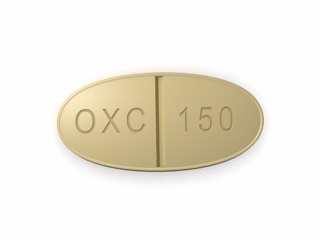
Trileptal is a medicine containing oxcarbazepine, used to treat certain types of seizures. This guide is written to help you understand how Trileptal works, how it’s typically taken, important safety information, and what to expect when starting treatment in Australia.
Always follow the advice of your healthcare professional. This information is general and may not cover every personal situation.
Basic product information
- Brand name: Trileptal
- Active ingredient: Oxcarbazepine
- Common dosage forms: Tablets and oral suspension (liquid)
- Medicinal class: Antiepileptic / anticonvulsant
- Who it’s for: People with certain seizure disorders, depending on age and clinical circumstances
- Legal status in Australia: Prescription-only medicine (as regulated under Australian medicines law)
How Trileptal works (mechanism of action)
Oxcarbazepine is an antiepileptic medicine. After you take it, your body converts it to an active metabolite called monohydroxy derivative (MHD). The main ways it helps control seizures include:
- Stabilising nerve cell activity: It helps reduce excessive firing of neurons.
- Modulating sodium channels: It can block or reduce sodium-dependent electrical signalling that contributes to seizure activity.
- Affecting voltage-sensitive channels: This contributes to improved seizure control in many patients.
People respond differently, so your dose is typically adjusted gradually to balance effectiveness with side effects.
Pharmacokinetics (how the body handles it)
“Pharmacokinetics” describes absorption, conversion, distribution, and elimination.
Absorption and conversion
- After oral dosing, oxcarbazepine is absorbed and rapidly converted to MHD, which is largely responsible for much of the seizure-controlling effect.
- Trileptal can be taken with or without food (see food section for details).
Onset and steady state
- Levels build over a few days; seizure control often improves within days to weeks, but full response varies by person.
- Regular dosing is important to maintain stable drug levels.
Elimination
- MHD is primarily eliminated by the kidneys.
- Your healthcare professional may adjust the dose if you have kidney impairment.
Tip: If you miss a dose, follow the instructions you received—do not double up unless told to do so.
Typical uses in Australia
Trileptal is used to treat certain seizure types, most commonly:
- Focal (partial) seizures that may be with or without awareness impairment
- Seizures may be treated alone or together with other antiepileptic medicines, depending on your diagnosis
Indications vary by patient profile (for example age, seizure type, and whether it’s monotherapy or add-on therapy). Your clinician will choose the best approach for you.
Timing and how to take Trileptal
Trileptal is usually taken twice daily. Many people take doses morning and evening, aiming for consistent timing each day.
Starting treatment (practical approach)
- Start low and go slow: Doses are commonly increased gradually to reduce side effects.
- Keep a routine: Use alarms, a dosing chart, or pharmacy packaging reminders.
- Use the same dosing schedule: Stability of blood levels can support seizure control.
With or without food
Trileptal can generally be taken with or without food. However:
- If you notice stomach discomfort, try taking it with meals.
- Keep food patterns reasonably consistent day-to-day.
Do not stop suddenly unless specifically instructed—abrupt withdrawal can increase seizure risk.
Food interactions
In most people, food does not significantly change the ability of oxcarbazepine/MHD to work. Still, consider these practical points:
- Consistency helps: If you prefer taking it with food, take it similarly each day.
- Grapefruit and similar foods: There is no common requirement to avoid grapefruit specifically for oxcarbazepine, but any new supplement should be discussed.
- Gastrointestinal upset: If you experience nausea or dizziness after doses, speak to a healthcare professional; adjusting timing or dose may help.
Alcohol and medicine interactions
Alcohol can increase the risk of side effects such as:
- Dizziness and lightheadedness
- Drowsiness or impaired coordination
- Difficulty concentrating
For seizure control and general safety, it’s usually recommended to limit alcohol and avoid binge drinking. If you drink alcohol, discuss “how much is safe for you” with a clinician and follow their guidance.
Interactions with other medicines
Oxcarbazepine and MHD can interact with other drugs by affecting metabolism and transporter systems. Key examples include:
- Hormonal contraception (the pill, patch, ring): Some antiepileptic medicines can reduce contraceptive effectiveness. Oxcarbazepine may affect hormonal contraception reliability. Consider discussing non-hormonal or additional barrier contraception with your healthcare professional.
- Other antiepileptic medicines: Combining treatments can require dose adjustments and monitoring.
- Medicines that lower sodium: Trileptal can contribute to low sodium levels (hyponatraemia). Caution is needed with other drugs that may also lower sodium (your clinician can check your full medication list).
- Some blood pressure medications and diuretics: Because of electrolyte balance, monitoring may be needed.
Always provide a complete medication list (including over-the-counter products, vitamins, herbal supplements) to your pharmacy or clinician.
Dosing overview (how doses are typically prescribed)
Dosing depends on factors such as seizure type, age, kidney function, and whether Trileptal is used alone or with other medicines.
General approach: clinicians usually start with a lower dose and increase gradually to reach an effective maintenance dose.
Adults (typical framework)
- Initial dose: often a lower starting amount
- Maintenance dose: a range based on response and tolerability
Children and adolescents
- Doses may be based on body weight.
- Oral suspension can be helpful for accurate dosing in younger patients.
Kidney impairment
- If you have reduced kidney function, dose adjustments are typically required.
- Your clinician may also schedule blood tests.
Important: This website guide does not replace personal prescribing instructions. If you have questions about your specific dose schedule, speak with your healthcare professional.
Safety profile and important warnings
Like all medicines, Trileptal can cause side effects. Many are mild and improve as your body adjusts, but some require prompt medical attention.
Common side effects
- Dizziness
- Sleepiness or fatigue
- Nausea
- Headache
- Vision changes (e.g., blurred or double vision)
- Unsteadiness (gait imbalance)
Low sodium (hyponatraemia)
One of the more important safety considerations with oxcarbazepine is hyponatraemia (low blood sodium). This can cause:
- Headache
- Nausea/vomiting
- Confusion
- Extreme fatigue
- Severe cases: seizures worsening or serious neurological symptoms
Risk may be higher in certain people, including those taking other medicines that affect sodium balance, older adults, or those with kidney problems. Blood tests may be recommended.
Serious skin and allergic reactions
Seek urgent medical help if you develop signs of a serious reaction such as:
- Rash with fever
- Blistering or peeling skin
- Mouth sores
- Swelling of the face/lips or trouble breathing
Mood and behaviour changes
Some people taking antiepileptic medicines may experience changes in mood or thoughts. If you notice:
- New or worsening depression
- Anxiety, agitation, unusual behaviour
- Thoughts of self-harm
Contact your healthcare professional promptly.
Operating machinery and driving
Because dizziness and drowsiness can occur, avoid driving or operating machinery until you know how Trileptal affects you.
Practical use tips for better outcomes
- Keep a medication diary: Track doses taken and any symptoms (e.g., dizziness, sleepiness).
- Don’t miss doses: Use reminders. Consistency can support seizure stability.
- Review side effects early: If you feel unsteady or very sleepy, don’t wait—contact your clinician; your dose may be adjusted.
- Hydration awareness: Because sodium balance can change, follow any fluid or blood test advice from your clinician.
- Check interactions: Tell your pharmacist about new medicines or supplements.
- Pregnancy planning: If you are pregnant or planning pregnancy, speak with your healthcare professional well in advance to discuss risks and benefits.
Recent guidance and monitoring (Australia context)
Guidance for antiepileptic medicines commonly includes:
- Monitoring electrolytes: Blood tests may be used to check sodium levels, especially after dose changes or in high-risk patients.
- Safety awareness: Ongoing attention to allergic reactions, skin rashes, and mental health effects.
- Individualised dosing: Dose adjustments based on response, tolerability, and kidney function.
In Australia, medicines are regulated by the TGA (Therapeutic Goods Administration). Product information updates and safety communications may occur over time. If you have concerns, ask your pharmacist to confirm current information for your specific formulation.
Alternative options to Trileptal
Seizure treatment is individual. Depending on seizure type, age, and your medical history, alternatives may include other antiepileptic medicines.
Possible alternative medicines (examples)
- Carbamazepine
- Levetiracetam
- Lamotrigine
- Topiramate
- Valproate (where appropriate and clinically indicated)
Note: Alternatives have different side effect profiles, interaction risks, and dosing schedules. Your clinician can advise which options are most suitable.
Market and legal context in Australia
Trileptal (oxcarbazepine) is available in Australia through regulated pharmaceutical channels. Like many antiepileptic medicines, it is typically a prescription-only product under Australian law and is dispensed through pharmacies according to local requirements.
Pharmacy dispensing practices may include:
- Verification of your prescribed regimen and formulation (tablet vs liquid)
- Checks for known medication interactions
- Support for correct administration, especially for liquid dosing
If you are purchasing online, ensure the pharmacy is operating legally in Australia and provides appropriate product information and secure delivery services.
Delivery and availability (online pharmacy overview)
Availability can vary depending on strength, tablet size, or whether you need the oral suspension. In general, online pharmacies may offer:
- Pack sizes: Different quantities depending on stock
- Formulations: Tablets or oral suspension
- Delivery: Australia-wide courier options
- Timing: Dispatch and delivery times depend on pharmacy processing and courier schedules
Advice: If you’re close to running out, contact the pharmacy early to confirm dispatch timelines and avoid missed doses.
Summary table: key points at a glance
| Topic | What to know |
|---|---|
| Active ingredient | Oxcarbazepine (converted in the body to the active metabolite MHD) |
| How it works | Helps stabilise overactive nerve signalling (including sodium channel effects) |
| Typical dosing | Often twice daily; dose is individualised and increased gradually |
| With food | Usually can be taken with or without food |
| Alcohol | May increase dizziness/drowsiness; limit alcohol and avoid binge drinking |
| Main safety focus | Hyponatraemia (low sodium), allergic/skin reactions, mood changes |
| Monitoring | Blood tests may be advised, especially for sodium and after dose changes |
| Kidney function | May require dose adjustment because elimination is largely through kidneys |
FAQ — Trileptal (Oxcarbazepine)
1) What is Trileptal used for?
Trileptal (oxcarbazepine) is used to treat certain seizure types, most commonly focal (partial) seizures. The exact use depends on your diagnosis and clinical plan.
2) How quickly will it start working?
Some people notice improvement within days, but full benefits can take weeks. Seizure control varies. Consistent dosing and gradual adjustment are often part of the treatment plan.
3) Can I take Trileptal with food?
Yes. Trileptal can generally be taken with or without food. If it upsets your stomach, taking it with meals may help.
4) What should I do if I miss a dose?
Follow the instructions provided by your healthcare professional or pharmacist. In general, missing one dose may be managed by taking it when you remember unless it’s close to the next dose—don’t double up unless advised.
5) Is it safe to drink alcohol while taking Trileptal?
Alcohol can worsen side effects such as dizziness, drowsiness, and impaired coordination. If you choose to drink, keep it limited and discuss personal safety with your clinician.
6) Why do doctors check sodium levels?
Oxcarbazepine can cause low sodium (hyponatraemia). Monitoring helps detect this early and reduce the risk of serious symptoms.
7) What are signs of an allergic or serious skin reaction?
Seek urgent medical help for rash with fever, blistering/peeling skin, mouth sores, or swelling of the face/lips or breathing difficulty.
8) Can Trileptal affect contraception?
Some antiepileptic medicines can reduce the effectiveness of hormonal contraceptives. Oxcarbazepine may interact, so discuss contraception options with your healthcare professional.
9) Can I stop Trileptal suddenly?
Stopping abruptly can increase the risk of seizures. If you need to stop, tapering is usually required and should be managed by your healthcare professional.
10) Are there alternatives if I don’t tolerate Trileptal?
Yes. Other antiepileptic medicines may be considered depending on seizure type and your health profile. Speak with your clinician before switching.
Need personalised advice? If you tell your pharmacist about your other medicines, medical conditions, and any side effects you’re experiencing, they can help you understand how to use Trileptal safely.