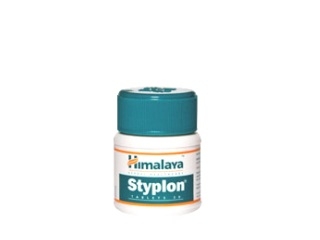


Styplon (For Australian Patients) – Patient-Friendly Medicine Information
Styplon is a medicine used to treat diarrhoea and help reduce how often you need to go to the toilet. It works by slowing down movement of the bowel and can also help normalise stool consistency. This page explains how Styplon works, how to take it safely, what to expect, and when to seek medical advice.
Important: Always read the consumer medicine information (CMI) leaflet provided with your product. If you have questions about whether Styplon is right for you, speak with a pharmacist.
Quick Overview
- Medicine name: Styplon
- Use: Short-term treatment of diarrhoea
- How it helps: Reduces bowel motility to lessen stool frequency
- Typical duration: Usually for acute, short-lasting diarrhoea (not for chronic causes)
- Where you can find it: Availability can vary between pharmacies and online dispensing services
Basic Product Information
| Category | Details |
|---|---|
| Common purpose | Relief of diarrhoea (symptomatic treatment) |
| Typical dose forms | Tablets or capsules (exact strength depends on the product you purchase) |
| Strength | Varies by brand/packaging—check the label for the exact milligram amount |
| Audience | Adults and, where specified, older adolescents/children by weight/age guidance |
| Storage | Store at room temperature, protect from moisture and heat, keep out of reach of children |
Active ingredient: Styplon contains an antimotility antidiarrhoeal medicine (the specific ingredient depends on the exact Australian formulation). For accurate dosing and safety advice, please confirm the active ingredient and strength on your pack.
How Styplon Works (Mechanism of Action)
Styplon is an antidiarrhoeal/antimotility medicine. It works mainly by:
- Slowing bowel movement so stools move more slowly through the intestines
- Improving stool consistency by allowing more time for water absorption
- Reducing urgency and frequency of bowel movements in acute diarrhoea
Why this matters: While this can provide fast symptom relief, it is not a cure for the underlying cause of diarrhoea. If diarrhoea is due to infection, your body may still need time to clear the infection. That’s why correct use and recognising red flags are important.
Pharmacokinetics (How the Body Processes It)
Pharmacokinetics refers to what the body does to a medicine—how it is absorbed, how it’s distributed, how it’s metabolised, and how it leaves your system.
- Absorption: The medicine is typically absorbed from the gastrointestinal tract after oral dosing.
- Onset of effect: Relief of diarrhoea may begin within hours, depending on the cause and severity of symptoms.
- Metabolism: The drug is processed in the liver (metabolism may vary by patient and age).
- Elimination: The active components and metabolites are eliminated primarily via kidneys and/or bile, depending on the formulation.
- Duration of action: Effects generally last long enough to reduce symptoms for a typical dosing interval.
Note: Exact pharmacokinetic details can differ across products. For precise information, refer to the CMI for your specific Styplon pack.
Typical Use and When It’s Appropriate
Styplon is used for the symptomatic relief of diarrhoea—meaning it helps manage symptoms such as frequent, loose stools and urgency.
Common situations where antidiarrhoeal symptom control may be considered
- Short-term diarrhoea without warning signs
- Situations where you need to reduce urgency (e.g., temporary disruption during travel or events)
- When hydration measures are in place (see “Practical use tips”)
When you should not rely on symptom control alone
Styplon may be inappropriate or should be used cautiously if diarrhoea is severe, contains blood, or is accompanied by symptoms suggesting invasive infection or inflammation.
Do not use Styplon and seek urgent advice if you have:
- Blood or mucus in stool
- High fever (e.g., > 38.5°C)
- Severe abdominal pain or a distended abdomen
- Signs of dehydration (dizziness, very dry mouth, minimal urine, extreme weakness)
- Diarrhoea lasting more than 48 hours in adults (or earlier in vulnerable groups)
- Infants and young children with diarrhoea—always seek guidance promptly
Indications (What It’s Used For)
In Australia, Styplon is indicated for the treatment of acute diarrhoea where symptom relief is appropriate. It is generally intended for short-term use alongside rehydration measures.
Not intended for: undiagnosed chronic diarrhoea, ongoing bowel disease flare-ups, or diarrhoea where infection is suspected with red-flag symptoms.
How to Take Styplon (Dosing and Timing)
Dosing depends on the exact product strength and the age of the patient. Please follow the instructions on your pack or as advised by a pharmacist.
Typical adult dosing (general guidance)
- Start: Take at the earliest point of diarrhoea symptoms, if appropriate.
- Frequency: Usually taken as directed on the packaging (commonly multiple times per day for short-term control).
- Duration: Use for the shortest time necessary and seek medical review if symptoms do not improve.
Children and adolescents
Do not give Styplon to children unless dosing and suitability are specifically stated for that age group on the CMI/pack. If you’re unsure, ask a pharmacist—child dosing often depends on age and weight.
Timing relative to meals
Styplon can often be taken with or without food. For the most consistent absorption and to reduce stomach discomfort:
- Some people prefer taking it with a small snack if it upsets their stomach.
- If the CMI says otherwise, follow the CMI.
Food Interactions (What to Know)
Styplon may have no major food interaction for many patients, but individual tolerance can vary.
- Hydration and electrolytes: Food may not be appealing during diarrhoea, but continue to drink fluids. Oral rehydration solutions (ORS) are often best.
- Avoid heavy, fatty meals: They may worsen diarrhoea symptoms in some people.
- Gently introduce bland foods: Once you feel able, choose foods like rice, toast, bananas, or soups.
Practical tip: If taking Styplon makes you feel constipated or bloated, stop symptom control and speak with a pharmacist or clinician, especially if symptoms are improving.
Alcohol and Medicine Interactions
In general, it’s sensible to minimise alcohol while you have diarrhoea or are dehydrated. Alcohol can:
- Increase dehydration
- Worsen gastrointestinal irritation
- Interfere with recovery
Interaction with Styplon: There are typically no well-known direct interactions between Styplon and alcohol for all formulations, but because diarrhoea itself increases risk of dehydration and dizziness, combining alcohol with an antidiarrhoeal is not recommended.
Also watch for other medications
- Opioid-containing medicines (e.g., codeine, oxycodone): combining agents that reduce gut motility may increase constipation risk.
- Other antidiarrhoeals or medications that slow bowel movement: avoid stacking therapies unless advised.
- Anticholinergic medicines (some allergy and travel-sickness products): may increase constipation or reduce bowel motility further.
If you take regular medicines, check with a pharmacist to confirm compatibility.
Safety Profile (Side Effects and Precautions)
Like all medicines, Styplon can cause side effects. Many people tolerate it well when used correctly for short periods.
Common side effects
- Constipation
- Gas or bloating
- Nausea
- Stomach discomfort
Seek urgent help if you notice
- Severe or worsening abdominal pain
- Blood in stools or high fever
- Signs of allergic reaction: swelling of face/lips, rash/hives, breathing difficulty
- Marked constipation with abdominal swelling or inability to pass gas
Who should use caution
- People with ulcerative colitis or Crohn’s disease (symptom control may be inappropriate in flares)
- People with liver or kidney impairment (dose adjustment may be needed for some medicines)
- Older adults who are prone to constipation or dehydration
- Pregnancy and breastfeeding: safety depends on active ingredient—discuss with a pharmacist
Driving and machinery
Styplon typically does not cause significant drowsiness. However, diarrhoea itself may make you feel weak or dizzy, especially with dehydration. Avoid driving if you feel unwell.
Practical Use Tips (How to Get the Best Results Safely)
- Start with rehydration: Replace lost fluids with water and ORS. Antidiarrhoeal symptom control works better when dehydration is addressed.
- Monitor symptoms: If diarrhoea is not improving after a short period, reassess.
- Use the correct dose: Don’t exceed the recommended amount to “stop it faster.”
- Look for red flags: Blood, fever, severe pain, or persistent symptoms mean you may need further assessment.
- Don’t use long-term: If diarrhoea keeps recurring, the cause needs investigation.
- Manage diet: Choose bland foods when tolerated; avoid alcohol and very spicy or fatty foods.
Alternatives for Diarrhoea Management
The best option depends on the cause of diarrhoea and how severe it is. Common alternatives include:
- Oral rehydration solutions (ORS): Essential for nearly all diarrhoea, particularly in children and older adults.
- Probiotics: Some people find probiotics helpful in acute infectious diarrhoea (evidence varies by strain and duration).
- Racecadotril and other antidiarrhoeals: Different medicines target different pathways and may suit different patients.
- Bismuth subsalicylate (where available): May help in some types of diarrhoea; caution for salicylate sensitivity.
- Dietary approaches: Bland foods and avoiding trigger foods can reduce symptoms for mild cases.
Antibiotics: These are not routinely used for most acute diarrhoea. They should be considered only when a clinician determines they’re appropriate for a specific cause.
Market and Legal Context in Australia
In Australia, medicines are regulated under the Therapeutic Goods Administration (TGA) framework. Product availability, labelling, and required safety information are governed by TGA rules and scheduling decisions.
Depending on the specific formulation and strength, Styplon may be supplied under different pharmacy access categories (e.g., general sales, pharmacist-only, or prescription-only). For online purchasing, eligibility and supply conditions must be followed, including identity verification and appropriate health screening where required by the supplying service.
Always check: The product page and pack for legal supply status, age indications, and any restrictions for particular conditions.
Recent Guidance and Practical Advice (Australia)
Recent public health messaging in Australia has consistently emphasised:
- Hydration is the priority: Especially for children, older adults, and people at risk of dehydration.
- Recognise severe symptoms: Seek urgent medical review for blood in stool, high fever, severe abdominal pain, or ongoing diarrhoea.
- Use antidiarrhoeals thoughtfully: Symptom control should not delay assessment when red flags are present.
- Infection prevention: Maintain hygiene, wash hands well, and avoid preparing food for others while symptoms are active.
Local advice may vary depending on outbreaks or seasonal patterns. If diarrhoea is widespread or linked to travel, consider asking a pharmacist for tailored guidance.
Delivery and Availability (Online Pharmacy in Australia)
Availability of Styplon can vary by region and stock levels. Online pharmacies in Australia typically offer:
- Home delivery to metro and many regional areas
- Fast dispatch when items are in stock
- Trackable delivery options
What to expect at checkout: You may be asked to confirm your age, medication history, and suitability based on pharmacy screening processes. If your order is not appropriate for supply, the service may decline or request further information.
Storage on arrival: Check the packaging is intact. Store as directed to maintain quality.
FAQ – Frequently Asked Questions
1) How quickly does Styplon work?
Many people notice symptom improvement within hours. Speed can vary depending on the cause of diarrhoea, how severe it is, and whether you’re also hydrating well.
2) Can I take Styplon if my diarrhoea is from food poisoning?
In mild cases without red flags, symptom control may help. However, if you have fever, blood in stool, severe abdominal pain, or symptoms are worsening, you should seek advice rather than rely on antidiarrhoeal treatment alone.
3) Is Styplon safe for children?
Use in children depends on the specific product and age/weight guidance on the pack or CMI. If you’re considering Styplon for a child, ask a pharmacist first.
4) Should I stop eating if I have diarrhoea?
No—focus on staying hydrated. When you can tolerate it, eat bland foods. Avoid alcohol and heavy or fatty meals.
5) What if diarrhoea doesn’t improve?
If diarrhoea lasts longer than expected (commonly more than 48 hours in adults) or symptoms are severe, seek medical advice or pharmacist review. Persistent diarrhoea may need investigation for other causes.
6) Can I drink alcohol while taking Styplon?
It’s best to avoid alcohol while you have diarrhoea, particularly if you are dehydrated. Alcohol can worsen gastrointestinal symptoms and increase dizziness.
7) Can I take Styplon with other medicines?
Some medicines that slow gut movement or cause constipation may increase side effects when combined. If you take regular medications (especially opioids, anticholinergics, or other antidiarrhoeals), consult a pharmacist.
8) Can Styplon cause constipation?
Yes. Constipation or bloating can occur. If you become constipated or develop significant abdominal discomfort, stop and seek advice.
9) When should I seek urgent care?
Seek urgent care if you have blood in stool, high fever, severe abdominal pain, signs of dehydration, inability to keep fluids down, or if a vulnerable person (young child, older adult, pregnant person) is affected.
10) How do I prevent diarrhoea from coming back?
Good hand hygiene, safe food handling, and avoiding contaminated sources reduce recurrence. If diarrhoea was travel-related or linked to a specific food, avoid that source and consider discussing ongoing symptoms with a clinician if they persist.
Disclaimer
This information is provided for general educational purposes and may not cover all individual circumstances. Always follow the directions on your product label and consult a pharmacist for personal advice, particularly if you are pregnant, breastfeeding, have chronic medical conditions, or are treating a child.