
Rogaine (Minoxidil) — Patient Guide (Australia)
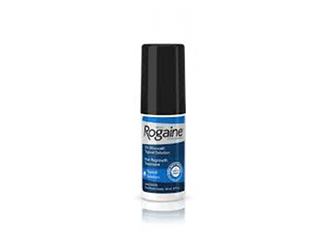
Rogaine® is a brand of minoxidil, a medicine used to help treat certain types of hair loss. Many Australians use Rogaine to support hair regrowth and to slow further thinning. This guide explains how Rogaine works, how to use it effectively, and what to watch for—so you can feel confident and informed.
Note: Hair regrowth varies from person to person. Rogaine is intended for ongoing use to maintain benefits.
Key product information
| Feature | Details |
|---|---|
| Active ingredient | Minoxidil |
| Common Rogaine forms | Topical solution or foam (varies by product strength and availability) |
| Who it’s used for | Male and female androgenetic alopecia (pattern hair loss), depending on product direction |
| How it works | Helps prolong the hair growth phase and supports follicle activity |
| Typical time to see results | Usually 3–6 months (sometimes longer), with continued use needed to maintain |
| How it’s applied | Applied to the scalp (do not take by mouth) |
How Rogaine works (mechanism of action)
Minoxidil helps treat hair loss by acting directly on hair follicles. While the exact process is complex, the medicine is believed to:
- Prolong the hair growth (anagen) phase, helping hairs stay in the active growth stage longer.
- Increase follicle blood flow and nutrient delivery to the follicle area.
- Support thicker hair over time in people whose hair loss is due to androgenetic alopecia.
Rogaine does not “change” genetics or hormones in the way some other treatments do, but it can improve the environment of the follicle so more hairs can grow or regrow.
Pharmacokinetics (what the body does with minoxidil)
Because Rogaine is applied to the scalp, only a small amount is absorbed through the skin compared with oral minoxidil. Still, some minoxidil can enter the bloodstream.
- Absorption: Topical minoxidil is absorbed through the skin; absorption varies based on factors such as scalp condition, dose, and whether the skin is irritated.
- Distribution: Once absorbed, minoxidil can distribute in the body.
- Metabolism: Minoxidil is metabolised mainly in the liver.
- Elimination: Minoxidil and its metabolites are primarily cleared through the kidneys.
Practical takeaway: Even though systemic absorption is relatively low for most users, it’s important to follow dosing directions and avoid applying to broken/irritated skin.
What it’s used for (indications)
Rogaine is commonly used to treat androgenetic alopecia—also known as pattern hair loss—affecting the scalp. This includes:
- Men: Typically thinning at the crown and/or frontal hairline pattern seen in androgenetic alopecia.
- Women: Typically diffuse thinning over the scalp (not usually the same pattern as men), depending on the product’s label guidance.
Rogaine is not designed for sudden patchy hair loss due to autoimmune causes (such as alopecia areata) or hair loss from many other conditions. If your hair loss started suddenly, has patches, or is accompanied by scalp pain, scaling, or severe itching, it’s best to discuss it with a healthcare professional.
Typical dosing and how to use it
Always use Rogaine exactly as directed on the product label or by your pharmacist/doctor. Availability and strengths can differ between products.
Common directions for use
- Apply to the scalp only—not to hair lengths or other body areas.
- Use a set amount (measured dose) each application.
- Frequency: Many regimens use once or twice daily depending on the product strength and formulation.
- Consistency matters: Results depend on regular use.
Example timing (typical schedules)
- Once daily products: Apply at the same time each day.
- Twice daily products: Apply in the morning and evening.
If you miss a dose: Apply as soon as you remember, unless it is close to the time for your next dose. Do not apply extra product to make up for a missed dose.
When to expect results (timing and “shed” period)
Hair growth is slow. Most people should plan for a gradual timeline:
- 0–8 weeks: Some users notice little change. Scalp may look similar.
- 2–8 weeks (sometimes): A temporary increase in shedding may occur as hairs shift phases (often called a “shed” or “dread shed”). This can be a sign that older hairs are being replaced, but not everyone experiences it.
- 3–6 months: Many people begin to notice reduced shedding or early regrowth.
- 6–12 months: Best results often develop during continued use over this timeframe.
Important: If there is no improvement after several months (commonly around 4–6 months depending on severity), discuss further options with a healthcare professional.
Practical use tips (getting the most from Rogaine)
- Start with a clean scalp: Apply to dry scalp for best absorption (unless the label specifies otherwise).
- Use the applicator properly: Part hair and apply directly to areas of thinning, using gentle spreading.
- Wash your hands after application: Avoid contact with eyes and other sensitive areas.
- Allow to dry: Try not to touch the area immediately after applying. Let it fully dry before styling.
- Avoid sleep contact (if using at night): If using before bed, consider using a clean pillowcase and allow time for drying.
- Keep hair products compatible: If you use hair sprays, gels, or oils, allow Rogaine to dry first to reduce mixing.
- Don’t apply to broken skin: Wait for scalp irritation to settle before resuming.
Food interactions
Rogaine is applied to the scalp. There are no well-established food interactions for topical minoxidil. However, general health matters: maintain adequate nutrition, especially protein and iron (if you’re at risk of deficiency), because these can influence hair quality.
Practical takeaway: You can usually use Rogaine without needing to adjust meals. If you have dietary restrictions or concerns about hair loss, consider discussing them with a clinician.
Alcohol and medicine interactions
Alcohol (including topical contact)
Minoxidil products may contain alcohol in certain formulations (commonly seen in some solutions). Alcohol in the product can cause:
- Dryness or irritation in some people
- Stinging/burning if applied to sensitive or broken scalp
When to be careful: If your skin is easily irritated, consider choosing a foam formulation (when available) or discuss alternatives with a pharmacist.
Interactions with other medicines (important)
Because topical minoxidil can be absorbed to a limited extent, interactions are still possible—especially with medicines that affect blood pressure or heart function.
- Blood pressure medicines: Combining minoxidil with other antihypertensive drugs may increase risk of low blood pressure or dizziness in susceptible individuals.
- Other medicines for the heart: If you take treatments for heart rhythm or fluid retention, talk to a clinician before use.
- Topical scalp products: Avoid applying harsh medicated or irritating products simultaneously on the same area unless advised.
Tell your pharmacist: Provide a list of all medicines and supplements you take, including topical treatments for the scalp.
Safety profile: who should use caution
Rogaine is generally well tolerated when used as directed. However, like all medicines, it can cause side effects.
Common side effects
- Scalp irritation (redness, itching, flaking)
- Dryness or contact dermatitis
- Headache
- Dizziness (usually related to systemic effects, but can occur in sensitive users)
- Increased hair shedding temporarily during early use
Less common but serious reactions (seek urgent advice)
Stop use and seek medical help promptly if you experience:
- Chest pain, palpitations, fainting, or severe shortness of breath
- Swelling of the face, lips, or throat, or trouble breathing (possible allergy)
- Severe dizziness or signs of fainting
- Severe worsening of scalp symptoms (intense burning, blistering, or oozing)
Special caution groups
- Heart disease or history of serious cardiovascular problems
- Low blood pressure or dizziness tendency
- Pregnancy or breastfeeding (use should be discussed with a healthcare professional; risks may differ by product and dose)
- Children (use generally not intended for paediatric age groups)
- Scalp conditions such as eczema flare, psoriasis with open lesions, or significant inflammation
Stopping rules and what to do if you react
- If you get mild, temporary scalp dryness or itching, consider pausing and switching to a different formulation (foam vs solution) if available, or reducing irritation by ensuring the scalp is not over-treated.
- If symptoms persist or worsen, stop use and seek advice.
- For systemic symptoms (dizziness, palpitations), stop use and seek medical advice promptly.
Do not “double up” or change frequency without guidance.
Alternative options for hair loss (Australia)
If you’re considering Rogaine, it can help to know other evidence-based or commonly used options. The best choice depends on the cause of hair loss, pattern, and your personal risk profile.
Other topical options
- Other minoxidil brands (same active ingredient): available in different strengths and formulations.
- Scalp care approaches: treating dandruff, inflammation, and triggers can improve hair shedding related to scalp conditions.
Systemic and other medical options
- Oral therapies (discussed with a clinician): in some androgenetic alopecia cases, oral medicines may be considered.
- Procedural options: microneedling and in-clinic treatments may be used by some people, typically alongside topical therapy.
Complementary measures
- Gentle hair care: avoid aggressive traction styles, frequent heat, and harsh chemical treatments.
- Address deficiencies if present (iron, vitamin D, etc.) after appropriate testing.
- Manage stress and sleep: these can affect shedding patterns.
Important: Don’t start multiple treatments at once without a plan; it can be hard to tell what’s helping and what’s causing side effects.
Market and legal context for Australia
In Australia, minoxidil products for hair loss are widely available through pharmacies and reputable retailers. Availability and labelling may vary depending on the brand, formulation (solution vs foam), and strength.
Regulatory note: Medicines in Australia are regulated to ensure they are manufactured to required standards and are labelled with appropriate directions and safety information. Always check the specific product packaging for the exact dosing instructions and warnings applicable to that version of Rogaine/minoxidil.
Quality and authenticity: To reduce the risk of counterfeit or expired products, choose a trusted pharmacy supplier and verify the expiry date and packaging integrity on arrival.
Recent guidance and best-practice updates (general themes)
Over recent years, dermatology practice and patient guidance have emphasised consistent, evidence-based use. Common best-practice themes include:
- Give it time: Hair improvement typically requires months of consistent use.
- Expect early shedding for some: A temporary increase in shedding can occur; it does not necessarily mean failure.
- Apply correctly: Direct application to the scalp and correct measurement improve effectiveness.
- Monitor tolerance: Scalp irritation can be managed by formulation choice and proper skincare.
- Continue to maintain: Stopping usually leads to gradual loss of benefits.
If you have concerns about your hair loss pattern, underlying scalp symptoms, or side effects, seeking advice from a healthcare professional can help confirm whether minoxidil is the most appropriate option.
Delivery and availability
Rogaine (minoxidil) is commonly stocked by Australian pharmacies and online pharmacies. Availability may vary by:
- Strength (for example, different percentages)
- Form (solution vs foam)
- Pack size
- Current promotions and stock levels
When ordering online, ensure you select the correct product strength and formulation recommended for your situation. After purchase, store the product as directed on the packaging (typically at controlled room temperature), keep it out of reach of children, and check expiry dates before first use.
FAQ (frequently asked questions)
1) How long does it take for Rogaine to work?
Many people notice changes after 3–6 months. The best results are often seen after 6–12 months of consistent use. Early shedding can sometimes occur in the first couple of months.
2) Will my hair fall stop immediately?
Not usually. Rogaine works gradually. Some shedding can happen early, followed by gradual improvement in thickness and coverage.
3) Can I stop once I see results?
Rogaine helps maintain hair that is actively supported by minoxidil. If you stop, the benefits typically wear off over time and hair may return toward its previous state.
4) Should I apply Rogaine to my hairline or just the crown?
Apply it to the thinning scalp areas you’re treating. Many people part hair and apply directly to the scalp where density is reduced.
5) Is foam or solution better?
Both contain minoxidil. Choice often comes down to personal preference and scalp tolerance. If you find solutions irritating (especially those with higher alcohol content), the foam formulation may be gentler for some people.
6) Can I use Rogaine with other hair products?
Yes, but allow Rogaine to fully dry before applying styling products. Avoid layering harsh medicated products directly on top of Rogaine unless advised.
7) What if I have dandruff or scalp itching?
Mild dryness can occur. However, significant inflammation should be assessed. Treat underlying scalp conditions if appropriate, and consider pausing Rogaine if symptoms become severe or painful.
8) Can I drink alcohol while using Rogaine?
There is generally no direct interaction between alcohol and topical minoxidil as a rule. However, if your product contains alcohol-based ingredients (common in some solutions), you may notice more scalp dryness or irritation. For systemic effects, follow dosing and discontinue if you feel unwell.
9) Does Rogaine affect blood pressure?
Topical absorption is usually limited, but systemic effects are possible. If you experience dizziness, fainting, palpitations, or swelling, stop use and seek urgent advice.
10) When should I see a doctor or dermatologist?
Seek advice if:
- your hair loss pattern is sudden, patchy, or rapidly worsening
- you have scalp pain, blistering, or severe inflammation
- you have side effects that concern you
- there’s no improvement after several months of correct use
Summary
Rogaine (minoxidil) is a widely used topical treatment for androgenetic alopecia. By supporting the hair growth cycle and improving follicle function, it can help slow thinning and promote regrowth for many people. Success depends on consistent daily application, correct technique, and realistic expectations about timing.
If you’re unsure whether your hair loss is the right type for minoxidil, or you have medical conditions or scalp symptoms, discuss your options with a healthcare professional or pharmacist before starting.