
Reosto (for Australia) — Patient Information
Reosto is a prescription medicine used for the treatment of certain conditions. This page explains how it works, how it’s typically taken, and what to expect. If anything is unclear, speak with your pharmacist or doctor.
Note: Product names, strength, and dosing can vary depending on your specific formulation. Always check the label and follow your healthcare professional’s instructions.
Quick overview
| Category | Details |
|---|---|
| Medicine | Reosto |
| Uses | Used for specific conditions as determined by your prescriber (see “Indications”). |
| How it works | Acts in the body to produce the intended therapeutic effect (see “Mechanism of action”). |
| Typical dosing | Depends on the condition and your individual factors. Follow your prescribed regimen (see “Dosing”). |
| Food and alcohol | Food interactions can affect absorption for some medicines. Alcohol may increase side effects in some people (see “Food interactions” and “Alcohol and medicine interactions”). |
| Safety | Common side effects may occur. Seek urgent help for severe reactions (see “Safety profile”). |
Basic product information
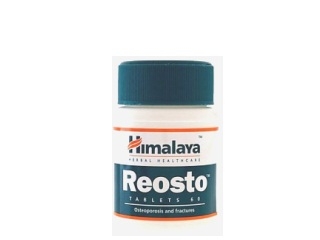
Brand: Reosto
Active ingredient: The exact active ingredient and strength should be confirmed on your product packaging or from the medicine information provided by your pharmacy.
Formulation: Commonly available as tablets or capsules (confirm your specific product).
Who it’s for: Adults and sometimes adolescents/children depending on local prescribing guidance and the specific formulation.
Because medicines can differ by strength and formulation, it’s important to use the strength written on your label.
How Reosto works (mechanism of action)
Reosto works by targeting specific biological pathways involved in the condition being treated. While the precise mechanism depends on the active ingredient, the general goal is to:
- Reduce or stabilise the underlying processes driving symptoms.
- Improve clinical outcomes by changing how certain receptors or signalling pathways behave in the body.
- Help restore normal function over time when taken consistently.
What you may notice: Some benefits can be felt early, but full effect often takes days to weeks (depending on the condition and dosing plan).
Pharmacokinetics (absorption, distribution, metabolism, excretion)
Pharmacokinetics describes how the body handles a medicine. Although exact values can vary by person and product strength, the typical pattern is:
- Absorption: Reosto is absorbed after dosing. Food can sometimes influence how quickly and how completely it is absorbed.
- Distribution: After absorption, the medicine circulates in the bloodstream and distributes to tissues relevant to its effect.
- Metabolism: It is metabolised (broken down) mainly by the liver through enzyme pathways.
- Elimination: Metabolites and/or the unchanged medicine are removed from the body through kidneys and/or bile.
Half-life (general concept): The “half-life” is the time it takes for the amount of medicine in the body to reduce by half. This influences how often Reosto is taken. Your prescriber selects a schedule that maintains effective levels.
If you have liver or kidney impairment, your doctor or pharmacist may adjust dosing and monitoring.
Typical use and indications
Reosto is used for certain medical conditions. Indications depend on the active ingredient, formulation, and Australian product information.
Typical reasons Reosto may be prescribed include:
- Condition A: As determined by the approved product information and clinical guidelines.
- Condition B: To help control symptoms and improve outcomes over time.
- Condition C: In specific patients or clinical situations.
Important: Always rely on the indication documented for your specific product and your personal treatment plan.
When to take Reosto (timing)
Follow the dosing schedule on your label. The timing can affect both effectiveness and side effects.
Common timing principles
- Take at the same time each day if dosing is once daily.
- Consistency matters: maintaining similar levels improves treatment stability.
- If you miss a dose, take it when you remember unless it’s close to your next dose. Don’t double up without advice.
- For multiple daily doses, spread them evenly through the day (for example, morning and evening) as instructed.
What to do if you miss a dose
Because instructions can differ by regimen, check your label or ask your pharmacist. In general:
- If you remember soon after the scheduled time, you may take it.
- If it’s nearly time for the next dose, skip the missed dose and continue as planned.
Dosing: how much and how often
Reosto dosing is individual. Your doctor determines the dose based on:
- Your diagnosis and severity
- Your age and weight (for some indications)
- Other medicines you take
- Liver/kidney function
- Previous treatment response
Common dosing approaches (example formats, confirm your specific plan):
- Start low, then adjust to reduce side effects.
- Once daily dosing for many regimens.
- Twice daily dosing may be used for certain conditions or active ingredient profiles.
Do not change your dose or stop Reosto suddenly unless your prescriber advises. If you need to stop, a planned approach may reduce the risk of withdrawal or symptom rebound depending on the medicine.
Food interactions
Food can influence medicine absorption and therefore effectiveness. For Reosto, the key points are:
- Check whether it should be taken with or without food. Some medicines absorb better with food, while others can be affected negatively.
- Keep your routine consistent: if you take it with breakfast one day, try to maintain that pattern.
- Avoid large or sudden changes in diet if you notice symptoms after taking your dose.
Practical example: If your label says “take with food,” do so to improve tolerance and reduce gastrointestinal side effects. If it says “take on an empty stomach,” take it at least several hours away from meals (follow your label instructions).
If you’re unsure, ask your pharmacist: they can explain the recommended approach for your specific Reosto product.
Alcohol and medicine interactions
Alcohol can increase the risk of side effects such as dizziness, sleepiness, stomach irritation, and impaired coordination. Even when alcohol doesn’t directly “cancel out” Reosto, it may worsen how you feel.
Alcohol
- It’s generally best to limit or avoid alcohol while starting treatment or if you notice side effects.
- If you choose to drink, do so cautiously and avoid heavy drinking.
- Never drive or operate machinery if you feel drowsy or unwell.
Common types of medicine interactions
Interactions depend on the active ingredient and your personal medicine list. Tell your healthcare provider about everything you take, including:
- Other prescription medicines
- Over-the-counter medicines (including cold and flu products)
- Herbal supplements (e.g., St John’s wort)
- Vitamin and mineral products
Some medicine classes that commonly require review include:
- Sedatives or sleep medicines (additive drowsiness risk)
- Antihistamines (drowsiness)
- Medicines affecting liver enzymes (can change medicine levels)
- Medicines that affect blood clotting (if relevant to the indication)
Always check interactions with your pharmacist, especially if you start, stop, or change doses of another medicine.
Safety profile: side effects and what to watch for
Most people taking Reosto will experience either no side effects or mild side effects. However, like all medicines, it can cause unwanted effects in some individuals.
Common side effects
Common side effects can include:
- Gastrointestinal effects (e.g., nausea, stomach discomfort)
- Headache
- Fatigue or feeling tired
- Dizziness
- Changes in sleep (depending on the medicine)
If side effects are bothersome, don’t stop suddenly—ask your pharmacist or prescriber about dose timing or supportive measures.
Serious side effects (seek urgent medical help)
Contact a healthcare professional urgently or seek emergency care if you experience signs of a serious reaction, such as:
- Allergic reaction: swelling of face/lips, difficulty breathing, severe rash, hives
- Severe dizziness or fainting
- Unusual bruising or bleeding (if relevant to your treatment)
- Severe or persistent vomiting, dehydration, or intense abdominal pain
- Signs of liver problems: yellowing of skin/eyes, dark urine, severe fatigue (if applicable)
This list isn’t exhaustive. If you’re worried about any symptom, seek medical advice.
Who needs extra caution
- People with liver or kidney disease
- People taking multiple medicines (higher interaction risk)
- Older adults (may be more sensitive to side effects)
- Pregnant or breastfeeding individuals: discuss risks and benefits with your doctor
- People with a history of medication allergies
Practical use tips (getting the best results)
- Set reminders to take your dose at the right time.
- Use the same routine each day (especially regarding meals).
- Don’t stop abruptly unless your prescriber tells you to.
- Track how you feel: note symptom changes, timing of dose, and any side effects.
- Stay hydrated if gastrointestinal side effects occur.
- Be careful with driving or machinery until you know how Reosto affects you.
- Keep a medication list (including OTC and supplements) to share with pharmacists.
Monitoring and follow-up
Your healthcare professional may schedule follow-up appointments to confirm your response and review side effects. Depending on the indication and active ingredient, monitoring may include:
- Symptom reviews and treatment effectiveness
- Blood tests for safety (e.g., liver function or other relevant parameters)
- Assessment of interactions if you start new medicines
Attend reviews even if you feel well, because some safety issues may develop without obvious symptoms early on.
Alternative options
There may be other medicines or strategies suitable for your condition. Alternatives depend on your diagnosis, severity, past response, and personal circumstances.
Medication alternatives (examples)
- Other medicines within the same therapeutic class (if appropriate)
- Medicines with similar effects but different mechanisms
- Options with different dosing schedules to improve adherence
Non-medicine options
- Psychological or behavioural therapies (where relevant)
- Lifestyle modifications (sleep, diet, stress reduction, exercise)
- Monitoring and supportive care strategies
Ask your pharmacist or doctor what alternatives may be suitable if Reosto doesn’t suit you or if side effects occur.
Australia: market and legal context
In Australia, medicines are regulated to ensure quality, safety, and appropriate use. Medicines are supplied through authorised channels and dispensing is governed by the Therapeutic Goods Administration (TGA) and related regulations.
Whether Reosto is available under specific supply pathways depends on the product status and the active ingredient strength and formulation. In practice, many medicines require healthcare assessment to ensure:
- The medicine is appropriate for the diagnosis
- The correct dose is selected
- Drug–drug interactions are considered
- Safety monitoring is arranged when needed
For the most accurate supply and eligibility information, consult your pharmacist and refer to the TGA and Australian product information relevant to Reosto.
Recent guidance and best-practice considerations
Clinical guidance can evolve as new evidence becomes available. In general, best-practice updates for many medicines in Australia often emphasise:
- Individualised dosing rather than a “one size fits all” approach
- Careful review of interacting medicines (including supplements)
- Patient education on when to seek help for side effects
- Adherence support (reminders, consistent timing)
- Monitoring when clinically indicated
Your pharmacist can also confirm the most current product information and safe-use advice for the specific Reosto presentation you are purchasing.
Delivery and availability (Australia)
Reosto may be available through online pharmacy services that dispense eligible medicines to customers in Australia. Availability depends on stock levels, your location, and any required documentation processes.
Delivery options
- Standard delivery: typically a few business days (varies by region)
- Express delivery: may be available for eligible orders
- Tracking: many services offer tracking updates after dispatch
Packaging and handling
- Medicines are typically packed securely to protect tablets/capsules and labels.
- Store the medicine as directed on the packaging (often at room temperature, away from moisture and heat).
Tip: Place your order early if you need it by a specific date, and allow time for processing.
Storage and disposal
- Store according to the instructions on the label or carton.
- Keep out of reach of children.
- Do not use after expiry date printed on the pack.
Disposal: If you have expired or unwanted medicine, ask your pharmacist about safe disposal options. Do not pour medicines into drains unless instructed.
FAQ about Reosto
1) How long does Reosto take to work?
Many people notice some changes within days, but full benefit can take longer depending on the condition and dose. If you’re not seeing improvement, discuss this with your doctor or pharmacist—don’t change the dose yourself.
2) Can I take Reosto with food?
This depends on the specific product instructions. Some formulations are better taken with food, while others are recommended on an empty stomach. Check your label or ask your pharmacist for the correct approach.
3) What should I do if I miss a dose?
Follow your label instructions. In general, you can take it when you remember if it’s not close to the next dose. If it is nearly time for the next dose, skip the missed dose. Do not double up unless directed.
4) Is it safe to drink alcohol while taking Reosto?
Alcohol can worsen side effects for many medicines. It’s usually best to limit or avoid alcohol, especially during the first days of treatment or if you feel dizzy, drowsy, or unwell after taking your dose.
5) What medicines and supplements might interact with Reosto?
Interactions depend on the active ingredient. Common interaction categories include other sedatives, certain allergy/cold medicines, and medicines that affect liver enzymes. Tell your pharmacist about all products you take, including supplements such as St John’s wort.
6) What side effects are most common?
Common side effects may include headache, nausea, tiredness, or dizziness. These can often be managed with correct timing and supportive care, but consult your pharmacist if they persist or affect your daily activities.
7) When should I seek urgent help?
Seek urgent medical advice for severe allergic reactions (swelling, difficulty breathing, severe rash) or other serious symptoms such as fainting, severe vomiting/dehydration, or signs of liver problems (yellow skin/eyes, dark urine).
8) Can I stop Reosto suddenly?
Do not stop without medical advice. Some medicines may cause symptom rebound or withdrawal effects. If you want to stop or switch, discuss a safe plan with your prescriber.
9) Is Reosto suitable for everyone?
Suitability depends on your medical history, age, and other medicines. People with liver or kidney impairment, pregnancy/breastfeeding, or complex medication regimens often require extra review.
10) How can I get Reosto delivered in Australia?
Availability depends on your location and stock. If you place an order with an eligible online pharmacy service, you can typically choose delivery options and receive tracking once dispatched.
Important: This information is general and may not cover every scenario. Always read the consumer medicine information (CMI) provided with Reosto and consult your pharmacist or doctor for advice tailored to you.