Pimecrolimus (for the skin): Patient-Friendly Guide for Australia
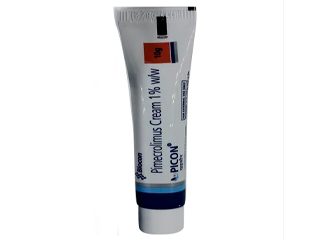
Pimecrolimus is a medicine used to treat certain inflammatory skin conditions. It belongs to a group of medicines called topical calcineurin inhibitors. In Australia, pimecrolimus is widely used for conditions such as atopic dermatitis (eczema), particularly when flare-ups occur and when skin care measures alone are not enough.
This guide explains what pimecrolimus is, how it works, how to use it safely, what to expect, and important interactions and precautions. It is written for patient understanding and is suitable for an online pharmacy website audience across Australia.
Basic Product Information
- Medicine name: Pimecrolimus
- Medicinal form: Topical cream (applied to the skin)
- Common use: Treating inflammatory flare-ups of atopic dermatitis (eczema)
- Storage (typical): Store below 25°C (follow the product label)
- Available strengths: Varies by brand and local formulation (commonly 1%)
Product availability may depend on brand and formulation. Always check the package for your exact strength and instructions.
How Pimecrolimus Works (Mechanism of Action)
Pimecrolimus works by modulating the immune response in the skin. Specifically, it belongs to the topical calcineurin inhibitor class.
After application to the skin, pimecrolimus penetrates into local skin cells and helps to suppress activation of immune pathways involved in inflammation. This reduces redness, itch, and swelling associated with eczema flare-ups.
- Reduces inflammatory signalling in the skin
- Helps control symptoms such as itching and redness
- Designed for targeted skin use with low whole-body absorption
Pharmacokinetics: Absorption, Metabolism, and Excretion
Pimecrolimus is a topical medicine, meaning it is applied directly to the skin and is designed to act locally. When used correctly, only small amounts are expected to enter the bloodstream.
- Absorption: Low systemic absorption under typical use conditions
- Distribution: Mainly acts locally in the skin
- Metabolism: Metabolised in the body if any is absorbed
- Elimination: Any absorbed fraction is cleared by normal body processes
If you apply it to large areas, use occlusive dressings, or apply it more frequently than recommended, absorption may increase. Follow the directions on your product label or your healthcare professional’s advice.
Typical Use and Conditions Indicated in Australia
Pimecrolimus cream is used to treat inflammatory skin flare-ups, most commonly:
- Atopic dermatitis (eczema)—especially for mild to moderate inflammatory episodes
Some patients use pimecrolimus for early signs of eczema flare-ups (for example, when skin becomes itchy and red), as part of a proactive approach. Your product label and clinician advice will guide the best approach for you.
When to Apply: Timing and Frequency
Timing is important for best results. Many people use pimecrolimus at the start of eczema symptoms, such as:
- Itch
- Redness
- Dry, irritated patches
Typical guidance (general): Pimecrolimus is usually applied twice daily to affected areas at the beginning of flare-ups, and continued as directed until symptoms improve. Exact dosing instructions vary by product strength and age indication.
How long before it helps? Some patients notice symptom relief within days, while others may take longer. If there is no improvement within the timeframe described on the product label, or if symptoms worsen, seek medical advice.
Dosing: How Much to Use (Practical Guidance)
The right amount depends on the size of the affected area. A common practical unit for topical creams is the finger tip unit (FTU) (a measured amount squeezed from the tip of a finger to cover a strip of skin). Your pharmacist or doctor may use FTU guidance to help you estimate the correct dose.
| Area size | General approach | Notes |
|---|---|---|
| Small patches (e.g., a coin-sized area) | Apply a thin layer to cover the affected skin | Use enough to lightly coat the rash—avoid thick, heavy layers. |
| Larger areas | Use the quantity needed to cover affected zones only | Avoid applying to widespread areas unless specifically advised. |
| Face and neck | Apply carefully to affected areas only | Avoid contact with eyes, eyelids, lips, and inside the mouth. |
Do not:
- Apply more often than recommended
- Apply to broken, infected skin unless directed
- Use on areas that do not have eczema flare-up
Food Interactions
Because pimecrolimus is used on the skin and has low systemic absorption when used as directed, clinically relevant food interactions are not expected.
You can generally take your usual food and drink without needing special timing. However, if you are using other medicines or supplements, check their interaction information separately.
Alcohol and Medicine Interactions
Alcohol
No direct interaction between topical pimecrolimus and alcohol is typically expected. Nonetheless, if alcohol triggers skin flushing or worsens eczema for you personally, consider reducing alcohol intake.
Other medicines (topical and oral)
Because pimecrolimus acts locally and is absorbed minimally, systemic drug interactions are unlikely. Still, it’s important to be cautious when combining with other topical products.
- Other skin creams/ointments: Avoid applying multiple medicated products at the same time in the same area unless advised.
- Moisturisers: You can usually moisturise as part of eczema care, but apply pimecrolimus first (or follow label timing) and allow it to absorb.
- Phototherapy or sun exposure: Discuss with your clinician if you use UV treatments, as sun guidance may be required.
Keep a list of all medicines and skin products you use, including over-the-counter options, and share it with your pharmacist or doctor if you have concerns.
Safety Profile: Common Side Effects and Warning Signs
Pimecrolimus is generally well tolerated when used correctly. However, like all medicines, it can cause side effects.
Common side effects
- Burning, stinging, or tingling at the application site (often early on)
- Skin irritation or redness
- Itch or dryness may persist as eczema settles
Serious warning signs (seek medical advice)
- Signs of infection (increasing redness, warmth, pain, pus, fever)
- Severe allergic reaction (swelling of face/lips, widespread hives, difficulty breathing)
- Worsening symptoms despite appropriate use
If you experience severe reactions, stop using the cream and seek prompt medical advice.
Important precaution
Pimecrolimus has a local immune-modulating effect. Avoid use on skin areas affected by viral infections (for example, cold sores or chickenpox) unless directed by a healthcare professional. Also avoid use if the area appears infected with bacteria or fungus.
Practical Tips for Using Pimecrolimus Correctly
Good technique improves effectiveness and reduces irritation.
Step-by-step application routine
- Wash your hands before and after applying.
- Clean the skin gently if needed and pat dry—avoid rubbing.
- Apply a thin layer of pimecrolimus to the affected eczema patches only.
- Let it absorb before covering with clothing.
- Continue moisturising as part of your daily eczema routine (see below).
Moisturiser and eczema skin care
Eczema control usually works best with a regular moisturising routine. Moisturisers help restore skin barrier function. Many people use moisturisers several times daily, especially after bathing.
Tip: Apply pimecrolimus, let it settle for a short period, and then moisturise using a gentle, fragrance-free product if recommended for your regimen.
Bathing and skin barrier
- Short, lukewarm baths or showers may help
- Pat the skin dry (don’t rub)
- Moisturise soon after bathing to “seal in” moisture
Occlusive dressings
Avoid covering treated areas with tight or occlusive bandages unless advised. Occlusion may increase absorption.
Alternative Treatment Options (Eczema and Inflammation)
Eczema treatment plans often combine skin care with medicines depending on severity and location. If pimecrolimus isn’t suitable or doesn’t give adequate control, alternatives may include:
- Topical corticosteroids for flare control (strength depends on body site and severity)
- Topical moisturisers and barrier repair emollients as foundation therapy
- Other topical anti-inflammatories (for example, different calcineurin inhibitor creams)
- Antihistamines may help with itch in some cases (particularly at night)
- Phototherapy or systemic treatments for more severe or persistent cases (by specialist guidance)
A clinician may recommend changing therapy based on response, age, location (face vs body), and whether skin is infected.
Market, Legal and Regulatory Context for Australia
In Australia, medicines are regulated under the national framework. Brand availability and listing status can vary over time. When buying pimecrolimus, ensure:
- The product is sourced from a reputable Australian supply chain
- The packaging matches the correct strength and formulation
- Expiry date and storage conditions are checked on arrival
- Instructions are consistent with the product label and current Australian medicine information
If you’re unsure whether a product is appropriate for your condition, a pharmacist can help you compare options and guide safer use.
Recent Guidance and How to Stay Updated
Clinical recommendations for eczema care can evolve as new evidence becomes available. In general, guidance emphasises:
- Using regular emollients for ongoing barrier support
- Using anti-inflammatory medicines for flares and preventing triggers where possible
- Checking for infection or contact dermatitis if symptoms worsen
- Following product instructions for timing and application thickness
Because eczema affects individuals differently, the “best” regimen depends on age, severity, body site, and your skin’s response. If symptoms are not controlled, consider a review of diagnosis and treatment plan.
Delivery and Availability (Online Pharmacy Considerations in Australia)
Availability can vary by brand and formulation. When ordering online in Australia, reputable pharmacies typically:
- Provide clear product descriptions and strengths
- Show expiry dates or allow customers to request stock checks
- Use reliable delivery methods and tracking where available
- Package medicines to protect from damage during transit
After delivery, store the cream according to the label (commonly below 25°C) and keep it out of reach of children. If the tube or cream appears damaged or contaminated, do not use it—contact the pharmacy.
FAQ: Pimecrolimus for Eczema (Australia)
1. What is pimecrolimus used for?
Pimecrolimus is used to treat inflammatory flare-ups of atopic dermatitis (eczema), helping reduce redness, itch, and inflammation in affected areas.
2. How do I apply pimecrolimus?
Wash your hands, apply a thin layer to the affected eczema patches only, let it absorb, and wash your hands again after application. Avoid eyes, eyelids, lips, and inside the mouth.
3. When should I start using it during a flare?
Many patients start at the beginning of flare signs—such as increasing itch or redness. Use it according to your product label instructions or pharmacist advice.
4. Can I use moisturiser with pimecrolimus?
Yes, moisturisers are an important part of eczema care. Apply moisturiser as directed in your routine. Avoid layering medicated products at the exact same moment if the label or pharmacist advises separation.
5. Will pimecrolimus make my skin more sensitive to the sun?
Some topical medicines can cause skin irritation. While direct photosensitivity is not commonly described as a major issue for pimecrolimus, it’s sensible to protect skin from excessive sun and follow general eczema sun-care advice. Ask your pharmacist if you use UV treatments or have frequent sun exposure.
6. Is it safe for children?
Pimecrolimus may be suitable for children depending on age indications and the product’s approved use. Always confirm the age range on the product label and seek pharmacist guidance if unsure.
7. What if my eczema gets worse after starting?
If symptoms worsen, spread quickly, become very painful, or show signs of infection (oozing, pus, warmth, fever), stop using the cream and seek prompt medical advice. Worsening can sometimes indicate infection or a different diagnosis.
8. Can I stop once my skin improves?
Many regimens are aimed at treating flare-ups and/or maintaining control. Stop or adjust only according to the product instructions and advice from your pharmacist or clinician. Some patients use a proactive approach early in flares.
9. Are there food or alcohol interactions?
Food interactions are not expected with topical pimecrolimus because systemic absorption is low. Alcohol is not known to directly interact, but individual triggers (such as flushing) can affect eczema in some people.
10. What alternatives are available if pimecrolimus isn’t enough?
Alternatives may include topical corticosteroids, other topical anti-inflammatory medicines, and ongoing emollient therapy. For persistent cases, clinicians may consider other treatments such as phototherapy or systemic options.
Key Takeaways
- Pimecrolimus is a topical calcineurin inhibitor used for eczema flare control.
- It helps reduce inflammation and symptoms like itch, redness, and swelling.
- Use a thin layer on affected patches and follow label timing (often twice daily during flares).
- Pair treatment with a consistent moisturiser routine to support the skin barrier.
- If you see signs of infection or severe allergic reaction, seek prompt medical advice.
If you would like, share the brand and strength you are considering (or the photo/text on the box), and your pharmacist can help confirm suitability for your specific eczema pattern and age group.