Pilex (Australia) – Patient Information
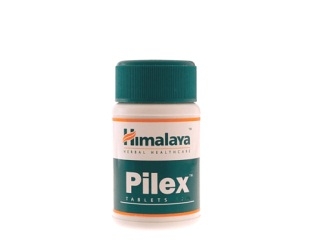
Pilex is a herbal medicine traditionally used to help relieve symptoms associated with piles (haemorrhoids) and anal discomfort. Many people seek Pilex when they experience swelling, soreness, itching, or mild bleeding related to piles.
This guide is designed to be patient-friendly and practical. It explains how Pilex works, how to take it, what to expect, and key safety considerations. Always read the label and follow the instructions provided by your pharmacist or doctor.
Quick Product Overview
| Category | Herbal medicine for piles/haemorrhoids support |
|---|---|
| Common uses | Helps relieve symptoms such as pain, itching, swelling, and discomfort from piles |
| Typical form | Oral capsule and/or other forms depending on brand presentation |
| Key ingredient(s) | Contains a blend of medicinal herbs (exact formulation varies by product version) |
| How it’s used | By mouth, as directed on the label |
| Onset | Some symptom relief may be noticed within days; follow the full course if recommended |
| Availability | Sold through pharmacies and online pharmacy channels where permitted |
Note: Product strengths, ingredients, and directions may vary between versions. Check the pack you receive.
What Are Piles (Haemorrhoids)?
Piles are swollen veins in and around the anus. They can cause:
- Pain or soreness
- Itching
- Swelling or a lump sensation
- Bleeding (often bright red blood on toilet paper or in the bowl)
- Discomfort during bowel movements
Common contributing factors include constipation, straining, prolonged sitting on the toilet, and a low-fibre diet. Sometimes piles flare during pregnancy, after heavy lifting, or with diarrhoea.
Typical Use: When Pilex May Be Helpful
Pilex is commonly used to help relieve mild to moderate piles symptoms. It may be chosen by people looking for a supportive, non-prescription option alongside lifestyle measures such as increasing fibre and fluids.
Typical indications (symptom-based) include:
- Anal discomfort associated with piles
- Itching and irritation around the anus
- Pain or tenderness, especially during bowel movements
- Swelling and inflammation related to piles
- Mild bleeding associated with haemorrhoids (where appropriate)
If your symptoms are severe, persistent, or you are concerned about bleeding, it’s important to seek medical advice promptly.
How Pilex Works: Mechanism of Action
Pilex is an herbal medicine that aims to reduce uncomfortable symptoms of piles. While specific clinical effects depend on the exact herbal ingredients in the product you purchase, herbal piles remedies commonly work through one or more of the following actions:
- Astringent/soothing effects: may help calm irritated tissue and reduce local discomfort.
- Anti-inflammatory support: may help lessen inflammation and swelling.
- Barrier and comfort effects: may support comfort during flare-ups.
- Traditional digestive/anti-irritant support: certain herbs used in traditional formulations may help support bowel regularity and comfort (this varies by formulation).
Herbal products may have complex effects due to multiple ingredients. For best results, use Pilex as directed and also address underlying causes such as constipation or straining.
Pharmacokinetics (Absorption, Distribution, Metabolism, Excretion)
Detailed pharmacokinetic data (how the body absorbs, processes, and eliminates each herbal component) can be limited for complex herbal mixtures. In general, for orally taken herbal products:
- Absorption: herbal constituents are typically absorbed to varying degrees in the gastrointestinal tract.
- Metabolism: components may be metabolised by the liver and intestinal enzymes.
- Distribution: active constituents distribute through the bloodstream; concentration at the site of action may depend on individual compounds.
- Excretion: metabolites and unmetabolised constituents may be eliminated via urine and/or faeces.
Because exact pharmacokinetics depends on the specific herbs and their chemical constituents, it’s best to follow the labelled dosing schedule rather than trying to infer a rapid or prolonged effect based solely on pharmacology.
Dosing: How to Take Pilex
Follow the instructions on your pack. If you’re unsure, ask your pharmacist. Dosing can vary by product strength and age group.
Typical general guidance for herbal medicines:
- Adults: usually taken by mouth in divided doses as directed on the label.
- Children: use only if the product label states it’s appropriate for children and dosing is provided for that age group.
Example timing format (label-dependent): many oral products are taken one dose in the morning and one in the evening. However, your exact dosing schedule should match the product you receive.
If you miss a dose: take it when you remember unless it’s close to the next dose. Do not double up.
Timing: Best Time to Take Pilex
The ideal timing depends on the ingredient blend and your personal tolerance. For many oral herbal medicines, a consistent schedule improves adherence and helps you monitor effects.
- Take at the same times each day.
- If your label does not specify, you may take it with a meal if you experience mild stomach sensitivity.
- For flare-ups, continue taking Pilex for the duration recommended on the pack (often several days to a short course).
Food Interactions
Herbal medicines can have variable interactions with food. Common considerations include:
- Absorption may change with food: taking with food can sometimes reduce stomach upset but may alter absorption for some ingredients.
- Gentle approach: if you get nausea or discomfort, taking with a light meal may help.
Practical advice: follow the label. If your label states “take with food” or “on an empty stomach,” follow that direction.
Alcohol and Medicine Interactions
Because Pilex is an oral herbal medicine, it may have limited direct interaction data with alcohol. Nevertheless, it’s sensible to be cautious:
- Alcohol may worsen gut irritation: alcohol can aggravate the digestive tract and can indirectly worsen constipation or diarrhoea-related haemorrhoid symptoms.
- Herbal sensitivity: some people may experience dizziness or stomach upset when combining herbal products with alcohol.
Recommendation: limit alcohol while you’re treating symptoms, especially if you notice increased irritation or changes in bowel habits.
Medication interactions: if you take other medicines (including blood thinners, anti-inflammatory medicines, or treatments for constipation), discuss with a pharmacist. Herbal ingredients can, in some cases, affect other medicines by enzyme or transport pathways—data for specific interactions may not always be complete for every herbal blend.
Safety Profile: Who Should Be Careful?
Pilex is generally used by adults for symptom relief of piles. However, safety depends on the formulation, individual health factors, and other medications.
Common side effects
- Mild stomach discomfort
- Nausea or loose stool (uncommon; can occur with some herbal products)
- Rash or skin sensitivity (rare)
Stop use and seek advice if you experience
- Severe abdominal pain
- Worsening bleeding
- Allergic symptoms such as swelling of the face, lips, or throat, or difficulty breathing
- Persistent symptoms despite short-term use
Special populations (check the label and ask a pharmacist)
- Pregnancy and breastfeeding: ask a healthcare professional before use.
- Children: only use if specifically indicated for the child’s age group.
- Liver or kidney disease: consult a pharmacist before starting herbal medicines.
- Bleeding conditions: if you have known clotting disorders or take blood-thinning medicines, seek advice.
Important: bright red rectal bleeding can have other causes. If bleeding is new, heavy, or accompanied by dizziness, weight loss, fever, or bowel habit changes, get medical advice promptly.
Practical Tips for Getting Results
Medicines work best when combined with measures that reduce strain and irritation. Consider the following practical steps:
- Increase fibre: aim for more fruit, vegetables, oats, legumes, and whole grains.
- Stay hydrated: adequate water helps maintain softer stools.
- Don’t strain: avoid pushing; use shorter toilet visits.
- Use correct toileting habits: consider a footstool to improve posture.
- Warm baths or sitz baths: can ease discomfort.
- Gentle cleaning: use water or unscented wipes; avoid harsh soaps.
- Consider stool softeners: if constipation is a trigger, discuss suitable options.
When to reassess: if symptoms don’t improve within a few days or keep returning, talk to a pharmacist or GP.
Alternative Options (Depending on Severity)
If Pilex isn’t suitable or your symptoms need a different approach, there are other options commonly used in Australia:
- Topical haemorrhoid treatments: creams, ointments, or suppositories designed for local relief.
- Oral symptom support: stool softeners or fibre supplements to reduce straining.
- Non-medicine approaches: dietary fibre, hydration, lifestyle changes, warm baths, and improved toileting habits.
- Clinical options: if piles are persistent or severe, a GP may discuss procedures or specialised treatments.
Your best choice depends on symptoms (pain, itching, bleeding, size of swelling), underlying constipation or diarrhoea, and your medical history.
Market and Legal Context for Australia
In Australia, herbal medicines are regulated under the Therapeutic Goods Administration (TGA) system and must meet relevant standards. Product availability through pharmacies and online channels is subject to applicable laws and requirements.
Always ensure the product you purchase is an Australian-available medicine and check:
- Whether it includes a TGA identification number (where applicable on the pack)
- That the label matches the directions provided for the Australian market
- Expiry date and storage instructions
If you have questions about whether a product is suitable for your situation, consult a pharmacist.
Recent Guidance and Updates (General)
Guidance for piles management often emphasises:
- Assessing bleeding carefully: rectal bleeding should not be ignored, particularly if it is new, severe, or persistent.
- Constipation prevention: fibre and hydration are core strategies to reduce recurrence.
- Using medicines as part of symptom and lifestyle control: supportive treatments may help while addressing underlying triggers.
- Escalation of care when needed: persistent symptoms may require clinical evaluation.
While specific “recent guidance” can vary by organisation and update cycle, these themes are consistently reflected in healthcare advice for haemorrhoids.
Delivery and Availability (Online Pharmacy)
Pilex may be available through eligible pharmacy supply channels. Delivery options can vary by location and provider. Typically, online orders include:
- Secure packaging to protect the product
- Tracking information (when offered)
- Estimated delivery times at checkout
- Storage instructions on the label (often “store below 30°C” unless stated otherwise)
To ensure you receive the correct product, verify:
- Brand name and presentation (capsules/other form)
- Pack size
- Expiry date
If you need help selecting the right product size or confirming dosing, our pharmacy team can assist.
Storage
- Store according to the label directions.
- Keep out of reach of children.
- Protect from excessive heat and moisture.
FAQ: Pilex
1. What is Pilex used for?
Pilex is commonly used to help relieve symptoms associated with piles (haemorrhoids), such as pain, itching, swelling, and discomfort. It is intended for short-term symptom support while you also manage triggers like constipation.
2. How quickly will it work?
Some people notice symptom relief within a few days, but individual responses vary. If symptoms are not improving after several days, or they worsen, seek advice from a pharmacist or GP.
3. How do I take Pilex?
Take it exactly as directed on the pack. Dosing can vary by product strength and formulation. If you are unsure, ask a pharmacist.
4. Can I take Pilex with food?
Follow the label. If it doesn’t specify, taking with a meal can help reduce stomach discomfort for some people.
5. Can I drink alcohol while using Pilex?
There’s no single universal rule, but alcohol can irritate the digestive tract and worsen constipation or bowel changes. It’s generally best to limit alcohol during treatment and discuss concerns with a pharmacist.
6. Is Pilex safe for everyone?
Most people tolerate herbal medicines well, but safety depends on your individual health, age, and other medicines you take. Check the label for contraindications or warnings and ask a pharmacist if you’re pregnant, breastfeeding, under 18, or taking regular medications.
7. What if I’m bleeding from my anus?
Mild bleeding can occur with haemorrhoids, but bleeding should be taken seriously. Seek medical advice if bleeding is heavy, new, persistent, or accompanied by concerning symptoms (such as dizziness, significant pain, fever, or weight loss).
8. Can I use Pilex long-term?
Herbal symptom treatments for piles are typically used for short-term flare relief. If you need ongoing treatment or symptoms return frequently, it’s better to reassess the cause with a pharmacist or GP.
9. What should I do if it doesn’t help?
If you don’t notice improvement, your symptoms may need a different approach (e.g., topical therapy or targeted management of constipation). Contact a pharmacist for guidance and consider medical review if symptoms persist.
10. What are alternatives to Pilex?
Alternatives include topical haemorrhoid treatments, fibre supplements and stool softeners, lifestyle strategies (fibre, water, reducing straining), and, when necessary, clinical treatments for persistent or severe piles.
Important Safety Reminder
Pilex can be a helpful option for supportive symptom care of piles. However, rectal bleeding and persistent anal pain can have other causes. If symptoms are severe, unusual, or not improving, consult a healthcare professional.
Always read the pack: check ingredients, expiry date, and dosing directions before use.