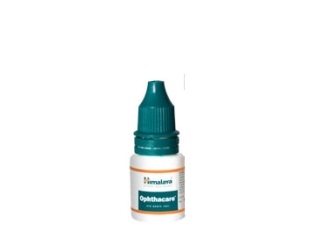


Ophthacare Eye Drops – Patient-Friendly Guide (Australia)
Ophthacare is an eye-care medicine used to support comfortable, healthy vision when the eyes are dry, irritated, or prone to inflammation. This guide explains how Ophthacare works, how to use it safely, what to expect, and what to consider before and during treatment—written for customers purchasing from an online pharmacy in Australia.
Note: Always read the label and product leaflet for your specific Ophthacare presentation. If you have questions about your eye condition or the suitability of this medicine, consult a qualified healthcare professional.
Quick Overview
- Medicine type: Eye drops (topical ocular medicine)
- Common purpose: Relief of eye dryness/irritation and support during mild inflammation
- How it works: Helps treat ocular surface problems by targeting the underlying cause (as described on the product label)
- Typical use: Instilled into the eye at regular intervals
- Onset: Some people notice comfort within minutes; full effect may take several days
Basic Product Information
Ophthacare is an eye drop formulation intended for use directly on the surface of the eye. It is designed to deliver active ingredients locally to the ocular tissues, aiming to reduce symptoms such as:
- Dryness and gritty feeling
- Irritation and mild discomfort
- Redness associated with ocular surface stress (depending on cause)
- Discomfort from environmental triggers such as wind, screens, or air conditioning
Important: Ocular symptoms can have many causes (allergies, infection, dry eye disease, contact lens irritation, or other eye conditions). Ophthacare is intended for appropriate eye-care use as described in the product instructions.
Mechanism of Action (How Ophthacare Works)
The exact mechanism depends on the specific active ingredients in your Ophthacare product. In general, eye drops like Ophthacare help by:
- Improving ocular surface comfort: Reducing irritation and supporting moisture/soothing effects.
- Targeting inflammation or inflammatory pathways (if applicable): Some formulations can help calm mild inflammatory responses on the eye surface.
- Supporting a healthier tear film: Helping the tear layer function more smoothly, which can improve comfort and clarity.
Always check the product packaging or leaflet for the active ingredient(s) and the specific description of how Ophthacare acts.
Pharmacokinetics (Absorption, Distribution, and Elimination)
Because Ophthacare is applied to the eye, its action is primarily local. While exact numbers vary between formulations and individuals, the general pharmacokinetic pattern for topical ophthalmic preparations is:
- Absorption: Active ingredients are absorbed through the cornea and conjunctiva to a limited degree.
- Distribution: Concentrations are highest near the ocular surface. Some drug may drain through the nasolacrimal duct into the nose.
- Metabolism: Any systemic absorption is typically low; local metabolic processes may contribute.
- Elimination: Most of the medicine is cleared via tear drainage and turnover, with only small amounts potentially reaching systemic circulation.
Practical implication: Since systemic exposure is usually low, side effects are most often related to the eyes (e.g., temporary stinging or blurred vision) rather than widespread body effects.
Indications (What Ophthacare Is Used For)
Ophthacare is commonly used for:
- Dry, irritated eyes where soothing lubrication and ocular surface support are needed
- Mild inflammation or irritation of the ocular surface (depending on product specification)
- Comfort maintenance in people exposed to triggers such as screens, air conditioning, smoke, wind, or low humidity
Not for every eye problem: If you have pain, significant light sensitivity, purulent discharge, sudden vision changes, or symptoms of infection, you should seek prompt medical advice. Eye drops are not a substitute for urgent assessment when red flags are present.
Typical Use and Timing
Ophthacare is usually administered as eye drops directly into the affected eye(s). The recommended dosing schedule depends on the product label and your individual situation.
Typical timing guidance (general):
- Start: Use at the time recommended by your clinician or the product instructions.
- Frequency: Many eye drops are used multiple times daily; some are once or twice daily depending on formulation.
- Consistency: Regular use helps maintain comfort and supports the eye surface.
Example schedules: If your label says “two to three times daily,” a common approach is dosing in the morning, afternoon, and evening—keeping roughly even intervals.
Dosing Information (How Much to Use)
Always follow the dosing instructions on the packaging or leaflet. In general, eye drops are administered as follows:
- Dose: Usually one drop per eye into the lower conjunctival sac (unless the leaflet states otherwise).
- How many eyes: Use in the affected eye(s) as directed.
- Duration: Use for the period recommended, even if symptoms improve early.
If you miss a dose:
- Use it when you remember if it is not close to the next dose.
- If you are near the next scheduled dose, skip the missed dose and resume your regular schedule.
- Do not use extra drops to “catch up” unless instructed.
If you use other eye medications: See the “Practical Use Tips” section for spacing advice.
How to Use Ophthacare Correctly (Step-by-Step)
Proper technique helps the medicine reach the eye and improves comfort.
- Wash your hands thoroughly.
- Shake the bottle if your product label advises (some formulations do; some do not).
- Check the dropper tip for cleanliness and cracks.
- Tilt your head back and pull down the lower eyelid gently to create a small pocket.
- Hold the bottle above the eye and instil one drop into the lower eyelid pocket.
- Close your eye gently and press lightly at the inner corner (near the nose) for about 1 minute if possible.
- Wipe away excess with a clean tissue.
- Repeat for the other eye if directed.
- Wash your hands again after use.
Contact lenses: If you wear contact lenses, check the leaflet for compatibility. Many ophthalmic products advise removing lenses before instillation and waiting before reinserting.
Food Interactions
Because Ophthacare is used in the eye, food interactions are usually not expected to be clinically significant. The medicine acts locally, and systemic absorption is typically low.
Still: Always follow general health guidance. If you are taking other medicines, be mindful of possible interactions for those medicines, even if Ophthacare itself has minimal food-related concerns.
Alcohol and Medicine Interactions
Alcohol: Since ophthalmic drops generally have limited systemic absorption, alcohol is unlikely to directly interact with Ophthacare. However, alcohol can worsen dehydration and eye dryness in some people, which may reduce comfort.
Other medicines: Interactions are uncommon, but there are practical considerations:
- Other eye drops: Some products may need spacing to prevent dilution or washout.
- Infections or inflammatory eye conditions: Using multiple drops without guidance may mask symptoms or delay appropriate treatment.
- Systemic medicines: For most customers, systemic interactions with eye drops are unlikely, but it is safest to review your medicine list with a healthcare professional if you are on complex therapy.
Spacing with other drops: A common recommendation is to wait at least 5–10 minutes between different eye drops. Ophthacare should be used in the order described by your clinician or pharmacist, often with ointments last.
Safety Profile (Side Effects and When to Seek Help)
Most people tolerate Ophthacare well. Like all medicines, it may cause side effects.
Common or mild effects
- Temporary stinging or burning after instillation
- Redness or mild irritation
- Watery eyes or mild blurred vision
- Dryness or discomfort that settles after the medicine takes effect
Less common but more serious concerns
Seek medical advice promptly if you experience:
- Severe or worsening eye pain
- Significant light sensitivity
- Noticeable vision changes (blur that does not improve)
- Swelling around the eye or worsening redness
- Allergic symptoms such as rash, significant itching, or facial swelling
- Discharge that is thick, persistent, or accompanied by fever
Stop and get help: If symptoms worsen after using the drops, discontinue use and seek professional assessment.
Practical Use Tips for Best Results
- Don’t touch the tip: Avoid contact between the bottle tip and the eye or eyelids.
- Keep intervals steady: Consistent timing supports symptom control.
- Expect temporary blur: Blurred vision can occur briefly—avoid driving until your vision clears.
- Use clean tissues: Wipe gently and avoid reusing tissues on the other eye.
- Store correctly: Keep the bottle as instructed (often at room temperature, away from direct sunlight).
- Check expiry: Do not use past the expiry date on the carton or bottle.
Who should be extra cautious?
- People with a history of eye allergies or sensitivity to eye drops
- Those who wear contact lenses (follow lens guidance carefully)
- Customers with chronic eye conditions or prior eye surgery—confirm suitability with a professional
- Children and older adults—use with guidance, as technique and tolerance may vary
Alternative Options (Depending on the Underlying Cause)
If Ophthacare is not suitable—or if your eye symptoms have a different cause—there are other common eye-care options available in Australia.
Possible alternatives
- Lubricating artificial tears for dryness and mild irritation
- Dry eye supportive treatments for chronic symptoms (based on cause)
- Allergy eye drops if symptoms are linked to seasonal allergies (itching, watery eyes)
- Prescription-only treatments for infections or specific inflammatory conditions (as advised by a clinician)
Choosing the right option matters: For example, a product for dryness may not be appropriate for an infection, and allergy drops may not resolve inflammatory causes unrelated to allergy.
Recent Guidance and Updates (Australia Context)
In Australia, eye-care medicines are supplied under the regulatory framework administered by the Therapeutic Goods Administration (TGA). Guidance on safe use often emphasises:
- Correct identification of eye symptoms before starting eye drops
- Safe handling to reduce contamination risk
- Prompt escalation for red-flag symptoms (severe pain, sudden vision changes, suspected infection)
- Contact lens precautions when using ocular products
In addition, changes in supply and product availability can occur. Your pharmacy should provide up-to-date information about current stock and any packaging changes for the specific Ophthacare product you order.
Delivery, Availability, and Ordering in Australia
Ophthacare may be stocked by online pharmacies in Australia depending on demand, supply chain schedules, and product classification. Availability can vary by:
- Pack size (e.g., bottle volume)
- Batch and shelf life
- Current promotions or seasonal ordering patterns
Delivery: Delivery timeframes vary by location and courier service. Most online pharmacies provide:
- Tracking information once your order is dispatched
- Secure packaging to protect the product
- Compliance with storage and temperature guidance where relevant
Before you order: Check that the product description matches the Ophthacare formulation you need, including strength and dosing instructions shown on the label.
Market and Legal Context (Australia)
Medicines sold in Australia are regulated to support safe access and quality standards. In general:
- Therapeutic products are assessed for safety, quality, and performance.
- Some medicines are supplied under pharmacy supervision and may have restrictions based on classification.
- Online pharmacies must follow Australian laws and pharmacy practice standards for dispensing and consumer information.
What this means for you: You should receive clear product instructions, safety information, and access to pharmacy support if you have questions about use, side effects, or suitability for your symptoms.
FAQ (Frequently Asked Questions)
1) What is Ophthacare used for?
Ophthacare is used to help relieve discomfort from eye dryness or irritation and, depending on the exact formulation, may support treatment of mild ocular surface inflammation. Always confirm the intended use for your specific Ophthacare product on the label or leaflet.
2) How fast will Ophthacare work?
Many people notice improved comfort within minutes of instillation. If symptoms are due to an ongoing ocular surface issue, noticeable improvement may take several days of consistent use.
3) How often should I use it?
Use Ophthacare exactly as directed on the product packaging or by your healthcare professional. Common schedules include multiple times daily, but frequency depends on the specific formulation.
4) Can I use Ophthacare with other eye drops?
Often yes, but spacing is important. Wait about 5–10 minutes between different eye drops unless your pharmacist or clinician advises otherwise. If you use an eye ointment, it is commonly applied last.
5) Can I wear contact lenses while using Ophthacare?
Contact lens guidance depends on the product ingredients and your lens type. Check the leaflet. In many cases, lenses should be removed before instilling drops and reinserted after a waiting period.
6) Will Ophthacare interact with alcohol?
Direct interaction is unlikely because systemic absorption is typically low. However, alcohol may contribute to dehydration and worsen dryness for some people, so comfort may vary.
7) What should I do if I miss a dose?
Use it when you remember if it’s not close to the next dose. If the next dose is near, skip the missed one and resume your schedule. Don’t use extra drops to compensate.
8) What side effects are normal?
Temporary stinging, mild redness, or watery eyes can occur briefly. If you experience severe pain, worsening redness, significant light sensitivity, or vision changes, stop using the drops and seek medical advice promptly.
9) Can I drive after using Ophthacare?
A brief period of blurred vision can occur. Avoid driving or operating machinery until your vision is clear again.
10) How should I store Ophthacare?
Store it as directed on the carton or label (often at room temperature and away from sunlight). Keep the bottle tightly closed. Do not use after the expiry date.
Summary Table (At-a-Glance)
| Topic | What to Know |
|---|---|
| Purpose | Supports comfortable, healthier eyes by soothing dryness/irritation and helping with mild ocular surface inflammation (as per label) |
| How it works | Local action on the eye surface; formulation-specific effects reduce discomfort and support tear-film/ocular surface health |
| How to use | Wash hands, instil 1 drop into the lower eyelid pocket, close eye gently, wipe excess, repeat if needed |
| Dosing frequency | Follow packaging instructions; may be multiple times daily depending on formulation |
| Food interactions | Usually none expected due to topical ocular use |
| Alcohol | Direct interaction unlikely; alcohol may worsen dryness in some people |
| Interactions with other medicines | Most interactions are practical (spacing with other eye drops). Use 5–10 minutes between drops unless advised otherwise |
| Safety | Possible mild stinging or watery eyes. Seek urgent advice for severe pain, worsening symptoms, or vision changes |
| Contact lenses | Check leaflet. Many products require removing lenses before use |
When to Seek Urgent Care
If you have any of the following, do not rely on routine eye-drop use—seek prompt professional assessment:
- Severe eye pain
- Sudden or significant vision changes
- Severe light sensitivity
- Thick discharge or suspected infection
- Chemical splash to the eye
- Symptoms that worsen or do not improve after a short period of correct use
Need help choosing? If you’re unsure whether Ophthacare is the right product for your symptoms, contact the online pharmacy support team. Providing details such as your symptoms, how long they’ve been present, whether you wear contact lenses, and any other eye products you use can help them guide you more effectively.