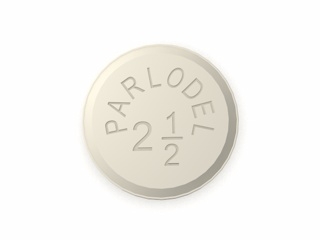


Parlodel® (Bromocriptine) – Patient Information (Australia)
Parlodel® is a brand of bromocriptine, a medicine used for several hormonal and fertility-related conditions and for some neurological disorders. This guide explains how it works, what it’s used for, how it’s usually taken, and important safety information to help you use it more confidently.
Note: Medicines affect people differently. Always follow the advice of your healthcare professional and read the consumer medicine information supplied with your product.
Basic product information
- Medicine name: Parlodel® (bromocriptine)
- Active ingredient: Bromocriptine (typically as the mesylate salt)
- Class: Dopamine agonist (acts on dopamine receptors)
- Common forms: Tablets (strength varies by product packaging)
- Who it’s for: Adults (and some indications in specific age groups, as advised by a clinician)
How Parlodel works (mechanism of action)
Bromocriptine is a dopamine agonist. Dopamine is a natural chemical messenger in the brain and the body. Many body processes—including the release of hormones from the pituitary gland—are influenced by dopamine.
- Reduces prolactin: Bromocriptine stimulates dopamine receptors in the pituitary gland, which reduces prolactin secretion.
- Restores hormonal balance: Lower prolactin can improve symptoms caused by high prolactin levels.
- Helps in Parkinson’s disease: In the brain, bromocriptine activates dopamine receptors to partly mimic dopamine’s effects.
- May support pituitary-related conditions: It can help manage prolactin-secreting pituitary tumours (prolactinomas) and related symptoms.
Pharmacokinetics (how the body handles the medicine)
Pharmacokinetics describes how the body absorbs, distributes, metabolises, and eliminates bromocriptine.
| Parameter | Typical description (general) |
|---|---|
| Absorption | Tablet absorption occurs after oral dosing. Food may affect absorption and tolerability. |
| Onset | Some effects (e.g., reduced prolactin) may occur within hours, while full benefits can take days to weeks. |
| Distribution | Bromocriptine distributes widely in the body, including the central nervous system. |
| Metabolism | Primarily metabolised in the liver (extensively). Many drugs may affect its metabolism. |
| Elimination | Eliminated mainly via metabolic pathways and excreted in urine and faeces (metabolites). |
| Half-life | Half-life can vary between individuals; dosing schedules are often designed to maintain symptom control. |
Practical takeaway: Bromocriptine levels and effects can vary. A clinician may adjust your dose gradually to improve tolerability and effectiveness.
Typical uses and indications
Parlodel is indicated for conditions where controlling prolactin or providing dopamine agonist activity is helpful. Depending on your individual situation, it may be used for:
- Hyperprolactinaemia: High prolactin levels that cause symptoms such as irregular or absent periods, infertility, and galactorrhoea (breast milk discharge).
- Prolactin-secreting pituitary tumours (prolactinomas): To reduce prolactin levels and may shrink tumour size.
- Disorders related to elevated prolactin: Sometimes used when prolactin excess is responsible for symptoms.
- Suppression of lactation: In specific clinical contexts (for example, postpartum lactation suppression in carefully selected circumstances).
- Parkinson’s disease: As a dopamine agonist to help reduce motor symptoms in some patients.
- Adjunct therapy in Parkinson’s disease: Sometimes used with other treatments depending on disease severity and response.
Important: Not every indication applies to every patient. Your healthcare professional will confirm whether Parlodel is appropriate for your condition and will monitor your response.
How to take Parlodel (timing and dosing approach)
Dosing is individualized. The goal is to use the lowest effective dose while minimising side effects. In many cases, your clinician may start with a lower dose and increase gradually.
General timing tips
- Follow your dose schedule exactly.
- Take doses at similar times each day.
- If taking more than one daily dose: Space them evenly according to the schedule provided.
- For some people, taking with food improves stomach comfort.
Typical dosing patterns (examples)
Because dosing depends on the condition (prolactin-related conditions vs Parkinson’s disease vs lactation suppression) and your personal tolerance, below are general patterns rather than a specific prescription schedule.
- Start low, go slow: A gradual titration is common to reduce nausea, dizziness, and low blood pressure.
- Divided doses: For symptom control, your total daily dose may be split into morning and evening doses.
- Monitoring-based adjustments: Prolactin levels, tumour size (where relevant), and symptom response guide dose changes.
Do not change your dose without medical advice. If you miss a dose, follow the guidance provided with your medicine or ask your pharmacist for advice tailored to your regimen.
Food interactions
Food can influence how bromocriptine is tolerated and, in some cases, its absorption. For best tolerance:
- Take with food or after meals if you get nausea.
- Be consistent: Taking it always with food may help you keep the same routine.
- Avoid sudden major dietary changes without discussing with your clinician if you notice changes in side effects or effectiveness.
If you are unsure whether your specific schedule should be taken with or without food, ask your pharmacist for guidance.
Alcohol and medicine interactions
Alcohol
Alcohol may worsen common bromocriptine side effects such as:
- dizziness or light-headedness
- drowsiness
- low blood pressure symptoms
- nausea
Recommendation: Limit alcohol and be cautious, especially when starting or increasing the dose.
Other medicine interactions
Bromocriptine may interact with other medicines that affect dopamine pathways or liver metabolism.
Particular caution is advised if you take medicines such as:
- Antipsychotics and some medicines that affect dopamine signalling (may reduce bromocriptine effectiveness).
- Metoclopramide or similar dopamine antagonists (may oppose effects).
- Strong inhibitors/inducers of liver enzymes (may change bromocriptine levels).
- Blood pressure medicines (combined use may increase risk of low blood pressure).
Always tell your pharmacist or healthcare professional about all medicines you take, including:
- prescription medicines
- over-the-counter medicines
- herbal products (e.g., St John’s Wort)
- supplements
Safety profile and side effects
Most people tolerate bromocriptine, but side effects can occur—particularly during dose increases. Many side effects improve as your body adjusts.
Common side effects
- Nausea
- Dizziness or light-headedness
- Low blood pressure (sometimes on standing)
- Headache
- Fatigue or sleepiness
- Stomach discomfort
- Constipation or appetite changes
Less common but important effects
- Vivid dreams or unusual sleep patterns
- Confusion (more likely in vulnerable individuals or at higher doses)
- Mood changes
- Swelling in some cases
Seek urgent medical help if you experience
- Chest pain, severe shortness of breath, or fainting
- Severe headache (especially sudden or worsening), visual changes, or neurological symptoms
- Signs of an allergic reaction (rash, swelling, difficulty breathing)
- Severe persistent vomiting or dehydration
Special safety considerations (practical awareness)
- Low blood pressure: Stand up slowly, especially after starting or dose increases.
- Sleepiness and alertness: Bromocriptine can affect alertness in some people. Avoid driving or operating machinery until you know how it affects you.
- Impulse-control issues: Some dopamine agonists are associated with behaviours such as compulsive gambling, shopping, eating, or hypersexuality. If you or a family member notices unusual urges, contact a healthcare professional promptly.
Practical use tips (to improve comfort and adherence)
- Start gradually (if titration is planned): Your clinician may increase the dose step-by-step to reduce side effects.
- Take it at a consistent time: Helps maintain steady symptom control.
- Manage nausea: Taking the dose with food and staying well hydrated can help.
- Monitor dizziness: If you feel light-headed, sit or lie down until it passes.
- Use a reminder system: Apps, pill boxes, or pharmacy blister packs can reduce missed doses.
- Keep follow-up appointments: For prolactin-related conditions, lab tests may be used to guide ongoing dosing.
Stopping, missed doses, and dose changes
Do not stop abruptly unless your healthcare professional instructs you. Sudden changes may affect symptoms and can increase discomfort.
- If you miss a dose: Take it when you remember unless it’s close to your next dose. Do not double up.
- If you are unsure: Ask your pharmacist. They can provide guidance based on your dosing schedule.
- When dose adjustments are made: Side effects may reappear temporarily after a change, especially when increasing.
Alternative options
Depending on the condition being treated (prolactin disorders, pituitary tumours, or Parkinson’s disease), your clinician may consider alternatives. Options can include:
- Other dopamine agonists: e.g., cabergoline or quinagolide (availability and suitability vary).
- For certain prolactin-related cases: management may include monitoring, surgery, or radiotherapy in selected patients.
- For Parkinson’s disease: alternative treatments may include levodopa-based therapies, other dopamine agonists, or other medication classes.
Discuss with your clinician which option fits your medical history, lab results, and tolerability profile.
Market and legal context in Australia (general information)
In Australia, medicines are regulated through the Australian Therapeutic Goods Administration (TGA) and must meet quality, safety, and manufacturing standards. Availability of a specific product can depend on its scheduling and prescribing requirements.
Many medicines in this class may be available only with clinician oversight. If you’re purchasing online, ensure the pharmacy is legitimate and authorised to supply to Australia and that you receive the correct product for your needs.
Always check packaging details (active ingredient, strength, and expiry date) when your order arrives.
Recent guidance and monitoring
Clinical practice evolves based on new safety information and updated prescribing recommendations. For dopamine agonists, ongoing guidance typically emphasises:
- Careful dose titration to reduce adverse effects.
- Monitoring for blood pressure changes, especially at the start of treatment.
- Awareness of impulse-control changes and unusual behaviours.
- Regular assessment of treatment response (e.g., prolactin levels in prolactin-related conditions).
Your healthcare professional may recommend periodic reviews, particularly in conditions involving pituitary tumours or long-term Parkinson’s disease management.
Delivery and availability (online pharmacy information)
Parlodel® may be available via approved online pharmacies that supply medicines to customers in Australia. Availability can vary by strength and supply chain.
What to expect when ordering:
- Stock checks: Most reputable services verify inventory before dispatch.
- Dispatch times: Can vary depending on location and whether items are in stock.
- Packaging: Medicines should arrive in secure, original packaging.
- Expiry and batch details: These are typically provided on the product box and/or blister strip.
Tip: If you require a specific strength, it’s helpful to confirm the product details (strength and form) before placing an order.
FAQ – Common questions about Parlodel (bromocriptine)
1) What is Parlodel used for?
Parlodel (bromocriptine) is used for conditions related to high prolactin levels (hyperprolactinaemia) and certain pituitary tumour-related symptoms. It is also used in Parkinson’s disease as a dopamine agonist, and in selected cases for suppressing lactation under clinical guidance.
2) How long does it take to work?
Some effects (especially changes in prolactin levels) may begin within hours to days, but symptom improvement and full treatment effect can take weeks. For Parkinson’s disease, benefits may be noticed over days to weeks depending on dose adjustments.
3) Should I take Parlodel with food?
Many people find that taking bromocriptine with food reduces nausea and stomach discomfort. If your healthcare professional advised otherwise, follow their instructions. Consistency (with or without food) can improve tolerability.
4) Can I drink alcohol while taking Parlodel?
It’s best to limit alcohol. Alcohol can worsen dizziness, drowsiness, and low blood pressure symptoms. If you plan to drink, discuss it with your pharmacist—especially when starting or increasing your dose.
5) What should I do if I feel dizzy?
If you feel light-headed, sit or lie down until it passes. Stand up slowly. If dizziness is severe, persistent, or causes fainting, contact a healthcare professional promptly.
6) Are there medicines I should avoid?
Some medicines may reduce bromocriptine’s effectiveness or increase side effects. Tell your pharmacist about all medicines and supplements you take. Be particularly careful with drugs that affect dopamine signalling (such as some antipsychotics and anti-nausea medicines) and with medicines that may affect liver metabolism.
7) What if I miss a dose?
Take it when you remember unless it’s close to the next dose. Do not double up. If you’re unsure, ask your pharmacist for advice based on your dosing schedule.
8) Is Parlodel safe for long-term use?
Many people use dopamine agonists long-term under clinical supervision. Safety depends on your condition, dose, and monitoring. Regular check-ins help manage side effects and ensure ongoing appropriateness of treatment.
9) Can Parlodel affect driving or work safety?
It can cause sleepiness or dizziness in some people. Until you know how it affects you, avoid driving or hazardous activities. If you notice sudden sleepiness, do not drive and seek medical advice.
10) Are there alternatives if I can’t tolerate it?
Yes. Depending on the condition, clinicians may recommend alternative dopamine agonists or different therapy options. Discuss side effects promptly so your treatment can be adjusted.
Summary
Parlodel® (bromocriptine) is a dopamine agonist used for high prolactin-related conditions and selected neurological conditions such as Parkinson’s disease. It works by stimulating dopamine receptors, which helps reduce prolactin and improve specific symptoms. Because side effects like nausea, dizziness, and low blood pressure can occur—especially during dose increases—taking it consistently (often with food) and following a gradual titration plan can make treatment easier to manage.
If you have questions about interactions, timing, or side effects, consult your pharmacist or healthcare professional before making changes.