Vaniqa (Eflornithine) – Patient-Friendly Guide (Australia)
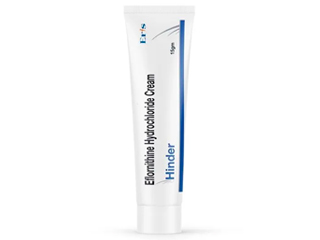
Vaniqa is a prescription skin medicine containing eflornithine, used to reduce the appearance of unwanted facial hair in specific situations. It works by slowing the production of hair at the skin surface, rather than removing hair immediately like waxing or shaving.
This guide explains how Vaniqa works, how it’s used, what to expect, safety information, and practical tips for using it effectively. It is written for people in Australia and includes general information about availability and guidance in that context.
Key Product Information
- Brand name: Vaniqa
- Active ingredient: Eflornithine
- Medicine type: Topical (applied to the skin) cream
- Typical strength: Commonly supplied as a cream formulation (check your local pack for exact concentration)
- Use: Reduces unwanted facial hair in women with certain patterns of persistent facial hair growth
- Important note: Vaniqa helps slow new hair growth. It does not remove existing hair and does not replace hair removal methods
What Vaniqa Is For (Indications)
Vaniqa is used to reduce the appearance of unwanted facial hair in people who meet the appropriate clinical criteria. In practice, it is most commonly used for hirsutism (excess facial hair) where facial hair is persistent and cosmetically distressing.
Vaniqa is intended for use on areas of the face only as directed. It is not a general hair-removal product for the whole body.
How Vaniqa Works (Mechanism of Action)
Eflornithine works by interfering with a natural chemical pathway the body uses to produce hair. Specifically, it inhibits an enzyme involved in production of polyamines—molecules that cells need to grow and divide.
- Slows hair growth: By reducing the activity of hair follicle cells responsible for rapid growth, Vaniqa helps decrease how quickly new hairs appear.
- Topical action: The medicine targets hair growth locally in the skin where it is applied.
- Does not “kill” hair follicles instantly: Hair growth reduction builds gradually over time.
Because it reduces ongoing growth rather than instantaneously removing hair, it is often paired with temporary hair removal methods (such as shaving) early in treatment.
How Long It Takes to Work (Timing & Expectations)
Many people expect immediate results. Vaniqa typically takes time to show clear improvement.
- First noticeable changes: Some improvement may be seen within the first few weeks.
- Typical best results: Often around 4–8 weeks of consistent use.
- Maintenance: Hair growth may return if treatment is stopped, so ongoing use as directed may be required to maintain results.
Practical tip: Take photos in the same lighting each week to objectively track progress.
Pharmacokinetics (Absorption & Processing in the Body)
Because Vaniqa is applied to the skin, only a small amount is typically absorbed into the bloodstream.
- Absorption: Generally low from intact skin when used as directed.
- Distribution: Limited systemic distribution due to low absorption.
- Metabolism & elimination: The body clears absorbed drug over time through normal metabolic and excretion pathways.
These properties support a local effect with a relatively low risk of widespread whole-body effects when used correctly. Individual absorption may increase if the skin is irritated, broken, or covered with occlusive dressings, so it’s important to follow application guidance.
Typical Use & How to Apply Vaniqa
Vaniqa is a cream applied to clean, dry skin.
| Topic | What to expect / practical advice |
|---|---|
| Where to apply | Only to the affected facial areas as directed by your clinician or product instructions. |
| How much | Use a thin layer sufficient to cover the treatment area. Don’t apply thickly or more often than advised. |
| When to apply | Common regimens use two times daily, about 12 hours apart (for example, morning and evening), unless your clinician has specified otherwise. |
| After application | Allow the cream to dry. Avoid washing the treated area immediately after application. |
| Hair removal | Shaving is usually permitted and may be used as usual. Waxing and plucking may irritate skin; consult if unsure. |
Step-by-step routine (example):
- Wash the affected area with a gentle cleanser.
- Pat dry completely.
- Apply a thin layer of cream to the unwanted hair-bearing area.
- Wash hands after applying.
- Let it fully dry before using makeup or other skin products (unless directed otherwise).
Dosing Information (General Guidance)
Dosing should follow your local product instructions and clinician advice. A common approach is:
- Adults: Apply a thin layer to the affected facial area twice daily (approximately 12 hours apart).
- Children/Adolescents: Use depends on age and local guidance; follow clinician advice and product directions.
Do not exceed the prescribed frequency or amount. Using more cream or more often does not usually improve results and may increase irritation.
Food Interactions
Vaniqa is applied to the skin, so food interactions are not expected to be clinically significant. Your diet does not usually affect how Vaniqa works.
If you are taking other medicines, it is still important to consider drug interactions (see “Alcohol and medicine interactions” below), especially if you have other conditions or take multiple therapies.
Alcohol and Medicine Interactions
Alcohol: There is no specific alcohol interaction expected from a topical skin cream when used as directed. However, alcohol may contribute to skin dryness or irritation and can affect how you feel or how your skin responds, especially if you use other alcohol-containing products.
Other medicines: Generally, Vaniqa has a low likelihood of systemic drug interactions due to limited absorption. Still, interactions can occur indirectly via skin irritation or by altering your skin barrier.
- Topical products on the same area: If you use other facial products (for example, retinoids, exfoliants, strong acids, or medicated creams), they may increase irritation when combined with Vaniqa.
- Medicines that affect skin sensitivity: If your skin is already reactive, be cautious when combining new products.
- Tell your pharmacist/clinician about all medicines and skin treatments you use.
Safety Profile & Side Effects
Most people tolerate Vaniqa well, but skin reactions can happen because it is an active topical medicine.
Common side effects
- Skin irritation (burning, stinging, redness)
- Dryness or peeling
- Itching
- Acne-like breakouts or follicular irritation in some people
Less common but important
- Worsening rash or significant swelling
- Severe irritation or blistering (seek advice promptly)
- Eye exposure: burning or watering if the cream accidentally gets in the eyes
When to stop and seek medical advice urgently
Seek urgent advice if you develop signs of a serious allergic reaction such as:
- Swelling of the face, lips, tongue, or throat
- Difficulty breathing
- Widespread hives or severe skin reactions
General safety cautions:
- Do not apply to eyes, eyelids, inside the nose, or mouth.
- Avoid applying to broken or irritated skin unless directed.
- Be careful around hair removal procedures that may damage the skin.
Practical Use Tips for Best Results
Good technique can improve comfort and outcomes.
- Be consistent: Use regularly for the full trial period (often 8 weeks) before judging effectiveness.
- Thin layer only: Too much cream increases irritation risk without improving results.
- Apply to clean, dry skin: Moisture or residue can increase stinging and reduce adherence.
- Moisturise carefully: If your skin feels dry, you may use a gentle moisturiser on non-irritated areas. If you experience irritation, ask a pharmacist whether moisturiser can be used and how to space products in the routine.
- Wash hands: Avoid transferring cream to eyes or other sensitive areas.
- Sun exposure: Vaniqa itself is not a sunscreen, and some people may still be sensitive due to skin irritation. Use sun protection as appropriate for your skin type.
- Avoid occlusion: Don’t cover treated areas with tight bandages or occlusive dressings unless instructed.
Common Questions About Treatment
Can I use makeup?
You can often apply cosmetics after the cream has fully dried. If makeup causes stinging or worsens irritation, consider changing your routine and using a gentle, fragrance-free product.
Can I shave?
Shaving is generally considered compatible with topical hair-growth reduction medicines. Use a gentle technique and avoid shaving over irritated skin.
Why isn’t it working yet?
Because Vaniqa reduces hair growth gradually, results take time. If you see little or no change by around 8 weeks, consult your pharmacist or clinician for review and whether your use technique and schedule are correct.
Will the hair grow back?
Hair growth typically resumes when treatment stops. Maintenance use as advised can help sustain results.
Alternative Options for Unwanted Facial Hair
Depending on your hair pattern, skin type, preferences, and medical history, there are several alternatives.
- Mechanical hair removal: Shaving, trimming, or depilatory creams (may cause irritation; check suitability for facial use).
- Waxing or threading: Can remove hair temporarily, but may cause inflammation in some people.
- Laser or light-based treatments: Often reduces hair long term, especially for suitable skin/hair combinations; requires specialist assessment.
- Hormonal approaches: For some causes of hirsutism, clinicians may use treatments targeting underlying hormonal drivers.
- Other topical agents: There are limited topical options for hair reduction; discuss what is appropriate for your situation.
How to choose: If you want gradual reduction in hair growth on the face, Vaniqa may be an option. If you want more immediate cosmetic removal, mechanical methods or laser-based treatments may fit better—often with different schedules and costs.
Market and Legal Context for Australia (General)
In Australia, medicines such as Vaniqa are supplied through appropriate channels and may be subject to local prescribing, pharmacist guidance, and regulatory requirements. Supply and access can vary between pharmacies and regions.
Online availability may include:
- Listing of the product name and strength
- Pharmacy assessment or document checks before dispensing
- Delivery to eligible areas in line with Australian regulations
Note: Product availability can change over time due to supply, packaging updates, and regulatory factors. Always verify details with the pharmacy.
Recent Guidance & Ongoing Considerations
Clinical and consumer guidance for Vaniqa typically emphasises:
- Appropriate patient selection (for facial hair reduction in suitable cases)
- Realistic expectations (gradual improvement over weeks)
- Proper application (thin layer, on clean dry skin, twice daily)
- Managing irritation with correct skin care and avoiding harsh concurrent products
If you experience persistent or worsening skin reactions, it is important to review your regimen rather than simply stopping and starting repeatedly.
Delivery, Availability & What to Expect When Ordering
Many Australian pharmacies offer delivery for eligible medicines. When available, you can typically expect:
- Packaging: Discreet, protected delivery to help prevent damage.
- Processing time: Confirmed order handling may take place before dispatch.
- Delivery times: Vary by courier and location; regional and remote areas may have different timelines.
Before delivery: Ensure the name, address, and contact details are correct. If the pharmacy needs additional information for safe supply, responding promptly helps avoid delays.
Storage: Follow the storage instructions on the carton (typically at controlled room temperature). Keep the cream out of reach of children.
How to Use Vaniqa Safely (Precautions)
- Patch sensitivity: If you have particularly reactive skin, ask your pharmacist about a safe approach if a patch test is recommended.
- Avoid mucosal areas: Do not apply inside the nose, mouth, or around the eyes.
- Wait between products: If you use other actives (for example, exfoliants), consider spacing application times to reduce irritation.
- Stop and seek advice if severe irritation occurs: Don’t push through intense burning or rash.
FAQ
Is Vaniqa for men or women?
Vaniqa is generally indicated for unwanted facial hair in adults under specified clinical criteria. The exact suitability can depend on your individual situation and local product guidance. Check with a pharmacist or clinician if you are unsure.
How soon will I see results?
Some people notice changes within the first few weeks, but best results are commonly seen after about 4–8 weeks of consistent use.
Should I stop shaving while using Vaniqa?
You typically can continue shaving or trimming as needed for cosmetic reasons. Vaniqa is designed to reduce new hair growth; it doesn’t remove hair immediately.
What if I miss a dose?
Apply it when you remember, unless it is close to the next scheduled dose. Do not apply extra cream to make up for a missed dose.
Can I apply moisturiser at the same time?
It’s usually better to apply Vaniqa and allow it to dry first. If you need moisturiser, use a gentle, fragrance-free product and consider applying it after Vaniqa has fully absorbed. If you experience irritation, ask a pharmacist for a routine that suits your skin.
Can I use other acne treatments or exfoliants?
Some treatments can increase dryness or irritation. If you use strong actives on your face, discuss how to coordinate them with your pharmacist to minimise skin reactions.
Does Vaniqa bleach hair or change its colour?
Vaniqa is intended to slow hair growth and reduce appearance by affecting hair growth processes. It is not a hair-bleaching product.
Is it safe to use on sensitive skin?
Many people tolerate Vaniqa, but sensitivity varies. If you have eczema, frequent facial irritation, or a compromised skin barrier, you may be more likely to react. Consider discussing suitability and skincare routine with a pharmacist.
Will I get withdrawal or rebound effects?
When Vaniqa is stopped, hair growth may return gradually. There is no typical “withdrawal” pattern, but results depend on ongoing use.
Summary
Vaniqa (eflornithine) is a topical cream used to reduce the appearance of unwanted facial hair by slowing hair growth over time. It works locally, and although absorption into the body is generally low, proper application and avoiding irritation are key to success.
- Use as directed—often twice daily on clean, dry facial skin.
- Give it time—4–8 weeks for meaningful improvement.
- Expect gradual changes, not instant hair removal.
- Use gentle skincare and avoid harsh products that may worsen irritation.
If you have questions about suitability, usage, or side effects, speak with a pharmacist or clinician. They can help you build a safe routine based on your skin type and other products you use.