
Panadol (Paracetamol) – Patient-Friendly Guide (Australia)
Panadol is a widely used brand of paracetamol (also known as acetaminophen). It helps relieve common aches and pains and reduces fever. This guide is designed to help you understand how Panadol works, how to take it safely, and what to know about interactions—particularly in an Australian context.
Note: Always follow the instructions on the pack or your pharmacist’s advice. If symptoms persist or worsen, seek medical advice.
Key Product Information
- Active ingredient: Paracetamol (acetaminophen)
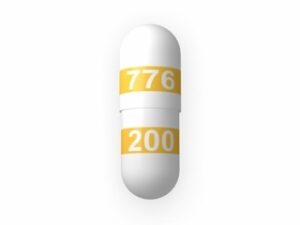
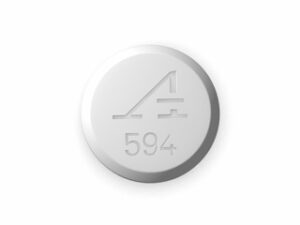
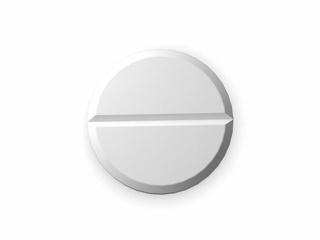
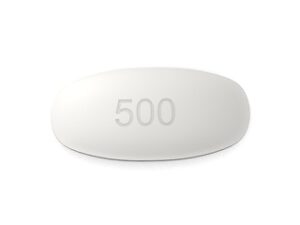
- Common forms: Tablets, caplets, liquid, and soluble forms (availability varies by product)
- Therapeutic uses: Pain relief and fever reduction
- Medicine classification (Australia): Usually available as an over-the-counter non-prescription medicine
How Panadol Works (Mechanism of Action)
Paracetamol is believed to work mainly in the central nervous system (brain and spinal cord). It helps:
- Reduce fever: Paracetamol affects temperature regulation in the brain.
- Relieve pain: It increases the pain threshold, making you feel less pain.
Unlike some anti-inflammatory medicines, paracetamol is not a strong anti-inflammatory. That’s why it’s particularly helpful for general aches, headaches, and fever, and less suited (by itself) for inflammatory conditions where anti-inflammatory treatment may be needed.
Pharmacokinetics (What the Body Does with Paracetamol)
Pharmacokinetics describes how the body absorbs, distributes, metabolises, and eliminates a medicine.
Absorption
After taking paracetamol, it is generally absorbed efficiently from the gastrointestinal tract. Onset of pain/fever relief is often within 30–60 minutes (depending on formulation and individual factors).
Distribution
Paracetamol distributes throughout the body fluids and can cross into the central nervous system.
Metabolism (Liver processing)
Most paracetamol is processed in the liver. A small portion is converted into a reactive metabolite that is normally neutralised by body stores (including glutathione). This is one reason why excess dosing or combination with certain substances can be dangerous.
Elimination
Paracetamol and its metabolites are mainly excreted via the kidneys (urine). The typical half-life in adults is often around a few hours, but it can vary with age, liver function, and other factors.
Typical Uses in Adults and Children
Panadol is used to relieve symptoms such as:
- Headaches and migraine-associated pain
- Toothache and post-dental discomfort
- Muscle aches and sprains
- Back pain (symptomatic relief)
- Painful colds and flu symptoms, including fever
- Period pain (for appropriate users)
- Arthralgia/arthritis pain (pain relief; consult clinician if persistent)
- Fever (including after vaccinations, when appropriate)
Panadol can be used for both short-term and occasional symptom relief. If you need it regularly for ongoing pain, it’s worth discussing your symptoms with a healthcare professional.
Indications (When to Use Panadol)
Paracetamol is indicated for the temporary relief of:
- Pain of mild to moderate severity
- Fever
It is helpful when pain or fever needs symptomatic treatment. It does not treat the underlying cause of infection or injury.
How and When to Take Panadol (Timing & Practical Guidance)
Always follow the dosing instructions on the pack for your specific Panadol product (strength and frequency vary by formulation).
General timing
- Paracetamol doses are commonly taken every 4 to 6 hours as needed, depending on the product.
- Do not exceed the maximum daily dose stated on the label.
- If you miss a dose, take it when you remember, but do not double to make up for it.
What to expect
- Pain relief and fever reduction often start within about an hour.
- If fever persists beyond a few days or pain lasts longer than expected, consider medical review.
Can I take it with food?
Yes. Paracetamol can generally be taken with or without food.
Food Interactions
Paracetamol does not have major food-drug interactions for most people.
- With meals: Taking Panadol with food is usually fine if it helps you remember or reduces stomach discomfort.
- Fasting/poor intake: If you are not eating well or are dehydrated, you may be at higher risk if you also drink alcohol or have liver vulnerability. Follow label maximums carefully.
If you have liver disease, regular alcohol use, or are underweight/malnourished, discuss safe dosing with a healthcare professional.
Alcohol and Panadol: Important Safety Information
Be cautious with alcohol. Paracetamol is processed by the liver, and heavy alcohol use can increase the risk of liver injury—especially with higher doses or prolonged use.
- Avoid excessive alcohol while taking paracetamol.
- If you drink alcohol regularly (including “binge” drinking episodes), ask a clinician or pharmacist about safe use.
- Do not exceed the recommended dose, and avoid taking multiple paracetamol-containing products.
If you suspect an overdose or someone has taken more than recommended, seek urgent help immediately (see “Overdose risk” in the safety section).
Medicine Interactions (Other Medicines with Paracetamol)
Some medicines can affect how paracetamol is metabolised or can increase risk to the liver or overall side effects.
Common categories to consider
- Other paracetamol-containing products: Cold/flu remedies often contain paracetamol—double-dosing is a common cause of unintentional overdose.
- Warfarin (and other blood thinners): Regular, prolonged paracetamol use may increase bleeding risk in some people. Occasional use is often used safely, but consult advice for long-term patterns.
- Some anti-seizure medicines (e.g., phenytoin, carbamazepine) may reduce paracetamol effectiveness and/or alter metabolism.
- Medicines affecting liver enzymes (some antibiotics and other drugs) can change paracetamol processing.
- Alcohol and fasting can increase risk even if no medication interactions are involved.
Practical interaction tips
- Before combining products, check labels for paracetamol/acetaminophen.
- If you’re taking multiple medicines, consult a pharmacist to check compatibility.
Dosing (Adults and Children) – Follow the Label
Dosing depends on age, weight, and the specific Panadol product strength (for example, regular tablets vs. liquid vs. soluble forms). Always use the dose written on the product packaging.
Adults (general guidance)
- Doses are typically taken at intervals such as 4–6 hours as needed.
- Maximum daily dose: Must match the label for your particular product.
Children
- Children’s dosing is often based on body weight and uses a children’s formulation.
- Use only a product intended for children and measure liquids carefully with an appropriate device.
Older adults and people with liver risk
- Lower dosing may be required for some people, depending on liver function and overall risk.
- Discuss with a pharmacist or doctor if you have liver disease or consume alcohol regularly.
Important: Do not exceed the maximum daily dose on the pack. Taking more does not necessarily work better and can increase the chance of serious harm.
Safety Profile (What to Know Before You Take Panadol)
For most people, paracetamol at recommended doses is well tolerated. However, safety depends heavily on dose accuracy and avoiding duplicate products.
Common side effects
- Generally, side effects are uncommon at recommended doses.
- Some people may experience mild nausea or skin reactions, but serious reactions are rare.
Serious risks (especially from overdose)
The main serious risk is liver damage, particularly from:
- Taking too much paracetamol
- Combining multiple products containing paracetamol
- Using alcohol excessively during paracetamol treatment
- Using paracetamol over many days at higher-than-recommended doses
Overdose risk and what to do
If you or someone else may have taken more than the recommended dose, seek urgent medical attention immediately even if you feel well. Liver injury may not cause immediate symptoms.
Who should be extra cautious
- People with liver disease or hepatitis
- People who drink alcohol regularly or heavily
- People who are malnourished or have low body weight
- Anyone taking multiple medicines that may contain paracetamol
Practical Use Tips (Get the Best and Safest Results)
- Check the label every time: Panadol comes in different strengths and forms.
- Don’t double up: Many cold and flu products contain paracetamol. Read the active ingredients list.
- Use a dosing tool: For liquid forms, use a proper oral syringe or measuring cup.
- Take at the right interval: Follow the spacing on the pack (commonly 4–6 hours, depending on product).
- Hydrate when feverish: Drink fluids and monitor symptoms.
- Consider non-medicine steps: For pain and fever, rest, hydration, and gentle supportive care can help.
When to seek medical advice urgently: If you develop symptoms such as severe abdominal pain, vomiting that won’t stop, yellowing of skin/eyes, confusion, or signs of allergic reaction (such as swelling or breathing difficulty), get urgent help.
Alternative Options (Depending on Your Symptoms)
Panadol is one option for pain and fever. Alternatives may include:
- Ibuprofen (anti-inflammatory pain relief): useful for some inflammatory aches and some types of fever. Not suitable for everyone (e.g., certain stomach, kidney, or asthma conditions).
- Combination products: some pain/flu products include paracetamol with other ingredients. These can be helpful but require careful label checks to avoid exceeding paracetamol limits.
- Non-medicine measures:
- Cold/warm compresses
- Rest and pacing
- Stretching for muscle-related discomfort
- Oral care measures for toothache (temporary relief while arranging dental care)
If symptoms are persistent (e.g., pain lasting more than several days without improvement or fever lasting beyond a few days), consider professional advice to identify the cause.
Panadol in the Australian Market & Legal/Regulatory Context
In Australia, medicines like paracetamol are regulated under the TGA (Therapeutic Goods Administration) framework. Many paracetamol products are supplied as over-the-counter medicines, which means they are intended for use according to pack directions for self-care.
Australian consumers are encouraged to:
- Read the label carefully, including maximum daily doses.
- Check “active ingredients” to avoid accidental duplication with cold/flu products.
- Keep track of total intake across all products.
Because accidental overuse is a known issue internationally and in Australia, packaging and pharmacy advice emphasise safe dosing and identification of paracetamol-containing products.
Recent Guidance & Safety Messaging (Australia-Focused)
While guidance can evolve, key recurring public health messages in Australia generally include:
- Be vigilant about combination cold/flu products that may already contain paracetamol.
- Do not exceed label maximum doses, even if symptoms feel stronger than expected.
- Seek urgent help after suspected overdose—early treatment is crucial for liver protection.
- Talk to a pharmacist if you have liver conditions, take other medications long-term, or drink alcohol regularly.
If you’re unsure which Panadol product strength you have, or how it fits with other medicines, a pharmacist can help you confirm safe dosing.
Delivery and Availability (Online Pharmacy in Australia)
Panadol is widely available through pharmacies and many reputable online retailers across Australia. Stock may vary by:
- Product format (tablets, caplets, liquid, soluble forms)
- Strength and pack size
- Seasonal demand (e.g., during cold and flu season)
Delivery typically includes: secure packaging, clear product labels, and information on safe use. Delivery times vary based on your location and shipping method. You should also check any store-specific policies regarding age restrictions for certain products and delivery areas.
To help you choose the right option, consider selecting the product that matches your needs (for example, liquid formulations for children, or specific strengths for adults).
FAQ – Common Questions About Panadol (Paracetamol)
1. Is Panadol the same as paracetamol?
Yes. Panadol is a brand name that contains paracetamol as the active ingredient.
2. Can I take Panadol with other medicines for cold and flu?
Be careful. Many cold and flu products contain paracetamol. Combining them may unintentionally exceed the maximum daily dose. Always check labels for “paracetamol” or “acetaminophen”. If unsure, ask a pharmacist.
3. How long does Panadol take to work?
Many people begin to feel relief within 30–60 minutes. The exact timing depends on the formulation and individual factors.
4. What if my fever or pain doesn’t improve?
If fever lasts longer than a few days, or pain persists, worsens, or keeps returning, consider seeking medical advice. Ongoing symptoms may need evaluation to identify the cause.
5. Can I take Panadol on an empty stomach?
Generally, yes. Paracetamol can be taken with or without food. If it upsets your stomach, taking it with food may help.
6. Is Panadol safe to use with alcohol?
It’s best to be cautious. Excessive alcohol increases the risk of liver injury. Do not exceed the recommended dose, and avoid heavy drinking while using paracetamol.
7. What’s the biggest danger with paracetamol?
The main risk is overdose leading to liver damage. This can happen from taking too much or combining multiple paracetamol-containing products.
8. Can I use Panadol during pregnancy or breastfeeding?
Many people use paracetamol when needed during pregnancy or breastfeeding. However, the safest approach is to use the lowest effective dose for the shortest time. If you are pregnant or breastfeeding, speak with a pharmacist or clinician for personalised guidance.
9. What should I do if a child accidentally takes too much?
Seek urgent medical help immediately. Dose errors can be dangerous. Even if the child seems fine, treatment may be time-sensitive.
10. Are there any lifestyle tips while using Panadol?
Rest, hydration, and monitoring symptoms can improve comfort. If you have ongoing pain, consider gentle movement, supportive care, and getting the underlying cause checked.
Summary
Panadol (paracetamol) helps relieve mild to moderate pain and reduces fever by acting mainly in the brain. It’s generally safe when used as directed, but safety depends on accurate dosing and avoiding duplicate paracetamol products—especially in cold and flu combinations. If symptoms persist or you are concerned about dosing, a pharmacist is a helpful first step.
Always read the pack: use the directions for your specific Panadol product and do not exceed the maximum daily dose.