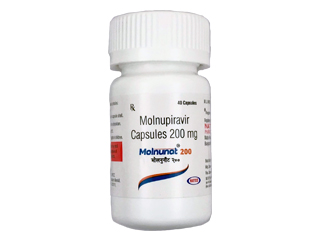

Molnunat (Molnupiravir) – Patient Information (Australia)
Molnunat contains molnupiravir, an antiviral medicine used to treat certain adults with COVID‑19. This page explains how it works, how it is used, what to expect, key safety information, and practical tips for getting the most benefit from treatment.
Note: Always follow the instructions provided with your medicine and the advice of your healthcare professional.
Basic product information
- Brand name: Molnunat
- Generic name: Molnupiravir
- Medicine type: Antiviral (direct-acting)
- What it is used for: Treatment of mild-to-moderate COVID‑19 in eligible adults, when started early
- Typical course length: 5 days
How Molnunat works (mechanism of action)
Molnupiravir is a nucleoside analogue. After you swallow it, your body converts it into an active form. The active metabolite is then incorporated into the genetic material (RNA) of the SARS‑CoV‑2 virus.
This incorporation leads to errors during viral replication. As a result, the virus produces faulty copies of itself and is less able to multiply effectively, helping to reduce viral load and potentially lower the severity of illness.
Pharmacokinetics (how the body handles the medicine)
Pharmacokinetics describes what happens to a medicine after it is taken—absorption, conversion to active forms, distribution, and elimination. While exact figures can vary between individuals, the main points for patients are:
- Absorption: Molnupiravir is absorbed after oral administration.
- Activation: It is rapidly metabolised into its active ribonucleoside forms.
- Distribution: Active drug forms reach tissues where viral replication occurs.
- Elimination: Active metabolites and breakdown products are cleared primarily through metabolism and excretion pathways.
Clinical relevance: Because molnupiravir’s benefit depends on limiting early viral replication, starting treatment promptly after symptom onset is important.
Typical use in COVID‑19
Molnunat is used for the treatment of mild-to-moderate COVID‑19 in adults who are at higher risk of progressing to severe disease. It is generally considered when treatment can be started early and when other options are unsuitable.
The medicine is intended to be used as part of early outpatient management. It is not the same as vaccination and does not replace preventive measures or supportive care.
Indications (who it may be suitable for)
In Australia, guidance for the use of antivirals can change as evidence and policy evolve. Molnupiravir may be considered for:
- Adults with confirmed or highly suspected COVID‑19
- Mild-to-moderate illness (not requiring high-level hospital respiratory support at presentation)
- Higher risk of disease progression (for example, older age and/or medical conditions that increase risk)
Eligibility details depend on clinical factors and current Australian recommendations at the time of treatment.
Dosing and timing
Standard adult course: Molnunat is usually taken as 800 mg (four 200 mg capsules) twice daily for 5 days.
How to take it:
- Take the first dose as soon as possible after your clinician assesses you as eligible.
- Typical timing: two doses per day, approximately 12 hours apart.
- Complete the full 5-day course, even if you start feeling better.
Key timing point: Antiviral effectiveness is generally greatest when started early in the course of illness—commonly within the first few days of symptom onset (often within 5 days). Follow current advice given to you.
Food interactions and what to eat with Molnunat
Molnupiravir can generally be taken with or without food. Food does not usually require special restrictions.
For comfort and adherence:
- Choose a time you can remember (for example, with breakfast and dinner).
- If nausea occurs, taking doses with a light meal may help.
If you have swallowing difficulties or gastrointestinal sensitivity, ask a healthcare professional for practical advice.
Alcohol and medicine interactions
Alcohol
There is no widely established “direct” interaction between molnupiravir and alcohol. However, drinking alcohol during illness can:
- worsen dehydration
- interfere with sleep and recovery
- increase risk of side effects such as nausea or dizziness
Practical recommendation: To support recovery, avoid or limit alcohol during your illness and while you’re on treatment.
Interactions with other medicines
Molnupiravir has the potential to interact with some medicines due to absorption/metabolism pathways. Interaction risks can depend on your specific medicines and health conditions.
Tell your healthcare professional or pharmacist about all medicines you take, including:
- prescription medicines
- over-the-counter products
- herbal preparations
- vitamins or supplements
If you take medicines for chronic conditions, it is usually still possible to use molnupiravir safely, but a check for interactions is important.
Safety profile and side effects
Like all medicines, Molnunat can cause side effects. Many people experience mild or moderate effects that resolve after the course is completed.
Common side effects
- Nausea
- Diarrhoea
- Dizziness
- Headache
Seek urgent medical help if
- you develop signs of a severe allergic reaction (e.g., swelling of face/lips, difficulty breathing, widespread rash)
- symptoms become worse rapidly or you develop new severe symptoms (for example, significant shortness of breath, chest pain, confusion, or bluish lips/face)
Who should take extra care
- Pregnancy or planning pregnancy: Molnupiravir has raised concerns related to embryo-fetal risk based on available data. It is generally used only when benefits outweigh risks, guided by current medical advice.
- Breastfeeding: Discuss breastfeeding guidance with a healthcare professional.
- Children and adolescents: Use may be restricted outside adult indications.
- Severe kidney or liver impairment: Eligibility and safety considerations may apply; clinicians may adjust choice of therapy.
Always review your individual situation with a healthcare professional, particularly if you are pregnant, breastfeeding, or have significant organ impairment.
Practical use tips (to get the best results)
- Start on time: The earlier the treatment begins in your illness, the better the chance of benefit.
- Use reminders: Set alarms for morning and evening doses (aim for ~12 hours apart).
- Do not skip doses: If you miss a dose, follow the guidance provided by your pharmacist or medicine instructions. In general, take it when you remember unless it’s almost time for the next dose.
- Complete the course: Finish all doses even if symptoms improve quickly.
- Hydrate: Drink fluids regularly, especially if you experience diarrhoea or nausea.
- Monitor symptoms: If you worsen or develop breathing difficulty, seek medical care immediately.
- Prevent spread: Continue following Australian public health advice on isolation and masking while you are infectious.
What to expect during treatment
Many people notice symptom changes within a few days, but COVID‑19 can vary widely by individual. Molnupiravir’s goal is to reduce viral replication during the early phase.
Call for advice if you:
- are unable to keep tablets/capsules down
- have persistent vomiting or severe diarrhoea
- feel significantly worse after starting treatment
Alternative options
Depending on eligibility, timing, and available resources, other COVID‑19 treatments may be considered in Australia. Common alternatives include:
- Nirmatrelvir/ritonavir (an oral antiviral; interactions with other medicines can be a key consideration)
- Remdesivir (given by infusion in selected settings)
- Monoclonal antibodies (availability and suitability depend on circulating variants and updated guidance)
- Supportive care (e.g., hydration, fever management, monitoring)
Your best option depends on factors such as timing since symptom onset, kidney/liver function, drug–drug interactions, and current Australian guidance.
Market and legal context for Australia
In Australia, medicines for COVID‑19 are supplied according to regulatory approvals, clinical guidance, and program availability. The use of antivirals is typically targeted to those at higher risk of deterioration and is guided by national and state/territory clinical advice.
Availability may change over time due to:
- updated clinical evidence
- variant patterns and effectiveness data
- government and health service supply arrangements
- regulatory status and prescribing/dispensing rules
For the most up‑to‑date information, check with your local pharmacy or healthcare provider and refer to current Australian guidance from relevant health authorities.
Recent guidance (what typically matters)
Although recommendations can update, key themes in recent Australian guidance for early COVID‑19 antivirals usually include:
- Early treatment is critical (starting within the recommended window after symptoms begin).
- Risk stratification (priority for adults at higher risk).
- Choice of antiviral may depend on interactions and comorbidities.
- Monitoring and escalation if symptoms worsen.
Your clinician/pharmacist can confirm which treatment is most appropriate for you based on current recommendations and your medical profile.
Delivery and availability
Availability of Molnunat may be limited and can depend on supply and eligibility criteria. Many online pharmacies in Australia arrange delivery for time-sensitive treatments.
- Delivery speed: Delivery times may vary by location and courier provider.
- Order timing: Because starting treatment early matters, place your order as soon as possible after eligibility is confirmed.
- Packaging: Medicines should arrive in secure packaging and be checked on arrival.
- Storage: Store as directed on the label/carton (commonly at room temperature unless otherwise stated).
If you have questions about dispatch times or stock availability, contact the pharmacy team before ordering.
Dose summary table
| Topic | Typical guidance for adults |
|---|---|
| Course length | 5 days |
| Daily dosing | Twice daily |
| Single dose | 800 mg (commonly four 200 mg capsules) |
| Timing between doses | Approximately 12 hours apart |
| With food | With or without food |
| Best results | Start as early as recommended after symptom onset |
FAQ
1) How quickly should I start Molnunat after symptoms begin?
Molnupiravir is intended for early COVID‑19 management. In practice, starting within the recommended window (commonly within the first 5 days of symptoms) offers the best chance of benefit. Ask your healthcare professional/pharmacist for the exact timing based on current guidance and your situation.
2) Can I take Molnunat with food?
Yes. Molnupiravir can usually be taken with or without food. If you experience nausea, taking it with a light meal may be easier.
3) What if I miss a dose?
Follow the instructions provided with your medicine or by your pharmacist. Generally, if you remember soon, take it; if it’s close to the next scheduled dose, skip the missed dose and continue your regular schedule. Do not double up unless advised.
4) Can I drink alcohol while taking Molnunat?
It’s best to avoid or limit alcohol while you’re unwell. While a direct interaction may not be well known, alcohol can worsen dehydration and recovery and may increase side effects such as nausea or dizziness.
5) What side effects should I watch for?
Common side effects include nausea, diarrhoea, dizziness, and headache. Seek urgent help if you develop signs of a severe allergic reaction or if your COVID‑19 symptoms worsen significantly.
6) Is Molnunat suitable for children or teenagers?
Molnupiravir is generally indicated for adults. Use in younger people depends on eligibility and updated guidance. Discuss with a healthcare professional for age-specific advice.
7) Can I take Molnunat if I’m pregnant or breastfeeding?
Molnupiravir may pose risks during pregnancy based on available data. Breastfeeding guidance may also apply. It should only be used when the benefits outweigh potential risks and based on current medical advice.
8) Does Molnunat replace vaccination?
No. Molnunat is a treatment for active illness in eligible people. Vaccination remains important for prevention.
9) How long does it take to work?
Molnupiravir works by reducing viral replication; it does not act instantly like a symptom-reliever. Some people notice improvement within days, but recovery varies. Contact a healthcare professional if symptoms worsen.
10) What are the alternatives if Molnunat isn’t suitable?
Other options may include nirmatrelvir/ritonavir, remdesivir, or other supportive measures depending on availability, timing, and your medical profile. Your pharmacist or clinician can discuss the best alternative for you.
Last updated: Always refer to the latest instructions on your medicine label and current Australian health guidance. If you have questions about suitability, dosing, or interactions with your other medicines, speak with a healthcare professional or pharmacist.