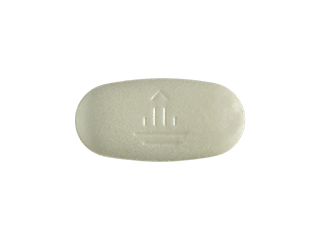


Micardis (Telmisartan) – Patient Information (Australia)
Micardis is a medicine containing telmisartan, used to treat high blood pressure and help reduce strain on the heart. This page provides clear, patient-friendly information about how Micardis works, how it’s used, what to expect, and key safety considerations.
This information is general and may not cover every situation. Always follow the advice provided by your healthcare professional and read the Consumer Medicine Information (CMI) supplied with your medicine.
1. Basic Product Information
| Product | Active ingredient | Common form | How it’s used |
|---|---|---|---|
| Micardis | Telmisartan | Tablets (strengths vary by brand packaging) | Taken once daily for blood pressure control |
- Medicine class: Angiotensin II receptor blocker (ARB)
- Typical dosing schedule: Usually once daily
- Therapeutic goals: Lower blood pressure, reduce cardiovascular risk in selected patients
2. What Micardis Is Used For
Micardis is commonly used for:
- Essential (primary) hypertension: To lower high blood pressure.
- Cardiovascular risk reduction (selected adults): Telmisartan may be used in certain people at higher cardiovascular risk when clinically appropriate, as determined by their treating doctor.
Important note: The exact indication for your situation depends on your medical history, risk factors, and other medications.
3. How It Works (Mechanism of Action)
Telmisartan belongs to the ARB class. It works by blocking the action of angiotensin II, a natural substance that narrows blood vessels and increases blood pressure.
- Vessel relaxation: By blocking angiotensin II at its receptor (AT1), blood vessels relax.
- Lower blood pressure: This reduces resistance in the blood vessels, helping to lower blood pressure.
- Heart workload: Reduced pressure can decrease the workload on the heart over time.
4. Pharmacokinetics (How the Body Handles Telmisartan)
Pharmacokinetics describes what happens to a medicine after you take it—absorption, distribution, metabolism, and elimination.
- Absorption: Telmisartan is absorbed from the gastrointestinal tract after oral dosing.
- Peak levels: Maximum blood levels typically occur within several hours after a dose.
- Food effects: Food may reduce the rate and extent of absorption in some people, which can slightly affect blood levels (details in the “Food interactions” section).
- Distribution: Telmisartan is highly bound to plasma proteins.
- Metabolism: It is metabolised mainly through conjugation (often described as glucuronidation).
- Elimination: It is eliminated largely via bile into the faeces; a smaller amount is excreted in urine.
Clinical implication: Because telmisartan is designed for long-lasting receptor blockade, many people take it once daily.
5. Timing: When to Take Micardis
Micardis is usually taken once daily, at approximately the same time each day.
- Morning or evening: Choose a time that suits your routine. Consistency matters most.
- If you miss a dose: Take it when you remember unless it’s close to the next scheduled dose. Do not take a double dose to make up for a missed tablet.
- Steady effect: Blood pressure improvements are typically seen within days, with maximal benefit often developing over several weeks.
6. Food Interactions
Telmisartan can be taken with or without food, but food may influence absorption.
- Effect of meals: Taking telmisartan with food may reduce the extent of absorption compared with fasting.
- Practical approach: To minimise day-to-day variability, many people choose a consistent routine (either always with meals or always on an empty stomach), unless your healthcare professional advises otherwise.
Gastrointestinal sensitivity: If you experience nausea or stomach discomfort, consider discussing timing with your pharmacist or doctor.
7. Alcohol and Medicine Interactions
Alcohol can lower blood pressure and may increase dizziness, especially after starting or increasing the dose.
- Alcohol with Micardis: Some people may feel light-headed, especially when standing up.
- Safer use: Keep alcohol intake moderate and be cautious with sudden changes in position (e.g., standing quickly).
Other interactions to watch: Micardis may interact with certain medicines affecting kidney function, potassium levels, or blood pressure (see “Medicine interactions” below).
8. Medicine Interactions (Including Key High-Risk Combinations)
Some medicines can change how Micardis works or increase the risk of side effects. Tell your healthcare professional about all medicines you take, including over-the-counter products and supplements.
Common interaction themes:
- Potassium changes: Telmisartan can increase potassium. Combined use with certain drugs may raise potassium further.
- Kidney function changes: Some combinations can reduce kidney blood flow, especially when dehydrated.
- Blood pressure effects: Combining with other blood pressure-lowering medicines can increase the risk of low blood pressure.
Examples of medicines to discuss:
- Potassium supplements and potassium-containing salt substitutes
- Diuretics (especially potassium-sparing types)
- Non-steroidal anti-inflammatory drugs (NSAIDs) such as ibuprofen, naproxen, and diclofenac (especially frequent or high-dose use)
- Other RAAS medicines (medicines that affect the renin–angiotensin–aldosterone system), such as:
- ACE inhibitors (e.g., perindopril, lisinopril)
- Other ARBs
- Lithium (requires careful monitoring)
- Diabetes medicines (monitor glucose if relevant, particularly if symptoms occur)
Always consult: Your pharmacist can help check interactions based on your medication list.
9. Dosing: Typical Adult Use
Dose requirements vary by person. The information below reflects common patterns. Your prescriber will tailor it to your needs.
- Hypertension: Treatment typically starts at a low-to-moderate dose and may be adjusted based on blood pressure response.
- Cardiovascular risk reduction (selected patients): Dose and suitability depend on overall health and risk factors.
General principles:
- Once daily dosing is common.
- Doses may be increased stepwise to reach target blood pressure.
- Renal impairment: Your healthcare professional may consider dose suitability and may require more frequent blood tests.
- Older adults: May need careful monitoring for dizziness and kidney function.
Do not change your dose without guidance. If your blood pressure is too low or you experience symptoms such as fainting, contact a healthcare professional.
10. Safety Profile and Side Effects
Most people tolerate Micardis well. However, as with all medicines, side effects can occur. Some effects are mild and temporary, while others require prompt medical attention.
Common or mild side effects
- Dizziness or light-headedness
- Fatigue
- Headache
- Low blood pressure (especially when standing)
Less common but important side effects
- High potassium (hyperkalaemia): may not cause symptoms, but blood tests can detect it
- Changes in kidney function: particularly in vulnerable people (e.g., dehydration, kidney artery issues)
Seek urgent medical advice
Contact urgent services or seek immediate medical attention if you experience signs of a serious allergic reaction:
- Swelling of the face, lips, tongue, or throat
- Difficulty breathing or swallowing
- Severe or widespread rash
When to be extra careful
- Pregnancy: Telmisartan can harm an unborn baby. It must not be used during pregnancy.
- Breastfeeding: Discuss with your healthcare professional for guidance.
- Dehydration or vomiting/diarrhoea: This can increase risk of kidney problems or low blood pressure.
- Stenosis of renal arteries or significant kidney disease
- Uncontrolled diabetes or high-risk cardiovascular conditions
11. Practical Use Tips (How to Get the Best Results)
- Take it daily: Consistent use helps maintain steady blood pressure control.
- Monitor blood pressure: Home readings can help you and your clinician understand how well it’s working.
- Stand up slowly: If you feel dizzy, move slowly when standing—especially after taking the dose.
- Attend blood tests: Your doctor may check kidney function and potassium levels, particularly when starting or adjusting dose.
- Hydration: Drink adequate fluids during hot weather and if you’re ill—unless you’ve been told to restrict fluids.
- Keep a medication list: Include the names of all medicines, supplements, and over-the-counter products.
Managing missed doses: If you miss a dose, take it when you remember unless it’s nearly time for the next one. If in doubt, ask your pharmacist.
12. Alternative Options (If Micardis Isn’t Suitable)
Depending on your medical history, alternative blood pressure or cardiovascular risk-lowering options may include:
- Other ARBs (same medicine class, different active ingredient)
- ACE inhibitors (another RAAS medicine class; may cause different side effects such as cough)
- Calcium channel blockers
- Thiazide-like diuretics
- Beta-blockers or other targeted medicines for specific cardiovascular conditions
Important: Alternatives should be chosen by your healthcare professional. Switching within classes or combining medicines may change the risk profile and monitoring needs.
13. Market and Legal Context in Australia
Micardis (telmisartan) is an established medicine in Australia and is supplied through regulated channels.
- Australian medicines framework: In Australia, medicines are regulated by the Therapeutic Goods Administration (TGA).
- Product information: The Consumer Medicine Information (CMI) and Product Information (PI) describe approved indications, dosing, and safety details.
- Quality and supply: Reputable pharmacies supply approved brands from legitimate distribution networks to support safety, consistency, and traceability.
Recent guidance (general themes): Ongoing clinical guidance in Australia and internationally emphasises:
- Monitoring kidney function and potassium for RAAS medicines in appropriate patients
- Avoiding use during pregnancy
- Reassessing high-risk medication combinations (e.g., NSAIDs plus RAAS medicines in certain settings)
Tip: If you’re starting telmisartan or changing dose, ask your doctor or pharmacist whether you should have baseline blood tests and when follow-up testing is recommended.
14. Delivery and Availability (Online Pharmacy Considerations)
Micardis may be available from online pharmacies depending on stock levels, brand/strength, and Australian regulations. Delivery options commonly include:
- Standard delivery: Typically several business days
- Express delivery: Faster dispatch options may be available
- Packaging: Medicines are usually supplied in manufacturer packaging with label details for safe identification
What to check before ordering:
- Confirm the strength (mg) and quantity you need.
- Ensure your delivery address is correct, including postcode.
- Be available for delivery if the service requires signature.
- Store tablets as directed on the pack (typically at room temperature, away from moisture and heat).
15. Frequently Asked Questions (FAQ)
How long does Micardis take to work?
Many people notice blood pressure reduction within days. The full effect can take several weeks. If your blood pressure readings don’t improve after the expected time, contact your healthcare professional.
Can I take Micardis at the same time each day?
Yes. Once-daily dosing is designed for consistent daily use. Choose a time you can reliably remember (morning or evening).
Should I take Micardis with food?
You can take it with or without food. Food may slightly change absorption. For consistency, many people take it the same way each day.
What happens if I miss a dose?
Take it when you remember unless it’s almost time for the next dose. Don’t take a double dose to catch up.
Will Micardis make me urinate more?
Micardis is not a typical “water tablet.” You may not notice increased urination. If you do, discuss it, especially if you also have swelling or changes in fluid balance.
Can I drink alcohol while taking Micardis?
Alcohol may increase the chance of dizziness or low blood pressure. Keep intake moderate and be careful when standing up.
Does Micardis affect potassium or kidney function?
It can. Telmisartan may raise potassium and can affect kidney function in certain people. Your doctor may recommend blood tests, particularly after starting or dose changes.
Are there medicines I should avoid?
Be cautious with potassium supplements, potassium salt substitutes, NSAIDs (frequent/high dose), and some other RAAS medicines. Always share your medication list with your pharmacist for a tailored interaction check.
Can Micardis be used in pregnancy?
No. Telmisartan must not be used during pregnancy because it can harm the unborn baby. If you become pregnant or are planning pregnancy, speak with your healthcare professional immediately.
What should I do if I feel dizzy?
If you feel light-headed, sit or lie down until it passes. Dizziness can occur at the start of treatment or with dose changes. Seek advice if symptoms persist or worsen.
What are some common alternatives to telmisartan?
Alternatives depend on your condition and overall health and may include other ARBs, ACE inhibitors, calcium channel blockers, diuretics, or beta-blockers—chosen by your healthcare professional.
16. Summary
Micardis (telmisartan) is an ARB medicine used to treat high blood pressure and, for some patients, reduce cardiovascular risk. It works by blocking the effects of angiotensin II, helping relax blood vessels and lower blood pressure. Telmisartan is typically taken once daily, with food having a possible influence on absorption. As with many RAAS medicines, monitoring kidney function and potassium may be needed for some people—especially when starting therapy, adjusting dose, or using certain interacting medications.
If you have questions about dosing timing, side effects, or interactions, speak with your pharmacist or healthcare professional before making changes.