
Flexeril (Cyclobenzaprine Hydrochloride) – Patient Information (Australia)
Flexeril is a medicine used to relieve muscle spasm and associated pain. It contains cyclobenzaprine hydrochloride, a medication that works on the central nervous system to help relax overly tense muscles.
This guide is written to be patient-friendly and covers how Flexeril works, how it’s used, common side effects, important safety information, and practical tips. It also includes Australia-specific market and legal context and frequently asked questions.
Basic product information
| Item | Details |
|---|---|
| Medicine name | Flexeril |
| Active ingredient | Cyclobenzaprine hydrochloride |
| Medicine type | Muscle relaxant (centrally acting) |
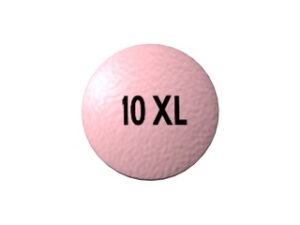
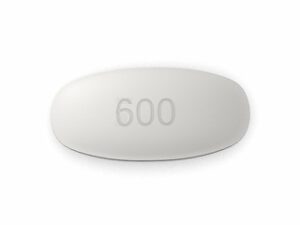
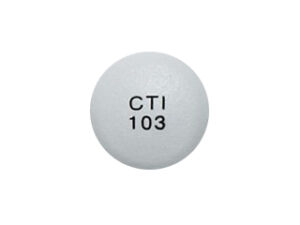
| Common dosage forms | Tablets (strength varies by product) |
| Typical duration of use | Short-term use for acute muscle spasm (as directed by a healthcare professional) |
Note: Strengths and pack sizes can vary. Always check the label or product information sheet provided with your specific supply.
What Flexeril does (mechanism of action)
Cyclobenzaprine helps reduce muscle spasm. It is thought to act mainly in the brain and spinal cord to:
- Decrease muscle tone and tension
- Reduce spasms and painful muscle tightness
- Influence pain pathways that contribute to discomfort during muscle strain
Flexeril is best thought of as a symptom-relief medicine that complements other measures such as rest, heat/cold therapy, gentle movement, and physiotherapy/rehabilitation when recommended.
Pharmacokinetics (how your body handles the medicine)
Pharmacokinetics describes what the body does to a medicine over time. Key points for cyclobenzaprine include:
- Absorption: After taking a dose by mouth, cyclobenzaprine is absorbed from the gastrointestinal tract.
- Distribution: It reaches tissues throughout the body, including the central nervous system.
- Metabolism: Cyclobenzaprine is extensively metabolised (broken down) mainly in the liver.
- Elimination: Metabolites are eliminated primarily via the kidneys (urine) and through other normal body processes.
- Half-life: Cyclobenzaprine has a relatively long “effective” presence in the body, which can contribute to ongoing drowsiness or lingering effects after stopping.
Practical takeaway: Because effects may persist and the medicine is metabolised by the liver, dosing and safety considerations are especially important in older adults and in people with liver problems.
Typical use and timing
Flexeril is commonly used for short-term relief of painful muscle spasm associated with acute musculoskeletal conditions (for example, muscle strain or spasm in the back or neck).
When it’s usually most helpful:
- During the first few days when spasm and muscle tightness are most intense
- Alongside physical measures such as gentle stretching, warmth/heat, maintaining light activity, and appropriate pain relief if recommended
Timing of doses: Many regimens aim to reduce daytime spasm symptoms while also considering sedation. Doses are often taken up to three times daily depending on the strength and plan. Because individual instructions vary, follow the dosing schedule provided with your supply.
If you feel drowsy: Taking larger parts of a regimen later in the day (as advised) may reduce daytime sleepiness, but do not change the dose frequency or amount without guidance.
Food interactions
Food is not generally considered a major interaction for cyclobenzaprine. Most people can take Flexeril with or without food. However:
- If it upsets your stomach, take it with food or after a meal.
- Stay consistent: taking it the same way each day may help you manage any mild nausea or stomach discomfort.
Important: Avoid alcohol and be cautious with other medicines that affect the brain (see below), regardless of meal timing.
Alcohol and medicine interactions
Alcohol
Combining Flexeril with alcohol can increase the risk of:
- Excessive sleepiness
- Dizziness and impaired coordination
- Slower reaction times (increasing accident risk)
Recommendation: It’s safest to avoid alcohol while taking Flexeril, or use only if a healthcare professional has specifically advised it.
Other medicines to be careful with
Cyclobenzaprine can interact with medicines that influence serotonin, the brain’s arousal systems, heart rhythm, or liver enzymes.
- Other sedating medicines (e.g., some antihistamines, opioid pain medicines, some anxiety or sleep medicines): may worsen drowsiness and impairment.
- Serotonergic medicines (e.g., certain antidepressants like SSRIs/SNRIs, MAO inhibitors, some migraine medicines such as triptans, and others): may increase the risk of serotonin syndrome in susceptible combinations.
- MAO inhibitors: generally a high-risk combination for serious interactions.
- Medicines that affect heart rhythm (QT-prolonging medicines): cyclobenzaprine may contribute to rhythm changes in some situations.
- CYP metabolism inhibitors: medicines that inhibit liver enzymes involved in drug breakdown may increase cyclobenzaprine levels and sedation.
Always inform your pharmacist/doctor about:
- All prescription medicines
- Over-the-counter medicines
- Herbal products and supplements (e.g., St John’s wort)
Indications (what Flexeril is used for)
Flexeril is indicated for relief of muscle spasm associated with acute, painful musculoskeletal conditions.
In practice, it may be considered for conditions such as:
- Acute back pain with spasm
- Neck pain with muscle tightness
- Muscle strain-related spasm
Not a cure for the underlying cause: Flexeril helps reduce spasm symptoms while your body heals. Addressing posture, activity modification, physiotherapy, and rehabilitation is often important to recovery.
Dosing (typical adult regimen and how to take it safely)
Important: Dosing varies by age, medical history, and the specific product strength. The safest approach is to follow the dose on your label or instructions provided with your supply.
Typical adult dosing approach
- Flexeril is commonly taken up to three times daily for short-term relief of muscle spasm.
- Doses are often spaced across the day, with consideration for sedation.
How long to use
Flexeril is usually intended for short-term treatment. If symptoms do not improve, worsen, or new symptoms appear, seek medical advice promptly rather than continuing for extended periods.
Missed dose
- Take the missed dose when you remember unless it’s close to your next dose.
- If near the next dose, skip the missed dose.
- Do not double doses.
Overdose and emergency help
Taking more than prescribed can be dangerous. If you think you have taken too much, contact emergency services or a poison information service immediately.
Safety profile: who should be extra cautious
Flexeril may cause side effects, and some people should use it with extra caution. Always check with a healthcare professional if you have underlying conditions or take other medicines.
Common side effects
- Drowsiness or sedation
- Dizziness
- Dry mouth
- Nausea or stomach upset
- Headache
- Constipation
Less common but serious risks
- Confusion (more likely in older adults)
- Urinary retention (difficulty passing urine)
- Allergic reactions (rash, swelling, breathing difficulties)
- Heart rhythm changes (risk may be higher with certain other medicines or conditions)
- Serotonin syndrome (rare; higher risk with serotonergic drug combinations)
When to seek urgent medical help
Get urgent help if you experience:
- Severe drowsiness, fainting, or trouble staying awake
- Severe dizziness, chest pain, or palpitations
- Symptoms of serotonin syndrome (agitation, fever, sweating, shaking/tremor, diarrhoea, confusion)
- Swelling of the face/lips or difficulty breathing
Special populations
- Older adults: Higher risk of drowsiness, confusion, falls, and anticholinergic-like effects (e.g., dry mouth, constipation, urinary issues).
- Liver impairment: Because it is metabolised in the liver, impairment can increase drug levels and side effects.
- Pregnancy and breastfeeding: Discuss benefits and risks with a healthcare professional before use.
- Children and adolescents: Safety and effectiveness vary; use should be guided by a clinician.
Practical use tips
- Plan for drowsiness: Many people feel sleepy—avoid driving or operating machinery until you know how Flexeril affects you.
- Use light activity: Complete bed rest is often not helpful. Gentle movement can support recovery, but follow your healthcare professional’s advice.
- Combine with non-medicine measures: Heat or ice, stretching, physiotherapy, and ergonomic adjustments may improve outcomes.
- Keep hydrated and manage constipation: If dry mouth or constipation occurs, increase fluids (unless restricted) and consider fibre intake.
- Take at the same times: Consistent timing helps maintain steadier effect and helps you remember doses.
- Review your full medicine list: At the pharmacy, ask the pharmacist to check for interactions with your current medicines and supplements.
Alternative options for muscle spasm pain relief
Muscle spasm can be treated using several approaches. Alternatives depend on the cause of pain, severity, and individual health factors.
Non-medicine alternatives
- Physiotherapy and targeted stretching/strengthening
- Heat therapy (e.g., warm packs) or ice therapy depending on injury stage
- Activity modification and posture/ergonomic changes
- Sleep position adjustments and gentle mobility exercises
Medicine alternatives
- Analgesics such as paracetamol (acetaminophen) for pain control, if suitable.
- Non-steroidal anti-inflammatory drugs (NSAIDs) may help if inflammation is present and they are safe for you.
- Other muscle relaxants or spasm-relief medications may be considered for certain patients; choice depends on side-effect profiles and interactions.
Tip: If Flexeril causes troubling sedation or you’re concerned about interactions, ask a healthcare professional about an alternative plan.
Flexeril in Australia: market and legal context
Australia regulates medicines through the Therapeutic Goods Administration (TGA). Cyclobenzaprine-containing products may be available in the Australian market depending on registration and supply circumstances. Availability can vary over time by formulation and manufacturer.
Classification matters: In Australia, many medicines are supplied under specific scheduling rules (e.g., prescription-only or other pharmacist-supplied pathways depending on formulation and regulations). Your local pharmacy can confirm the exact status of the product you’re considering.
Quality and authenticity: Buy medicines only from reputable sources to ensure quality standards and correct labelling. Ensure the packaging matches the product on the pharmacy listing.
Recent guidance and clinical practice considerations
In clinical practice, muscle spasm treatment commonly emphasises:
- Short-term use of muscle relaxants rather than long-term therapy.
- Balancing benefit and risk, particularly sedation, fall risk, and anticholinergic-type side effects.
- Combining medication with activity and physiotherapy when appropriate.
- Reviewing regularly if symptoms persist beyond the expected healing period.
If you have ongoing or recurrent muscle pain, your clinician may explore underlying causes (e.g., nerve involvement, disc issues, inflammatory conditions, or lifestyle factors) and adjust treatment accordingly.
Delivery and availability (Australia)
Many Australian online pharmacies offer delivery of medicines in line with local regulations. Delivery times depend on:
- Your location (metro vs regional/remote)
- Order processing and dispatch schedules
- Stock availability and manufacturer supply
What to expect:
- Secure packaging to protect tablets and prevent tampering
- Tracking updates if provided by the courier
- Customer support for order changes or delivery issues
Before ordering: Check the product strength, expiry date (as supplied), and the dosing instructions printed on the pack.
Storage and handling
- Store below 25°C, unless the pack label states otherwise.
- Keep in the original packaging to protect from light and moisture.
- Keep out of reach of children.
- Do not use after the expiry date on the carton or label.
FAQ about Flexeril (Cyclobenzaprine)
1) How quickly does Flexeril start working?
Some people notice improvement within the first day, while others may require a couple of days to feel the full benefit. If you don’t notice any relief after the expected short period, speak to a healthcare professional to reassess your treatment plan.
2) Can I take Flexeril with food?
Yes. Flexeril can generally be taken with or without food. If you experience stomach upset, taking it with food may help.
3) Will Flexeril make me sleepy?
It can. Drowsiness is one of the most common effects. Avoid driving, cycling, or operating machinery until you know how it affects you.
4) Is it safe to drink alcohol while using Flexeril?
It’s best to avoid alcohol. Alcohol can increase sedation and impair coordination, raising the risk of accidents and falls.
5) What should I do if I miss a dose?
Take it when you remember unless it’s close to your next scheduled dose. If it’s near the next dose, skip the missed dose and continue as normal. Do not double up.
6) Can I use Flexeril long-term?
Flexeril is generally intended for short-term relief of acute muscle spasm. If symptoms persist, worsen, or keep recurring, get advice to investigate the cause and consider alternative strategies.
7) Who should be extra cautious?
Older adults, people with liver problems, and anyone taking medicines that affect sedation, serotonin, or heart rhythm should use cyclobenzaprine with extra caution and seek advice about suitability.
8) What are signs of a serious reaction?
Seek urgent help for severe drowsiness/fainting, trouble breathing, swelling of the face/lips, chest pain/palpitations, or symptoms suggesting serotonin syndrome (agitation, fever, sweating, shaking, confusion, diarrhoea).
9) Are there alternatives to Flexeril?
Yes. Depending on your situation, options may include paracetamol or NSAIDs for pain, physiotherapy and exercise, heat/ice therapy, and other muscle relaxants.
10) Where can I get Flexeril delivered in Australia?
Many online pharmacies deliver across Australia subject to stock and regulatory requirements. Delivery options vary by region—check the product page for estimated dispatch and delivery timeframes.
Summary
Flexeril (cyclobenzaprine) is a centrally acting muscle relaxant used to relieve painful muscle spasm associated with acute musculoskeletal conditions. It may help reduce muscle tightness and improve comfort while your body heals. However, it can cause drowsiness and other side effects, and it has important interaction considerations—especially with alcohol and certain other medicines.
If your pain doesn’t improve, is severe, or you have symptoms beyond typical muscle spasm, seek professional advice so your treatment can be tailored appropriately.