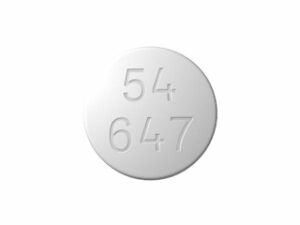
Cilostazol (Australia) — Patient Information
Cilostazol is a medicine used to improve symptoms in certain blood-flow conditions, particularly where walking becomes difficult due to narrowed arteries. It works by affecting platelet activity (blood cells involved in clotting) and by improving blood flow through blood vessels.
This page provides patient-friendly information about how cilostazol works, how it’s used, important safety considerations, and practical tips for everyday use in Australia.
Basic product information
- Medicine name: Cilostazol
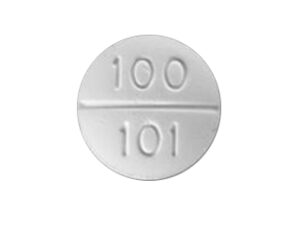
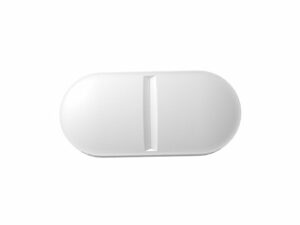
- Common strengths: Often available as tablets (strengths may vary by brand).
- Medicine type: Antiplatelet/vasodilator (helps reduce platelet clumping and supports blood vessel function).
- How it’s taken: Usually by mouth, typically twice daily.
- Therapeutic focus: Symptom improvement (e.g., walking distance) rather than “curing” the underlying artery disease.
Availability may vary by supplier and local regulatory listings. If you’re unsure which product strength you have, check the label on your medicine pack.
What cilostazol is used for (indications)
Cilostazol is most commonly used for symptomatic peripheral artery disease (PAD)—particularly to help improve walking distance and reduce the symptoms of intermittent claudication (pain, cramping, or heaviness in the legs during walking that improves with rest).
- Intermittent claudication due to PAD: Helps increase the distance you can walk comfortably.
- Ongoing management of PAD: Typically used alongside lifestyle changes and other cardiovascular risk management.
Cilostazol is not intended for emergency treatment of clots, and it does not replace treatments for severe blockage or complications.
Mechanism of action (how it works)
Cilostazol has two major effects:
- Antiplatelet effect: It reduces platelet aggregation (clumping), which can help improve circulation through small vessels.
- Vasodilation and improved microcirculation: It relaxes blood vessels and supports blood flow, particularly during exercise when oxygen demand increases.
Together, these actions may help reduce symptoms of claudication by improving the blood supply to working muscles.
Typical pharmacokinetics (how your body handles it)
Pharmacokinetics describes how the body absorbs, distributes, metabolises, and eliminates a medicine. While individual responses vary, these are common features of cilostazol:
- Absorption: Cilostazol is absorbed after oral dosing. Food can influence absorption timing (see “Food interactions”).
- Distribution: It distributes throughout the body; it is sufficiently bound to plasma proteins.
- Metabolism: Cilostazol is extensively metabolised in the liver, primarily by the CYP enzyme system.
- Active metabolites: Several metabolites contribute to overall effect.
- Elimination: It is removed from the body through metabolism and excretion (including via urine).
Because liver metabolism is involved, liver impairment may increase cilostazol exposure. Patients with certain liver or cardiac conditions may need extra caution or avoidance (see Safety profile).
How to take cilostazol (timing and dosing)
Cilostazol is commonly taken twice daily for PAD symptom relief. Follow the dosing instructions on your medicine label and the advice provided with your product.
Typical dosing approach
In many treatment plans for intermittent claudication:
- Adults: Often two times daily (morning and evening), with a roughly even gap between doses.
Important: Your exact dose may be different depending on your medical history, other medicines, kidney/liver function, and side effects.
When to take it
- Take doses at consistent times each day.
- Many people find it easier to take the morning dose after breakfast and the evening dose after dinner, unless advised otherwise.
- If you miss a dose, take it when you remember unless it’s close to the next dose. Do not double up.
How long until it helps?
Cilostazol is used for symptom improvement. Some people notice benefits within days to weeks, while others may take longer. If you do not notice any improvement after an appropriate trial period, it’s important to discuss with your clinician to reassess the plan.
Food interactions (what to know about meals)
Cilostazol’s absorption can be influenced by food. In practice, many patients are advised to take cilostazol consistently either:
- On an empty stomach, or
- With food (commonly after meals)
The key is consistency. If your product information suggests a specific schedule (with or without food), follow that guidance.
Practical food tips
- Try to take cilostazol at the same times each day.
- Don’t abruptly switch between “with food” and “without food” unless your pharmacist advises it.
- Maintain adequate hydration and a diet supportive of cardiovascular health.
Alcohol interactions (safe use with drinks)
Moderate alcohol intake may not cause a direct interaction for every patient, but alcohol can still increase risks in several ways:
- Bleeding risk: Because cilostazol affects platelet function, heavy drinking could theoretically increase bleeding risk.
- Dizziness and headache: Alcohol can worsen dizziness or headache—side effects that may also occur with cilostazol.
- Heart and blood pressure effects: Alcohol can influence cardiovascular parameters.
If you choose to drink alcohol, do so in moderation and be mindful of side effects. Seek advice if you have a history of bleeding problems, liver disease, or if you need to limit alcohol for other reasons.
Interactions with other medicines (including important ones)
Cilostazol can interact with other medications, mainly through liver metabolism and because both cilostazol and other drugs can affect bleeding risk or heart rhythm.
Key interaction categories
- Antiplatelet and anticoagulant medicines: Combining with other blood-thinning medicines may increase bleeding risk.
- Other cardiovascular medicines: Some combinations can affect heart rate, blood pressure, or the heart’s electrical activity.
- CYP enzyme inhibitors/inducers: Medicines that strongly affect the CYP enzymes involved in cilostazol metabolism can change cilostazol levels.
Examples of medicines to mention to your pharmacist
- Other antiplatelet medicines (e.g., aspirin or clopidogrel) used for cardiovascular conditions
- Anticoagulants (e.g., warfarin, apixaban, rivaroxaban, dabigatran, depending on your situation)
- Strong CYP inhibitors (some antifungals and certain antibiotics may fall into this category)
- CYP inducers (some medicines for epilepsy, tuberculosis, or other conditions may affect metabolism)
This list is not exhaustive. Always provide your pharmacist or clinician with a complete list of: prescription medicines, over-the-counter medicines, and herbal products (including supplements such as St John’s wort).
Safety profile and who should avoid cilostazol
Like all medicines, cilostazol can cause side effects. Many people tolerate it well, but it may not be suitable for everyone.
Common side effects
- Headache
- Dizziness
- Palpitations (awareness of heartbeat)
- Diarrhoea or gastrointestinal upset
- Nausea
- Flushing (feeling warm)
Serious (seek urgent advice) side effects
Contact a healthcare professional urgently or seek emergency help if you experience:
- Signs of bleeding such as unusual bruising, black/tarry stools, blood in urine, or vomiting blood
- Chest pain, fainting, or severe shortness of breath
- Severe allergic reactions (swelling of face/lips, trouble breathing, widespread rash)
- Worsening fast or irregular heartbeat, especially if associated with dizziness or collapse
Important contraindications / precautions
Cilostazol may be avoided or used with strong caution in specific conditions, such as:
- Heart failure (particularly moderate to severe heart failure)
- Clinically significant bleeding disorders or active bleeding
- Significant liver disease
- Known intolerance to cilostazol
If you have any cardiac history (including heart rhythm problems) or liver disease, tell your pharmacist. Your clinician may monitor you more closely or choose an alternative.
Practical use tips (getting the most from treatment)
Cilostazol is most effective when combined with a healthy lifestyle and a structured walking approach for PAD.
Combine with exercise therapy
- Consider a supervised exercise program if available.
- Use a walking schedule: walk until claudication pain begins, rest, then resume—over time this can improve functional capacity.
- Track your progress (e.g., time or distance you can walk comfortably).
Medication adherence
- Set reminders to take doses at consistent times.
- Keep tablets in the original packaging to protect from moisture and light.
- If you’re having side effects, don’t stop suddenly—speak to a pharmacist for advice.
Monitor your symptoms
- Track claudication symptoms: distance walked, pain severity, and recovery time.
- Watch for side effects such as headache, dizziness, or palpitations.
- If side effects are troublesome, discuss dose adjustment or alternatives.
Alternative options for intermittent claudication / PAD
Treatment for PAD is individual and may include medicines, exercise, and procedures depending on severity. Alternatives and add-ons may include:
- Antiplatelet therapy (e.g., aspirin and/or clopidogrel) as recommended for cardiovascular risk reduction
- Risk factor management for diabetes, blood pressure, and cholesterol (often including statins)
- Smoking cessation support (a key part of PAD management)
- Supervised exercise therapy (often a core component)
- Revascularisation procedures for selected cases where symptoms are severe or medical therapy is insufficient
Another medicine sometimes used for claudication symptoms in different settings may be pentoxifylline or other therapies, depending on local guidance and patient suitability. Your pharmacist can discuss what options may be appropriate for your condition.
Market and legal context for Australia
In Australia, medicines are regulated and distributed under the national medicines framework. Whether cilostazol is supplied requires adherence to Australian regulatory pathways, including appropriate classification and pharmacy supply processes.
- Australian regulatory oversight: Medicines are listed and monitored by the Therapeutic Goods Administration (TGA).
- Pharmacy supply: Medicines may be supplied through a pharmacy under the applicable scheduling requirements and health authority rules.
- Quality and safety: Approved products must meet manufacturing and quality standards.
Availability may differ by brand, strength, and stock levels. If a particular strength is temporarily unavailable, substitutions may be offered where permitted by law and product guidance.
Recent guidance and evidence overview (general)
Clinical guidance for PAD commonly emphasises a combined approach:
- Exercise therapy as a foundational treatment for improving walking ability
- Optimising cardiovascular risk factors (e.g., lipid control, blood pressure, diabetes management)
- Antiplatelet medicines when appropriate for overall vascular risk reduction
- Symptom-directed therapy to improve walking distance for selected patients
Cilostazol is often used specifically for symptomatic relief of intermittent claudication where appropriate, with attention to patient selection (e.g., avoiding those with heart failure) and monitoring for side effects.
Because guidance may evolve, it’s helpful to keep in touch with your healthcare professional and ensure you’re using the most up-to-date information for your personal situation.
Delivery and availability (online pharmacy service)
Cilostazol may be available from online pharmacies in Australia subject to:
- Stock availability by brand and tablet strength
- Order timing and delivery location
- Confirming appropriate supply processes for the medicine category
Typical delivery information you may see at checkout includes:
- Estimated delivery times (varies by state and courier)
- Trackable delivery options
- Packaging that protects tablets from moisture and light
If your usual brand or strength is out of stock, the pharmacy may offer a comparable option where permitted. Always confirm the strength on the pack before use.
Dosing guidance summary (quick reference)
| Topic | Typical patient information |
|---|---|
| Common dosing pattern | Often taken twice daily (morning and evening) |
| Best timing | Take at consistent times. Some patients take after meals; follow your product instructions. |
| Missed dose | Take when remembered unless close to the next dose—don’t double. |
| Food interactions | Food may affect absorption timing; be consistent with meals as advised. |
| Alcohol | Moderation is advised. Heavy drinking may increase bleeding risk and worsen dizziness. |
| Monitoring | Report persistent side effects, palpitations, bleeding signs, or worsening symptoms. |
Safety checklist before starting cilostazol
Before using cilostazol, consider discussing the following with your pharmacist or clinician:
- Your history of heart failure or irregular heartbeat
- Any history of bleeding problems or stomach/intestinal bleeding
- Liver disease or abnormal liver function tests
- All medicines you take (especially antiplatelets, anticoagulants, and medicines affecting liver enzymes)
- Any over-the-counter products or herbal supplements
FAQ — Cilostazol
1) What does cilostazol do?
Cilostazol helps improve symptoms of peripheral artery disease by reducing platelet clumping and supporting blood flow. It’s mainly used to increase walking distance in intermittent claudication.
2) How long does it take to work?
Some people may notice improvement within days to weeks, while others may take longer. If there’s no meaningful improvement after a reasonable trial, speak with your clinician to review your plan.
3) Can I take cilostazol with food?
Food may influence absorption. Follow your product instructions. If you’re unsure, ask your pharmacist whether to take it with or without food and aim for a consistent routine.
4) What should I do if I miss a dose?
Take it when you remember unless it’s close to the next dose. Do not take two doses at once to “catch up.”
5) What are common side effects?
Headache, dizziness, palpitations, diarrhoea, nausea, and flushing are among the more common side effects.
6) When should I seek urgent help?
Seek urgent medical advice if you have signs of bleeding, severe allergic reaction, fainting, chest pain, or significant heart rhythm symptoms such as severe palpitations with dizziness.
7) Is it safe to drink alcohol while taking cilostazol?
Moderate alcohol may not be suitable for everyone. Heavy or frequent alcohol use may increase risks such as bleeding and dizziness. If unsure, discuss your alcohol intake with your pharmacist.
8) What medicines should not be taken with cilostazol?
You should particularly review your use of antiplatelets, anticoagulants, and any medicines that affect liver enzyme activity. Provide a full list of all medicines and supplements to your pharmacist.
9) Is cilostazol used for heart conditions?
Cilostazol is not a general treatment for heart failure or acute heart problems. It’s used to improve symptoms in PAD-related intermittent claudication. People with certain cardiac conditions may need to avoid cilostazol.
10) Are there alternatives if cilostazol doesn’t suit me?
Alternatives may include optimising antiplatelet therapy, managing cardiovascular risk factors (cholesterol, blood pressure, diabetes), and structured exercise therapy. In selected cases, procedures may be considered. Your pharmacist can discuss the best options for you.
Note: This information is intended to support patient understanding and does not replace personalised advice from a healthcare professional. If you have questions about how cilostazol fits your health situation, speak with a pharmacist.