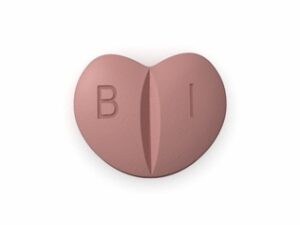
Bisoprolol (Australia) – Patient-Friendly Product Information
Bisoprolol is a medicine commonly used to treat certain heart conditions and high blood pressure. It belongs to a group of medicines known as beta-blockers. Bisoprolol works by slowing the heart rate and reducing the heart’s workload, helping the heart to pump more efficiently and reducing strain on blood vessels.
This page explains how bisoprolol works, what it is used for, how to take it, and what to watch for. It also covers interactions, safety information, and practical tips to help you use bisoprolol safely in everyday life in Australia.
Quick Facts
- Medicine name: Bisoprolol
- Medicine group: Beta-blocker
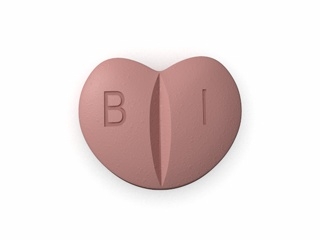
- Common forms: Tablets (strength varies by product)
- Typical effects: Slower heart rate, lower blood pressure, reduced chest pain episodes (for some conditions)
- Key safety points: Do not stop suddenly; monitor for dizziness/slow pulse; extra caution in asthma and diabetes
- Australia availability: Widely supplied through Australian pharmacies
Basic Product Information
| Category | Information |
|---|---|
| Active ingredient | Bisoprolol |
| Drug class | Beta-1 selective beta-blocker |
| How it is taken | Usually once daily by mouth (varies by condition and product) |
| Common benefits | Helps control high blood pressure, improves symptoms in angina, supports treatment of heart failure (where appropriate) |
| Typical side effects | Fatigue, dizziness, slow heart rate, cold hands/feet, sleep disturbance (may occur) |
Note: Different strengths and brand names may be available. Always follow the dosing instructions provided with your specific bisoprolol product.
How Bisoprolol Works (Mechanism of Action)
Bisoprolol is a beta-1 selective blocker, meaning it primarily affects beta receptors found mainly in the heart. By blocking these receptors, bisoprolol helps to:
- Slow the heart rate (reduces how quickly the heart beats)
- Reduce the force of heart contraction, lowering the heart’s workload
- Decrease the heart’s oxygen demand, which can help relieve chest pain caused by insufficient blood flow (for appropriate indications)
- Lower blood pressure by reducing cardiac output and supporting vascular stability
In heart failure, long-term beta-blocker therapy can improve how the heart functions over time by changing how the body responds to stress hormones.
Pharmacokinetics (How the Body Handles It)
Pharmacokinetics describes how the body absorbs, distributes, metabolises, and eliminates a medicine. While exact numbers may vary by individual and product, bisoprolol is generally characterised as follows:
- Absorption: Bisoprolol is absorbed from the gastrointestinal tract after you take it by mouth.
- Onset of effect: Many people notice effects on heart rate and blood pressure within the first day, though full benefits for conditions like angina prevention or heart failure may take weeks.
- Distribution: It distributes into tissues and is taken up by the body to exert its heart effects.
- Metabolism: Bisoprolol is metabolised mainly by the liver (the precise contribution varies by patient factors).
- Elimination: The medicine is removed from the body through metabolism and excretion, with clearance influenced by kidney and liver function.
Why this matters: Bisoprolol’s consistent daily dosing helps maintain steady effects, but dose adjustments may be needed if you have liver or kidney impairment.
Typical Uses (Indications)
Bisoprolol may be used for several cardiovascular conditions, depending on your age, overall health, and medical history. Common indications include:
- High blood pressure (hypertension): Helps lower blood pressure and reduce cardiovascular risk.
- Angina (stable angina): Helps reduce the frequency of chest pain episodes by lowering heart workload.
- Heart failure: In some patients with chronic heart failure, bisoprolol may form part of a treatment plan to support heart function.
- Some rhythm and rate-related conditions: Depending on clinical assessment, beta-blockers may be used to help control heart rate.
Whether bisoprolol is suitable for you depends on your diagnosis and clinical assessment by a healthcare professional.
Dosing & Timing
Dosing varies according to the condition being treated, the severity of symptoms, and your response. Bisoprolol is commonly taken once daily, often in the morning, but the exact timing can differ. Many products are designed for stable daily effect.
General dosing principles
- Start low, adjust gradually: Especially for heart failure and in people who are sensitive to beta-blockers.
- Consistency matters: Try to take it at the same time each day.
- Monitoring may be needed: Blood pressure and pulse rate are often monitored during dose changes.
When to take it
- Morning: Many people choose morning dosing to avoid potential sleep effects.
- Evening: Some may prefer evening dosing; discuss with your pharmacist or prescriber if you have dizziness or sleep changes.
If you miss a dose
If you miss a dose, take it when you remember unless it is close to the next dose. In general:
- Not too close to the next dose: Take the missed dose.
- Close to the next dose: Skip the missed dose and take the next dose at the usual time.
- Do not double up: Avoid taking two doses at once.
If you are unsure, ask a pharmacist for advice based on your dosing schedule and how long you have missed it.
Food Interactions (Including What to Eat or Avoid)
Food can influence absorption of some medicines. For bisoprolol, general guidance is:
- With or without food: Bisoprolol tablets can often be taken with or without food.
- Consistency is helpful: Choose a routine (for example, always take it with breakfast) so your body can predict absorption patterns.
- Grapefruit: Beta-blockers vary in interaction risk. If you are concerned about grapefruit or other supplements, check with your pharmacist, especially if you take multiple medicines.
If your specific product has packaging instructions (e.g., “take with food”), follow that advice.
Alcohol and Medicine Interactions
Alcohol
Alcohol may increase the risk of dizziness and light-headedness by lowering blood pressure and affecting balance. When combined with bisoprolol, alcohol may make these effects more noticeable.
- Tip: If you drink alcohol, do so in moderation and be cautious when standing up.
- Avoid if advised: If you have episodes of fainting, low blood pressure, or falls, consider avoiding alcohol and discuss with a healthcare professional.
Common medicine interactions
Interactions depend on the exact medicines you use. Always provide your full list of medicines (including over-the-counter products and supplements) to your pharmacist. Key interaction categories include:
- Other blood pressure or heart medicines: Medicines that also lower heart rate or blood pressure may increase the chance of slow pulse or low blood pressure.
- Non-dihydropyridine calcium channel blockers (e.g., verapamil, diltiazem): Can further slow heart rate and affect heart conduction when used together.
- Antiarrhythmics: Some rhythm medicines can increase the risk of abnormal heart rhythms or slowed heart rate.
- Clonidine: Stopping clonidine suddenly can cause rebound effects; stopping or combining requires careful plan.
- Diabetes medicines (especially insulin and some tablets): Beta-blockers can mask warning signs of low blood sugar such as fast heartbeat.
- Asthma/COPD medicines: If you use inhalers or other breathing medicines, discuss because some beta-blockers can worsen airway symptoms (bisoprolol is beta-1 selective, but caution is still important).
- NSAIDs (e.g., ibuprofen, naproxen): In some people, frequent NSAID use can reduce the blood-pressure-lowering effect.
Important: This is not a complete list. If you start, stop, or change dose of any medicine, check with your pharmacist.
Safety Profile & Who Should Use Caution
Most people tolerate bisoprolol well, but it can cause side effects, especially when therapy starts or when the dose changes. Some effects are related to how much it slows the heart or lowers blood pressure.
Common side effects
- Fatigue or reduced energy
- Dizziness, especially when standing up
- Slow heart rate (bradycardia)
- Cold hands and feet
- Sleep disturbances (including vivid dreams) in some people
Less common but important risks
- Worsening breathing symptoms (particularly in asthma or certain lung diseases)
- Low blood pressure (may cause fainting)
- Electrolyte or conduction changes when combined with other heart medicines
- Masking signs of hypoglycaemia in diabetes (fast heartbeat may be less noticeable)
Do not stop suddenly
Stopping beta-blockers suddenly can be harmful for some people. It may cause symptoms such as chest pain, palpitations, or blood pressure instability. If you need to stop, this should generally be done with a gradual dose reduction plan under healthcare guidance.
Conditions that require caution
- Asthma or chronic obstructive pulmonary disease (COPD): Use caution and monitoring as needed.
- Diabetes: Extra monitoring of blood sugar and awareness of hypoglycaemia symptoms.
- Very slow heart rate or heart block: May increase risk of worsening bradycardia.
- Peripheral vascular disease: Coldness or circulation symptoms may worsen.
- Severe liver or kidney impairment: Dose adjustment may be required.
Practical Use Tips
- Check your pulse: If you’ve been told to monitor, keep track of your heart rate and report persistent symptoms.
- Stand up slowly: Dizziness can occur, especially early in treatment or after dose increases.
- Keep a blood pressure diary: Useful for your clinician to assess response.
- Be consistent with timing: Taking it at the same time each day improves steadiness.
- Carry your medicine list: In case of emergency, knowing your medicines helps clinicians.
- Driving and machinery: If you feel dizzy or unusually tired, avoid driving until you know how bisoprolol affects you.
What to do if you feel unwell
Seek urgent medical help if you experience severe dizziness, fainting, chest pain that is new or worsening, shortness of breath that is severe, or symptoms of a serious allergic reaction (such as swelling of the face/lips or trouble breathing).
Alternative Options
Treatment depends on your condition (blood pressure, angina, heart failure, or other rate/rhythm issues) and your medical history. If bisoprolol isn’t suitable or isn’t tolerated, healthcare professionals may consider other strategies or medications.
Other beta-blockers
- Some people may be switched to different beta-blockers based on heart selectivity, dosing frequency, and side-effect profile.
Non-beta-blocker options
- For high blood pressure: There are multiple classes such as ACE inhibitors, angiotensin receptor blockers (ARBs), calcium channel blockers, and diuretics.
- For angina: Depending on your situation, options may include calcium channel blockers, nitrates, or other anti-anginal medicines.
- For heart failure: Treatment often involves several medicine classes; a change may affect the overall plan.
If you’re considering alternatives, speak with a pharmacist or healthcare professional before changing anything. Switching can require careful dose planning.
Australia: Market, Legal and Prescribing Guidance Context
In Australia, medicines are regulated to support safe access and appropriate use. Beta-blockers such as bisoprolol are available through the usual pharmacy supply channels and are used according to Australian clinical practices. Medicines like bisoprolol are typically supported by Australian health guidance for cardiovascular risk reduction and condition-specific care.
Important: Availability, brand names, and pack sizes may vary between suppliers. Your pharmacist can advise on what strengths are stocked and what delivery options are offered.
Recent guidance and best-practice points (general)
- Individualised dosing: Dose titration and monitoring are emphasised, particularly for heart failure.
- Medication review: Ongoing review of side effects, heart rate, blood pressure, and interacting medicines is recommended.
- Do not abruptly stop: Beta-blocker withdrawal should usually be gradual.
- Assess comorbidities: Extra attention for diabetes, asthma/COPD, and conduction disorders.
For the most accurate and up-to-date advice, your pharmacist can refer to the current product information and local health recommendations.
Delivery and Availability (Online Pharmacy Considerations in Australia)
Bisoprolol is generally available through Australian pharmacies and many online pharmacy services. Delivery speed can vary depending on your location and the pharmacy’s dispatch processes.
- Stock availability: Common strengths may be easier to source; less common strengths may take longer.
- Packaging: Medicines are typically dispatched in original packaging with clear labelling.
- Delivery options: Standard and express shipping may be offered depending on the supplier.
- Tracking: Many online services provide tracking once the parcel is dispatched.
If you need bisoprolol urgently, contact the pharmacy customer service to confirm dispatch timing and alternative strengths if applicable.
FAQ – Bisoprolol
1. What is bisoprolol used for?
Bisoprolol is used to treat conditions such as high blood pressure, angina, and certain types of heart failure, depending on your clinical situation.
2. How quickly does bisoprolol work?
Some effects on heart rate and blood pressure may occur soon after starting. However, benefits such as angina prevention and heart failure improvements often take longer—typically weeks—depending on dose adjustments and your health status.
3. Should I take bisoprolol in the morning or at night?
Many people take it once daily in the morning. Others may prefer evening dosing, depending on how they feel (for example, if fatigue or sleep changes occur). Follow your product directions and your pharmacist’s advice.
4. Can I take bisoprolol with food?
Bisoprolol is often taken with or without food. If your product label suggests taking it with food, follow that instruction. Consistency with your routine can help.
5. Can I drink alcohol while taking bisoprolol?
Alcohol may increase dizziness or light-headedness by lowering blood pressure. If you drink, do so in moderation and be cautious—especially when standing up. If you have episodes of fainting or very low blood pressure, discuss alcohol use with a healthcare professional.
6. What are the most common side effects?
Common side effects include fatigue, dizziness, slow heart rate, cold hands/feet, and sometimes sleep disturbances. Many side effects lessen as your body adjusts, but contact a healthcare professional if they persist or worsen.
7. What if I miss a dose?
Take it when you remember if it is not close to the next dose. Otherwise, skip the missed dose and take your next dose at the usual time. Do not double up.
8. Is it safe to stop bisoprolol suddenly?
Generally, stopping suddenly is not recommended. Beta-blocker withdrawal can cause symptoms such as chest pain or palpitations. If stopping is needed, it is usually done gradually with clinician guidance.
9. Can bisoprolol affect diabetes?
Yes. Bisoprolol may mask some warning signs of low blood sugar such as fast heartbeat. People with diabetes should monitor glucose carefully and be aware of symptoms like sweating, confusion, or shakiness.
10. Does bisoprolol worsen asthma or breathing problems?
Bisoprolol is beta-1 selective, which may reduce the chance of triggering asthma compared with non-selective beta-blockers, but caution is still important. If you have asthma or COPD, discuss risk and monitoring with your pharmacist or clinician.
11. What medicines can interact with bisoprolol?
Medicines that affect heart rate or blood pressure can interact, including certain calcium channel blockers, antiarrhythmics, and some diabetes medications. Always check your full list of medicines and supplements with a pharmacist.
12. When should I seek urgent help?
Seek urgent medical attention if you experience severe dizziness, fainting, worsening chest pain, serious shortness of breath, or signs of an allergic reaction (such as swelling of the face/lips or trouble breathing).
Important Reminder
Bisoprolol can be highly effective when used correctly, but safe use depends on the right dose, careful monitoring, and awareness of interactions. If you have questions about how to take your bisoprolol, whether it’s suitable for your health conditions, or how to manage side effects, speak with a pharmacist.