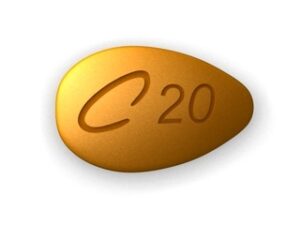


Androxal (Enclomiphene) — Patient Guide (Australia)
Androxal is a medicine containing enclomiphene, a selective oestrogen receptor modulator (SERM). It is used to support male reproductive hormone production by influencing hormone signalling in the brain and pituitary gland.
This guide explains how Androxal works, what it’s used for, how it’s typically taken, key safety information, and practical tips for best results. It also covers interactions (including food, alcohol, and other medicines) and provides general context for availability in Australia.
Quick product information
| Item | Details |
|---|---|
| Medicine name | Androxal |
| Active ingredient | Enclomiphene |
| Medicine class | Selective oestrogen receptor modulator (SERM) |
| Common purpose | To help increase testosterone production and support fertility/hormonal balance in appropriate men |
| How it’s taken | Oral (by mouth), typically once daily |
| Onset of benefit | Often gradual; hormone response may be seen over several weeks |
How Androxal works (mechanism of action)
Androxal works by affecting how your body senses oestrogen (a female sex hormone, but also naturally present in men in small amounts).
- Blocks oestrogen receptors in the brain: Enclomiphene helps prevent oestrogen from engaging oestrogen receptors in the hypothalamus and pituitary.
- Resets hormonal signalling: When the brain perceives lower oestrogen signalling, it increases production of hormones that “nudge” the testes to make more testosterone.
- Supports the hormone pathway:
- Hypothalamus increases GnRH (gonadotropin-releasing hormone)
- Pituitary increases LH (luteinising hormone) and FSH (follicle-stimulating hormone)
- Testes respond by producing more testosterone (and helping support sperm production through FSH-related pathways)
- Helps avoid “turning off” the system: Unlike testosterone replacement approaches that can suppress natural LH/FSH production, SERMs like enclomiphene aim to stimulate the body’s own hormone production.
Typical use and indications (who it may be for)
In clinical practice, Androxal is used in men who have low testosterone due to hypogonadotropic hypogonadism (where the signal from the brain/pituitary is insufficient) or other hormone-related causes where increasing endogenous testosterone is desirable.
Common situations where it may be considered include:
- Low testosterone levels confirmed by blood tests, particularly when LH/FSH pattern suggests the body can still respond to stimulation.
- Fertility goals: Because enclomiphene is intended to support the body’s own hormone axis, it may be considered when maintaining or supporting sperm production is important.
- Symptoms of low testosterone (for example, reduced libido, fatigue, low mood, erectile difficulties, reduced muscle mass), especially when hormone testing supports the diagnosis.
Important note: Low testosterone has many causes (including obesity, sleep apnoea, stress, medications, thyroid disorders, genetic conditions, and pituitary disease). Correct diagnosis and monitoring are essential to choose the most suitable treatment strategy.
How to take Androxal (dose and timing)
Dosing may vary based on individual response, hormone levels, and clinical assessment. Follow the dosing plan provided by your healthcare professional.
Typical adult dosing approach
- Common starting pattern: Often once daily.
- Adjustments: Dose may be adjusted based on:
- Testosterone levels (total and/or free)
- LH/FSH
- Symptoms
- Safety monitoring (including safety blood markers)
When will you feel or see results?
Because enclomiphene stimulates the hormone axis rather than directly providing testosterone, changes often take time.
- Early changes: Some people see lab changes within a few weeks.
- More noticeable benefit: Often around 4–8 weeks, though it can be longer.
- Steady state: Hormone levels may continue to evolve over time; monitoring helps guide ongoing dosing.
How to improve adherence
- Take it at the same time each day.
- If you miss a dose, take it when you remember unless it’s close to the next dose—then skip the missed dose and resume your usual schedule.
- Avoid doubling up unless your clinician advises otherwise.
Mechanism-related timing: what to expect in lab tests
Your clinician may arrange blood tests to track:
- Total testosterone and free testosterone
- LH and FSH (to see whether the axis is being stimulated appropriately)
- Oestradiol (E2) (since oestrogen signalling is part of the pathway)
- Full blood count and other markers as appropriate
- Liver function and other labs depending on risk factors and overall health
Testing is often repeated after an interval that allows hormones to stabilise. Your clinician will advise the timing.
Food interactions and eating tips
Enclomiphene absorption can be influenced by overall gastrointestinal conditions, but there are no universal “must-follow” dietary restrictions for most people.
Practical advice:
- Take Androxal consistently with respect to meals (for example, always with food or always on an empty stomach) to reduce day-to-day variation.
- If you notice stomach upset, consider taking it with a meal.
Avoid major changes in your diet or supplements that could alter hormone metabolism without discussing them with your healthcare professional.
Alcohol and medicine interactions
Alcohol can affect hormone balance, sleep quality, and liver function. While moderate alcohol may not directly interact with enclomiphene in every individual, it can make it harder to judge whether symptoms or lab results are improving.
General guidance
- Keep alcohol intake moderate and monitor how you feel (energy, libido, mood, sleep).
- Be cautious with heavy or binge drinking, especially if you have liver risk factors or abnormal liver blood tests.
Other medicines
Enclomiphene may interact with other medicines through changes in how it is processed in the body (metabolism) or via effects on hormones and receptor signalling.
Tell your clinician and pharmacist about all medicines and supplements, including:
- Prescription medicines
- Over-the-counter products
- Herbal supplements (e.g., products marketed for testosterone support)
- Recreational substances
Particular caution is advised with medicines that influence liver enzymes or hormone pathways. Your pharmacist can check for interactions based on your full medicine list.
Pharmacokinetics (how the body handles enclomiphene)
Understanding pharmacokinetics helps explain why results take time and why dosing adjustments are made gradually.
- Absorption: Enclomiphene is taken by mouth and absorbed into the bloodstream.
- Distribution: It distributes throughout body tissues, including those involved in hormone signalling.
- Metabolism: Enclomiphene is processed by the body, including through metabolic pathways in the liver.
- Elimination: The compound (and related metabolites) leave the body over time. This contributes to a prolonged effect after dosing changes.
- Half-life (practical relevance): Enclomiphene has a relatively long duration of action, which means:
- Hormone levels may change gradually
- Dose adjustments may not fully show effect immediately
- Consistency matters
Why this matters: Because enclomiphene persists for a period, your healthcare professional may allow time between dose changes and monitor lab trends rather than expecting immediate results.
Safety profile and potential side effects
Most people tolerate Androxal, but it can cause side effects in some individuals. Your safety depends on correct patient selection, appropriate dosing, and monitoring of blood tests.
Commonly reported side effects
- Headache
- Nausea or gastrointestinal discomfort
- Fatigue or changes in energy levels
- Changes in mood
- Hot flushes (in some cases)
Hormone-related effects to watch
Because enclomiphene alters oestrogen receptor signalling and stimulates LH/FSH:
- Oestradiol changes may contribute to symptoms such as breast tenderness or swelling.
- Libido and sexual function may improve, but some individuals experience variability during the adjustment period.
Serious but less common concerns
Seek medical attention promptly if you experience:
- Severe or persistent headaches, vision changes, or neurological symptoms
- Signs of a blood clot (e.g., sudden shortness of breath, chest pain, one-sided leg swelling)
- Severe allergic reaction (swelling of the face/lips, rash, difficulty breathing)
- Marked jaundice (yellowing of skin/eyes) or dark urine, suggesting liver issues
Who should take extra care
- People with a history of clotting disorders
- Those with known liver impairment or abnormal liver tests
- Individuals with pituitary or testicular conditions requiring specialist evaluation
- People taking multiple interacting medicines
Practical use tips (getting the best results safely)
- Start with confirmed labs: Ensure testosterone status is evaluated with appropriate blood tests and clinical symptoms.
- Track symptoms as well as numbers: Hormone labs matter, but quality-of-life symptoms are also important.
- Monitor regularly: Your clinician may recommend repeat testing to guide dosing and monitor side effects.
- Be consistent: Take it at the same time daily; avoid accidental missed doses.
- Don’t “stack” hormone products: Avoid adding unverified supplements marketed for testosterone without discussing with your clinician.
- Watch for breast tenderness: Report it early so your clinician can adjust strategy.
- Optimise lifestyle factors:
- Sleep quality
- Healthy body weight
- Regular resistance and aerobic exercise
- Managing stress
- Limiting alcohol
Alternative options (what else might be used)
Low testosterone and fertility concerns can be approached in different ways depending on the cause. Alternatives may include:
- Testosterone therapy (various forms): Can raise testosterone but may suppress LH/FSH, potentially affecting fertility.
- Human chorionic gonadotropin (hCG): Stimulates the testes via LH-like effects; used in some fertility-focused regimens.
- Other SERMs (in some settings): Clinicians may consider similar receptor-modulating approaches depending on availability and suitability.
- Treating underlying causes: For example, addressing sleep apnoea, adjusting interacting medicines, improving weight, managing thyroid issues, correcting vitamin deficiencies, or treating endocrine conditions.
- Fertility specialist care: For men trying to conceive, fertility-focused planning may include additional tests and strategies.
Choosing an option depends on your hormone profile, fertility goals, symptom severity, and medical history. A targeted plan generally achieves the best balance of benefits and risks.
Australia: market and legal context (overview)
In Australia, medicines are regulated through the Therapeutic Goods Administration (TGA). Availability can vary depending on whether a product is registered, how it is supplied, and the intended use.
General points to understand:
- Some hormone-related medicines may be available only under specific prescribing and supply arrangements.
- Online pharmacies operate under Australian regulations and require appropriate checks for suitability and safe supply.
- Requirements for patient eligibility and documentation can apply, especially for medicines affecting hormones and fertility.
If you’re unsure about suitability or regulatory supply pathways, consult a healthcare professional or our team for guidance on how the product can be obtained in line with Australian rules.
Recent guidance and monitoring principles
Clinical guidance for men with suspected low testosterone generally emphasises:
- Confirming diagnosis with appropriate blood tests and clinical symptoms.
- Identifying the cause (primary vs central/hypogonadotropic) before choosing treatment.
- Monitoring testosterone levels, related hormones, and safety markers.
- Assessing fertility needs when selecting therapy, because different approaches can affect sperm production differently.
For endocrine conditions, best practice typically includes follow-up and dose/strategy adjustments based on trends rather than a single test result.
Delivery and availability (online pharmacy)
Androxal availability depends on stock levels and supply schedules. When ordering from an online pharmacy in Australia:
- We aim to provide clear delivery estimates at checkout.
- Packaging is typically designed to protect tablets and maintain integrity during transit.
- Delivery times vary by location (metro vs regional/remote) and carrier capacity.
If you need delivery to a particular suburb or postcode, check the estimated timeframe during checkout or contact customer support for assistance.
FAQ
1) What is Androxal used for?
Androxal (enclomiphene) is used to support male hormone production by stimulating the brain-pituitary-testes axis. It may be considered when low testosterone is due to central/hypogonadotropic causes or when maintaining fertility is an important goal.
2) How fast does Androxal work?
Hormone changes can start within several weeks, but noticeable symptom improvement often takes around 4–8 weeks or longer. Consistent dosing and follow-up blood tests are key.
3) Is Androxal the same as testosterone?
No. Androxal is a SERM that helps the body produce testosterone by altering receptor signalling in the brain. Testosterone therapy provides testosterone directly, which can affect LH/FSH and potentially fertility differently.
4) Can I take Androxal with food?
Many people take it consistently with or without food. If you experience stomach discomfort, taking it with a meal may help. The most important factor is consistency.
5) What about alcohol?
Moderate alcohol may be tolerated, but heavy or frequent drinking can worsen overall health, sleep, and liver strain—factors relevant to safety and hormone health. It’s sensible to limit alcohol while on therapy.
6) Are there interactions with other medicines?
Yes, interactions are possible, particularly with medicines processed through liver pathways or medicines that affect hormones. Always provide your full medicine and supplement list to your pharmacist/clinician for interaction checking.
7) What side effects should I watch for?
Common effects include headache, nausea, and fatigue. Hormone-related symptoms (such as breast tenderness) may occur if oestradiol changes. Seek urgent care for signs of severe allergic reaction, clot symptoms, significant vision changes, or jaundice.
8) Do I need blood tests while taking Androxal?
Typically, yes. Monitoring helps ensure testosterone and related hormones are moving in the desired direction and helps detect potential side effects early.
9) What if I miss a dose?
Take it when you remember unless it is close to the next dose. Then skip the missed dose and resume your regular schedule. Do not double doses unless advised.
10) Who shouldn’t take Androxal or needs extra caution?
People with certain clotting risks, significant liver problems, or complex endocrine conditions should take extra care and discuss suitability with a healthcare professional.
Important safety reminder
This information is intended to support patients with general understanding of Androxal. It does not replace personalised medical advice. If you have questions about your hormone results, dosing plan, monitoring schedule, or suitability based on your health history, speak with a qualified healthcare professional.