Altace (Ramipril) — Patient Guide (Australia)
Altace is a brand of ramipril, a medicine used to treat several cardiovascular conditions and to help protect the heart and kidneys in certain people. This guide explains how Altace works, how it is usually taken, key safety information, and what to expect when starting treatment. Always follow the instructions given for you and read the consumer medicine information (CMI) provided with your medicine.
1) Basic product information
| Category | Details |
|---|---|
| Medicine name | Altace |
| Active ingredient | Ramipril |
| Drug class | ACE inhibitor (Angiotensin-Converting Enzyme inhibitor) |
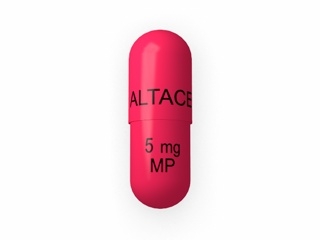
| Typical strengths | Available in tablet strengths such as 1.25 mg, 2.5 mg, 5 mg and 10 mg (strength may vary by product) |
| Uses | High blood pressure and specific heart/kidney protection indications |
In Australia, ramipril tablets are generally supplied through regulated channels in accordance with local medicine laws.
2) How Altace works (mechanism of action)
Ramipril belongs to a group called ACE inhibitors. It works by blocking the enzyme angiotensin-converting enzyme (ACE). This leads to several beneficial effects:
- Lowering blood pressure by relaxing blood vessels.
- Reducing strain on the heart by improving blood flow and lowering vascular resistance.
- Protecting kidneys in certain patients, especially where there is diabetes or protein in the urine.
- Supporting long-term cardiovascular outcomes in people at higher risk of heart events.
Altace is not a “fast-acting” pain relief medicine; benefits often build over days to weeks, while longer-term protection may take months.
3) Pharmacokinetics (what the body does to the medicine)
Understanding pharmacokinetics can help you know what to expect from dosing and monitoring. While individual responses vary, these points are commonly relevant:
- Absorption: Ramipril is taken by mouth and is absorbed from the gastrointestinal tract.
- Activation: Ramipril is converted in the body to its active form (ramiprilat), which inhibits ACE.
- Onset: Blood pressure lowering typically begins within hours after a dose, but the strongest effect may appear gradually.
- Metabolism and elimination: The active drug is cleared mainly via the kidneys, so kidney function affects how medicines are handled.
- Half-life (practical meaning): Ramiprilat persists sufficiently to support once-daily dosing in many patients.
Because kidneys help clear ACE inhibitors, doctors often adjust dose and monitor blood tests in people with reduced kidney function.
4) Typical uses (indications)
Altace is prescribed for several cardiovascular and kidney-related conditions. Common indications in clinical practice include:
- High blood pressure (hypertension): To lower blood pressure and reduce cardiovascular risk.
- Heart failure: To improve symptoms and reduce progression in appropriate patients.
- After certain cardiovascular events: Such as after a heart attack or in patients with established vascular disease, to reduce risk of future events (where appropriate).
- Diabetic or non-diabetic kidney protection: Especially in people with protein in the urine and/or chronic kidney disease, to slow progression in appropriate cases.
- High-risk cardiovascular patients: In selected individuals, to reduce risk of stroke, heart attack, and cardiovascular death.
Your exact indication determines the starting dose and how your medicine is monitored.
5) Timing: when and how to take Altace
Many people take Altace once daily. Some may be advised different schedules depending on their condition and tolerability.
Best time of day
- Choose a consistent time each day.
- If you feel light-headed soon after taking your dose, a clinician may suggest taking it at night to reduce the impact.
- Follow your prescribing instructions; the goal is steady daily effect.
With or without food
- Altace can generally be taken with or without food.
- To help you build a routine, consider taking it at the same time as a meal or after breakfast/dinner.
How to take the tablet
- Swallow with water.
- If you are taking a dose that requires splitting, follow the tablet instructions provided in the CMI and the way your tablet is designed to be divided (if applicable).
- Do not stop or change dose without medical advice.
Missed dose
- If you miss a dose and remember the same day, take it when you remember unless it is close to your next dose.
- If it is almost time for the next dose, skip the missed dose and take your next dose at the usual time.
- Do not take a double dose to make up for a missed tablet.
6) Food interactions
Food interactions with ramipril are usually limited. However, there are practical considerations:
- General rule: You can typically take Altace with or without food.
- Hydration: Good hydration supports blood pressure stability, especially during hot weather.
- Salt intake: Very high salt intake can make blood pressure harder to control; reducing excess salt can improve outcomes for many people.
If you are following dietary advice (such as for kidney disease or heart failure), follow that plan alongside your medicine schedule.
7) Alcohol interactions
Alcohol may increase the chance of dizziness or low blood pressure when combined with Altace, particularly when starting treatment or after dose increases.
- Start low and monitor: If you choose to drink, do so carefully and observe how you feel.
- Avoid binge drinking: Larger amounts increase dehydration risk and the likelihood of symptomatic hypotension.
- Safety first: If you feel faint, do not drive or operate machinery.
8) Medicine interactions (important)
Several medicines and supplements can interact with Altace. These interactions may affect blood pressure, kidney function, potassium levels, or bleeding risk. Always review your full medication list with a pharmacist or doctor.
Common interaction categories
- Potassium supplements and potassium-containing salt substitutes: Increased risk of high potassium (hyperkalaemia).
- Other blood pressure medicines: May further lower blood pressure, increasing dizziness or fainting—especially when starting.
- Diuretics (“water tablets”): Some combinations can change electrolyte balance and kidney function; monitoring is often needed.
- NSAIDs (e.g., ibuprofen, naproxen, diclofenac): Using NSAIDs regularly with ACE inhibitors may increase risk to kidneys and reduce the blood pressure effect. Occasional use may be different from frequent dosing; ask your pharmacist.
- Diabetes medicines (insulin or tablets): ACE inhibitors may enhance blood sugar-lowering in some people, increasing the risk of low blood sugar in certain circumstances.
- Lithium: ACE inhibitors can increase lithium levels, raising toxicity risk. This combination needs careful monitoring.
- Immunosuppressants or medicines affecting potassium: May increase the chance of potassium problems or blood count changes.
- Medications that affect the immune system or increase bleeding risk: If you are on blood thinners or have other risks, ensure medical review of all combinations.
Herbal and over-the-counter products
- Herbal supplements can still interact with medicines. Examples include certain “natural” blood pressure products or potassium-rich herbal products.
- Decongestants (some cold/flu remedies) may raise blood pressure in some people.
For best safety, keep an updated list of everything you take—prescription medicines, over-the-counter medicines, supplements, and occasional products—and share it with your pharmacist.
9) Dosing: what is typical
Dosing is individual. Your starting dose and target dose depend on:
- Your condition (hypertension, heart failure, kidney protection, or post-event risk reduction)
- Your blood pressure and symptoms
- Your kidney function and electrolyte levels (especially potassium)
- Whether you take diuretics or other interacting medicines
- Your age and overall health
Clinicians generally use a start-low and increase gradually approach for ACE inhibitors to reduce the chance of side effects like low blood pressure or kidney function changes.
How dose increases usually work
- Starting dose may be low.
- Blood tests (kidney function and potassium) and blood pressure are often checked after initiation and after dose changes.
- Adjustments are made based on tolerance and response.
If you have been given a specific dose schedule, follow it exactly. Do not “take extra” to get faster results.
10) Safety profile: side effects and when to seek help
Most people tolerate Altace well, but like all medicines it can cause side effects. Some effects are common and mild; others are rare but serious and require urgent attention.
Common or likely side effects
- Dizziness or light-headedness (often related to lower blood pressure, especially when starting or increasing dose)
- Tiredness
- Headache
- Dry cough (a known ACE inhibitor effect)
- Increased urination (may occur depending on your overall regimen)
Potentially serious side effects (seek medical help promptly)
- Signs of angioedema: swelling of face, lips, tongue, or throat; difficulty breathing or swallowing. This can be life-threatening.
- Severe allergic reaction: hives, widespread swelling, wheezing, or collapse.
- Significant dehydration or very low blood pressure: fainting, severe dizziness, confusion.
- Reduced kidney function: decreased urine output, unusual swelling, or feeling unwell (may be accompanied by abnormal blood tests).
- High potassium symptoms: muscle weakness, tingling, slow or irregular heartbeat (often detected by blood tests, sometimes without obvious symptoms).
- Persistent fever or sore throat (rare blood count issues; requires review).
- Yellowing of skin/eyes or dark urine (rare liver-related effects; urgent evaluation needed).
When to talk to a clinician soon
- If your cough becomes bothersome or persistent.
- If you experience ongoing dizziness, especially when standing.
- If you notice swelling in any area or unusual bruising/bleeding.
11) Practical use tips (helpful for everyday life)
- Monitor blood pressure if advised: Home blood pressure readings can help your clinician decide on dose adjustments.
- Get blood tests on schedule: Kidney function and potassium are commonly checked at initiation and after dose changes.
- Stand up slowly: Especially in the first days of treatment or after dose increases.
- Stay hydrated: Dehydration increases the risk of low blood pressure and kidney problems—particularly in hot weather or during vomiting/diarrhoea.
- Know “sick day” guidance: If you are severely unwell (e.g., vomiting/diarrhoea, unable to keep fluids down), you should contact your clinician promptly for advice about continuing ACE inhibitor therapy.
- Keep medication lists updated: This reduces the chance of interactions with new medicines.
- Don’t skip monitoring: ACE inhibitors can change kidney handling of electrolytes; blood tests are part of safe care.
12) Guidance on kidney function and potassium
ACE inhibitors can affect kidney filtration and potassium levels. These changes do not automatically mean the medicine is unsafe; rather, they are part of why clinicians monitor and adjust dosing. Your results guide whether:
- The dose should be lowered or increased
- Another medicine should be adjusted
- More frequent blood tests are needed
People at higher risk of kidney-related side effects include those with:
- Chronic kidney disease
- Dehydration or low circulating blood volume
- Use of diuretics, potassium supplements, or NSAIDs
- Older age
- Conditions affecting renal blood flow
13) Alternative options (if Altace isn’t suitable)
If Altace is not suitable due to side effects or medical reasons, clinicians may consider other treatment options depending on your condition. Alternatives include other medicine classes or different ACE inhibitor/brand options.
Examples of alternative classes
- Angiotensin receptor blockers (ARBs): Often used when ACE inhibitors cause cough or intolerance (choice depends on your diagnosis and risk factors).
- Calcium channel blockers: Common for hypertension management.
- Diuretics: Used in hypertension and heart failure depending on the situation.
- Beta-blockers and other heart medicines: Especially after certain cardiac conditions.
Your best alternative depends on your blood pressure, heart function, kidney health, and other medications. Do not switch on your own—ask a clinician or pharmacist for tailored advice.
14) Market and legal context in Australia (overview)
In Australia, medicines are regulated under the TGA (Therapeutic Goods Administration) and supplied in accordance with state and territory laws. ACE inhibitors such as ramipril are established therapies used widely in clinical care.
When purchasing medicines online, reputable pharmacies operate within Australian legal requirements and provide appropriate product information, quality controls, and delivery options. Always ensure the pharmacy you use is legitimate and that you receive the correct product and strength.
If you are unsure about whether a product is appropriate for you, speak with a healthcare professional.
15) Recent guidance and monitoring (what to expect)
Clinical practice for ACE inhibitors commonly emphasizes:
- Regular blood test monitoring of kidney function and electrolytes, especially potassium.
- Careful dose titration to balance benefit and side effects.
- Risk-aware prescribing in people with kidney disease, diabetes, or dehydration risk.
- Cough and allergy awareness: Patients should report persistent dry cough or swelling symptoms promptly.
Local guidance and specialist recommendations can evolve. Your healthcare provider will apply current best practice for your situation.
16) Delivery and availability (online pharmacy information)
Availability of Altace/ramipril tablets depends on stock levels and the selected strength. If a particular strength is temporarily unavailable, reputable pharmacies may offer alternative pack sizes or guide you on the nearest equivalent (if clinically appropriate).
- Delivery: Shipping timelines vary by location within Australia and carrier service.
- Packaging: Medicines are typically dispatched in secure packaging to protect tablets during transit.
- Track your order: Many online pharmacies provide tracking for deliveries.
For the most accurate delivery estimates, check the pharmacy’s website for current dispatch and shipping information.
17) FAQ — Frequently asked questions
Is Altace the same as ramipril?
Yes. Altace is a brand name that contains ramipril as the active ingredient. Other brands and generics may contain ramipril too.
How quickly will Altace start working?
Blood pressure may begin to lower within hours after a dose. Noticeable benefits may take several days to weeks. If you’re taking Altace for heart or kidney protection, long-term benefits develop over time.
Do I need blood tests?
Usually, yes. Your clinician may check kidney function (creatinine/eGFR) and potassium at baseline and after starting or changing dose. This helps ensure safe and effective treatment.
Why do ACE inhibitors cause a dry cough?
A dry cough is a recognized ACE inhibitor side effect. It’s not usually dangerous, but if persistent or severe, speak with your clinician about options (for example, switching to another class).
Can I take Altace with other blood pressure medicines?
Often, yes—many people require combination therapy. However, combining medicines can increase the risk of low blood pressure or kidney/electrolyte changes, so monitoring is important.
What should I do if I feel dizzy?
Sit or lie down, and stand up slowly. If dizziness is frequent or severe, contact your pharmacist or clinician. It can happen more often when starting or after increasing dose, especially if you’re dehydrated.
Can I drink alcohol while taking Altace?
Small amounts may be acceptable for some people, but alcohol can increase dizziness and low blood pressure. If you drink, do so cautiously and avoid binge drinking.
Can I take ibuprofen or other anti-inflammatories?
NSAIDs like ibuprofen can interact with ACE inhibitors and may increase kidney risk, especially with frequent or high-dose use. Ask your pharmacist for safer options for pain/fever and discuss your personal risk factors.
What if I’m sick with vomiting or diarrhoea?
Dehydration can increase the risk of kidney problems and low blood pressure when taking ACE inhibitors. Contact your clinician promptly for advice on whether to continue your medicine during the illness.
Is Altace safe in pregnancy or breastfeeding?
ACE inhibitors like ramipril are generally not recommended in pregnancy. If you are planning pregnancy, already pregnant, or breastfeeding, speak with your healthcare provider immediately for appropriate alternatives and safe timing.
What are the most important “red flags”?
Seek urgent medical help if you experience:
- Swelling of the face, lips, tongue, or throat
- Difficulty breathing or swallowing
- Fainting or severe dizziness
- Signs of severe allergic reaction (hives, wheezing)
18) Summary
Altace (ramipril) is an ACE inhibitor commonly used to treat high blood pressure and provide cardiovascular and kidney protection in selected conditions. It relaxes blood vessels and supports healthier blood flow, with benefits that often build gradually. Safe use depends on appropriate dosing, consistent timing, and follow-up checks—particularly for kidney function and potassium levels.
If you have questions about interactions, suitable timing, or side effects, speak with a pharmacist or clinician. They can tailor advice to your medical history and current medications.