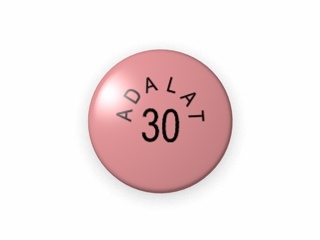

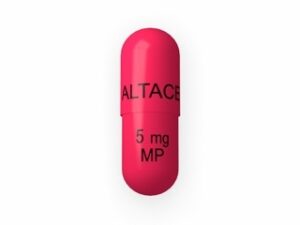
Adalat (Nifedipine) — Patient Information (Australia)
Adalat is a brand of nifedipine, a medicine used to treat certain heart and blood pressure conditions. This guide explains how nifedipine works, how it’s typically used, what to expect, and important safety information for people in Australia.
Always follow the instructions provided with your medicine and consult a healthcare professional if you have questions or experience worrying side effects.
Basic product information
| Item | Details |
|---|---|
| Brand name | Adalat |
| Active ingredient | Nifedipine |
| Medicine type | Calcium channel blocker (dihydropyridine) |
| Common forms | Immediate-release or modified-release formulations (varies by product) |
| How it helps | Relaxes blood vessels and improves blood flow |
| Therapeutic areas | Hypertension; angina (stable/vasospastic); other selected cardiovascular uses |
Important: Adalat and other nifedipine products come in different release forms. Your dosing schedule and instructions may differ depending on whether you have an immediate-release or modified-release product.
How nifedipine works (mechanism of action)
Nifedipine belongs to the group of medicines called calcium channel blockers (specifically, dihydropyridines). It works by blocking calcium entry into the smooth muscle cells of blood vessels.
- Blood vessel relaxation: The reduced calcium movement helps blood vessels widen.
- Lower blood pressure: Wider blood vessels reduce resistance to blood flow, lowering blood pressure.
- Improved coronary blood flow: In angina, nifedipine can help reduce vessel spasm and improve oxygen supply to the heart.
- Reduced cardiac workload: Lower afterload can ease strain on the heart.
Pharmacokinetics (how the body handles nifedipine)
Pharmacokinetics describes how a medicine is absorbed, distributed, metabolised, and eliminated. Key points for nifedipine include:
- Absorption: Nifedipine is absorbed from the gastrointestinal tract. Absorption can vary between immediate-release and modified-release products.
- First-pass metabolism: Nifedipine undergoes extensive processing in the liver after absorption, which can influence how much reaches the bloodstream.
- Metabolism: Primarily metabolised by CYP3A4 enzymes in the liver. This is why some medicines and foods that affect CYP3A4 can change nifedipine levels.
- Distribution: It is highly protein bound in plasma.
- Elimination: Metabolites are excreted mainly through urine and bile pathways (varies by formulation and individual factors).
- Effect timing: Onset and duration depend on release type; modified-release forms are designed for steadier blood levels over the day.
Because of metabolism through CYP3A4, nifedipine can interact with certain medicines and supplements. This is discussed further below.
Typical uses of Adalat (indications)
Nifedipine is used for cardiovascular conditions such as:
- Hypertension (high blood pressure): Helps lower blood pressure and reduce the risk of complications associated with hypertension.
- Angina pectoris: Can be used to help relieve chest pain due to inadequate blood supply to the heart. This includes stable angina and sometimes vasospastic (Prinzmetal) angina, depending on clinical context and formulation.
- Other clinician-directed cardiovascular uses: In some cases, nifedipine may be prescribed for specific vascular conditions.
Your prescriber may choose nifedipine based on your overall health, other medications, and the specific pattern of symptoms.
How to take it: timing and schedule
The correct timing depends on the formulation you’re using and your personal dose plan. General guidance:
- Follow the release instructions carefully: Do not crush or split tablets unless your product information says it’s allowed. Modified-release products are designed to release medicine slowly.
- Consistent timing: Try to take your doses at the same time(s) each day.
- Steady use matters: For blood pressure control, the benefit develops over days to weeks, even if you feel fine.
- Angina symptom control: Some people notice fewer episodes as the medication takes effect and stabilises blood vessel tone.
If you miss a dose: Take it when you remember unless it’s close to your next dose. Do not double up. If you’re unsure, ask a pharmacist.
Dosing (general information)
Dosing varies depending on the condition being treated, the nifedipine release type (immediate vs modified), age, kidney/liver function, and other medications. The information below is general and cannot replace individual instructions.
- Hypertension: Typically started at a lower dose and adjusted based on blood pressure response and tolerability.
- Angina: Doses may be titrated to help prevent chest pain episodes. Response varies by patient.
- Older adults or liver impairment: Clinicians may use lower starting doses due to altered metabolism and sensitivity.
- Combination therapy: Nifedipine may be used with other blood pressure or heart medicines (for example, ACE inhibitors, ARBs, diuretics, or beta-blockers).
Key practical point: Because different nifedipine products are not always interchangeable, ensure you receive the exact strength and formulation you were advised.
Food interactions
Some foods can significantly affect nifedipine levels or tolerability. The most notable interaction involves grapefruit.
- Grapefruit / grapefruit juice: May increase nifedipine blood levels by affecting drug metabolism (commonly through CYP enzymes). This can raise the risk of side effects such as dizziness, flushing, headache, or low blood pressure.
- General meal timing: Most people can take nifedipine with or without food, but consistency is helpful. If your product label recommends a specific approach, follow that.
Alcohol and food together: Alcohol can further lower blood pressure and worsen dizziness (see below). Avoid excessive alcohol while starting nifedipine or when dose adjustments are made.
Alcohol interactions
Alcohol can interact with nifedipine mainly by amplifying blood pressure lowering and causing increased dizziness, lightheadedness, or faintness.
- Avoid heavy drinking, especially when you first start or after a dose increase.
- If you experience dizziness, sit or lie down and do not drive until you feel steady.
- Ask your pharmacist for personalised advice if you drink regularly or have liver disease.
Medicine interactions (important)
Because nifedipine is metabolised by CYP3A4, it can interact with medicines that either inhibit or induce CYP3A4. Tell your pharmacist or doctor about all medicines you use, including over-the-counter products and supplements.
Medicines that may increase nifedipine levels
- Azole antifungals (e.g., ketoconazole, itraconazole)
- Macrolide antibiotics (e.g., clarithromycin, erythromycin)
- Some antivirals (HIV or hepatitis therapies can affect CYP3A4)
- Cimetidine (used for stomach acid in some people)
- Grapefruit (food interaction; not a medicine but clinically important)
When nifedipine levels rise, side effects may increase—particularly dizziness, flushing, headache, swelling, and low blood pressure.
Medicines that may reduce nifedipine levels
- Rifampicin and other rifamycins
- Anticonvulsants that induce CYP3A4 (for example, phenytoin, carbamazepine)
- St John’s wort (an herbal product that can induce metabolism)
Reduced nifedipine levels may lead to reduced symptom control or higher blood pressure.
Other cardiovascular medicine considerations
- Beta-blockers: Often used together in angina and hypertension; monitor for symptoms like fatigue or dizziness.
- Other blood pressure medicines: Combined effects can increase the chance of low blood pressure, especially after starting or dose changes.
- Nitrates: Used for angina; combined vasodilator effects can increase dizziness or headache.
Statins and other shared interaction pathways
Some lipid-lowering medicines can interact with calcium channel blockers depending on metabolism routes. If you take a statin or other chronic medicines, it’s wise to check the specific combination with a pharmacist.
Safety profile: common and serious side effects
Most people tolerate nifedipine well. However, like all medicines, it can cause side effects. The likelihood and severity depend on dose, formulation, and your health status.
Common side effects
- Headache
- Flushing (warmth/redness)
- Dizziness or lightheadedness
- Swelling of the ankles or feet (peripheral oedema)
- Palpitations (awareness of heartbeat), sometimes due to reflex responses
- Fatigue
- Gastrointestinal upset such as nausea
- Gingival (gum) overgrowth has been reported more often with some long-term calcium channel blocker therapy
Less common but important effects
- Low blood pressure (especially after starting, during dose increases, or with dehydration)
- Bradycardia or changes in heart rate may occur depending on the overall regimen
- Constipation (may occur in some people)
Seek urgent medical attention if
- Fainting or severe dizziness
- Chest pain that worsens, new chest pain at rest, or symptoms that feel different from your usual angina
- Swelling of face/lips or trouble breathing (possible allergic reaction)
- Severe allergic symptoms like widespread rash or blistering
- Signs of serious low blood pressure, such as confusion, extreme weakness, or inability to stand
When to talk to a clinician promptly
- Peripheral oedema that is bothersome or worsening
- Frequent headaches or persistent dizziness
- New irregular heartbeats
- Gum discomfort, swelling, or difficulty maintaining oral hygiene
Practical use tips (getting the best results)
- Check your blood pressure: If your regimen includes home monitoring, keep records. Early patterns can help identify when dose adjustments are needed.
- Stand up slowly: Dizziness can occur when changing positions. Take your time when getting out of bed or rising from a chair.
- Manage swelling: If ankle swelling occurs, discuss options with a pharmacist/doctor. Measures may include leg elevation, reviewing dose, or adjusting the combination with other medicines.
- Oral hygiene: Maintain regular tooth and gum care, and consider dental advice if you notice gum changes.
- Keep tablets safe: Store in a cool, dry place away from moisture and out of reach of children.
- Do not switch brands casually: Different nifedipine products can have different release characteristics. If you change product or strength, let your healthcare team know.
- Track angina patterns: If you’re using nifedipine for chest pain prevention, note frequency, triggers, and any breakthrough symptoms.
Special populations and considerations
Pregnancy and breastfeeding
The safety of nifedipine in pregnancy or breastfeeding can depend on the condition being treated and clinical judgement. If you are pregnant, planning pregnancy, or breastfeeding, speak with a clinician for advice tailored to you.
Liver impairment
Because nifedipine is extensively metabolised in the liver, people with liver impairment may have higher drug exposure. Clinicians may choose lower doses or closer monitoring.
Kidney impairment
Nifedipine is not usually the main concern in kidney disease, but overall cardiovascular status and fluid balance still matter. Follow your clinician’s dosing plan and report symptoms such as dizziness or swelling.
Older adults
Older adults may be more sensitive to blood pressure changes and may experience dizziness. Dose titration is often slower and monitoring may be more frequent.
Alternative options (if nifedipine isn’t suitable)
Alternatives depend on why you’re taking nifedipine (blood pressure, angina, or other vascular indications) and your medical history. Common alternatives include:
- Other calcium channel blockers: e.g., amlodipine or verapamil/diltiazem (depending on the condition).
- ACE inhibitors (e.g., perindopril, lisinopril) or ARBs (e.g., losartan, valsartan).
- Diuretics (e.g., hydrochlorothiazide, indapamide) for blood pressure control.
- Beta-blockers (e.g., metoprolol) for certain heart conditions and angina management.
- Anti-anginal alternatives: nitrates or other targeted therapies may be considered depending on your symptoms.
If you’re considering alternatives, discuss options with a healthcare professional—especially if side effects like ankle swelling or low blood pressure occur.
Market and legal context in Australia (what to expect)
In Australia, medicines are regulated by the Therapeutic Goods Administration (TGA). Access to cardiovascular medicines such as nifedipine is generally managed within Australia’s medicines scheduling and prescribing arrangements.
- Quality and safety: Products sold in Australia must meet TGA quality, safety, and regulatory requirements.
- Consumer information: Approved product information documents provide details on indications, dosing, and safety.
- Availability: Adalat/nifedipine products may be available through community pharmacies and authorised online pharmacy services.
The availability of specific strengths and release forms can change over time due to supply, formulation changes, or product listing updates. Check the pharmacy listing for current stock status and product details.
Recent guidance and monitoring approach
Treatment guidance for hypertension and angina in Australia commonly emphasises:
- Individualised targets: Blood pressure goals depend on your age, cardiovascular risk, and comorbidities.
- Review after starting: Regular follow-up to assess blood pressure response and side effects (e.g., dizziness, ankle swelling).
- Medication reconciliation: Ensuring all medicines (including over-the-counter products and supplements) are reviewed for interactions.
- Lifestyle support: Advice often includes diet, smoking cessation, exercise where appropriate, weight management, and limiting salt and alcohol.
If you experience troublesome side effects or your angina pattern changes, seeking timely clinical review helps ensure the medicine regimen remains appropriate.
Delivery and availability (online pharmacy)
Delivery options vary by pharmacy and location. When ordering Adalat/nifedipine online in Australia, you can generally expect:
- Clear stock information: Some sites show in-stock, low stock, or backorder status.
- Packaging and privacy: Medicines are typically supplied in protective packaging. Discreet delivery may be offered where available.
- Shipping time estimates: Timelines depend on your postcode and courier services.
- Customer support: A pharmacist or support team may be available to answer medicine questions.
For the safest use, check the box for the strength and release type before taking the first dose. If it doesn’t match what you expected, contact the pharmacy promptly.
FAQ
1) Is Adalat the same as nifedipine?
Yes. Adalat is a brand name that contains nifedipine as the active ingredient.
2) What will I feel when I start taking nifedipine?
Some people feel relief of angina symptoms within days, while blood pressure improvements may be more gradual. Common early effects can include headache, flushing, or mild dizziness—especially after starting or increasing the dose. If symptoms are severe or you feel faint, seek medical advice urgently.
3) Can I take nifedipine with grapefruit?
It’s best to avoid grapefruit and grapefruit juice because they can increase nifedipine levels and side effects.
4) Can I drink alcohol while taking Adalat?
Moderate alcohol may still increase dizziness or lower blood pressure. It’s safest to limit alcohol, especially when starting or after dose changes. If you get lightheaded, avoid alcohol and talk to a clinician.
5) What should I do if I miss a dose?
Take the missed dose when you remember unless it’s near the next dose. Do not double up. If you’re unsure, ask a pharmacist for advice based on your specific formulation and schedule.
6) Why do my ankles swell?
Peripheral oedema (ankle/foot swelling) is a known side effect of nifedipine for some people. Discuss this with your healthcare professional—dose adjustments or combination therapy changes may help.
7) Is it safe to stop nifedipine suddenly?
Do not stop nifedipine abruptly unless a healthcare professional advises you. Stopping suddenly can worsen blood pressure control or angina symptoms.
8) Can I take other medicines at the same time?
Many medicines can be taken alongside nifedipine, but some interactions can be significant—particularly medicines that affect CYP3A4. Always tell your pharmacist about your full medicine list, including supplements and over-the-counter products.
9) Are there any warning signs that mean I should get urgent help?
Yes. Seek urgent medical attention for severe dizziness/fainting, worsening or new chest pain, symptoms of a serious allergic reaction, or signs of dangerously low blood pressure.
10) How do I make sure I’m taking the right type?
Check the packaging for the strength and whether it is immediate-release or modified-release. These can have different dosing schedules and should not be swapped without advice.
Summary
Adalat (nifedipine) is a calcium channel blocker used for conditions like hypertension and angina. It works by relaxing blood vessels, helping to lower blood pressure and improve heart blood flow. Because nifedipine is metabolised by CYP3A4, it can interact with certain medicines and foods such as grapefruit. Common side effects include headache, flushing, dizziness, and ankle swelling.
If you have concerns about side effects, drug interactions, or whether your regimen is still the best option, speak with a pharmacist or clinician.