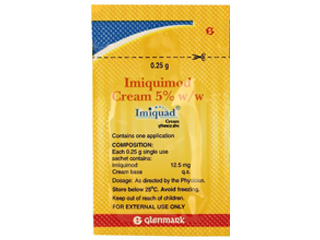
Imiquimod (Imiquimod Cream) — Patient Information (Australia)
Imiquimod is a topical medicine used to treat certain skin conditions, most notably specific types of genital warts and some early skin cancers. This guide explains what imiquimod does, how it works, how to use it effectively, what to expect, and important safety information.
Please note: product strengths, brand names, and instructions can vary. Always follow the specific instructions supplied with your product and any advice from your healthcare professional.
Basic product information
- Active ingredient: Imiquimod
- Typical presentation: Cream (commonly 5% for many skin indications; specific concentrations may vary by country and product)
- Route of administration: Topical (applied to skin)
- Common uses: Genital warts and selected superficial skin conditions
In Australia, imiquimod is supplied through lawful pharmacy channels. Availability can vary by manufacturer, strength, and local supply arrangements.
How imiquimod works (mechanism of action)
Imiquimod belongs to a class of medicines called immunomodulators. When applied to the skin, it helps activate part of the body’s immune response.
The medicine binds to receptors on immune cells in the skin (commonly described as Toll-like receptors). This triggers release of immune signalling molecules, including interferon and other cytokines. These signals help the immune system recognise and respond to abnormal or infected skin cells.
In practical terms, imiquimod can:
- Support clearance of virus-infected tissue (e.g., for warts)
- Stimulate an immune attack on targeted abnormal skin cells
- Promote local immune activity in the treatment area
Pharmacokinetics (how the body handles imiquimod)
Because imiquimod is used on the skin, only a small amount is typically absorbed into the bloodstream. After topical application:
- Absorption: Low systemic absorption is expected, especially when used as directed on intact skin and in limited areas.
- Metabolism: If absorbed, it is metabolised mainly in the liver to inactive or less active metabolites.
- Excretion: Metabolites are removed from the body primarily via the kidneys (urine).
Factors that can increase absorption include larger application areas, more frequent use, broken/irritated skin, and occlusion (covering the area). For this reason, it’s important to apply only a thin layer as instructed and avoid unnecessary covering.
Typical use and timing
The “best time” to apply imiquimod depends on the specific condition being treated and the product instructions. Many topical regimens are designed to be applied at a time when the area can be kept undisturbed for several hours.
Common practical timing principles
- Apply at night in many regimens, so the cream can remain on the skin while you sleep.
- Leave on for a set period (commonly around 6–10 hours, depending on indication and product instructions).
- Wash off after the required time with mild soap and water.
Always follow the exact duration stated for your condition. If you are unsure, check the instructions supplied with your medicine or confirm with a healthcare professional.
Indications (what imiquimod is used for)
Imiquimod is used for several skin conditions, including:
- Genital warts (caused by certain types of human papillomavirus)
- Selected superficial skin cancers (e.g., superficial forms of basal cell carcinoma in certain circumstances)
- Other dermatological indications may apply depending on product approval, strength, and local guidelines
Your appropriate use depends on the type, location, and size of the lesion(s), as well as your medical history and skin sensitivity.
Dosing (general guidance)
Imiquimod dosing varies by condition and strength of cream. Below are general dosing patterns commonly used; your exact schedule may differ.
| Condition (example) | Typical application frequency (example) | How to apply | Duration (example) |
|---|---|---|---|
| Genital warts | Often several nights per week (commonly 3 times weekly) | Thin layer to affected area only; allow to remain for the instructed period, then wash off | Varies; may continue until clearance or a defined course length |
| Superficial skin lesions (e.g., superficial basal cell carcinoma) | May be more frequent (commonly 5 times weekly) | Apply to lesion(s) and small surrounding margin as instructed; avoid unnecessary spread | Varies; often weeks to several weeks depending on response |
Do not increase the dose or frequency to try to make it work faster. More frequent use can significantly increase skin irritation and may reduce tolerance.
Missed dose: If you miss an application, apply it when you remember unless it’s close to the next scheduled dose. In general, do not apply extra cream to “catch up.” Follow your medicine instructions or seek advice.
Food interactions
Because imiquimod is applied to the skin and only small amounts are absorbed, food interactions are not expected.
No special dietary restrictions are usually required. However, if you experience skin irritation, inflammation, or general discomfort, staying well hydrated and eating normally can support comfort during treatment.
Alcohol and medicine interactions
Alcohol
There is usually no direct interaction between alcohol and imiquimod used on the skin. However, alcohol may worsen dehydration or general inflammation in some people. It can also make skin irritation feel more uncomfortable. If you notice increased sensitivity or redness after drinking, consider reducing alcohol intake during treatment.
Other medicines
Systemic drug interactions are generally unlikely because systemic absorption is low. Still, it’s important to consider:
- Other topical products: Avoid applying other creams, gels, or antiseptics to the same area unless your healthcare professional advises it.
- Skin-irritating products: Products containing acids, strong antiseptics, or harsh cleansers may increase burning or irritation.
- Immune-related medicines: If you use medicines that affect the immune system (for example, certain immunosuppressants), effectiveness and local reactions may differ. Seek medical advice.
Tell your healthcare professional about all medicines you use, including over-the-counter products and herbal preparations.
Safety profile and common side effects
Imiquimod’s effectiveness is linked to its ability to stimulate local immune activity. This often causes expected treatment-area reactions. These can range from mild redness to more intense inflammation.
Common reactions (treatment area)
- Redness, swelling, burning, itching
- Dryness, flaking, scabbing
- Possible small erosions or superficial ulceration
- Skin thickening or pigment changes after healing
Less common effects
- Blistering (especially with higher irritation)
- Severe local irritation or pain
- Inflammatory reactions extending beyond the treatment area (rare)
Systemic symptoms (rare)
Because absorption is usually low, whole-body effects are uncommon. If they occur, they may include flu-like symptoms (e.g., fever, body aches, fatigue). Seek advice if you experience significant or persistent symptoms.
When to seek urgent medical help
- Severe swelling, spreading rash, or signs of allergic reaction
- Difficulty breathing or facial swelling
- Severe infection signs: increasing warmth, pus, spreading redness, or fever
Practical use tips (step-by-step)
Using imiquimod correctly can improve results and reduce avoidable irritation.
- Wash and dry the area before applying the cream.
- Apply a thin layer to the affected area only. Avoid unnecessary spreading onto normal surrounding skin unless instructed.
- Wash your hands after application (unless your hands are the treatment area).
- Leave it on for the required time (often overnight) without covering unless your instructions say otherwise.
-
Wash off after the instructed period with mild soap and water.
- Do not scrub aggressively.
- Pat dry gently with clean towel or tissue.
- Use the schedule consistently (e.g., set days of the week for easier adherence).
Managing irritation
- Use gentle skin care (mild cleanser, fragrance-free moisturiser on non-treated skin only if advised).
- Avoid occlusive dressings unless directed.
- If irritation becomes severe, contact your healthcare professional for advice—sometimes the schedule is adjusted.
- Do not apply extra cream “to compensate” for irritation or missed time.
Avoid contamination and spread
- Avoid contact with eyes, lips, and inside the nose/mouth.
- Keep away from children.
- Sexual activity and friction may increase irritation in genital treatment areas. Follow specific advice for your condition.
Food, skin care, and hygiene considerations
No food restrictions are required. However, skin hygiene is important:
- Use mild soap and lukewarm water when washing the treated area.
- Avoid harsh exfoliants, alcohol-based toners, and strong antiseptics on the same skin area.
- When healing begins, be gentle—new skin can be fragile.
Alcohol and lifestyle notes during treatment
While alcohol does not usually directly interact with imiquimod, staying moderate can help you feel better overall during treatment. If you notice your skin feels more inflamed after alcohol, consider reducing intake for the course.
For genital warts, be mindful that inflammation can make friction more uncomfortable. Discuss timing of sexual activity and barrier methods with your healthcare professional.
Alternative treatment options
Alternatives depend on the condition being treated. If you are considering alternatives, ask your healthcare professional which options are suitable for your lesion type, location, and medical history.
Possible alternatives for genital warts
- Other patient-applied topical therapies
- Procedural treatments (e.g., freezing/cryotherapy, removal by specialist techniques)
- Supportive management and monitoring for recurrence
Possible alternatives for superficial skin cancers
- Surgical excision or other local procedures
- Other topical treatments approved for similar lesions
- Radiotherapy or specialist-directed therapy in selected cases
Choice of treatment should balance effectiveness, cosmetic outcome, convenience, and your skin sensitivity.
Market and legal context for Australia
In Australia, medicines must comply with regulation administered by the Therapeutic Goods Administration (TGA). Access to imiquimod is via legitimate pharmacy supply channels. Product details (including strength, approved indications, and wording on the medicine label) reflect TGA-approved information.
You may see different pack sizes or strengths depending on the indication and local supply. Always check that the product you receive matches the intended use and dosing instructions provided by your healthcare professional.
If you are unsure about the product category or instructions, consult a pharmacist before starting treatment.
Recent guidance and evidence overview (general)
Clinical practice commonly emphasises:
- Adherence to the application schedule and correct wash-off timing.
- Managing local skin reactions proactively (rather than increasing dose).
- Monitoring lesions and attending follow-up where needed, especially for skin cancers.
Treatment outcomes can vary depending on lesion size, location, immune status, and how well the regimen is followed. Guidance may be updated as new evidence becomes available.
If you want the most current recommendations relevant to your diagnosis, speak with your healthcare professional.
Delivery and availability (online pharmacy)
Online pharmacies in Australia typically dispatch medicines in discreet packaging with appropriate handling. Availability can depend on:
- Stock levels at the supplier
- Pack size and strength
- Shipping location and timeframes
Delivery times vary by service provider and state/territory. Check the estimated delivery window at checkout.
- Cold chain: Most imiquimod creams do not require refrigeration. Store according to the label.
- Storage: Keep at room temperature and out of direct sunlight.
- Keep out of reach of children.
Safety checklist before you start
- Confirm the area to treat and the correct schedule.
- Check the expiry date on the pack.
- Plan for gentle wash-off and time when you can keep the cream on the skin.
- Understand expected skin reactions so you’re not alarmed by mild-moderate redness or flaking.
- Seek advice if you have significantly reduced immune function or ongoing skin infections in the area.
FAQ (Frequently asked questions)
1) How long does imiquimod take to work?
Response time varies. Some people notice changes within a few weeks, while others require a full course before clear improvement is seen. For some conditions, complete clearance may take additional time after finishing treatment. Follow your scheduled plan and attend review if recommended.
2) What should I do if my skin becomes very sore or blistered?
Mild-to-moderate irritation can be expected, but severe pain, extensive blistering, or breakdown beyond the treatment area should be assessed. Stop and seek advice promptly from your healthcare professional or pharmacist for guidance on whether to pause treatment or adjust the regimen.
3) Can I use moisturiser during treatment?
You can often use moisturisers on surrounding non-treated skin to reduce dryness, but avoid applying moisturiser over the cream while it is on the skin unless your instructions specifically allow it. Use gentle, fragrance-free products and confirm if unsure.
4) Can I shower or swim while using imiquimod?
You should apply the cream according to the schedule and wash off after the required time. For bathing/swimming, avoid contact during the time the cream is intended to remain on the skin. After washing off, follow your healthcare professional’s advice on when to resume swimming or bathing.
5) Is it safe to use imiquimod on broken skin?
Applying to very broken or infected skin may increase irritation. If you have open sores, infection, or severe dermatitis in the area, seek advice before starting. Intact skin typically tolerates treatment better.
6) Will imiquimod stain or affect clothing?
The cream may transfer to clothing or bedding if not fully absorbed or if it remains after application. Many people apply at night and use bedding/clothing they don’t mind protecting. Wash hands and allow the skin to dry after application. Always follow pack instructions.
7) What if the lesion looks bigger at first?
During immune activation, temporary changes can occur, including redness, scabbing, or apparent enlargement. This can happen as part of the treatment response. However, if the lesion rapidly worsens, becomes infected, or you are concerned, contact your healthcare professional.
8) Can I have sex during genital wart treatment?
Genital treatment areas can become tender and irritated. Discuss timing and safe practices with your healthcare professional. Barrier methods may reduce transmission risk but do not eliminate it. Avoid activities that cause significant pain or bleeding.
9) Are there any special precautions for pregnancy or breastfeeding?
Safety in pregnancy and breastfeeding depends on the indication, location, and extent of use. Because absorption is low but not zero, it’s important to discuss risks and benefits with your healthcare professional before using imiquimod.
10) How should I dispose of the cream?
Dispose of any unused product according to local pharmacy or waste guidelines. Do not share your medicine with others. Keep the container tightly closed and out of children’s reach.
Key takeaways
- Imiquimod is a topical immunomodulating cream used for specific skin conditions such as genital warts and selected superficial skin cancers.
- It works by activating local immune responses in the skin.
- Only small amounts are absorbed systemically under usual use, so food interactions are not expected.
- Local skin reactions are common—expected irritation management is part of treatment.
- Apply a thin layer, follow the timing, and wash off after the instructed duration.
- If irritation becomes severe or you suspect infection or an allergic reaction, seek advice promptly.
If you have questions about suitability for your skin condition, expected side effects, or how to follow your treatment schedule, speak with a pharmacist or healthcare professional.