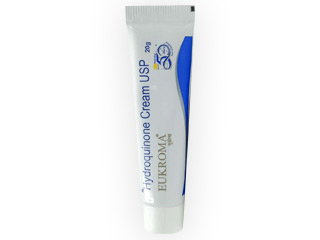
Hydroquinone (Topical) — Patient Guide (Australia)
Hydroquinone is a skin-lightening medicine used to treat certain types of hyperpigmentation (dark patches) by reducing the formation of melanin. This guide is written to help you understand how hydroquinone works, how to use it safely, what to expect, and what to consider with other medicines and lifestyle factors. It also includes Australia-specific context about availability and legal considerations.
Basic product information
- Medicine name: Hydroquinone
- Common form: Topical creams/lotions/gel (applied to the skin)
- Strengths: Commonly 2%–4% in topical products (exact availability depends on local regulations and supplier)
- Who it’s for: People with specific, diagnosed types of skin discolouration, such as melasma or sun spots
- Where it’s applied: Usually on the affected skin areas only
Important: Hydroquinone can cause irritation in some people and may not be suitable for everyone. Always follow the directions on your product label and the advice provided by your pharmacy or clinician.
How hydroquinone works (mechanism of action)
Melanin is the pigment responsible for skin colour. Overproduction of melanin can lead to dark patches such as: melasma, post-inflammatory hyperpigmentation, and solar lentigines (“sun spots”).
Hydroquinone reduces hyperpigmentation by interfering with melanin production in skin cells. It helps slow down pathways involved in melanin synthesis, and it can also reduce the transfer of pigment within the skin over time. The result is gradual fading of dark areas.
- Key effect: Decreases melanogenesis (melanin formation)
- Skin cell impact: Targets melanocyte activity and pigment pathways
- Time-dependent: Pigment improvement is gradual rather than immediate
Pharmacokinetics (absorption, distribution, metabolism, elimination)
Hydroquinone is applied to the skin. After topical use, absorption through the skin can vary depending on: the concentration, the condition of the skin (e.g., irritated or broken skin absorbs more), the amount applied, and whether the product is used under occlusion.
- Absorption: Generally limited when applied to intact skin, but can increase with inflamed/abraded skin or higher doses.
- Distribution: Primarily local effects are intended. Some systemic absorption may occur, particularly with higher concentrations or prolonged use.
- Metabolism: In the body, hydroquinone is metabolised (processed) to other compounds.
- Excretion: Metabolites are eliminated from the body, mainly via urine.
Because topical absorption can be variable, safe use includes applying only to affected areas, using the recommended amount, and avoiding excessive or prolonged use without professional advice.
Typical uses and indications
Hydroquinone is used for visible discolouration where reducing excess melanin is desired. Common indications include:
- Melasma (often facial patches that may worsen with sunlight or heat)
- Post-inflammatory hyperpigmentation (dark marks after acne, eczema, bites, or other skin irritation)
- Solar lentigines / sun spots (localized pigment from UV exposure)
- Other hyperpigmentation conditions as advised by a healthcare professional
Note: Hydroquinone works best when pigment is driven mainly by excess melanin production. If discolouration is due to a different cause (e.g., ongoing inflammation, vascular changes, scarring), results may be limited.
When to start seeing results (timing and expected response)
Hydroquinone is not instant. Improvement is usually gradual.
- Early changes: Some people notice lightening in about 4–8 weeks.
- More noticeable results: Often after 8–12 weeks.
- Best outcomes: Typically after a full course as directed (commonly up to 3 months depending on product guidance).
If there is no meaningful improvement after the recommended trial period, it’s important to stop and seek advice rather than continuing indefinitely. Overuse can increase irritation and may worsen pigment in some people.
How to use hydroquinone (dosing and practical instructions)
Dosing depends on the product strength and your condition. Always follow your specific label instructions. The general approach is:
- Apply a thin layer to the affected skin areas.
- Frequency: Many products are used once or twice daily (e.g., morning and/or evening). Use only as directed.
- Duration: Use for a limited course, then reassess. Long-term continuous use is usually not recommended.
- Avoid: Applying to eyes, lips, inside nostrils, or on open wounds unless instructed.
- Moisturise: A simple moisturiser may reduce irritation.
Step-by-step routine example
- Cleanse: Wash with a gentle cleanser and pat dry.
- Apply hydroquinone: Use a thin layer only on the dark areas.
- Wait: Allow it to absorb for a few minutes.
- Moisturise: Apply moisturiser if needed (especially if skin feels dry or irritated).
- Morning sunscreen: Use sunscreen during the day (see below).
Patch testing (recommended)
Hydroquinone may irritate some individuals. Consider patch testing on a small area for a few days to check for excessive redness, burning, swelling, or itching. Stop and seek advice if significant reactions occur.
Missed dose
If you miss a dose, apply it when you remember unless it’s close to the next dose. Do not apply extra product to “catch up”.
Food interactions
Because hydroquinone is applied to the skin, food interactions are not usually expected. However, overall skin health can be influenced by lifestyle and inflammatory triggers.
- General nutrition: No specific food is known to directly interfere with topical hydroquinone.
- Hydration and sun protection: These are more important for maintaining results.
If you take other medications or have a medical condition (e.g., pregnancy, chronic skin inflammation), discuss your situation with a healthcare professional.
Alcohol and medicine interactions
Topical hydroquinone is unlikely to interact with alcohol in the way some oral medicines do, because systemic exposure is generally low when used as directed. However, alcohol can worsen skin dryness and irritation in some people, which may indirectly affect how your skin tolerates hydroquinone.
- Alcohol: Avoid or reduce alcohol if it tends to trigger flushing or skin irritation for you.
- Skin sensitivities: If you notice increased burning or redness after alcohol, consider pausing hydroquinone and seek advice.
- Other medicines: Be cautious when combining multiple topical actives on the same area (e.g., strong exfoliants or irritants), as this increases the risk of inflammation and rebound pigmentation.
If your product contains additional ingredients (e.g., steroids or retinoids), interactions and precautions may differ. Always check the full ingredient list and follow the product-specific directions.
Safety profile and who should be cautious
Hydroquinone is generally well tolerated when used correctly, but it has a known risk of local skin reactions. People with sensitive skin, eczema, or frequent dermatitis may be more prone to adverse effects.
Common side effects
- Redness
- Dryness
- Itching
- Burning or stinging sensation
- Skin irritation or peeling
Serious or concerning reactions (seek medical advice promptly)
- Severe swelling, blistering, or intense pain
- Worsening darkening rather than improvement
- Widespread rash beyond the treated area
Risk of irritation and rebound pigment
Overuse or aggressive combination regimens can cause inflammation. In some cases, inflammation can lead to post-inflammatory hyperpigmentation, making the problem worse.
General precautions
- Sun protection is essential: Without sunscreen, pigment often returns or worsens.
- Avoid sun exposure: Especially while using hydroquinone.
- Use only on affected areas: Don’t apply broadly to normal skin.
- Limit duration: Follow course guidance and reassess.
- Avoid broken skin: Don’t apply to cuts, burns, or actively irritated areas.
Pregnancy, breastfeeding, and children
Safety in pregnancy and breastfeeding depends on absorption and the product formulation. If you are pregnant or breastfeeding, discuss with a healthcare professional before use. For children, use should be guided by a professional and based on age-appropriate recommendations.
Practical use tips for best results
- Pair hydroquinone with strict sunscreen: Choose a broad-spectrum sunscreen (SPF 30+ or higher) and reapply as directed, especially outdoors. This reduces new pigment formation and improves outcomes.
- Use gentle skincare: Avoid harsh scrubs, strong acids, or fragranced products that may irritate skin.
- Don’t overapply: More product does not equal better results; it can increase side effects.
- Consider timing: If you’re sensitive, you may prefer applying once daily initially (e.g., evening only) and then adjusting if tolerated.
- Stop if irritation is significant: Treat irritation first (with a moisturiser and reducing frequency) rather than pushing through severe burning.
- Track progress: Take photos in consistent lighting every 2–4 weeks to gauge improvement objectively.
Food, lifestyle, and sun factors that affect outcomes
Hydroquinone is most effective when you reduce triggers that cause pigment to return. The most significant trigger is UV exposure. Heat and visible light can also worsen certain pigment conditions such as melasma.
- Daily sunscreen: Broad-spectrum, applied generously to treated areas and often to the whole face.
- Protective clothing: Hats, sunglasses, and shade help reduce exposure.
- Avoid peak sun: Try to limit outdoor time during high UV periods.
- Skincare compatibility: Introduce other actives slowly and one at a time.
Alcohol and medicine combinations: what to watch for
Hydroquinone’s main concerns are skin irritation and the overall effect of combining actives. Below are practical considerations when using hydroquinone alongside common skincare ingredients.
Topical combinations (common scenarios)
- Other pigment reducers: Sometimes used in stepped regimens, but combining multiple strong actives can increase irritation.
- Retinoids (e.g., tretinoin/adapalene): Can be helpful for pigmentation, but may increase dryness and irritation.
- Alpha hydroxy acids (AHA) / beta hydroxy acids (BHA): Also can irritate; consider spacing use by days or alternating routines.
- Exfoliants and scrubs: Generally avoid while you are starting hydroquinone.
- Strong cleansers/fragrances: Choose gentle products to minimise inflammation.
If your hydroquinone product is part of a multi-ingredient formula, the risk profile may change. Always consult the product label or a pharmacist for personalised combination advice.
Alternative options for hyperpigmentation
Hydroquinone is one option for reducing unwanted pigment. Depending on your skin type, the cause of pigmentation, and your tolerance, other alternatives may be considered.
Common alternatives
| Option | Typical use | Notes |
|---|---|---|
| Broad-spectrum sunscreen | Prevention and maintenance for most pigment conditions | Often the most important step for long-term results |
| Azelaic acid | Melasma and post-inflammatory hyperpigmentation | May be gentler; can help with blemishes |
| Vitamin C (ascorbic acid) | Brightening and antioxidant support | Results vary; may suit sensitive skin for some |
| Retinoids | Cell turnover and pigment support | Can cause dryness initially; gradual introduction helps |
| Professional procedures (selected cases) | Targeted pigment treatment | May be an option when topical treatment is limited; discuss risks and suitability |
The best choice depends on the pattern, depth, and cause of pigment, as well as your skin sensitivity and routine. If hydroquinone isn’t suitable or doesn’t work for you, a pharmacist or clinician can help tailor options.
Australia: market/legal and guidance context
In Australia, availability of hydroquinone is influenced by regulatory requirements and product classification. Access may vary by:
- Strength and formulation
- Whether the product is a listed OTC item or supplied under specific regulatory pathways
- Labelling and approved indications
- Safety and quality requirements
Market availability can also change over time as regulators review safety evidence and guidance. Reputable suppliers will provide products with correct labelling, expiry dates, and instructions for safe use.
Recent guidance (general trend): Many dermatology and public health recommendations emphasise: sun protection, avoiding long-term continuous use, and managing irritation early to prevent rebound pigmentation. Always follow the most current instructions on your product packaging and the advice from your healthcare professional.
Delivery and availability (online pharmacy)
Hydroquinone topical products may be available through online pharmacies depending on product strength and current regulations. Availability can vary by:
- Brand and formulation (cream/gel/lotion)
- Pack size
- Stock levels in your region
- Regulatory classification and supply conditions
Delivery: Most online pharmacies dispatch products after order processing and provide tracking. Delivery times depend on your location and courier service. Store products according to label directions (usually at room temperature, away from sunlight and heat).
How to choose: Check the active concentration, ingredients, and directions for use. If you’re unsure, you can contact the pharmacy for guidance on product selection and routine planning.
Safety tips and when to stop
- Stop and seek advice if you develop severe irritation, swelling, blistering, or widespread rash.
- Consider pausing if burning/itching becomes intense. Restore gentle skincare first.
- Do not continue indefinitely; reassess after the recommended treatment course.
- Protect treated skin from the sun to reduce recurrence and improve outcomes.
Keep out of reach of children. If accidental ingestion occurs, seek urgent medical help or contact a poison information service.
FAQ — Hydroquinone
1. Is hydroquinone safe for everyone?
Not everyone is suitable. Some people experience irritation, and those with sensitive or inflamed skin may need extra caution. Discuss your situation with a pharmacist or clinician, especially if you have eczema, chronic skin conditions, or are pregnant/breastfeeding.
2. How long should I use hydroquinone?
Use it for a defined course as directed on your product label. Many people reassess after around 8–12 weeks, and often avoid continuous long-term use. If you’re not improving, seek advice rather than extending.
3. Can I use hydroquinone every day?
Many products are used once or twice daily depending on tolerance and label directions. If you get irritation, start with less frequent application (as advised) and moisturise. Severe irritation means you should stop and seek guidance.
4. Will hydroquinone remove all dark spots permanently?
Hydroquinone can significantly lighten pigment, but results can fade back if triggers (especially sun exposure) remain. Long-term maintenance with sunscreen and gentle skincare helps reduce recurrence.
5. Can I use hydroquinone with sunscreen?
Yes—sunscreen is strongly recommended. Apply hydroquinone to the skin first, then allow it to absorb. In the morning, apply sunscreen over the treated area.
6. What sunscreen should I use?
Choose a broad-spectrum sunscreen (SPF 30+ or higher) that suits your skin type and is comfortable to reapply. Mineral and chemical formulations both can work; pick what you will reliably use.
7. What should I avoid while using hydroquinone?
Avoid excessive sun exposure, tanning beds, and harsh skin treatments that increase irritation (like strong exfoliants or vigorous scrubbing). Don’t apply to broken skin unless your product directions explicitly allow it.
8. Can I drink alcohol while using hydroquinone?
There are no commonly expected direct interactions with topical hydroquinone. However, alcohol may worsen dryness or irritation for some people. If you notice increased skin burning or redness, reduce alcohol intake and reassess your skincare routine.
9. Will hydroquinone bleach my skin around the treated area?
Hydroquinone is intended for dark patches. Applying a thin layer only to affected skin helps minimise changes to surrounding areas. If you accidentally apply to broader areas or experience irritation, pigment changes can occur—stop and seek advice if this happens.
10. What if my pigmentation looks worse after starting?
Some increase in darkness can occur if the skin becomes irritated or inflamed. Stop hydroquinone temporarily and focus on soothing, barrier-supporting moisturisers and strict sun protection. Seek advice if worsening persists.
Summary
Hydroquinone is a topical medicine used to treat specific hyperpigmentation conditions by reducing melanin formation. It works gradually and is most effective when combined with strict sun protection and a gentle skincare routine. Follow label directions for frequency and duration, apply to affected areas only, and monitor your skin for irritation. If you experience significant side effects or no improvement after a reasonable course, seek advice to adjust your treatment plan.